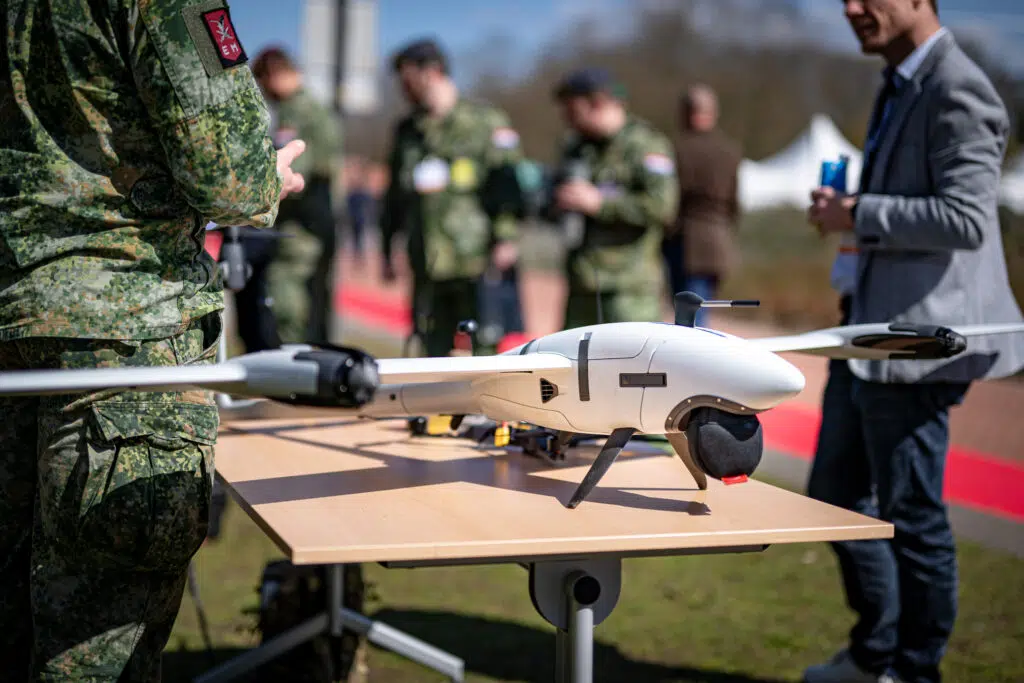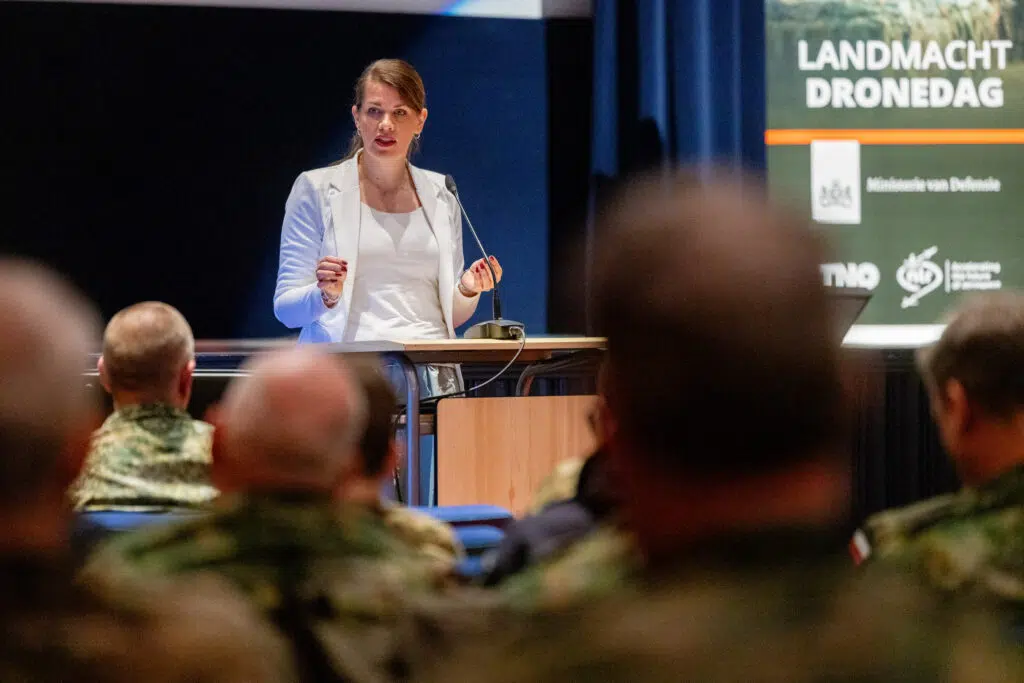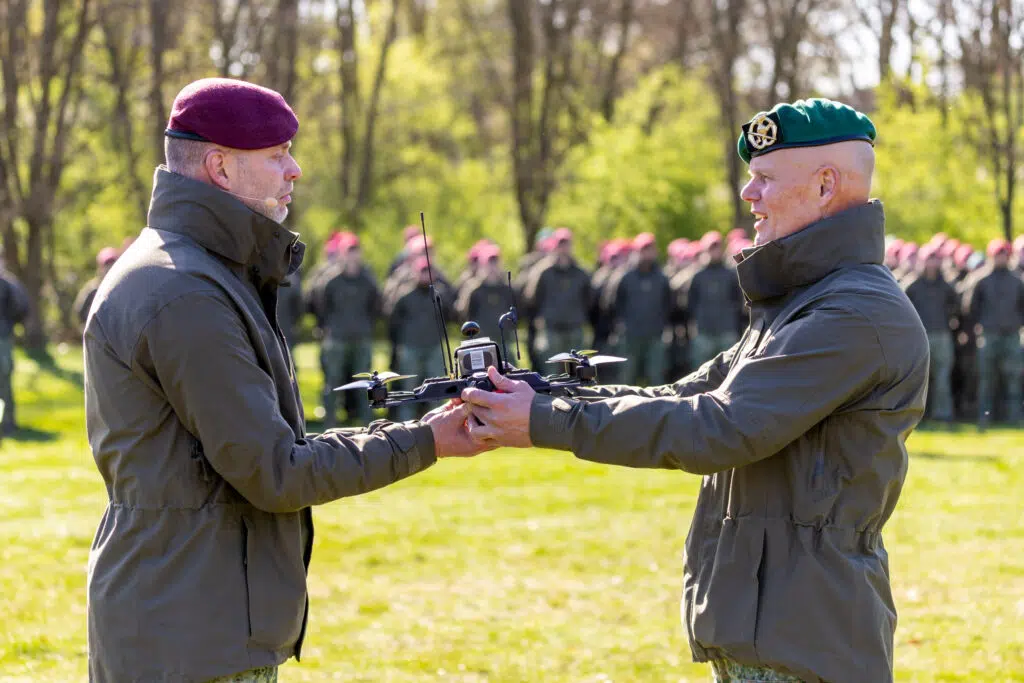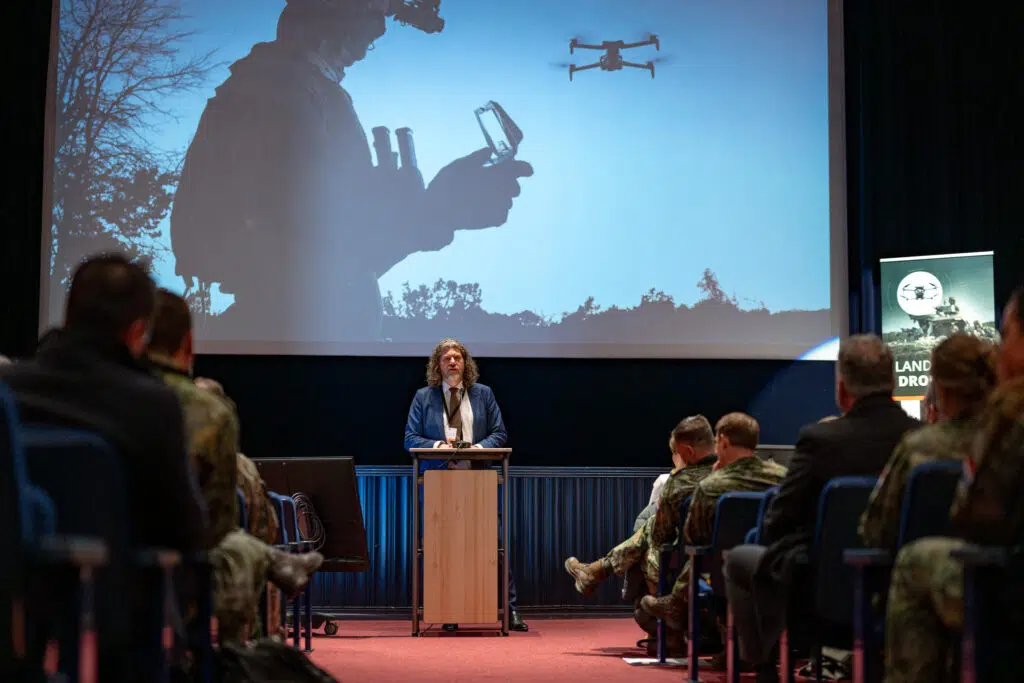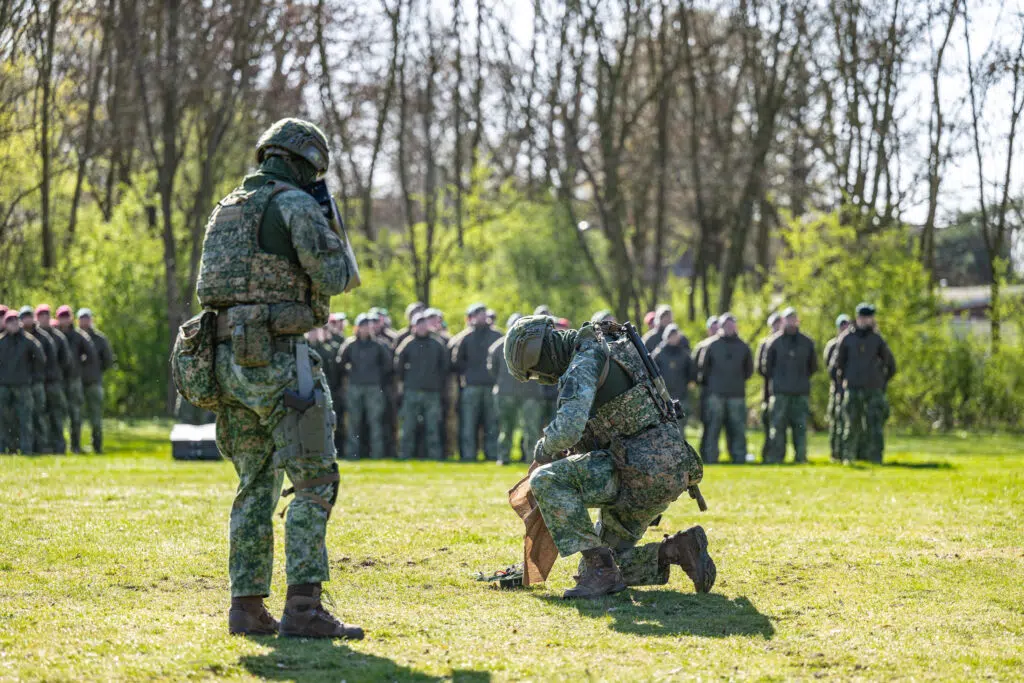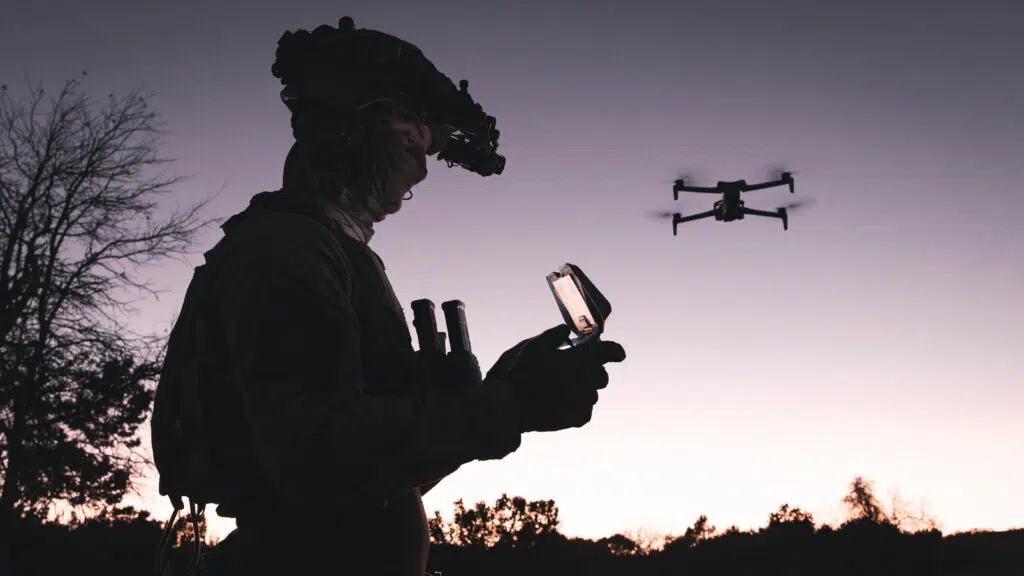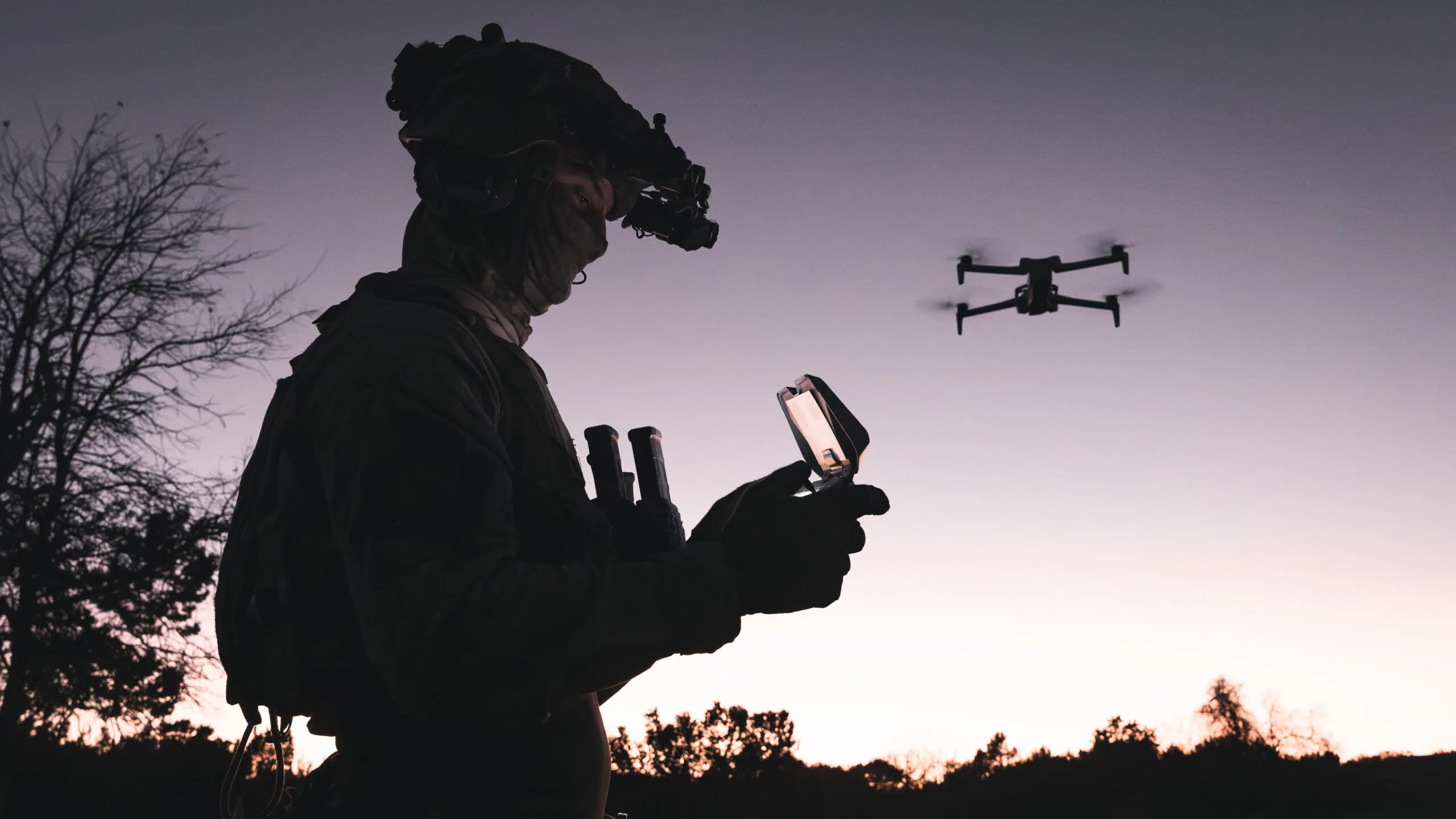
Yesterday marked an important step in the continued development of the Dutch armed forces. During the Royal Netherlands Army’s Drone Day in Oirschot, the first drone and counter‑drone elements were formally integrated into combat units. This underscores Defence’s recognition that operating with, and against, drones has now become a structural component of modern military operations.
This development does not stand alone. It is the result of close cooperation between Defence, research institutions and industry within a growing Dutch drone ecosystem. This national ecosystem for Unmanned Aerial Systems (UAS) must be capable of rapid innovation while ensuring the highest possible level of supply security.
NLR plays a proactive role in accelerating drone innovation
Tineke van der Veen, CEO of NLR, emphasises that NLR sees a clear role for itself in this: “We seek to build strong connections with government, industry and partner research institutions. We do this by proactively entering into partnerships through which we develop knowledge that supports Defence in carrying out successful missions. This also means we are prepared to take risks in order to learn from them quickly. In doing so, we strengthen our ability to translate promising concepts swiftly and effectively into the capabilities that are needed.”
Innovations showcased during Drone Day
Drone Day also demonstrated how this collaboration works in practice. A range of technologies and innovations was showcased, from radar‑based drone detection and solutions for neutralising threats to navigation systems that operate independently of GPS. Current insights from international developments are being translated into practical solutions for the Netherlands.
The various demonstrations during Drone Day showed how individual innovations come together within a broader whole. In doing so, they contribute to the further development of an integrated and scalable UAS ecosystem for the Dutch armed forces.
NLR as strategic partner within the UAS ecosystem
As a strategic partner to Defence, NLR, together with other research organisations such as TNO plays a connecting role within the Dutch drone ecosystem. By combining objective and independent research with innovation, NLR accelerates the development of operationally deployable drones and drone functionality.
With deep understanding of operational needs, multidisciplinary expertise and access to leading research facilities, NLR contributes to a future‑proof and technologically advanced Dutch Armed Forces.