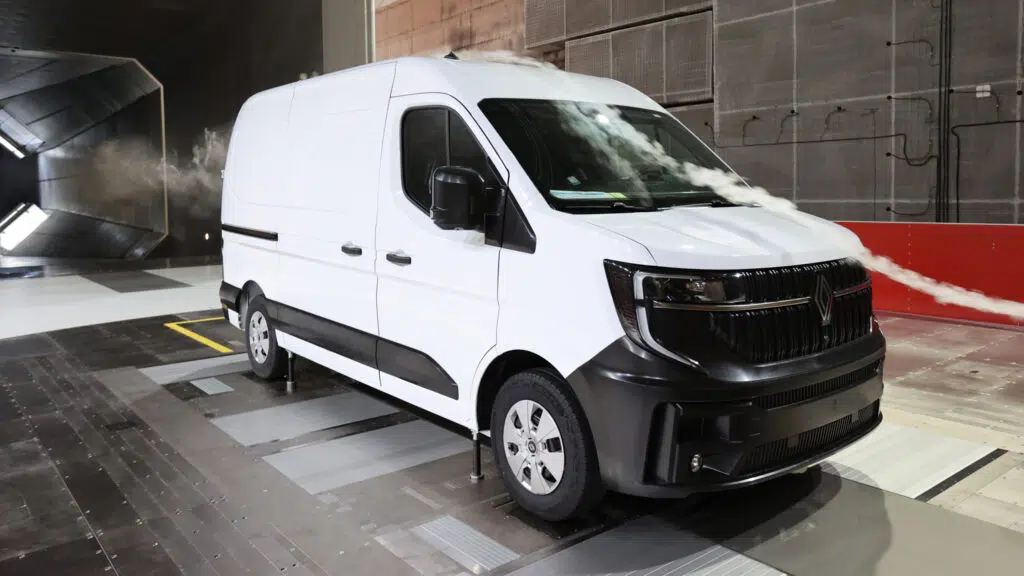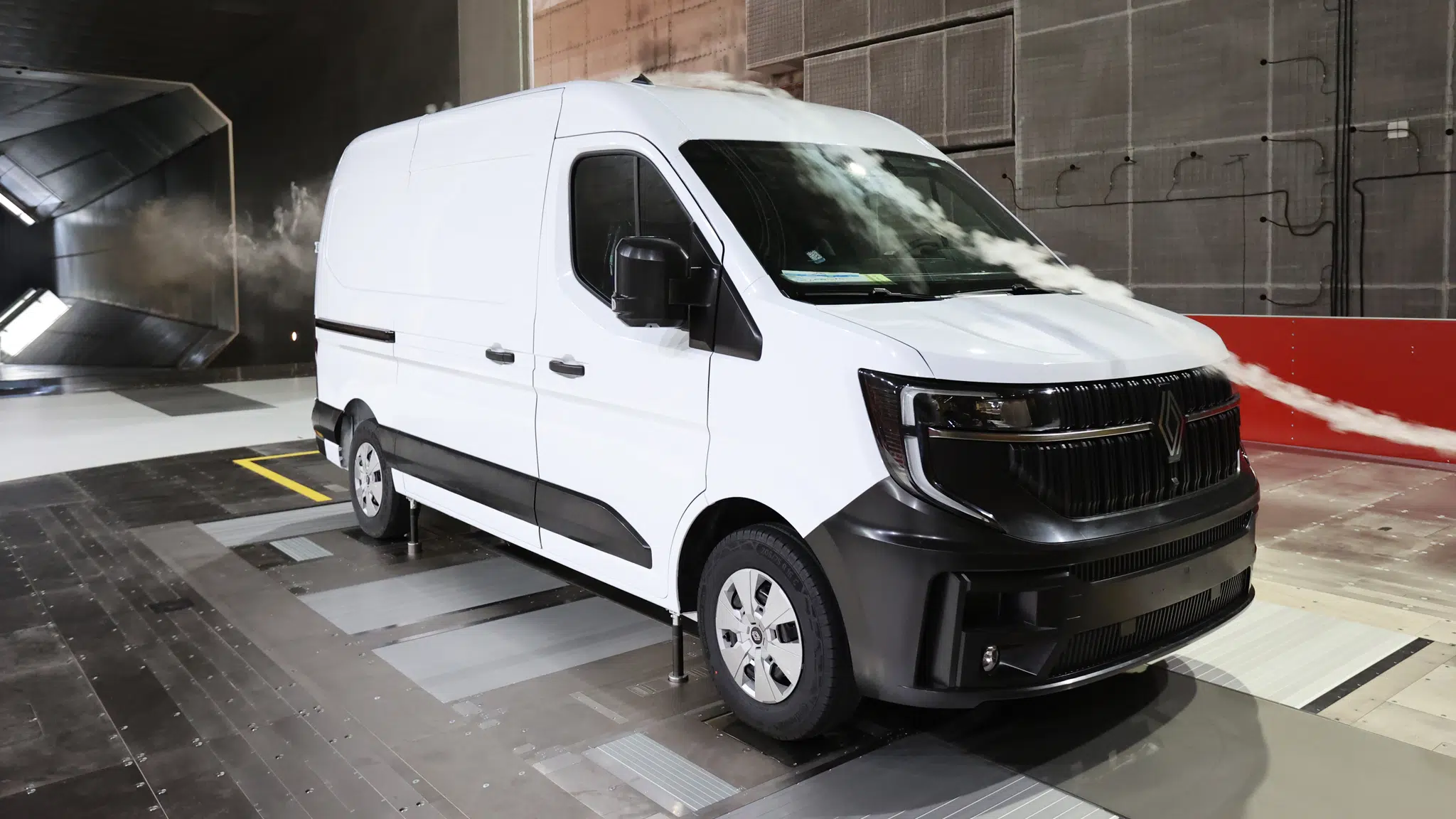
Located in Marknesse at the DNW-LLF (Large Low speed Facility), Europe’s largest wind tunnel, the Automotive Test Section (ATS) is the result of significant investment by the German and Dutch governments in response to stricter emissions regulations. The facility will play a crucial role in supporting the development of more sustainable vehicles, contributing to the climate goals set by both governments.
Environmental requirements
Due in part to the controversy in the media and politics that arose around the manipulation of the combustion behaviour of diesel engines (diesel gate), the requirements and methods for testing new vehicles for approval, as well as monitoring vehicles in use, have been tightened.
Until 1 September 2017, all cars were tested using the NEDC (New European Driving Cycle) method. In practice, it has been shown that the NEDC results deviated too much from actual consumption. Therefore, the WLTP was introduced in Europe. WLTP, which stands for Worldwide Harmonised Light Vehicle Test Procedure, is a test methodology used to accurately measure the aerodynamic and rolling resistance, from which exhaust gas emissions of a vehicle can reliably be derived. The test methodology not only takes into account different situations and speeds, but also optional equipment and the weight class of a vehicle.
The measurement is performed during the type-approval of a vehicle to check if it meets the applicable emission standards. As of 1 September 2018, the WLTP standard has been mandatory for all new passenger cars in the European Union, and as of 1 September 2019 for commercial vehicles. The WLTP regulations are not only mandatory for passenger cars but also for delivery vans and light trucks.
The DNW ATS is not only unique with respect to size but also due to the fact that it is an exchangeable test section. The complete system can be removed from the wind tunnel circuit. The weight of around 400 tons was a design and logistical challenge which was comfortably met. The ATS can be exchanged within less than a day. The system is certified for WLTP measurements and CE by the German TÜV and the Kraftfahrt-Bundesambt (KBA) and is now fully operational and available for the industry.
Cross-sectoral test centre MITC
The ATS is the first facility to be realised as part of the Mobility Infrastructure and Test Centre (MITC), a unique cross-sectoral test centre that will also feature a new test track for the Netherlands Vehicle Authority RDW and a police-training centre. This will establish Marknesse as a leading knowledge and test centre for smart and sustainable mobility, where vehicles and aircraft of the future will be developed and tested.
“The ATS is a prime example of successful European cooperation, building on the DNW’s nearly 50-year history of collaboration between the German and Dutch aerospace industries”, Michel Peters, CEO Royal NLR stated. “By applying expertise from the aviation sector to the automotive industry, the DNW is driving innovation and green growth”.
According to Mrs. Anke Kayser-Pyzalla, Chair of the Executive Board of DLR „This development is a good example of how synergy and transfer potential is used within DNW to make mobility future-proof. As we work manufacturer-independently, DNW is not only very interesting for monitoring and testing by authorities, but we also make our service available to manufacturers from the aircraft and automotive industries.“