Author name: Wendy Duivestein

04 March 2025

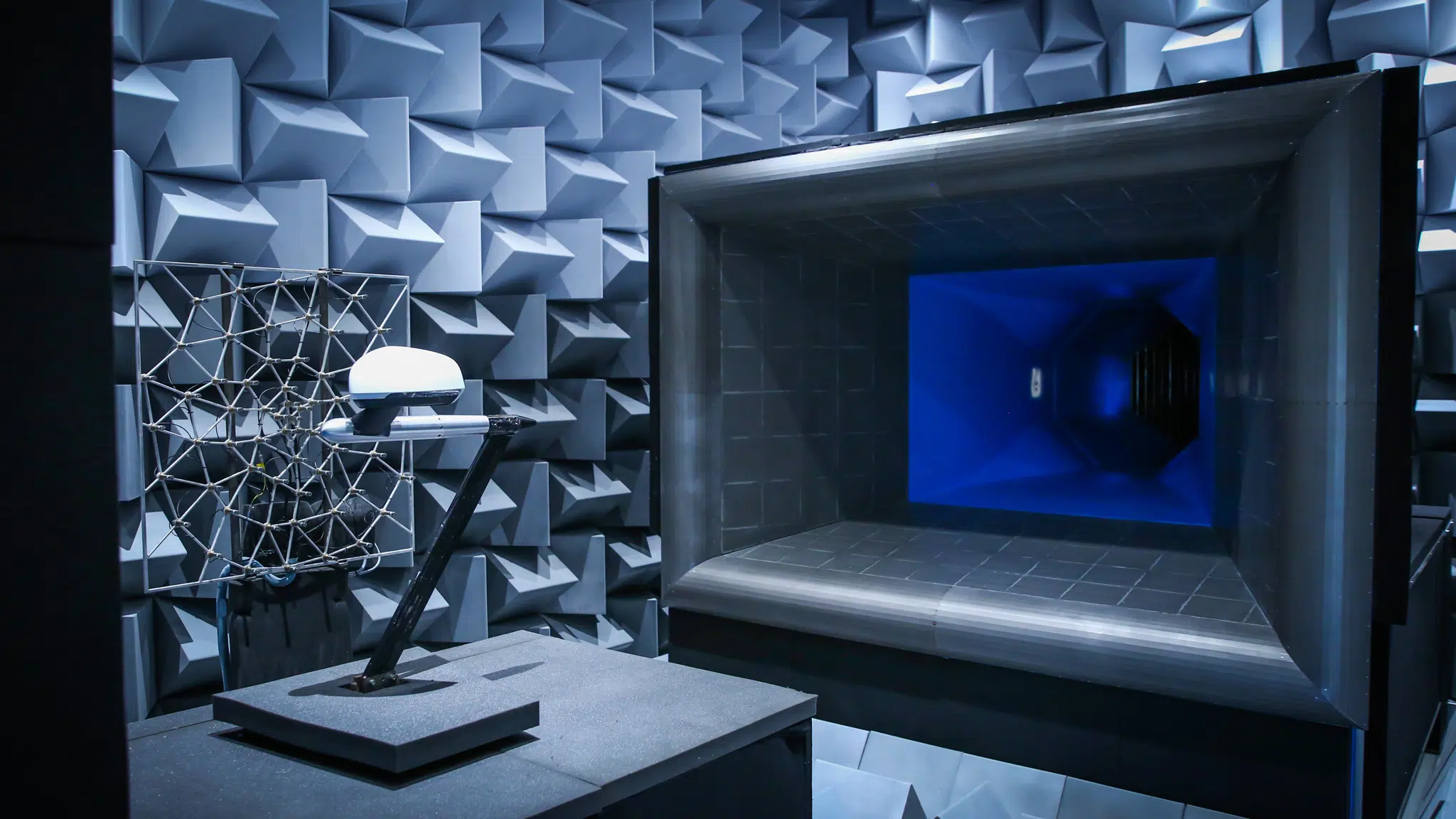
Aeroacoustic Wind Tunnel

The NLR Aeroacoustic Wind Tunnel (NLR-AWT) is a state-of-the-art facility dedicated to researching the sources of aero-acoustic noise and developing techniques to reduce aircraft noise. Our research focuses on the early development phase (low Technology Readiness Level) or aims to improve existing systems. Additionally, we develop advanced measurement methods to identify and quantify noise sources. To gain a deeper understanding of complex airflows, we employ various flow measurement techniques, including Particle Image Velocimetry (PIV) with helium-filled soap bubbles and hotwire measurements, which enable us to map airflow patterns both qualitatively and quantitatively.
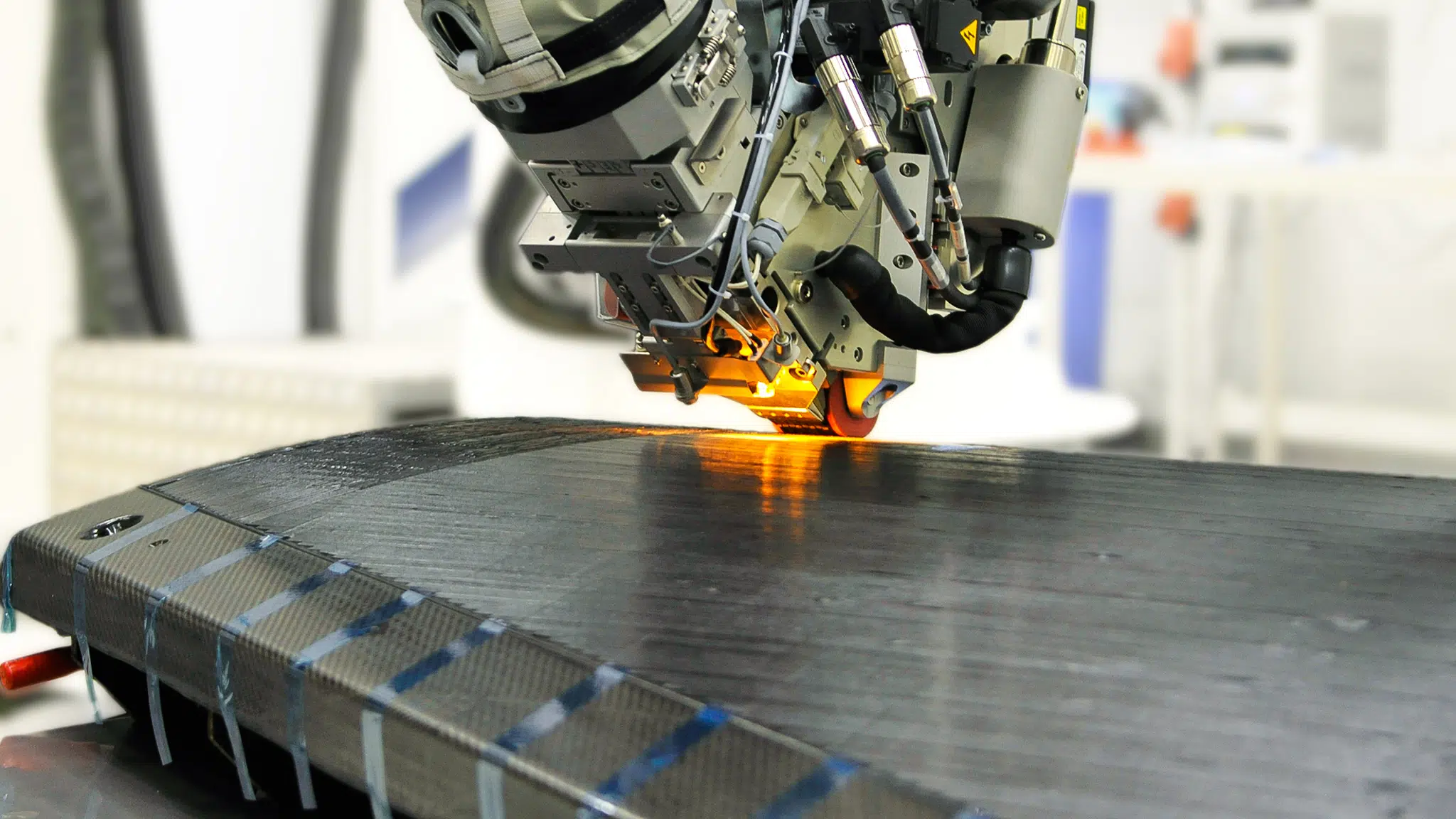
NLR Fibre Placement Machine

04 March 2025

Automated Composites Manufacturing (ACM3)

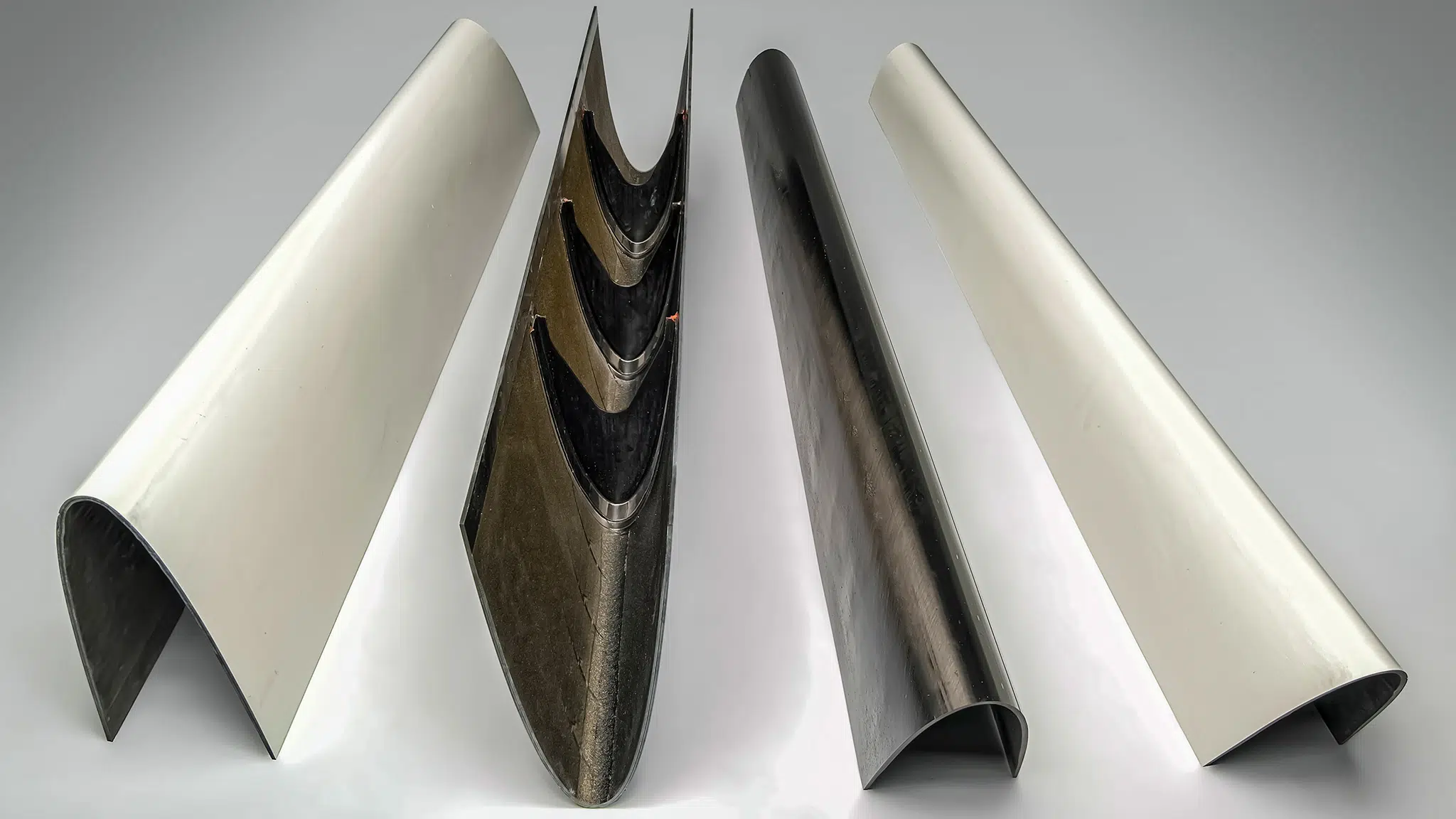
The ACM3 Field lab (Automated Composites Manufacturing, Metal Manufacturing and Maintenance) is a world-class facility that offers high-tech equipment and expertise for the development of lightweight products. Its primary focus is on paving the way for automated manufacturing of advanced composite structures, with a strong emphasis on supporting the composites industry and companies that are looking to adopt these materials. By bringing together the collective research capabilities of leading research centres, universities, and specialised businesses, the facility creates a unique ecosystem that enables collaboration, innovation, and knowledge-sharing.is a well-equipped, state-of-the-art field facility that makes high-tech equipment available for the development of lightweight products. It serves to prepare the way towards automated manufacturing of advanced composite structures, largely in support of the ‘composites’ industry, but also of enterprises, which are new to this material. The facility brings together the complementary research capabilities of research centres, universities and specialised small enterprises and industries.

Sustainability and Environment

28 January 2025

R&D case COCOLIH2T - Composite Conformal Liquid H2 Tank

The global aviation industry is committed to reducing global net aviation carbon emissions by 50% by the year 2050, with the European Commission pursuing a more ambitious goal of a 75% reduction in CO2 emissions per passenger kilometre. Alternative fuels such as liquid hydrogen (LH2) are seen as playing a central role in a zero-emission future for aviation. To store cryogenic (20 K) liquid hydrogen in an aircraft, the COCOLIH2T project carries out research and testing for the design, manufacturing and testing of storage containers for new and existing aircraft designs.

Aviation resilience to GNSS frequency jamming and cyber threats.
Defence and Security

25 January 2024

R&D case: Resilience to GNSS frequency jamming and cyber threats (AIRING)

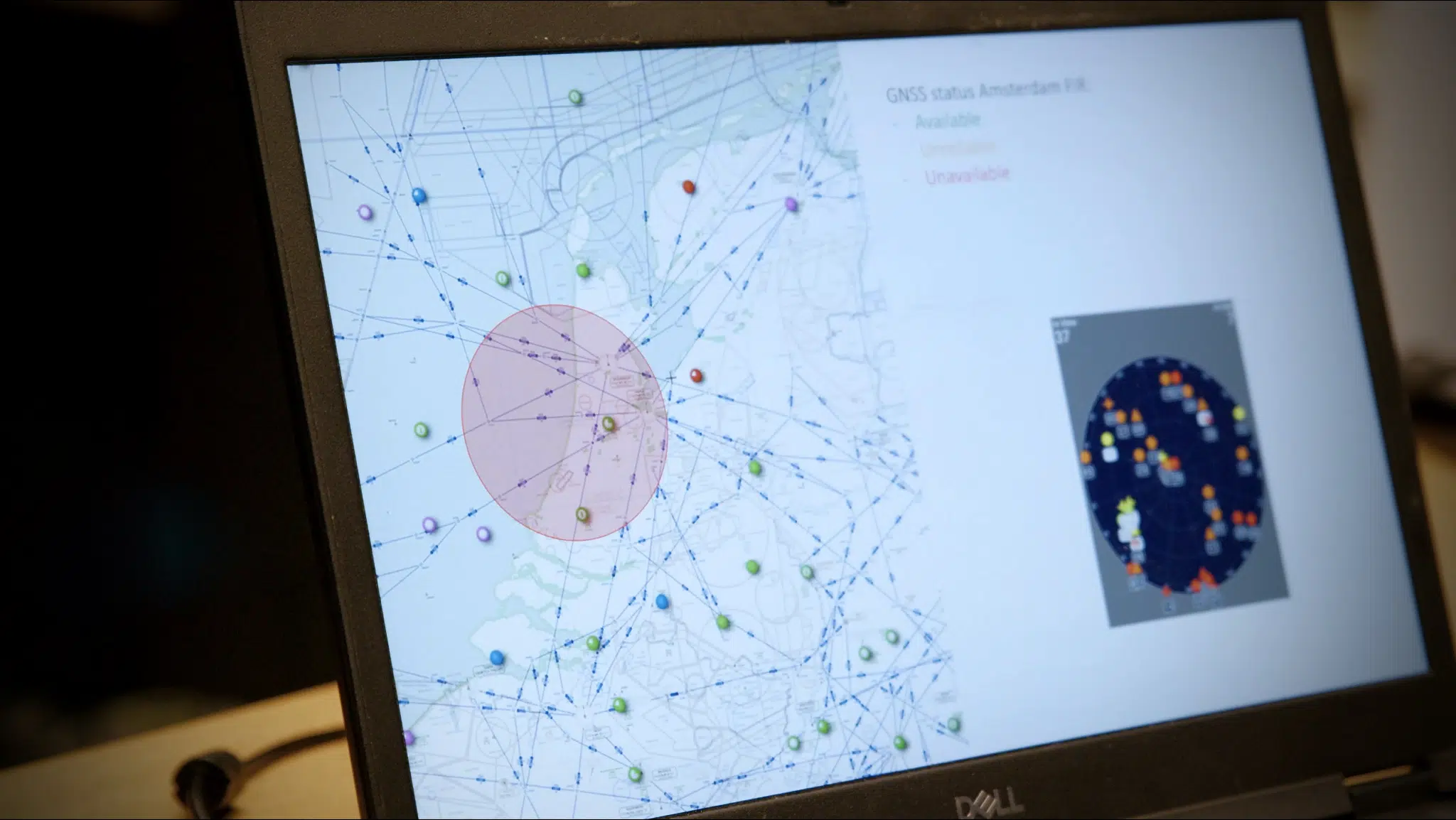
The AIRING project has investigated the increased risk of interference and spoofing for aviation, and the technical ways it can be detected or mitigated. A concept was proposed to combine technology and operational procedures, in such a way that GNSS interference can be detected and dealt with in an effective and safe way.

SymAware: Symbolic logic framework for situational awareness in mixed autonomy
Platform System Design

14 November 2023

R&D case: Symbolic logic framework for situational awareness (SymAware)

There will be a large increase in the number of aerial and ground vehicles that can operate fully autonomously or with a high level of automation requiring human intervention only in special conditions. In increasingly autonomous operations, the situation awareness, risk awareness and experience of human operators that have played such vital roles until now can no longer be counted upon.

Electric Aircraft System Integration EnableR (EASIER)
Platform System Design

20 September 2023

R&D case: Electric Aircraft System Integration EnableR (EASIER)

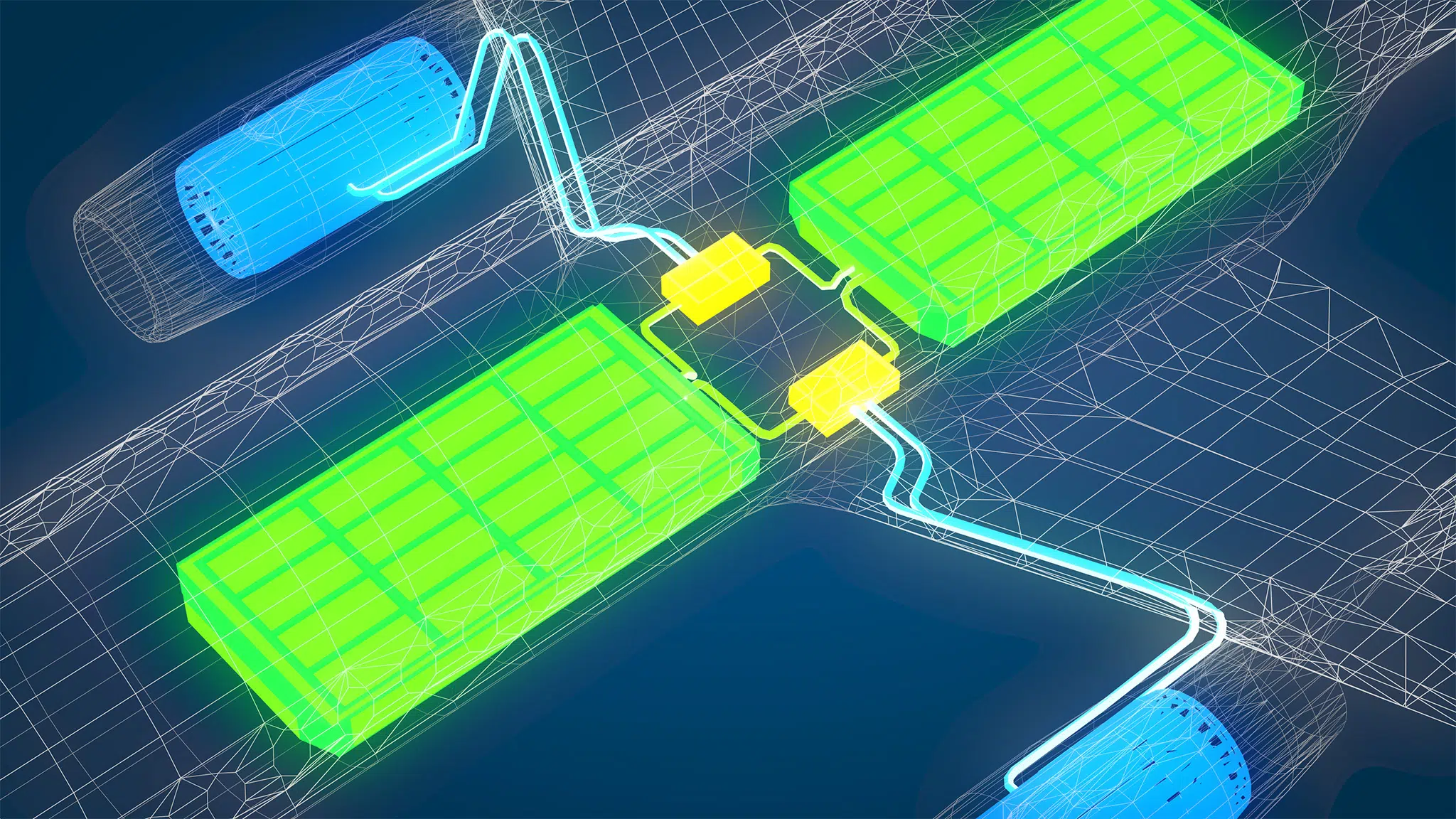
To reduce the impact of aviation on the climate, the aviation industry needs to develop solutions that drastically reduce emissions of greenhouse gases. Hybrid electric flight is one of the cornerstones of our progress towards sustainable aviation. However, the significantly increased electric power levels associated with having electric propulsion on board yield both thermal and electromagnetic challenges.

ILS at Schiphol airport
Airport Operations

14 August 2023

R&D case: ILS inspection on airports with drones

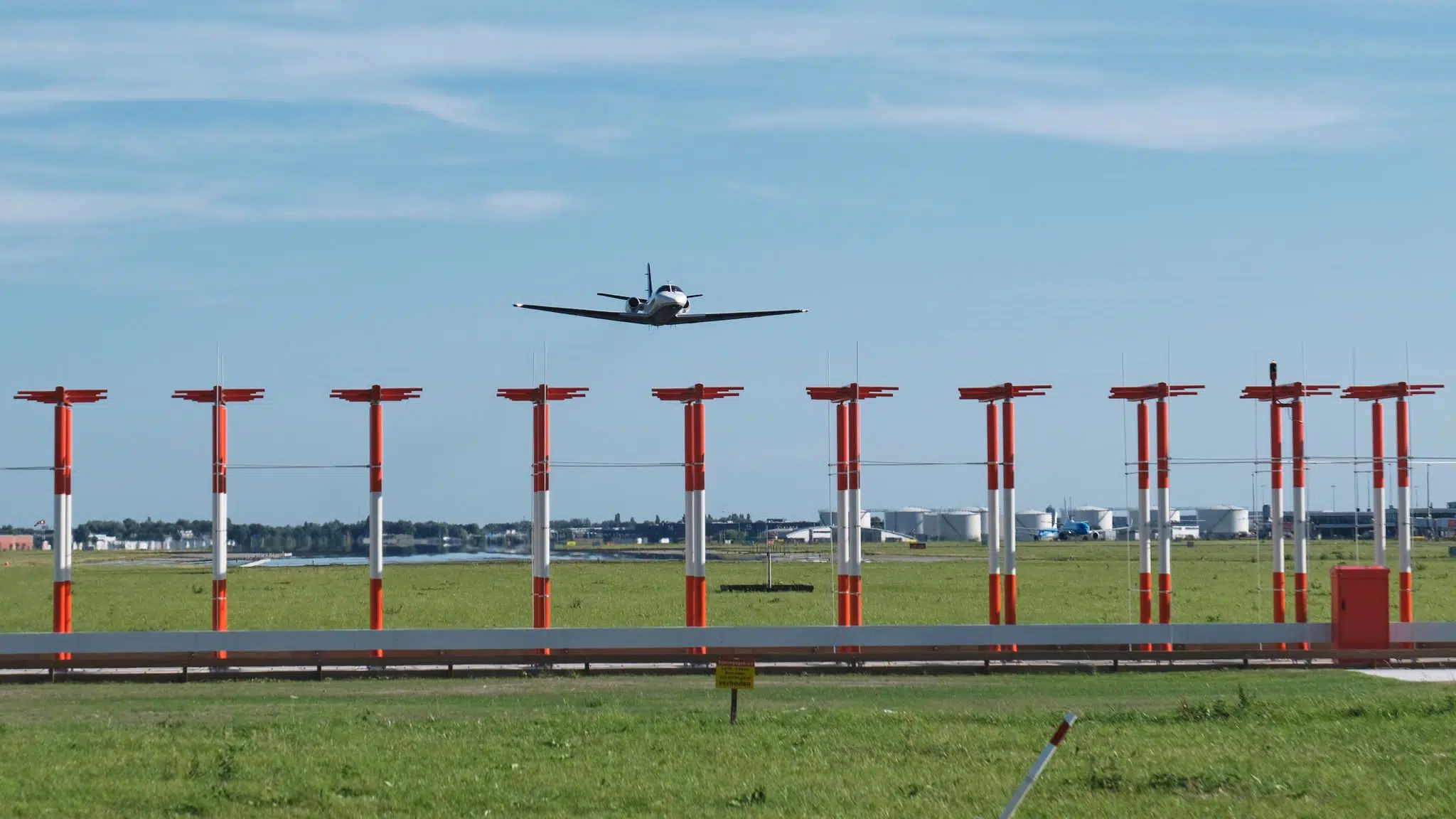
Instrument Landing Systems (ILS) at airports are periodically calibrated using an aircraft equipped with a Flight Inspection System, such as the NLR Citation II research aircraft. If the ILS works well, and the transmission is free from disturbances, some periodic measurements can be carried out from or near the ground. This comprises Reduced Flight Inspection (ReFI). The main benefits of ReFI are 65% lower calibration cost, 90% less environmental impact (noise, emissions), and higher runway availability. The ground measurements can be carried out via Drone Flight Inspection (DFI). Therefore, NLR has developed DFI.

Screenshot AURA (ATM U-space InteRfAce)
Air Traffic Management

05 June 2023

R&D case: ATM U-space interface (AURA)

The AURA (ATM U-space InteRfAce) project (SESAR 2020 project PJ34 ) investigated the development of concepts and technologies that are necessary to allow existing ATM systems and future U-space operations to interact in a safe, predictable and seamless way. One of the basic assumptions of the project is that manned and unmanned movements take place in ATM U-space Shared Airspace (AUSA). AUSA can be delegated to be either ATM or U-space controlled. U-space traffic is then segregated by geo-cages around the U-space delegated part of AUSA. Contingencies and emergencies needed to be mitigated by delegating additional AUSA volumes to U-space.