Author name: Kirsten Propitius

Exceptional drone trial near Schiphol
Air Traffic Management

26 June 2020

Blog: A flight into the future

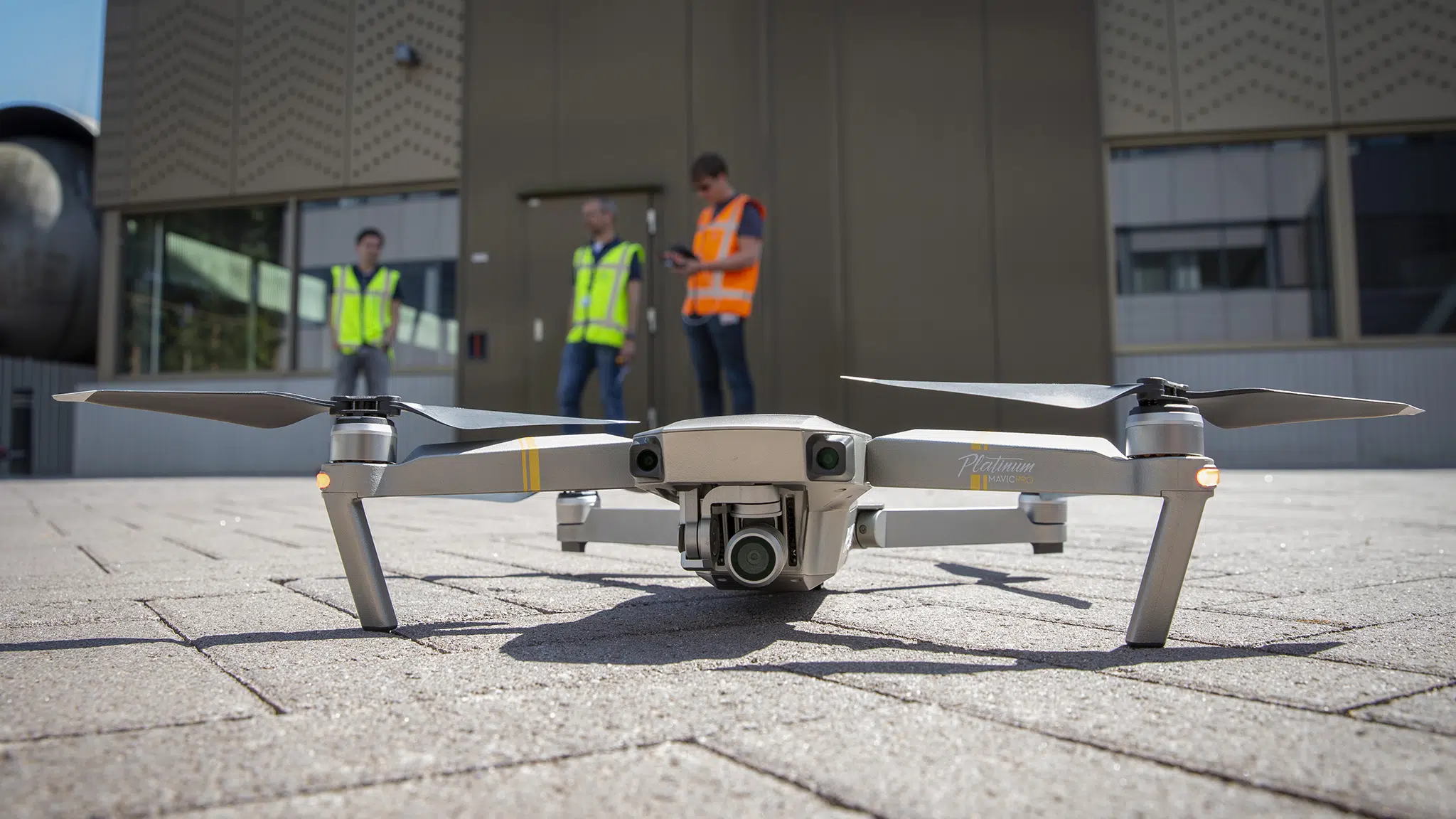
It is not a secret that the drone world is up and coming. Urban Air Mobility (UAM) and U-space are resounding terms for anyone in the aviation industry. While U-space refers to services and procedures to support drone operations and integration with manned aviation, UAM entails the application of drone operations in an urban environment.


Two airplanes against clear blue sky with contrails
Safety and Human performance

29 May 2020

Aerospace after COVID-19

The world is in the grip of the coronavirus. The human, social and economic consequences are huge. The crisis is also having an impact in the aviation sector and for Royal NLR. Michel Peters is speaking about the period after the coronavirus: survival first, followed by innovation with a new focus on ‘green recovery’.

Norwegian-Dutch research mission for radar signals
Defence and Security

21 April 2020

Norwegian-Dutch research mission for radar signals

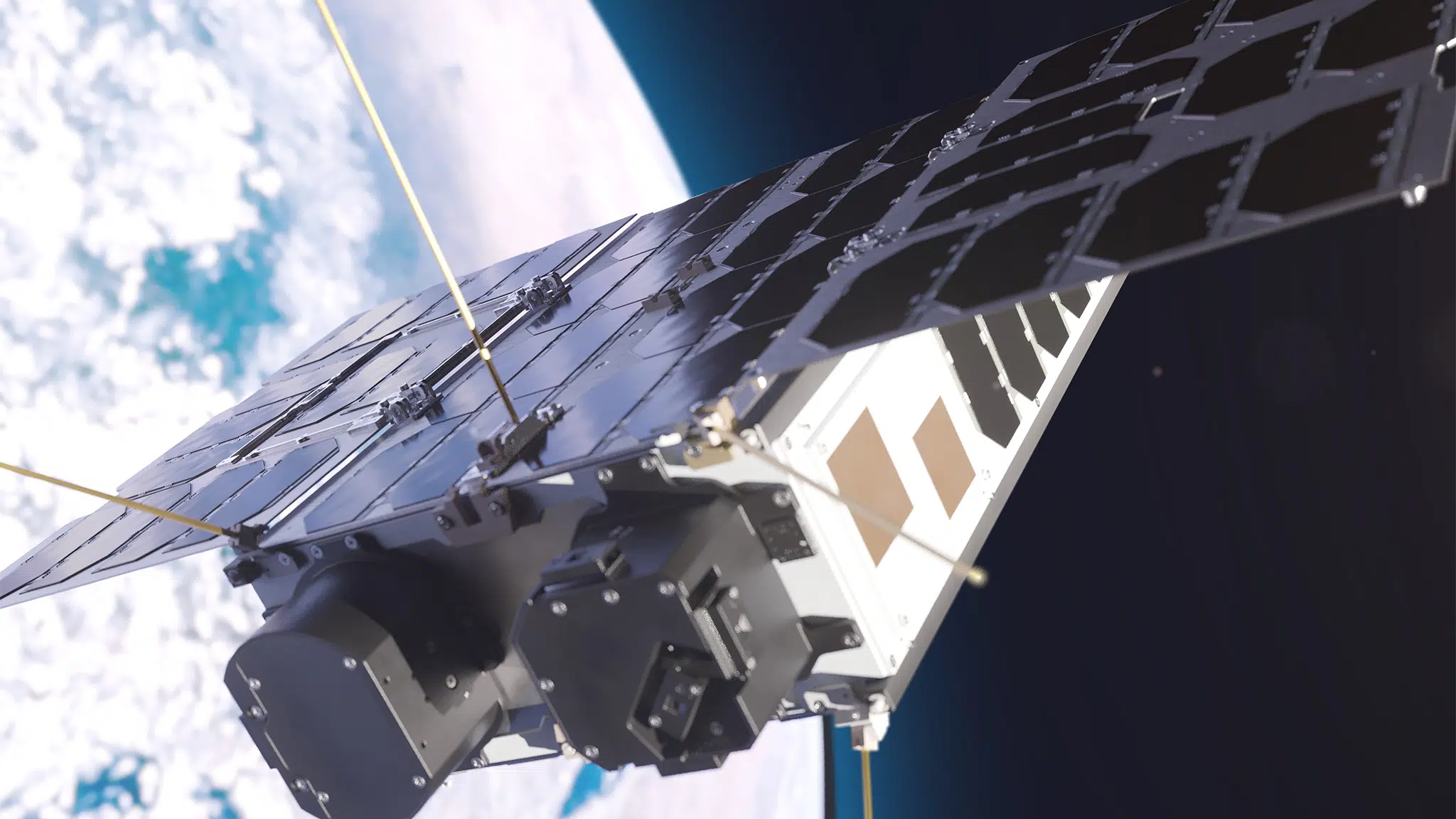
The Netherlands and Norway are developing two intelligence nanosatellites that will orbit the Earth in tandem formation. This is a bilateral research mission to investigate the sources of radar signals.

Sunset landscape with contrails
Sustainability and Environment

31 March 2020

Blog: Explaining aviation and nitrogen

Nitrogen is a complex subject that you’ve probably heard and read a lot about lately. Aviation plays a part in it and the experts at Royal NLR are working hard on the challenges this creates. We’re happy to share the knowledge we gain doing this, which is why we’ve answered various questions about this hot topic below.

Desert military vehicle aviation - USA Arizona
Sustainability and Environment

07 February 2020

Blog: A piece of cake?

Reducing emissions and curbing broader climate impact are currently hot topics in aviation, and rightly so. However, only considering flight emissions is like wanting to bake a cake, but only using one ingredient. Although essential, flight emissions do not cover the full life cycle of an aircraft. They are a limited amount of the overall energy consumption and emissions related to aviation.

Dutch Drone Delta
Air Traffic Management

04 December 2019

Facilitating MALE RPAS integration in non-segregated European airspace

NLR is performing a multi-year study in partnership with General Atomics Aeronautical Systems, Inc. (GA-ASI) and General Atomics Aeronautical Systems UK (GA-UK), to develop the procedures needed to safely and efficiently integrate Medium Altitude, Long Endurance (MALE) Remotely Piloted Aircraft Systems (RPAS) into European Airspace and to ultimately develop a data-driven Concept of Operation (CONOP) to be shared with the European regulatory community.  For the purposes of this research, the MQ-9B SkyGuardian MALE RPAS, designed and manufactured by GA-ASI, is used as an example case study. NLR is now working on the second phase of this project that is to take place from November 2019 to end 2020.

3D metal printed fusee
Construction and Manufacturing

18 November 2019

Metal additive manufacturing programme for certification of critical components

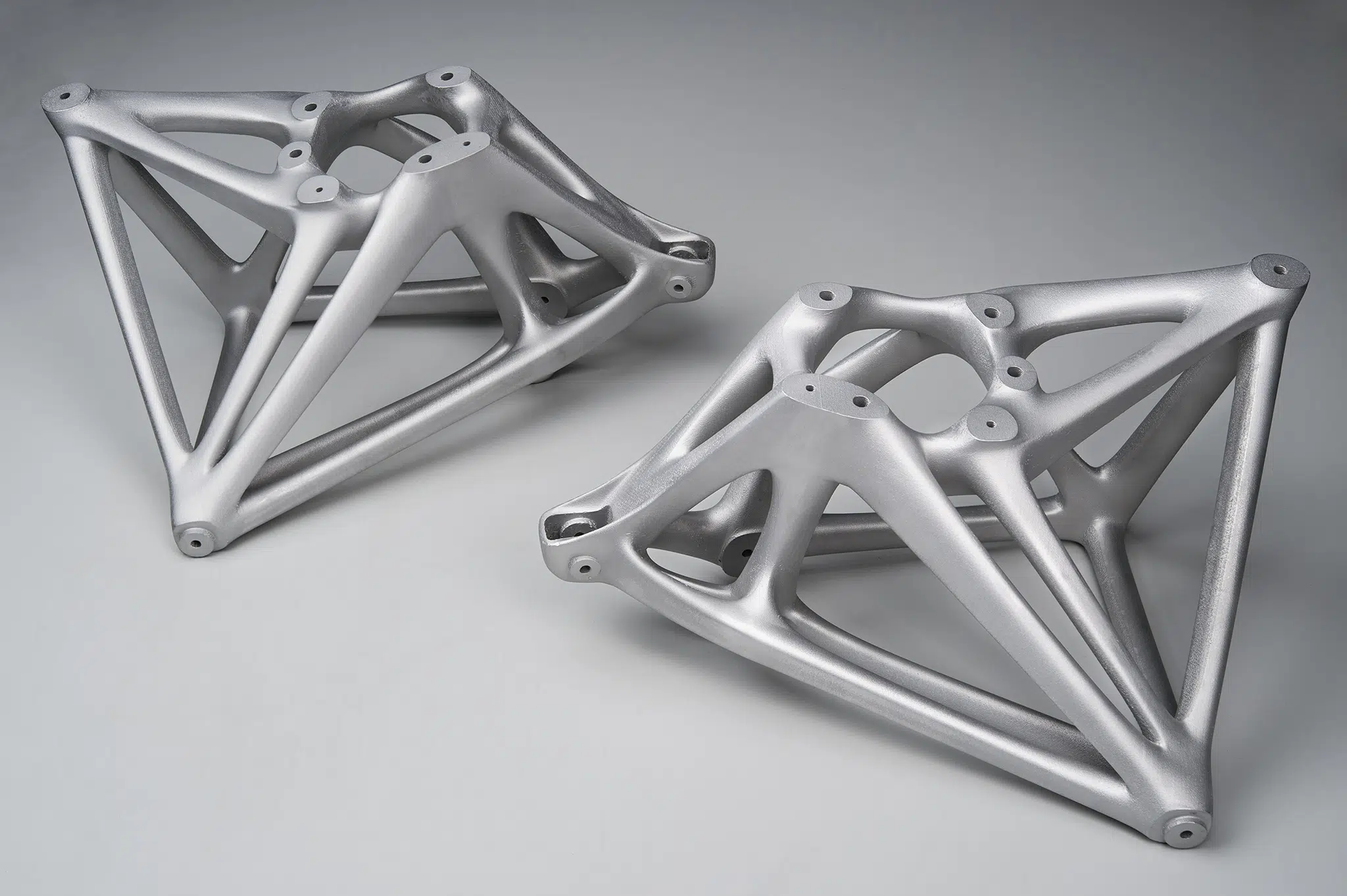
Join our Metal Additive Manufacturing certification programme. After the first successful metal Additive Manufacturing programme, the Netherlands Aerospace Centre now offers a follow-up programme to support participants in their ambition to introduce certified metal AM parts.

Integration of satellite antennas into small sized UAVs
Space Technology

10 October 2019

Beamforming antennas

Beamforming antennas (also known as phased-array or beamsteering antennas) utilize a series of antenna elements that allow the antenna bundle to be controlled electronically instead of mechanically. This allows signals to be emitted in or received from the correct direction. This is an important advantage for non-fixed systems such as aircraft and satellites. In addition, the radiation diagram can be adjusted so that the antenna sends or receives in one or more directions or that it receives more information or emits more energy in one specific direction than another. Because they are controlled electronically, beam-forming antennas are less vulnerable and do not require mechanical maintenance.