

Newsroom
Filter
Stay up to date with the latest developments
Welcome to our Newsroom. Here you can find the latest news, articles, and blogs from NLR. We also showcase a range of videos and publications here. For more video content, please visit our YouTube channel, NLRmedia. The NLR Repository provides access to our public library of NLR reports.
30 September 2026
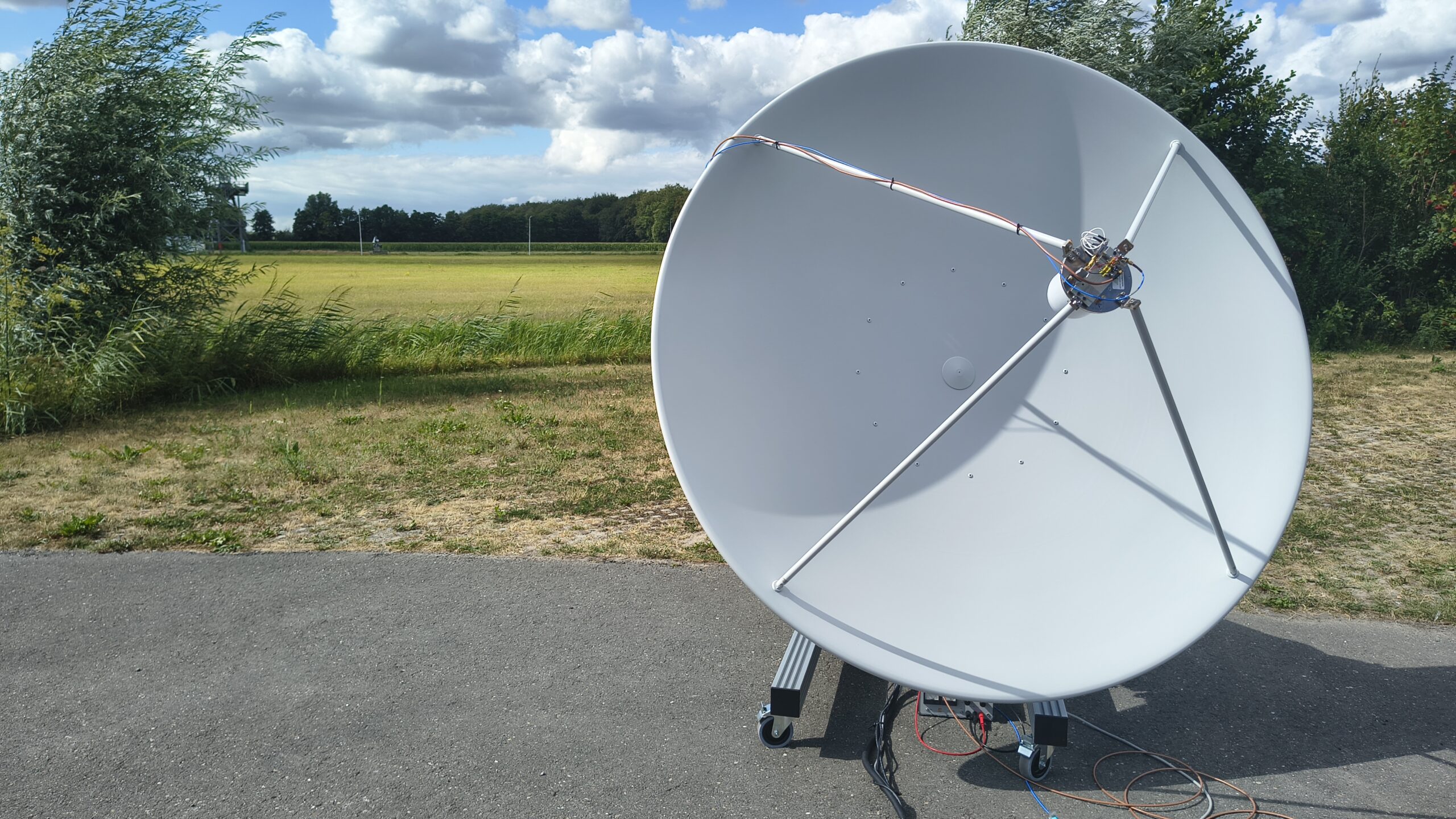
R&D case: Space Situational Awareness for a safer space environment
The use of the space domain is becoming increasingly important, leading to a surge in satellite launches for various purposes. Currently, around 35,000 space objects larger than 10 cm are being monitored, including approximately 18,500 active satellites, in order to predict close encounters, detect anomalies, and avoid collisions. Understanding the orbital mechanics and characteristics of these objects is vital to ensure a safe and sustainable future space environment. This is the focus of Space Situational Awareness (SSA).

18 September 2026
Booklet: Overview space capabilities
Royal NLR works closely with industry and government to design satellites, payloads and launchers systems, as well as subsystems, such as thermal control systems, electronics and antennas. We also invest in state-of-the-art facilities to accelerate our research and develop new space capabilities by leveraging our expertise in aerospace-qualified lightweight composite structures, multi-metal additive manufacturing, and the effective use of Earth observation and satellite navigation data for both civil and military applications.
11 February 2022
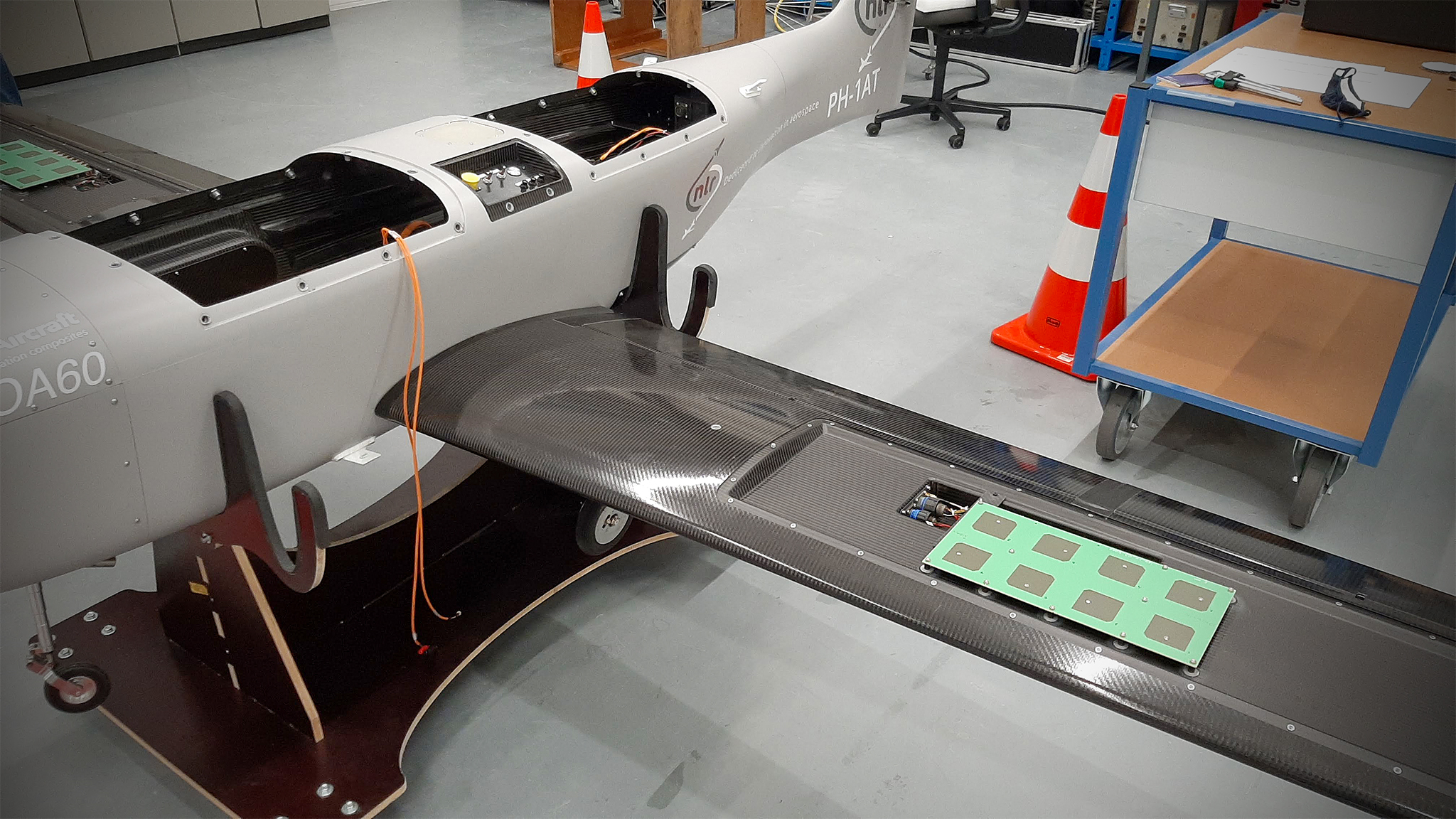
R&D case: ISABELLE integrated steerable antenna for drones
Integrated Steerable Antenna for Beyond Visual Line-of-sight L-band data Exchange (ISABELLE)
31 August 2021
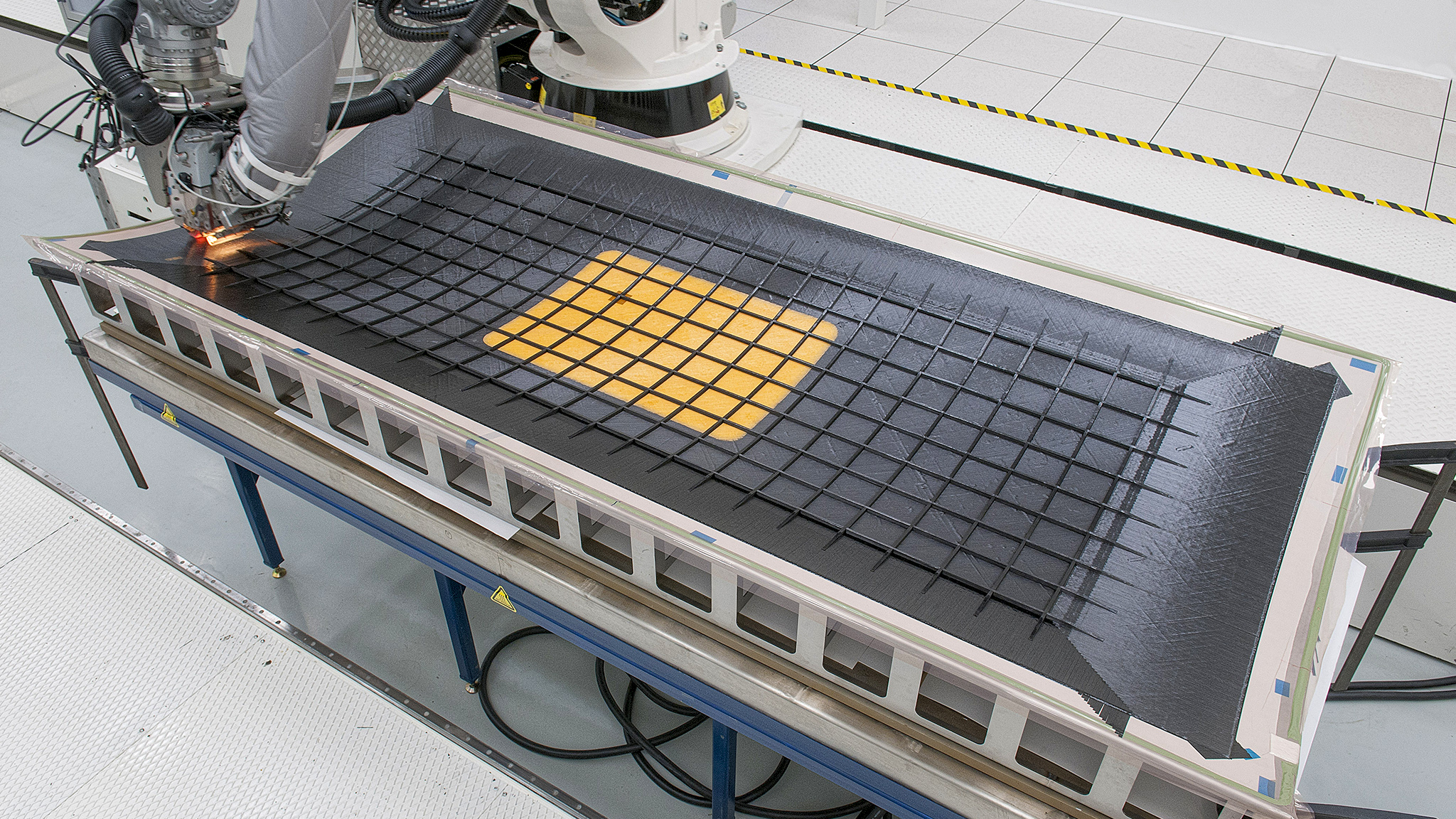
R&D case: Integrated antennas for aerostructures (ACASIAS)
Advanced Concepts for Aero-Structures with Integrated Antennas and Sensors (ACASIAS). The European ACASIAS project will be reducing the energy consumption of aeroplanes in the future by improving their aerodynamic performance. NLR, together with Fokker Aerostructures, is investigating smarter ways of using parts of the fuselage by adding functions to them, such as building in a beamforming antenna.

10 October 2019
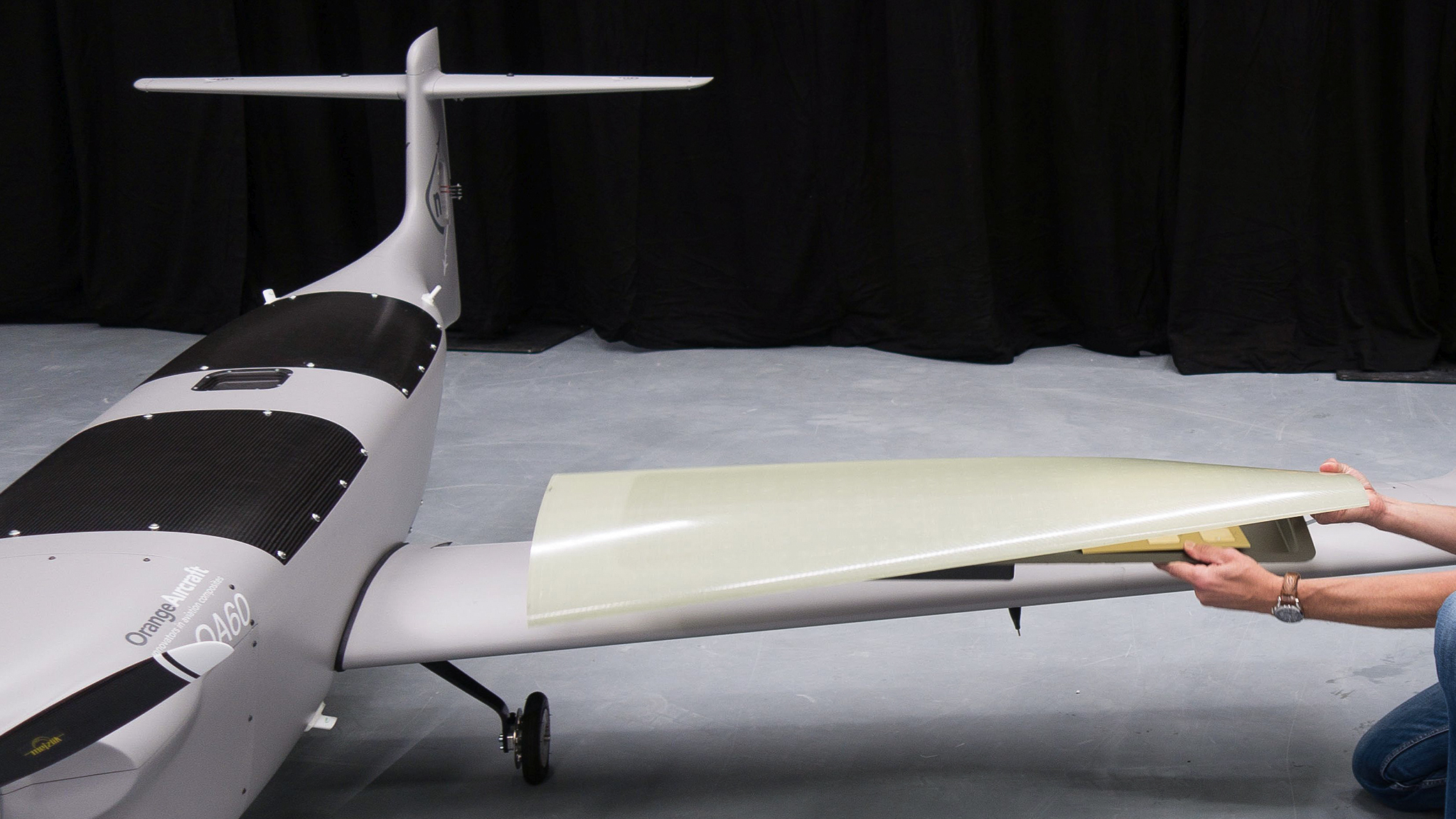
Beamforming antennas
Beamforming antennas (also known as phased-array or beamsteering antennas) utilize a series of antenna elements that allow the antenna bundle to be controlled electronically instead of mechanically. This allows signals to be emitted in or received from the correct direction. This is an important advantage for non-fixed systems such as aircraft and satellites. In addition, the radiation diagram can be adjusted so that the antenna sends or receives in one or more directions or that it receives more information or emits more energy in one specific direction than another. Because they are controlled electronically, beam-forming antennas are less vulnerable and do not require mechanical maintenance.
Sign up for the NLR newsletter to receive our latest news, recent developments, new insights, reports and whitepapers, as well as our calendar of upcoming trade fairs and events.