11 February 2022
R&D case: Cubesat thermal modelling
CubeSat thermal modelling - Applying ESATAN-TMS for the cubesat industry
11 February 2022
CubeSat thermal modelling - Applying ESATAN-TMS for the cubesat industry
08 November 2021
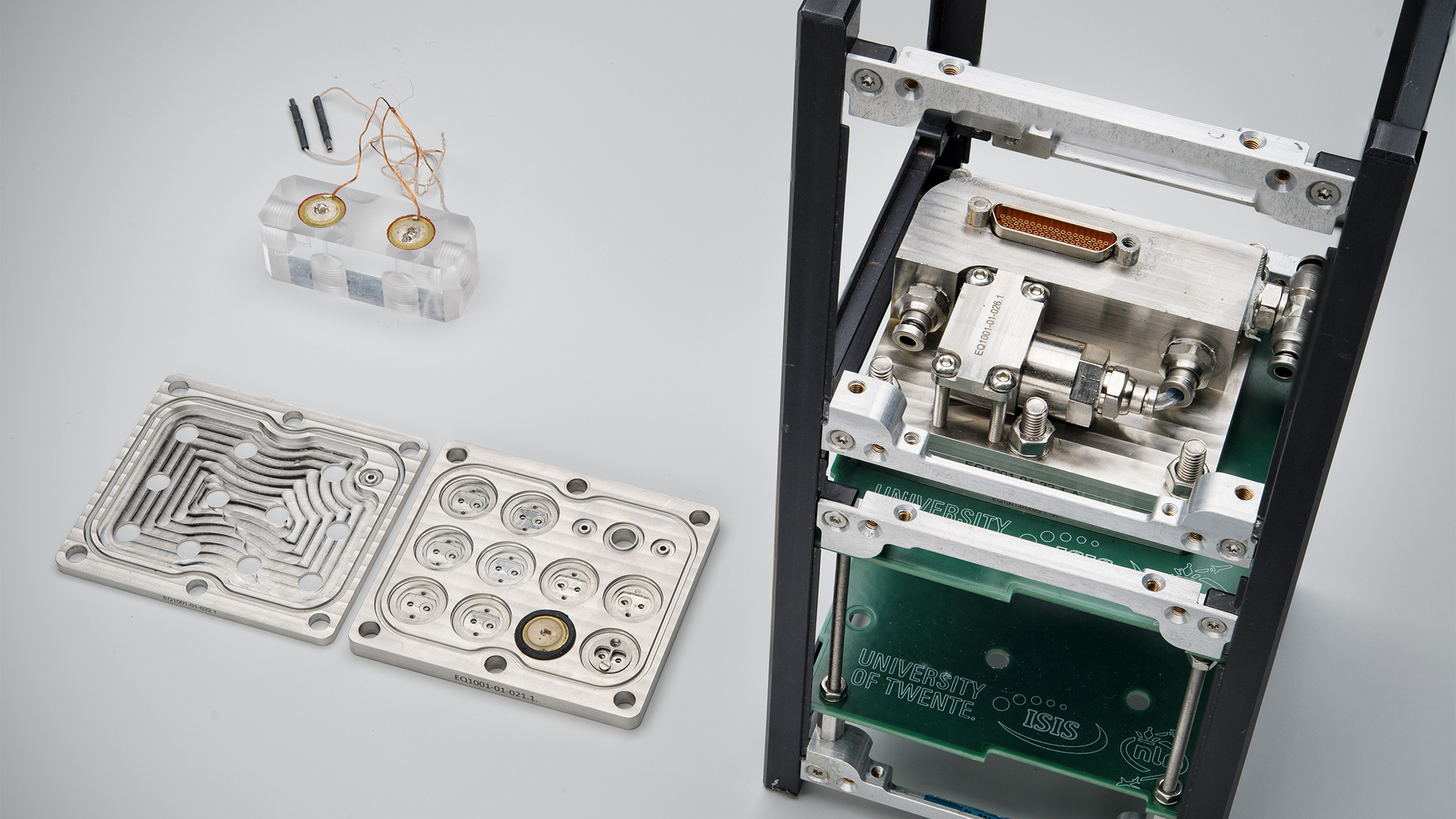
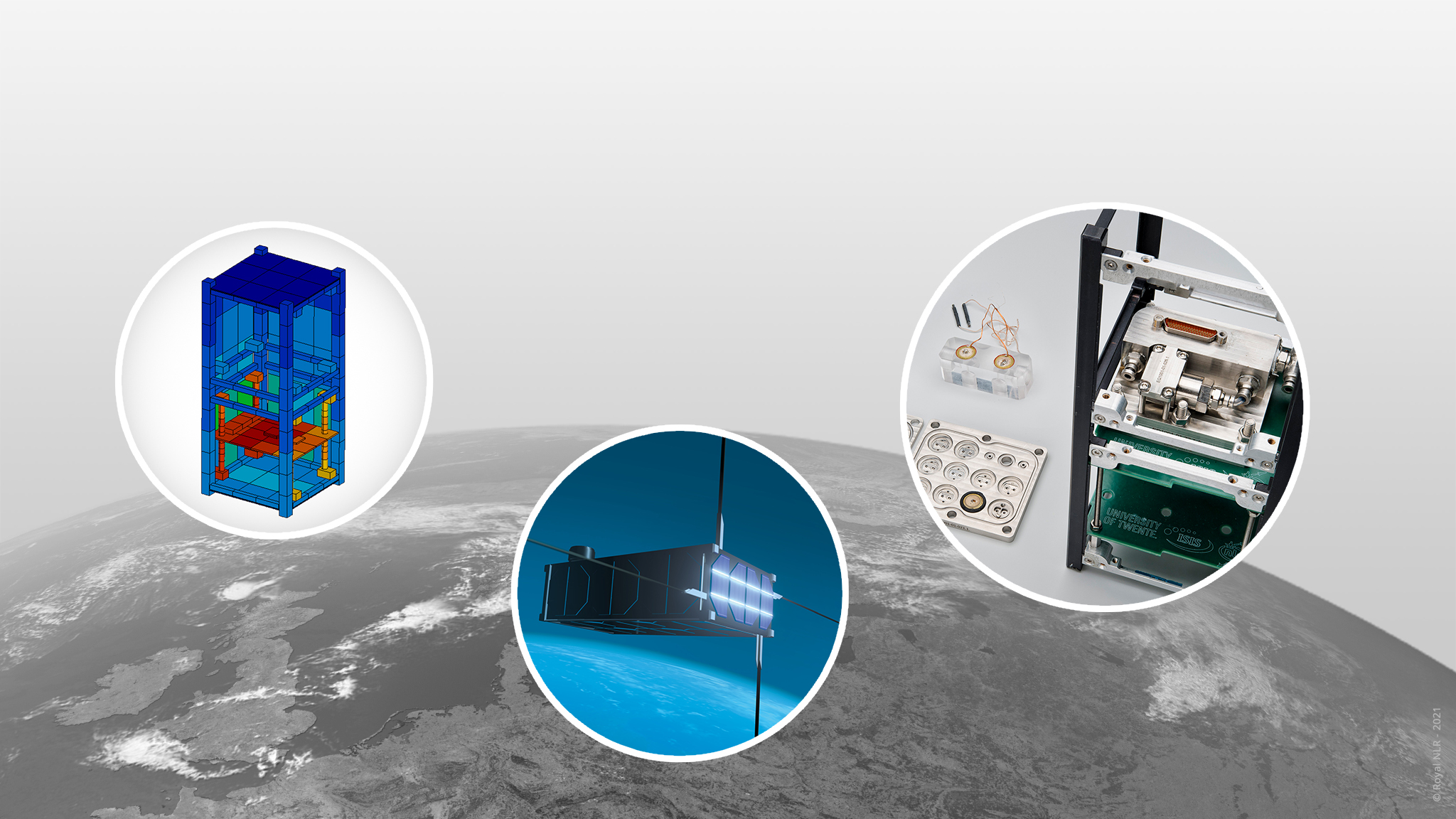
From defence to telecommunications and Earth observation to space exploration, CubeSats have become a critical tool in expanding our horizons. But as the technical demands of the domain increase, power densities and subsequent temperatures are also on the rise. To help keep these temps in check, NLR and ISISpace have joined forces to keep these satellites, and their system engineers, cool.
22 July 2021
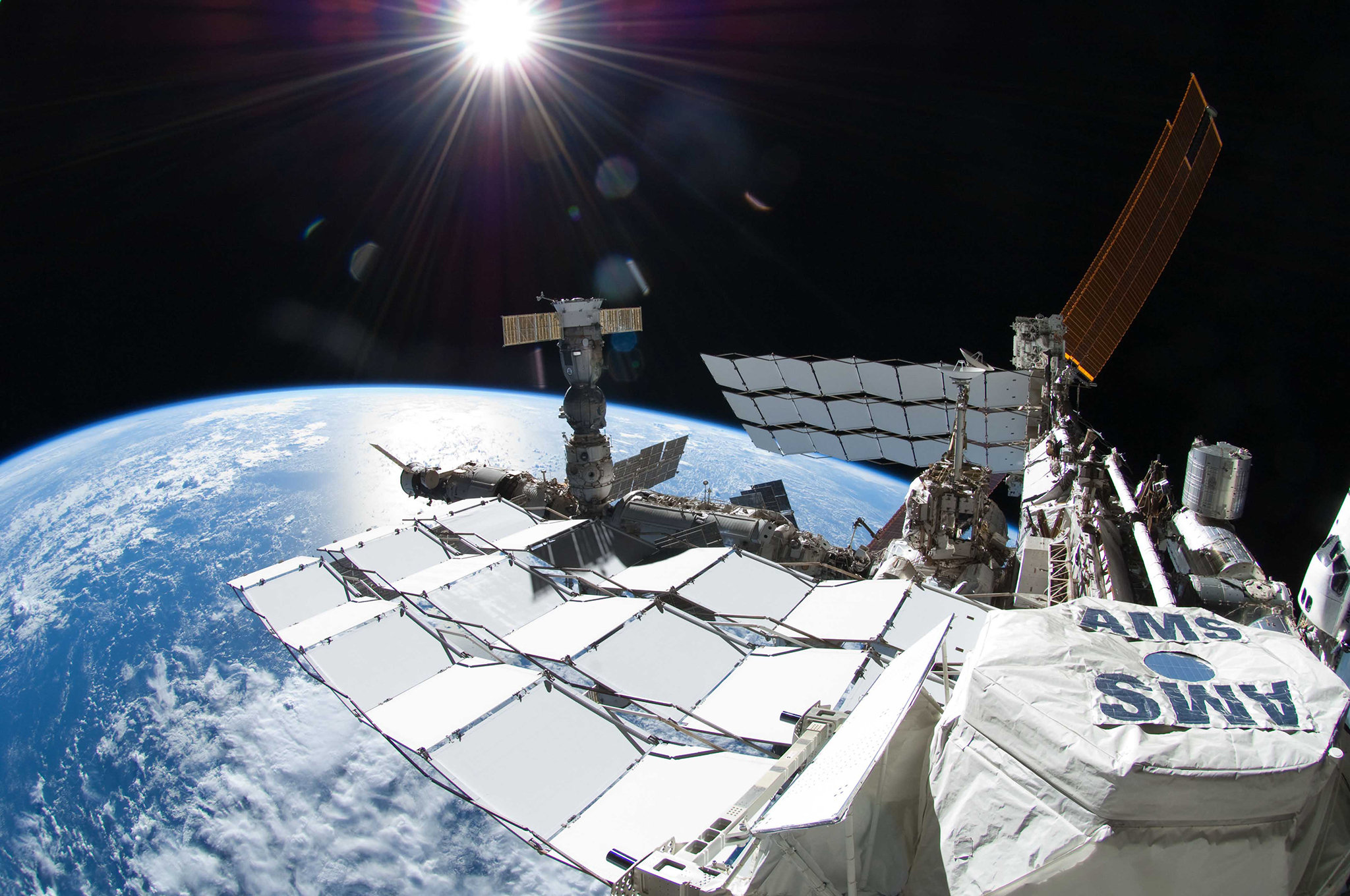
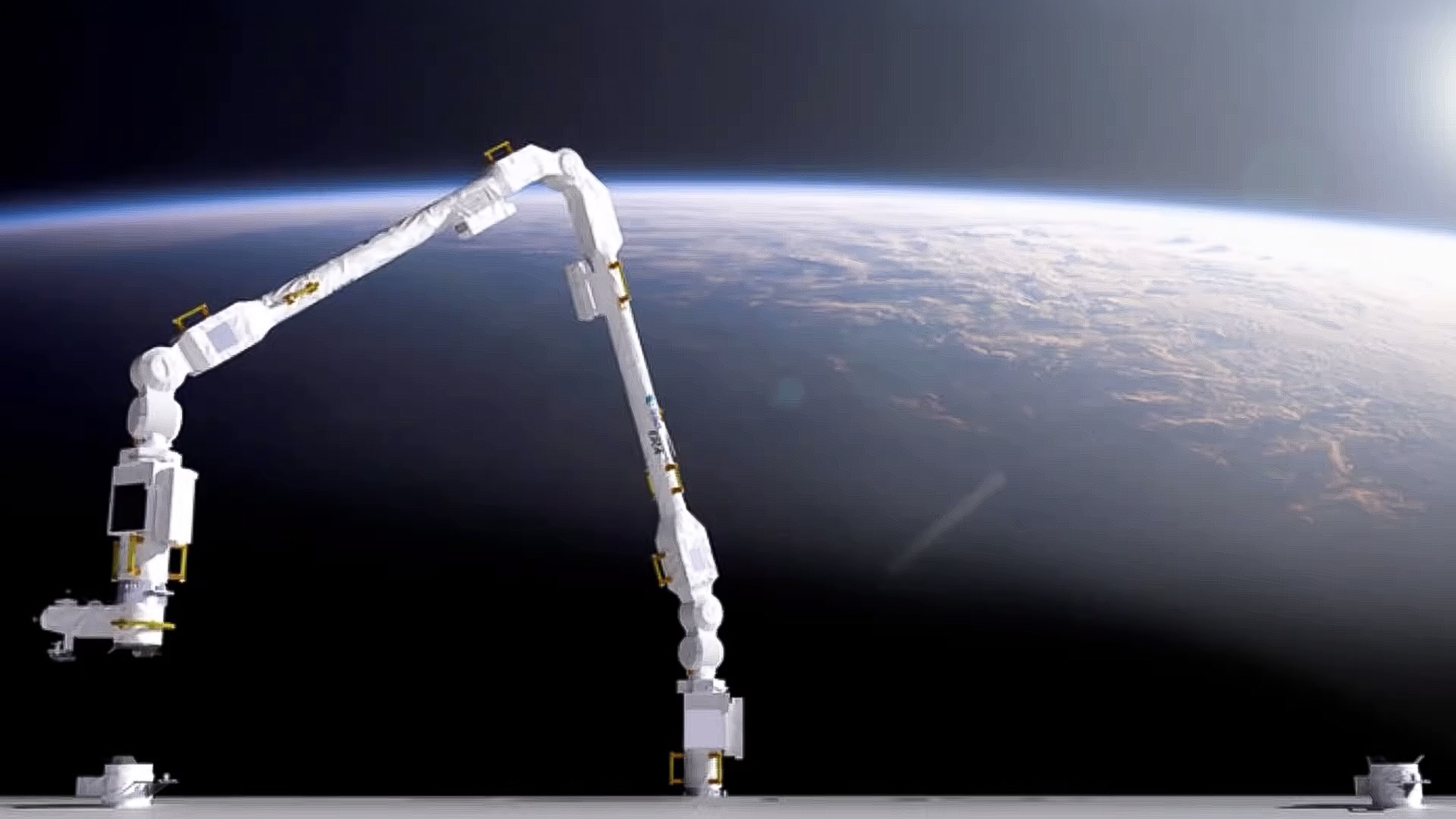
The Russian rocket has been launched successfully from Baikonur Cosmodrome on 21 July. The cargo, which includes the European Robotic Arm, is underway to the international space station, ISS. After many years of postponements, the Mission Preparation and Training Equipment that NLR developed will then finally have proved its worth.
12 July 2021
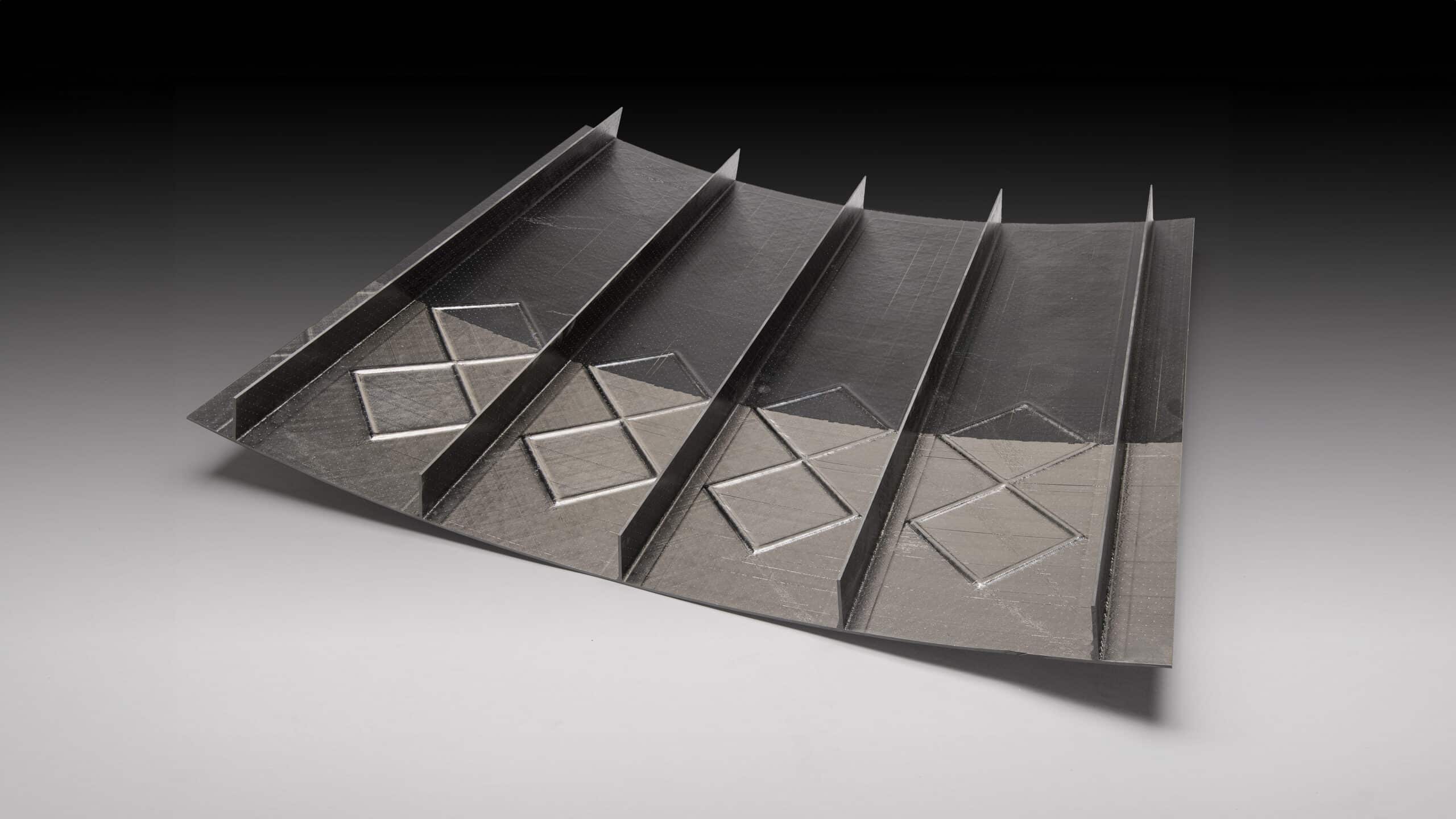
Optimising the engine thrust frame of the Ariane 6 launcher. The Ariane 6 Launcher will enter a very competitive commercial launcher market. New entrants to this market have reduced the launch price per unit mass payload by half (50%). Compared to Ariane 5 the production costs of the Ariane 6 launcher should be reduced by at least 50%.
09 March 2021
By 2035, the Dutch Ministry of Defence needs to be a smart and technologically advanced organisation that takes action based on the best information. Not only on land and sea and in the air: according to the new Defence Vision, threats are also affecting the cyber and space domains. Michel Keuning, on behalf of SpaceNed, and Peter Huis in ’t Veld of NIDV are pleased with this move by the Defence Department and see an important role in it for the Dutch commercial sector.
25 January 2021
According to the current planning, Virgin Orbit will launch the first Dutch military nanosatellite to orbit with its upcoming launch mid-March. This satellite is an experimental project which has been set up in a unique collaboration in commission of the Royal Netherlands Air Force (RNLAF). With this launch the Dutch Ministry of Defense (MoD) takes its first steps into the Space domain.
21 April 2020
The Netherlands and Norway are developing two intelligence nanosatellites that will orbit the Earth in tandem formation. This is a bilateral research mission to investigate the sources of radar signals.
10 October 2019
Beamforming antennas (also known as phased-array or beamsteering antennas) utilize a series of antenna elements that allow the antenna bundle to be controlled electronically instead of mechanically. This allows signals to be emitted in or received from the correct direction. This is an important advantage for non-fixed systems such as aircraft and satellites. In addition, the radiation diagram can be adjusted so that the antenna sends or receives in one or more directions or that it receives more information or emits more energy in one specific direction than another. Because they are controlled electronically, beam-forming antennas are less vulnerable and do not require mechanical maintenance.
01 October 2019
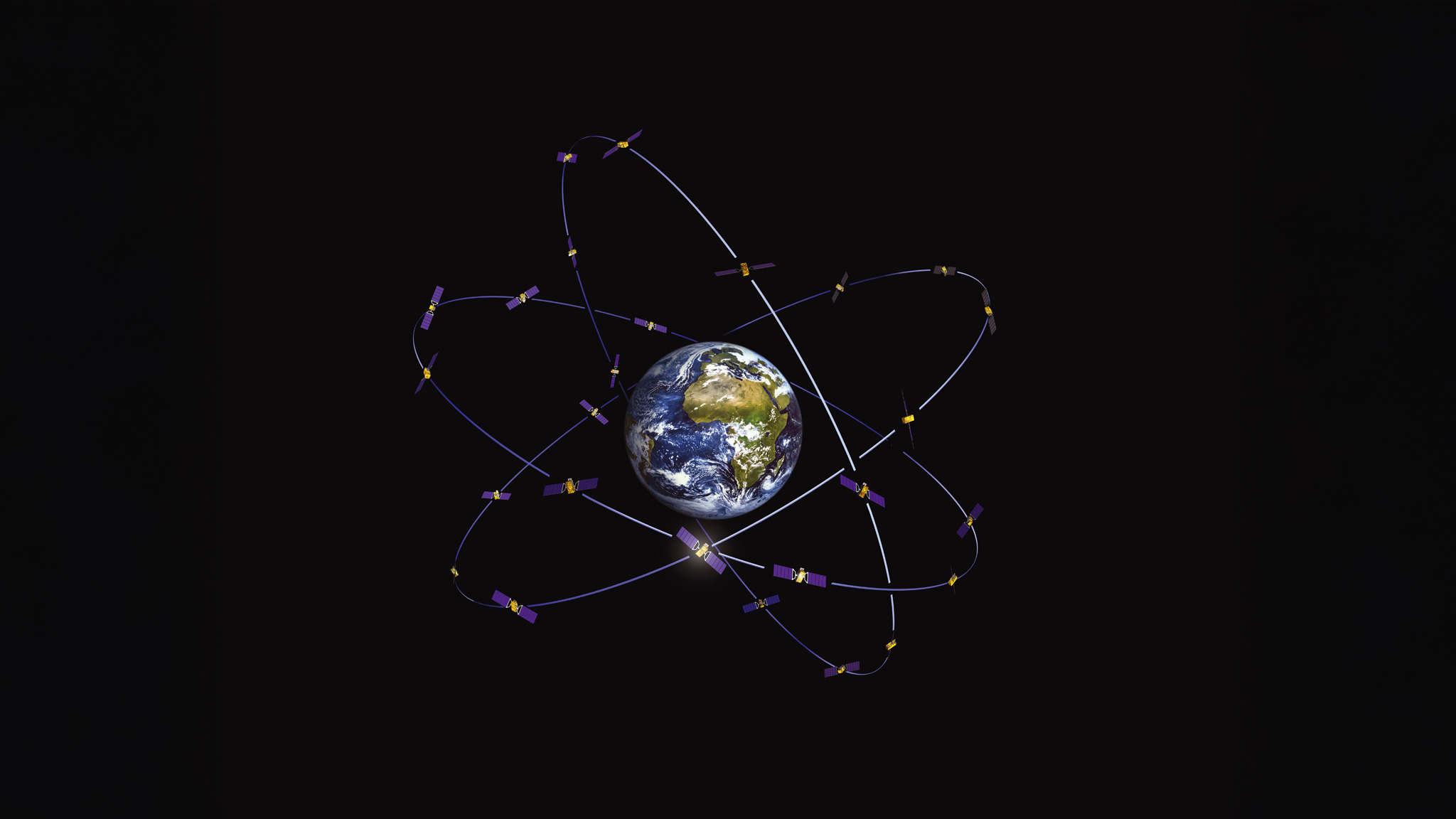
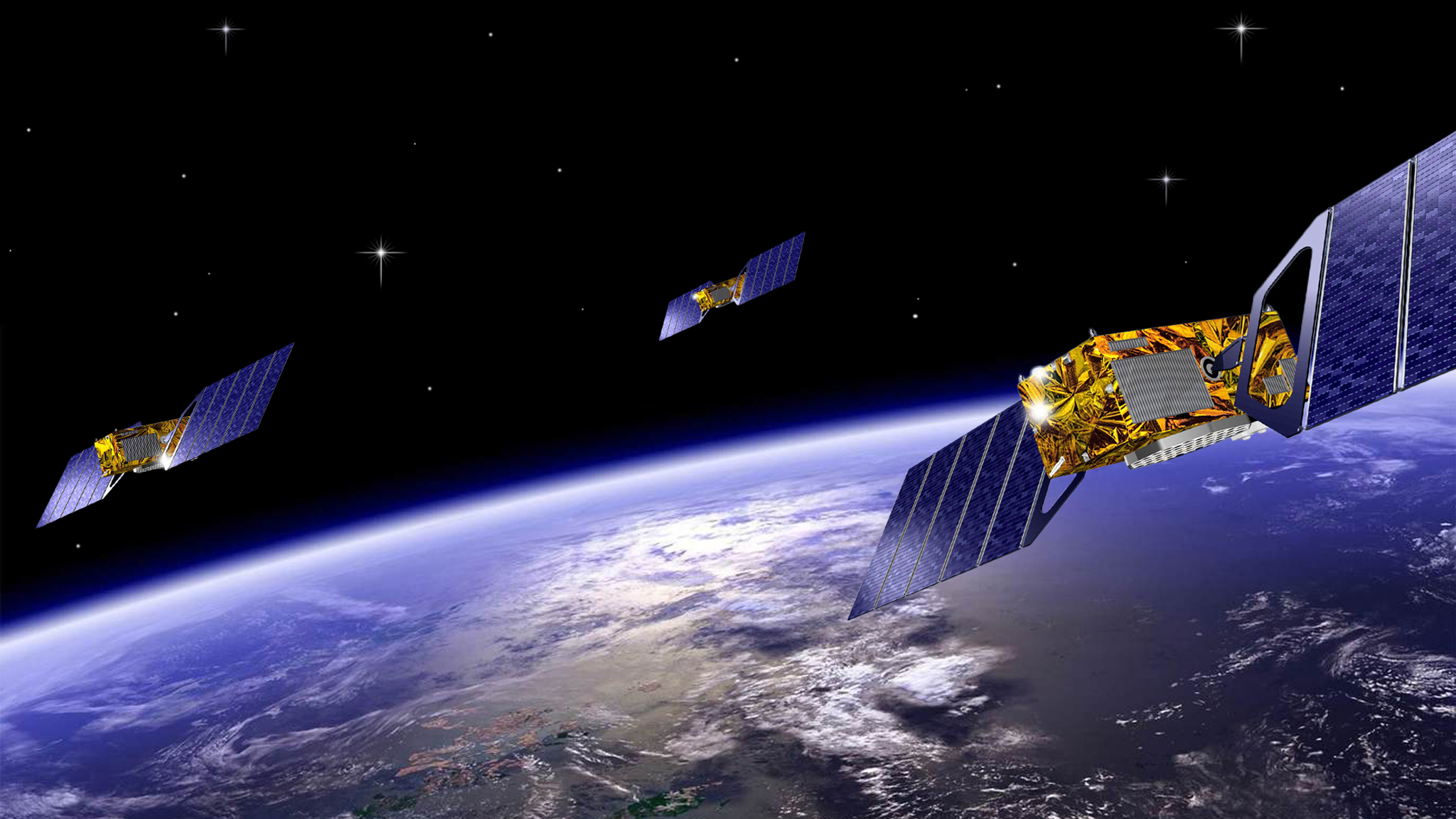
Galileo, the European satellite navigation system, provides greater accuracy in determining time and position than GPS by making use of the latest technologies and signals. Positions can be determined to an accuracy of within one metre. Every point on the Earth’s surface is covered by at least four and at most eight satellites. This civilian navigation system is available for governmental authorities, companies and the general public. It provides better support for the vital infrastructure in the Netherlands. In addition, it provides opportunities for unmanned systems such as autonomous driving, sailing and flying using e.g. drones.