NLR introduces the Trim Excitation Device for precise wind tunnel testing

2 minutes read

Recently, NLR has taken a significant step in the development of innovative technologies for the aerospace industry. With the introduction of a Trim Excitation Device (TED), we are taking a next step in the precision and accuracy of wind tunnel testing for tiltrotor aircraft. The development contributes to NLR's ambition to be an innovation leader in the field of wind tunnel testing.

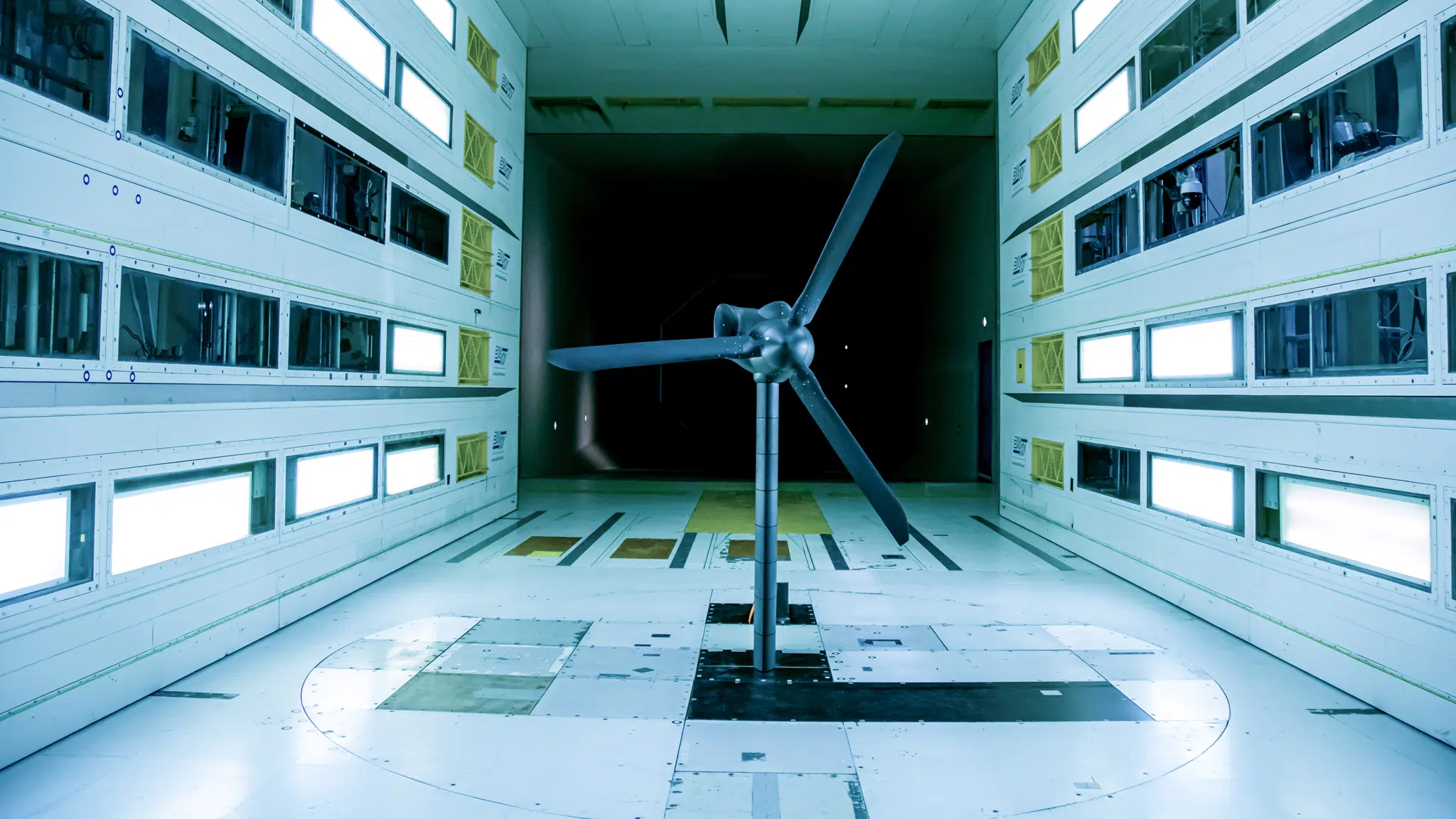
ATTILA tiltrotor whirl flutter shakedown test in DNW LLF.

One of the main drivers behind improving the design of a tiltrotor is the aeroelastic instability characterised by strongly coupled wing-rotor movements, also known as whirl flutter. This phenomenon generally limits the maximum speed that the aircraft can achieve.

Wind tunnel testing helps to understand and improve these sorts of aerodynamic properties of an aircraft. By means of scale models and wind tunnel testing, engineers can simulate and optimise the performance of an aircraft.

Reliable and precise testing

TED is an advanced device consisting of three main components: the trim (the offset), the excitation (the frequency), and the amplitude (the displacement). Since these three components are independent of each other, TED can be adapted to the specific excitation needs of each aeroelastic rotor model. This provides TED with a reliable and precise method to test and optimise flight performances under specific conditions.

The device has a robust gear system and an integrated blade spring mechanism, allowing for precise amplitude control. Furthermore, TED can simulate a wide frequency range of 1 to 25 hertz, enabling it to replicate a wide range of realistic scenarios. This enables our clients to perform tests such as whirl flutter, which can optimise flight performances.

Patent

For TED, which was developed for the ATTILA project (Advanced Testbed for TILtrotor Aeroelastics), a patent application was recently submitted with success and has now been granted in both Europe and the US. The patent enables NLR to continue utilising and valorising the unique technology behind TED in the future. With this technology and patent, NLR profiles itself as the strategic partner in the development and testing of advanced (tilt)rotor systems. This strengthens our position in the aerospace industry and contributes to the development of innovative aerospace technologies.
Read more about the patent.

Latest news

Maintenance and Repair

23 November 2026

Smart-assisted Towing: digital twin brings aircraft movements to life

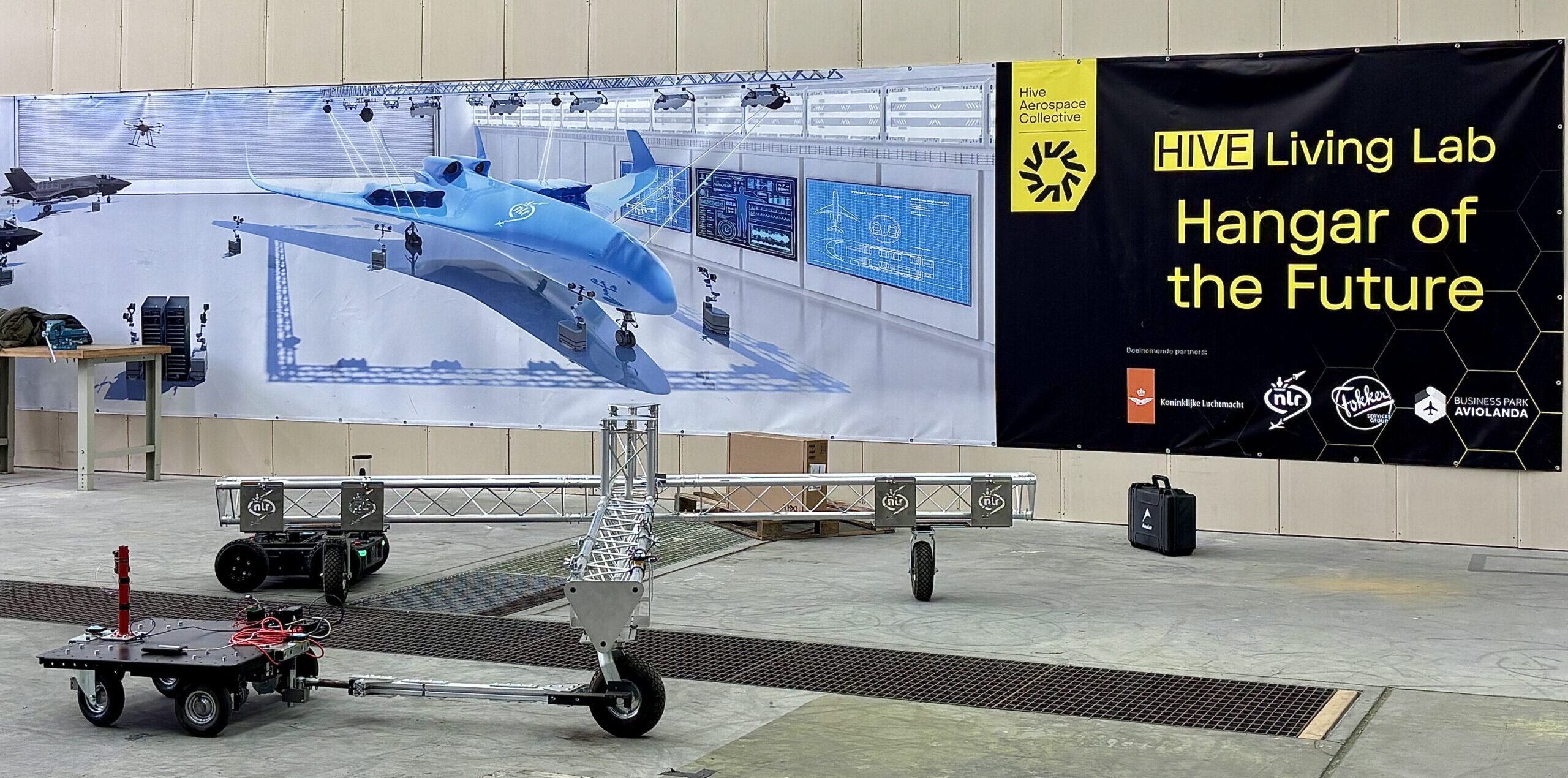
Moving an aircraft or helicopter around a maintenance hangar is a complex puzzle of limited space, obstacles and personnel. It is made even more challenging by the fact that the aircraft does not follow the exact same path as the tow vehicle during towing. Manoeuvring therefore demands constant vigilance and spatial awareness. NLR’s Smart-assisted Towing project investigated how technology can help. Its key outcome is a digital twin of the hangar that combines real-time data from various sensors and provides a digital representation of the physical environment. The driver remains in control at all times, but can make more informed decisions.

Defence and Security

20 November 2026

Dutch knowledge institutions and the Ministry of Defence team up for innovation

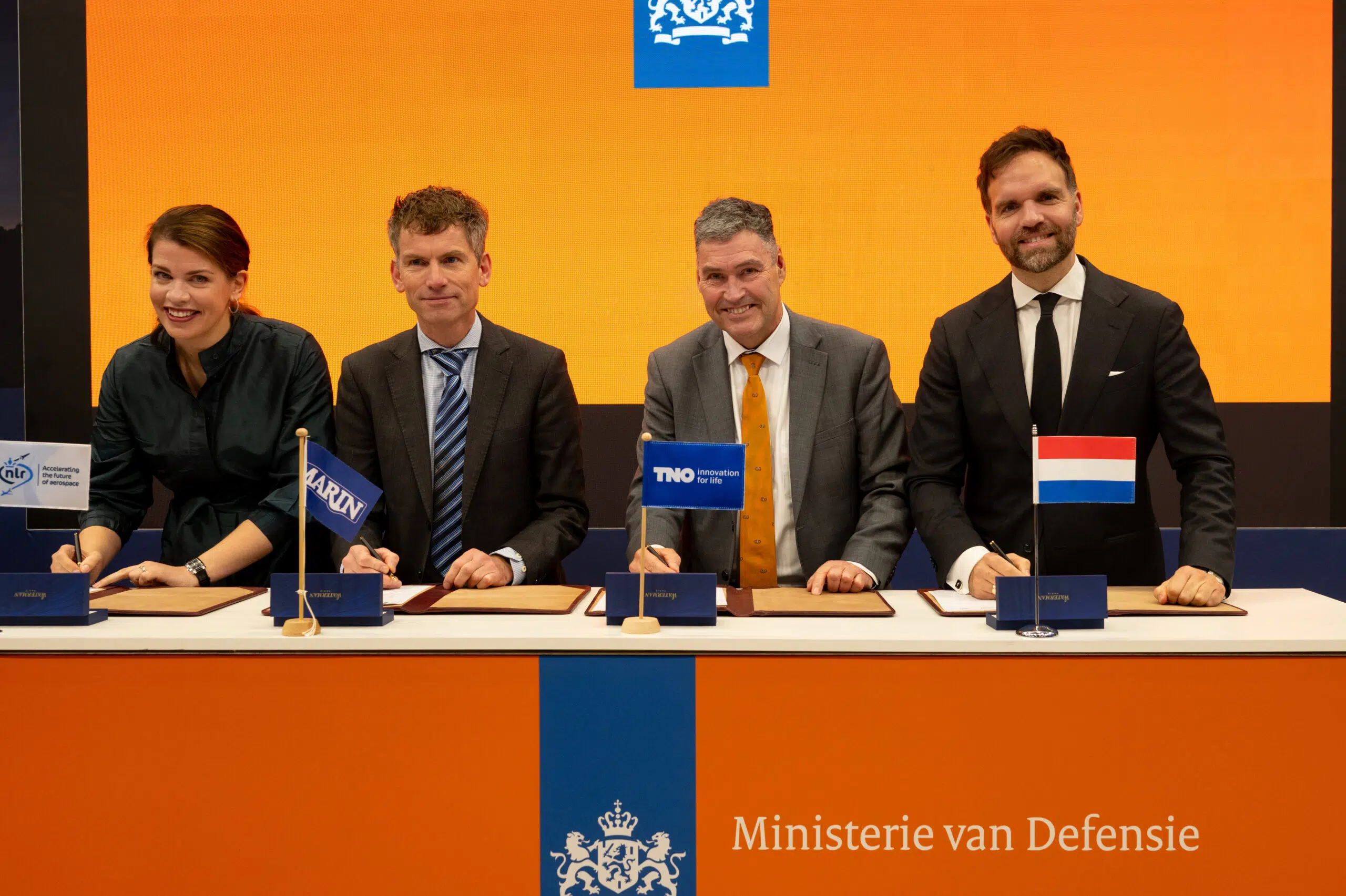
The three knowledge institutions NLR, TNO, MARIN, and the Dutch Ministry of Defence have agreed to further strengthen their collaboration during the NEDS 2026 exhibition in Rotterdam. The agreement was signed by State Secretary of Defence Derk Boswijk, NLR’s CEO Tineke van der Veen, TNO’s COO Sebo Hofkamp, and MARIN’s Managing Director Olaf Waals.

Defence and Security

20 November 2026

NLR and Bell pledge to strengthen their partnership

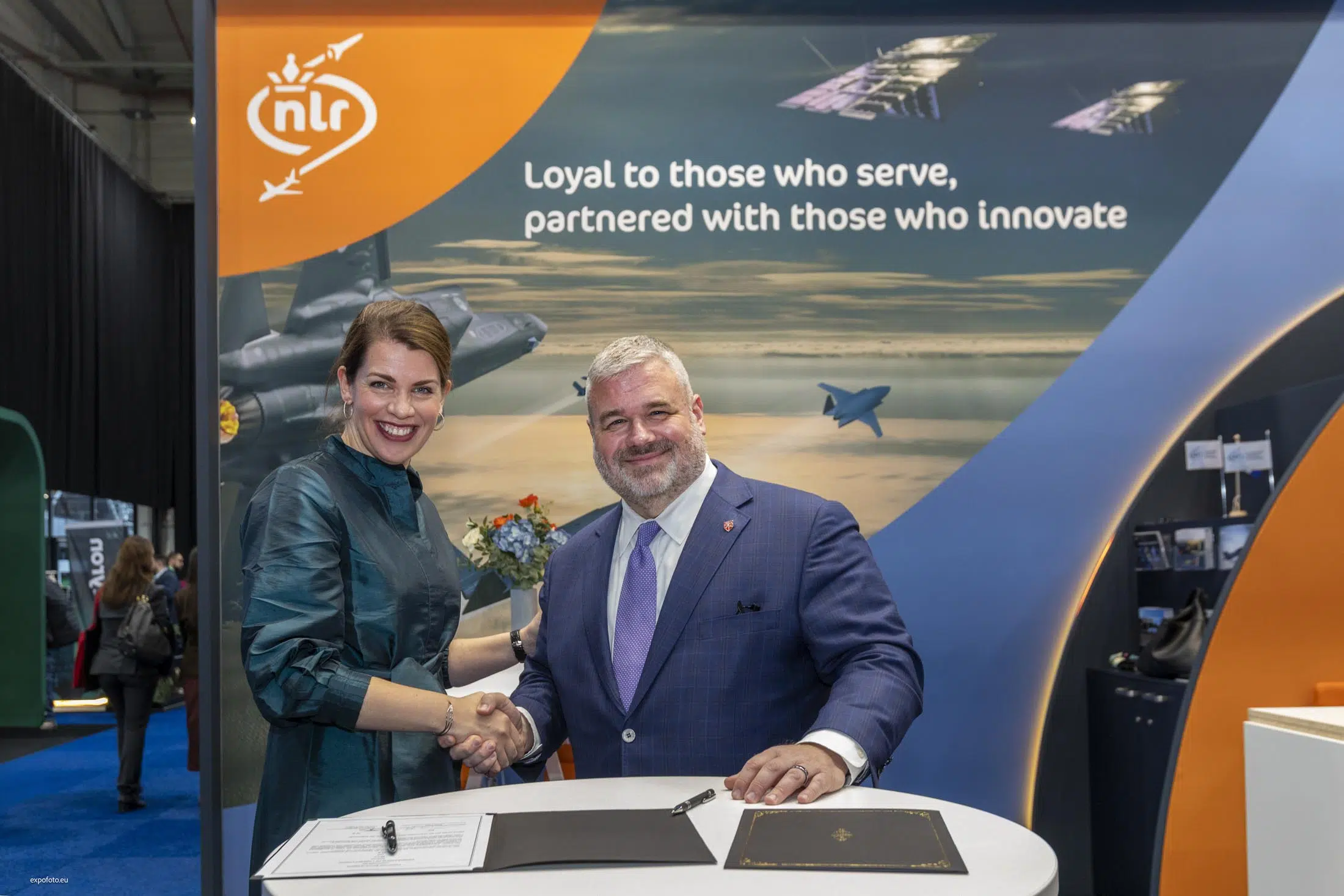
The Royal Netherlands Aerospace Centre (NLR) and the American company Bell Textron Inc. signed a Memorandum of Understanding (MoU) today at the annual NIDV Exhibition for Defence and Security (NEDS) in Rotterdam. With the agreement NLR and Bell pledge to explore collaborative opportunities in aerospace technologies with potential participation of Dutch industry and their innovative ideas to current and future Bell platforms.