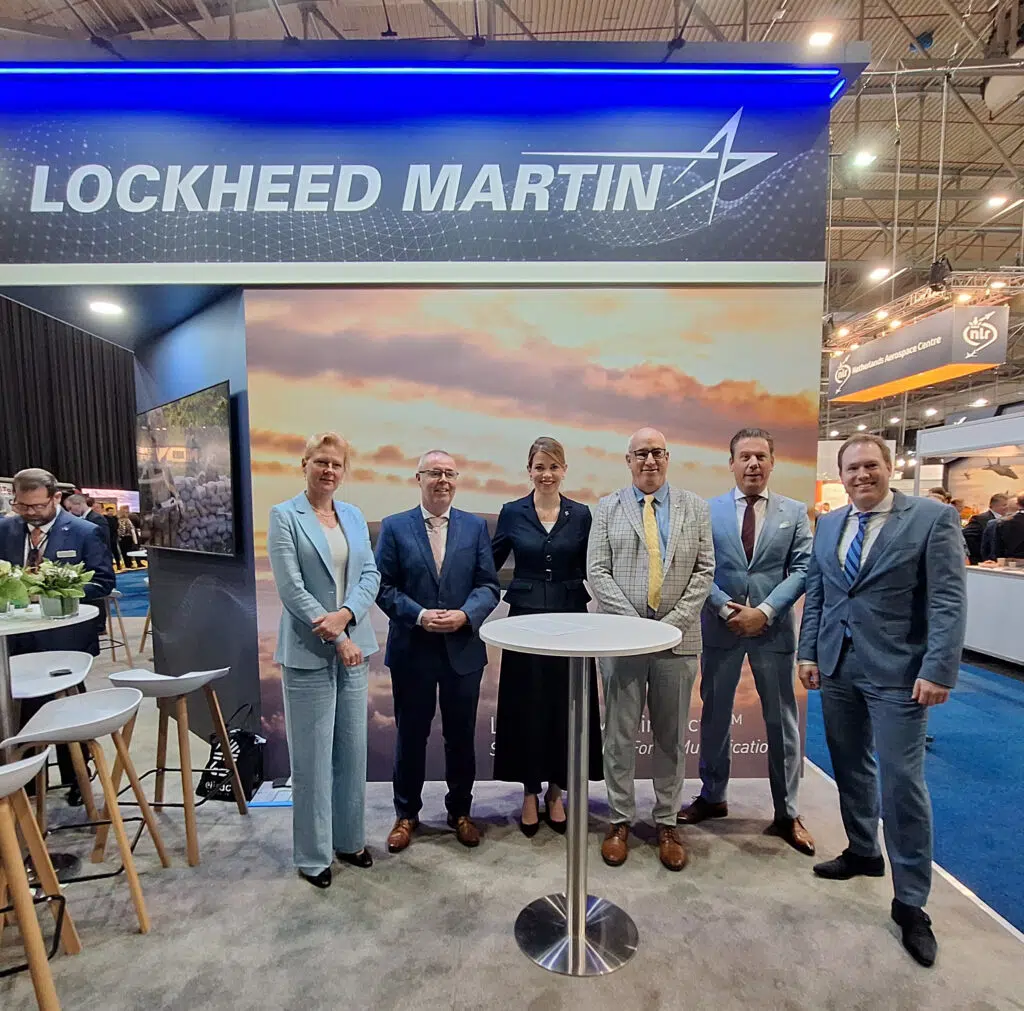
Royal NLR – Netherlands Aerospace Centre is proud to announce it’s been awarded a contract by Lockheed Martin to investigate the advantages of small crack theory under an Industrial Participation Program, marking another example of the continued collaboration between Lockheed Martin and Dutch Industry.
This project will enhance Dutch industry in supporting military aircraft with the latest technologies. It also reinforces the importance of international collaboration and a strong Industrial Participation partnership.
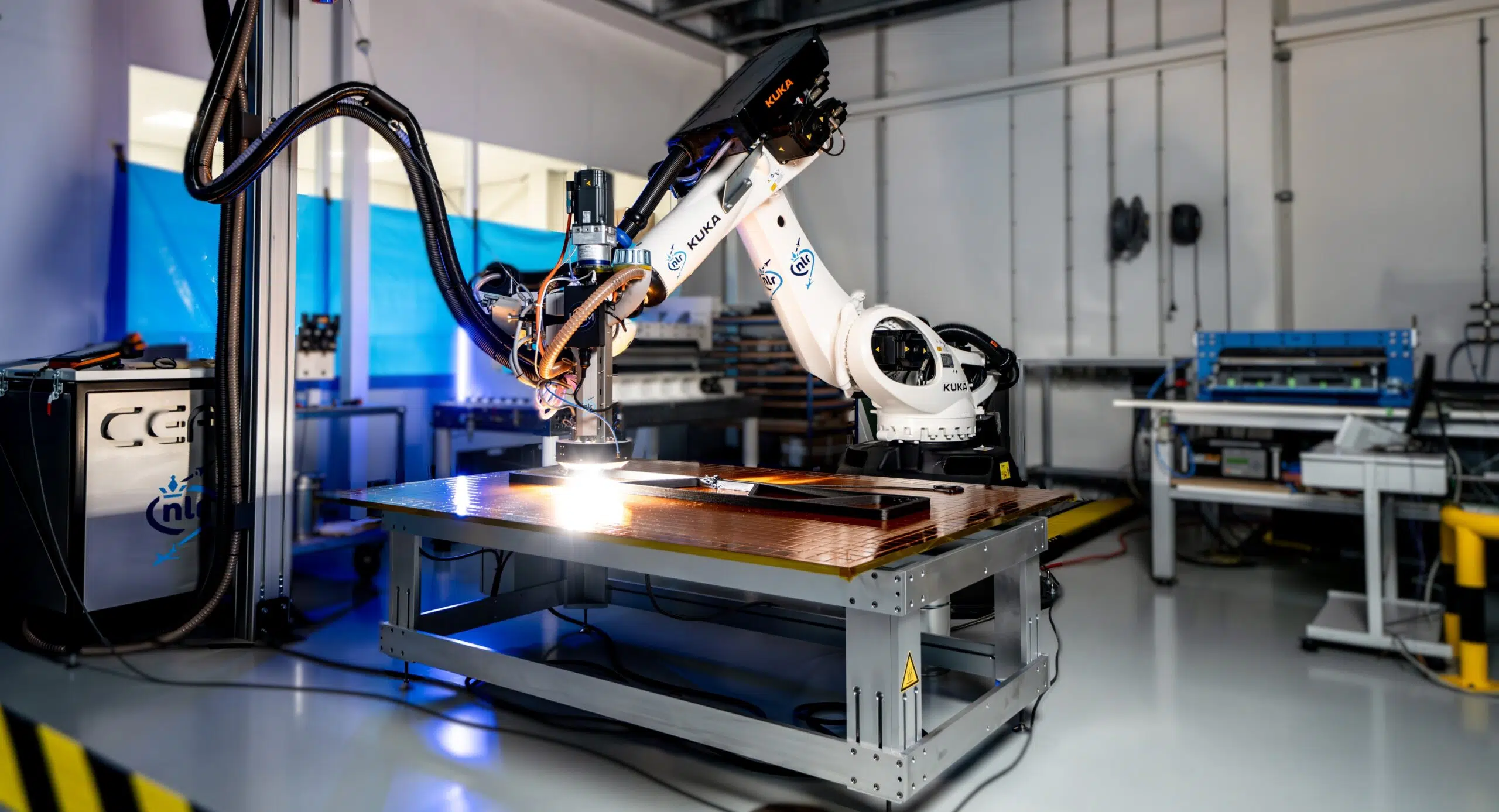
NLR has been researching the application of cold spray technology for some years. With this project NLR and Lockheed Martin will collaborate on solutions and methodologies to include small fatigue crack phase in the design of critical structural airframe parts.
“For NLR, this project offers an excellent opportunity to further strengthen our strong relationship with Lockheed Martin and to transfer essential new technological insights and knowledge to the Dutch MRO industry. The knowledge gained will provide the Dutch industry with a powerful, competitive and innovative instrument to enhance the operational readiness of our armed forces,” says Tineke van der Veen, CEO of NLR.
During this multi-year project Lockheed Martin will work directly with subject matter experts and NLR to transmit critical knowledge regarding structural test design and execution, lessons learned regarding critical structural design and sizing for the application of these advanced repair processes.
“I am excited to team-up with the brilliant engineers and scientists at the Royal Netherlands Aerospace Centre and address methods and processes that can reduce the overall lifecycle costs of our shared weapons systems,” says Scott Carlson, Lockheed Martin, Sr. Staff Engineer, Service Life Analysis Team. “These types of Industrial Participation Programs provide significant opportunities to realize the synergy available through collaboration for the development, analysis, qualification and implementation of state-of-the-art processes that can extend the service life of critical systems, while ensuring safety and reducing total lifecycle costs.”
This work will expand the state of the art in the areas of structural repair design using advanced structural design and repair methods. Lockheed Martin sits at the forefront of the qualification and integration of these types of advanced design and repair concepts.
“Lockheed Martin and the Royal Netherlands Aerospace Centre continue to expand on our great partnership that began five years ago with the REMBRANDT project. We look forward to continued collaboration with the Royal Netherlands Aerospace Centre and Dutch Industry subject matter experts,” says Joe Krapf, Lockheed Martin Industrial Participation Country Manager.
“Building on the knowledge of Lockheed Martin by the Royal NLR on small crack theory, including critical repair processes, encompasses major advantages for not only the research institute itself, but also the outlook towards industrialization by the Dutch industrial base. Supporting this cooperation with our Dutch Industrial Participation Policy is key,” says JC Dicke, Commissioner for Military Production (CMP) of The Netherlands.