Project: REACTS (Responsive European Architecture for Space)
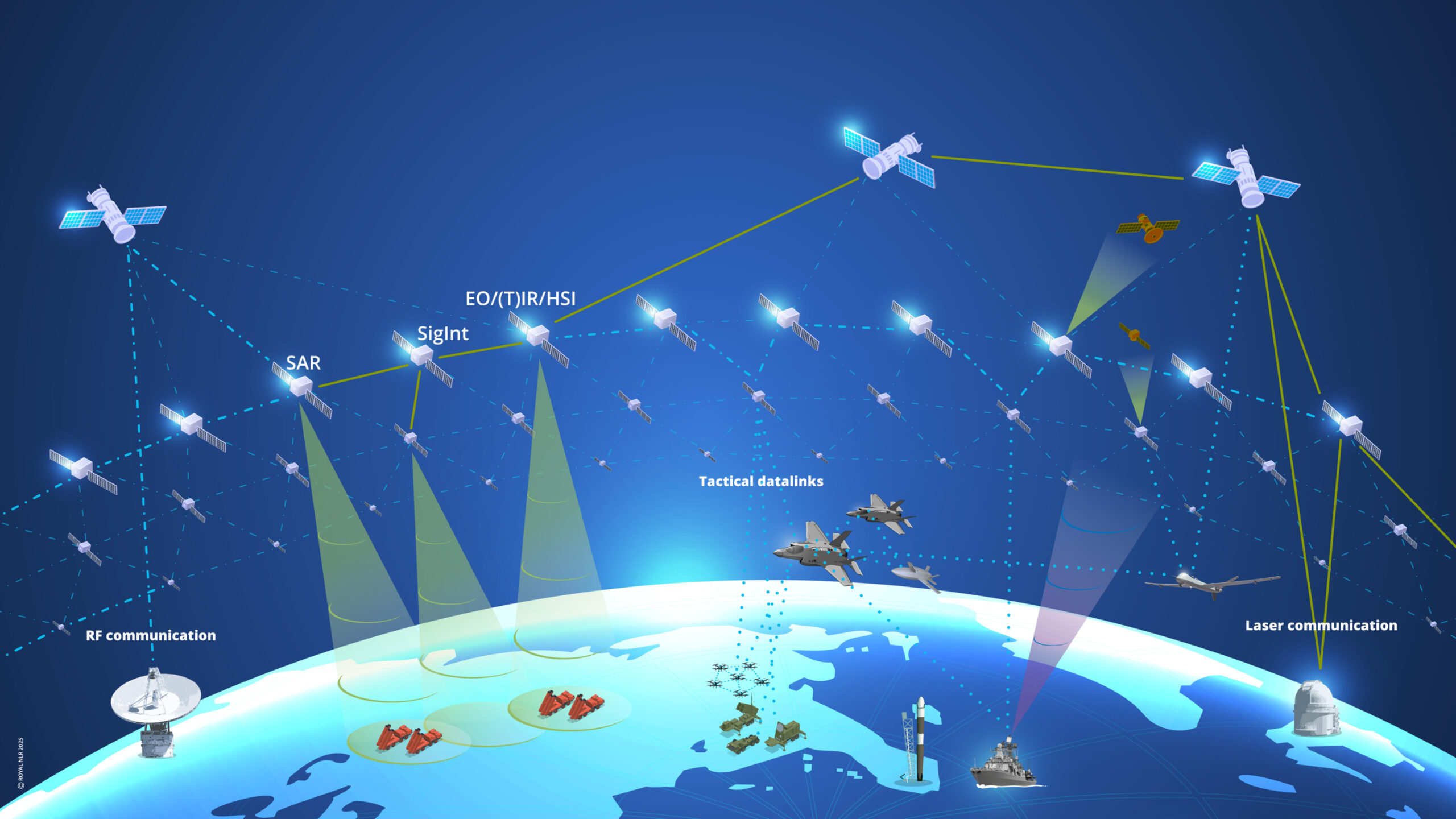
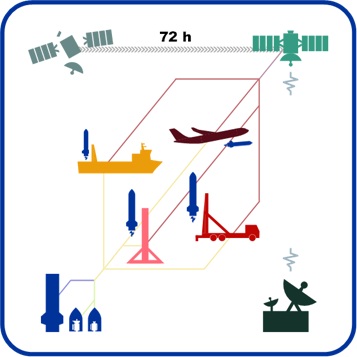
REACTS aims to establish a foundation for European Member States to develop a new collaborative and disruptive Defence capability: a resilient network of Responsive Space Systems (RSS). This scalable and fully interoperable network will enable satellite launches and data delivery within 72 hours. The project will define the architecture, develop a concept of operations (CONOPS), and create a roadmap for the technical and governing segments, whilst also providing an analysis and description for RSS interface standards and designing a software-based configuration to simulate responsiveness.
The challenge
Having the capability to quickly replace lost space assets or add operational capabilities has definite benefits. Currently, such tasks take months to complete. Reducing this timeframe to 72 hours is therefore extremely challenging, but it would create a significant shift in the use of space-based intelligence gathering. The aim is to review the three relevant segments (launch, space, and ground) and determine a more efficient application for each.
The solution
An interface demonstrator has been developed to simplify the process of initiating an intel capability request. With a wide range of launch options (including location, carrier type, and performance), space mission options (such as ESM, SatCom, SSA, and Optical), and ground station options (including data downlink and satellite control), an optimal solution for a space mission can be provided. By standardising the processes and preparing all necessary elements in advance, operational data can be delivered within 72 hours of receiving a request.
What we did
Within this project, various departments and expertise within NLR have been utilised. The scope of work spanned multiple areas, including user needs and high-level requirements, aircraft certification, spacecraft platforms, SSA (Space Situational Awareness) and SIGINT (Signal Intelligence) space mission design, ISR (Intelligence, Surveillance and Reconnaissance) antenna design, system architecture, CONOPS synthesis, standards, and interoperability. This allowed the team to make a valuable contribution in every segment, while also benefiting from the expertise of experienced partners.
Project partners:
Project coordinator: DLR
National project lead: TNO
Click here for all 39 partners in the consortium
Project timeline:
2023-2025

This project has received funding from the European Defence Fund (EDF) under GA no. EDF-2022-101121212-REACTS.
The text only reflects the author’s view. The European Commission is not responsible for any usage of the information it contains.