Brochure: Wind tunnel modelling and testing

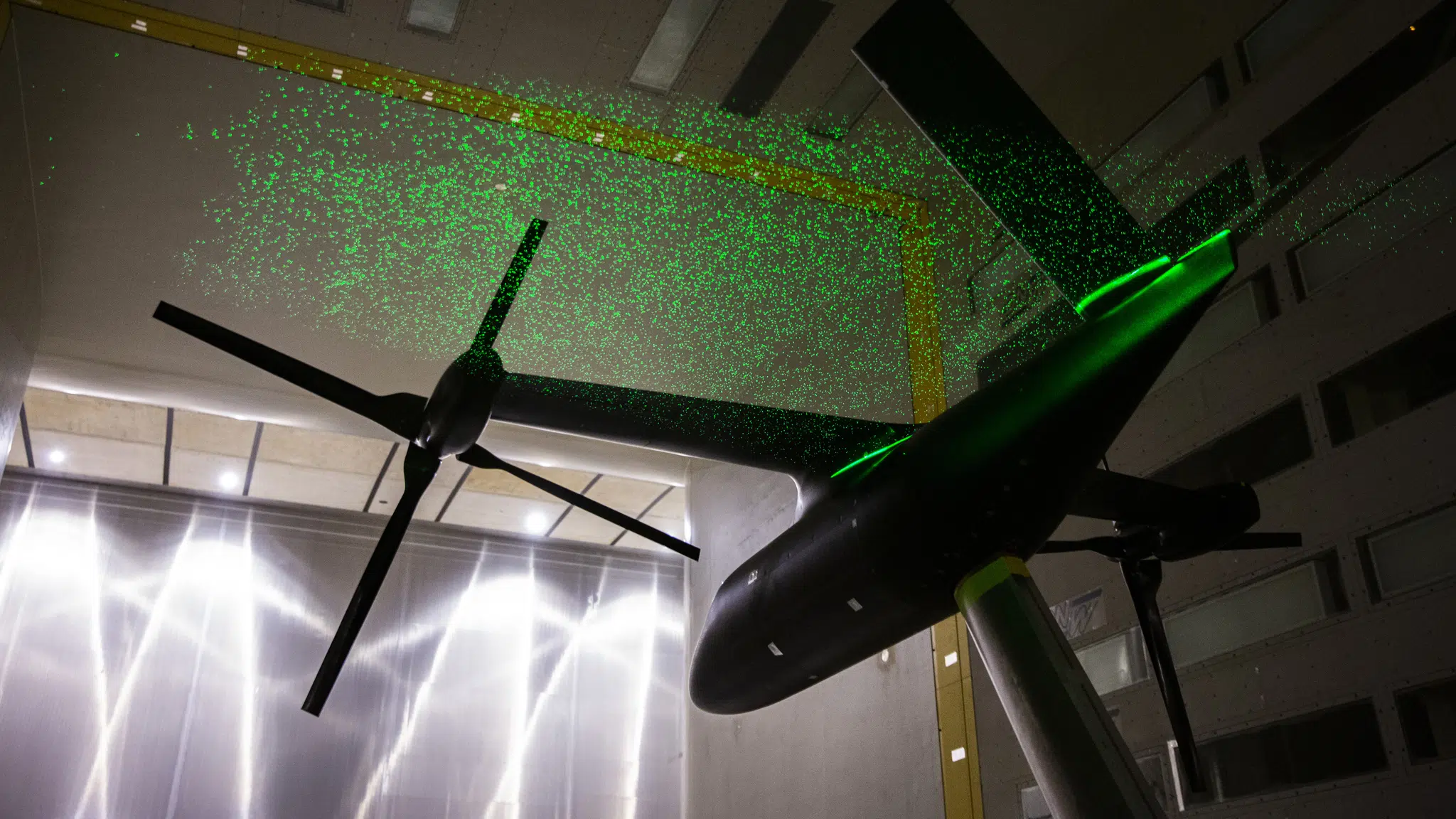
When an aircraft model enters a wind tunnel, it’s a decisive step in development. Years of development, simulation and numerical analysis are about to face measurable reality.

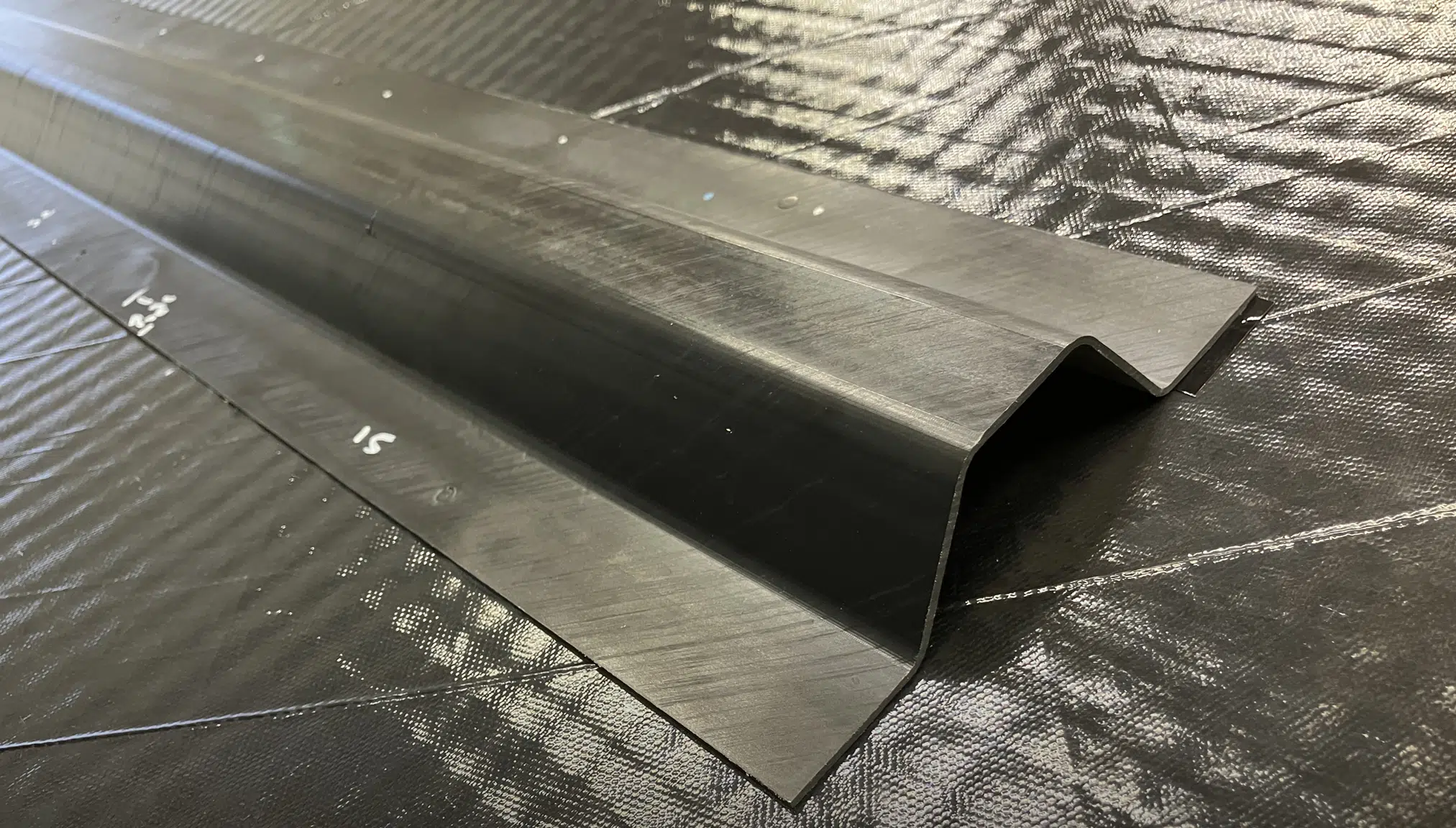
NLR ensures every campaign is carefully prepared and executed. Wind tunnel models are custom-made, combining aerodynamic fidelity, structural integrity, and measurement accuracy. NLR delivers high-quality models with decades of experience, refined processes, and multidisciplinary expertise. NLR enhances testing with advanced measurement techniques, such as flow visualization and acoustics, precision custom load balances, and tailored remote control and data-acquisition systems. Its materials expertise spans composite components, metal 3D-printed parts, and propeller blade manufacturing. Smart test design and simulation reduce risks before testing begins. These models are not just built — they are built to perform.

NLR’s services are independent of specific wind tunnels. We collaborate with DNW to execute campaigns efficiently. Our collaboration ensures smooth project execution and deliver efficient programmes that provide valuable data for next-generation aircraft.
Latest Downloads

NLR Aeroacoustic Wind Tunnel - AWT at NLR Marknesse
NLR corporate

04 June 2026

Brochure: Research infrastructure

NLR’s research infrastructure comprises a diverse range of facilities and equipment, forming the
foundation of our applied research. Our state-of-the-art facilities are accessible to companies and
other research institutions, allowing for collaborative innovation. In this brochure we present a modest
part of our extensive facilities for aviation, defence and space applications with which we can support
your research projects and R&D activities.

Sustainability and Environment

04 June 2026

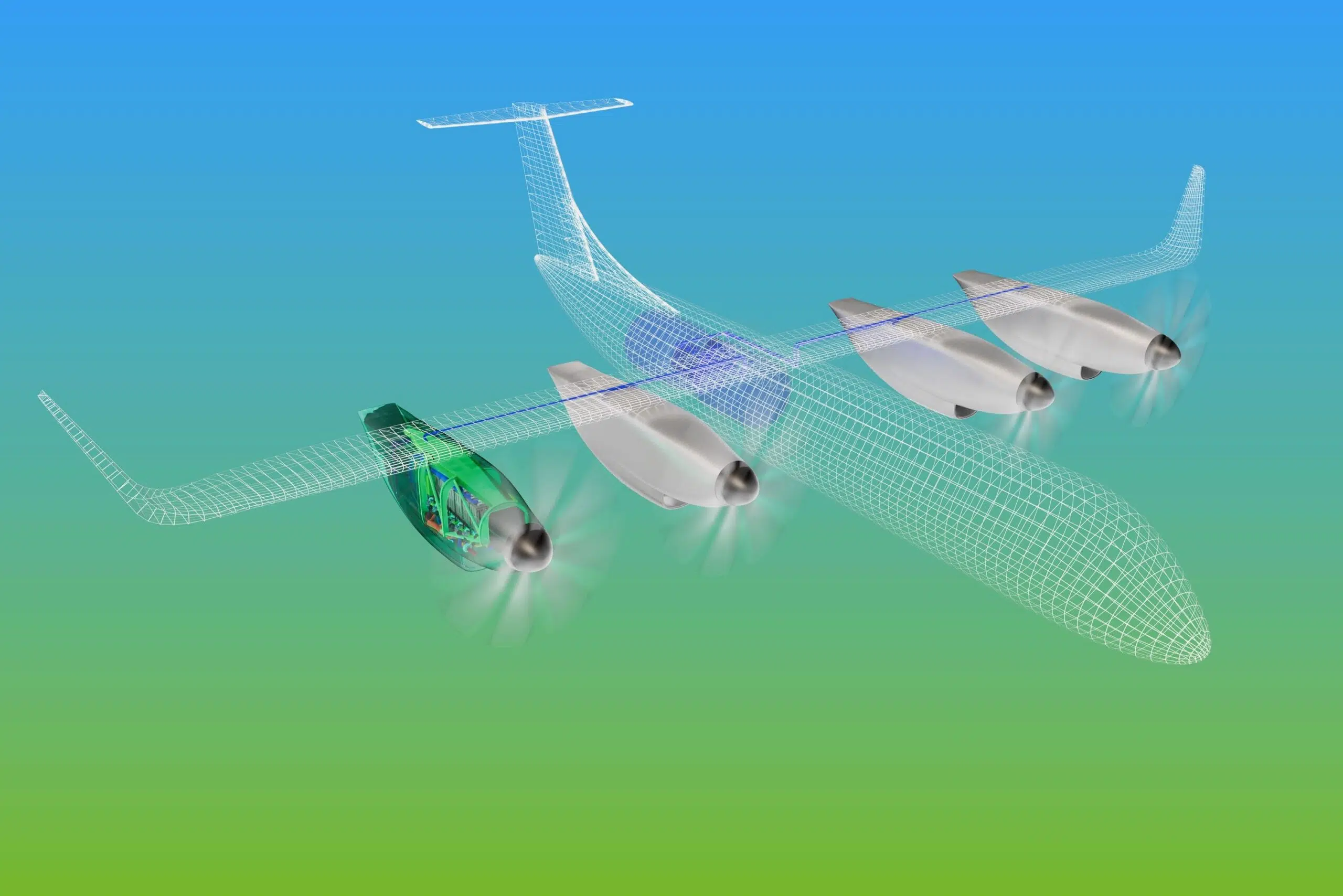
Booklet: R&D More electric and hydrogen-electric powered aerospace

Hydrogen as a fuel is considered to be an important route towards future sustainable aviation. For aviation
applications, hydrogen presents several key advantages: it allows for the elimination of carbon emissions in
flight and along the entire life cycle. Its usage in fuel cells allows eliminating NOx and particles. When burnt
in a turbine engine, very low particle emissions can be expected, as well as reduced NOx emissions, provided that the combustion system is optimised. However, water vapour emissions need to be carefully managed.