A complex logistical challenge
Relocating aeroplanes and helicopters within a maintenance hangar requires meticulous coordination between staff, tow vehicles and the surrounding environment. Space is often limited, and the hangar is typically filled with obstacles and personnel. Prompted by an operational need of the Royal Netherlands Air Force’s 980 Squadron, NLR investigated how new technologies could support this process in a smarter and safer way.
A digital twin with real-time data fusion
The digital twin is more than just a digital 3D representation. It is a dynamic digital environment in which multiple data streams converge.
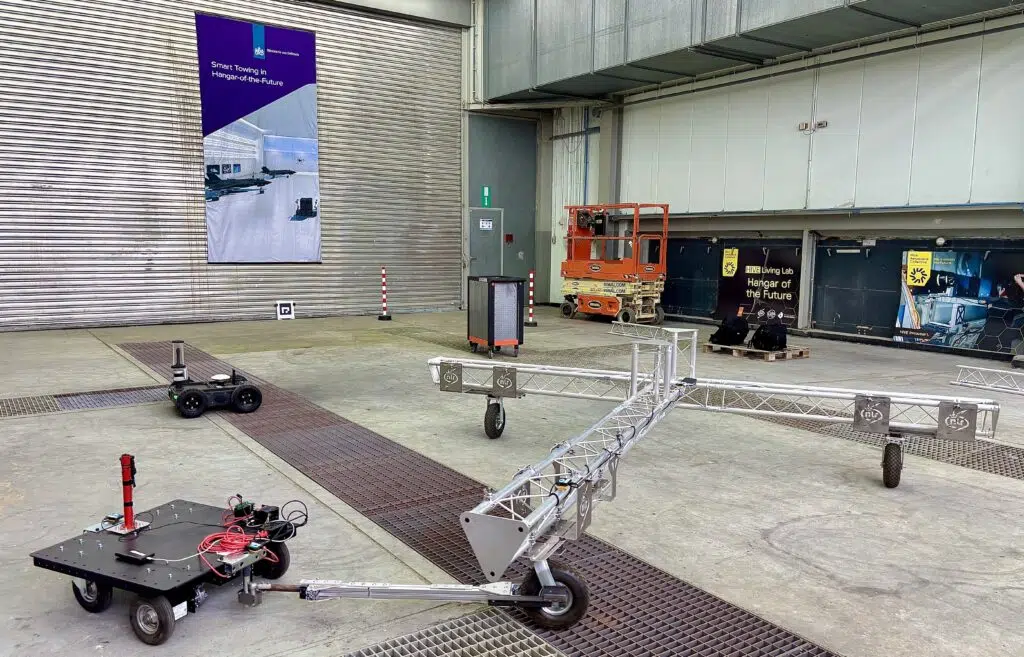
Sensors determine the position of vehicles and objects and map the surroundings, including an ultrasonic positioning system, cameras and LiDAR (Light Detection and Ranging) sensors. Autonomous mobile robots also help to perceive the environment. The collected data is combined through data fusion into a single, up-to-date and coherent picture of the physical hangar.
As a result, the digital twin provides real-time insight into the positions and movements of the tow vehicle and the aircraft, as well as the presence of people and obstacles. It also provides the foundation for additional functionalities, such as route optimisation, movement tracking, and collision detection.
The power of this approach lies in bringing together different technologies and data sources in one environment: from sensor data and positioning to environmental detection and route planning.
From route planning to obstacle detection
Based on the information from the digital twin, the system calculates a route from a start position to an end position. It not only takes into account the route of the tow vehicle, but also the deviating path that the aircraft follows because of the tow bar.
If an obstacle blocks the planned route, the system can calculate an alternative. If no suitable route is available, the system indicates that the environment needs to be adjusted first, for example by moving an obstacle.
The driver retains control of the towing operation. The system supports this task by providing insight into the surroundings, potential obstacles and available routes, allowing the driver to make better-informed decisions while manoeuvring.
Tested at full scale
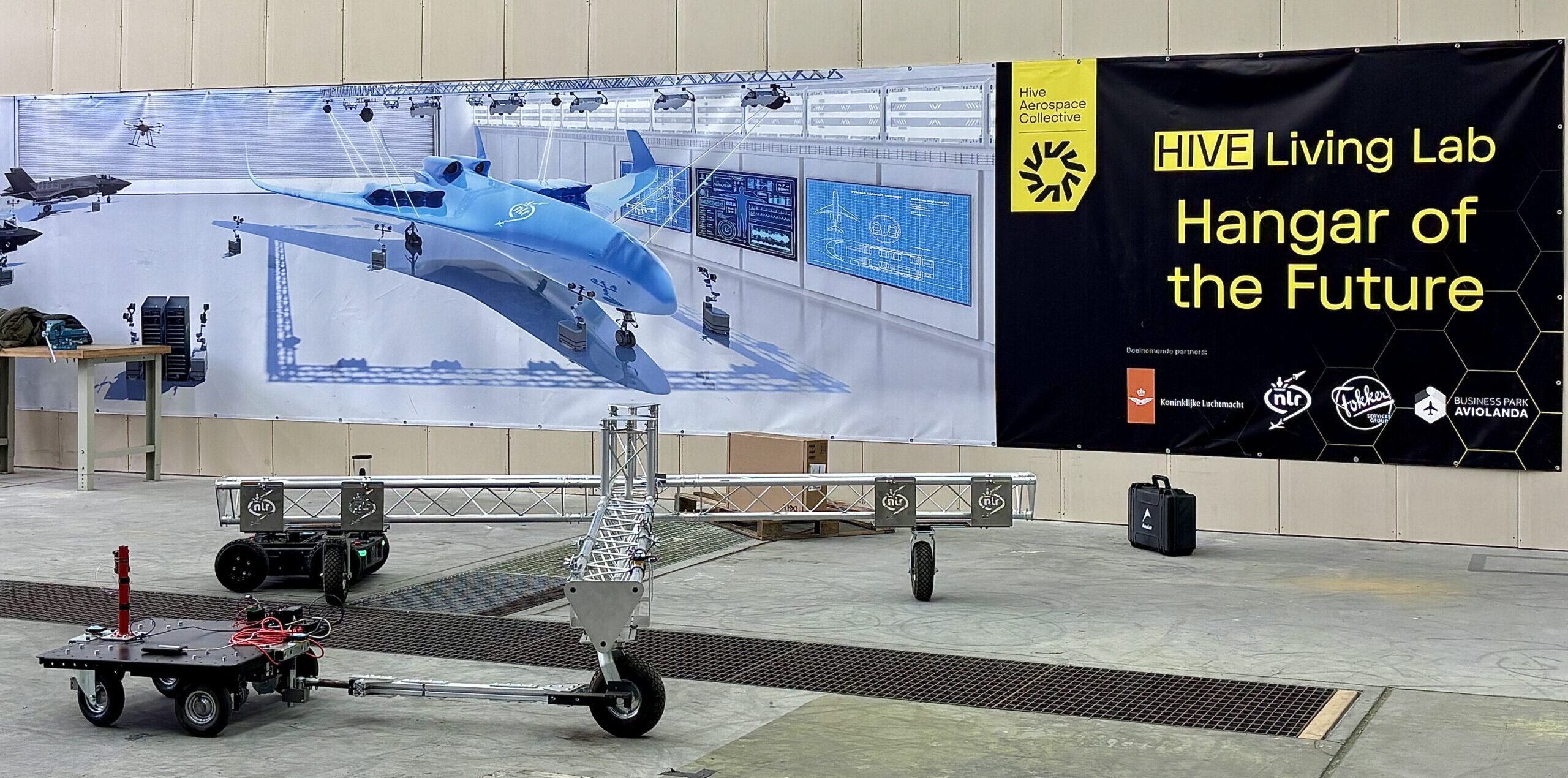
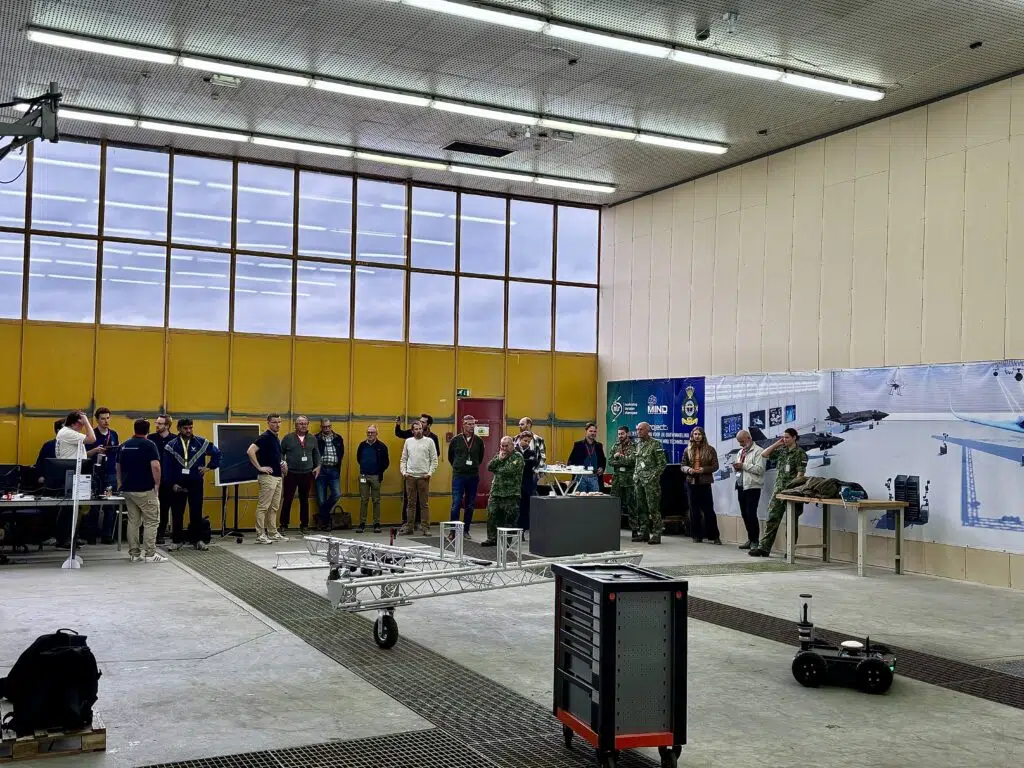
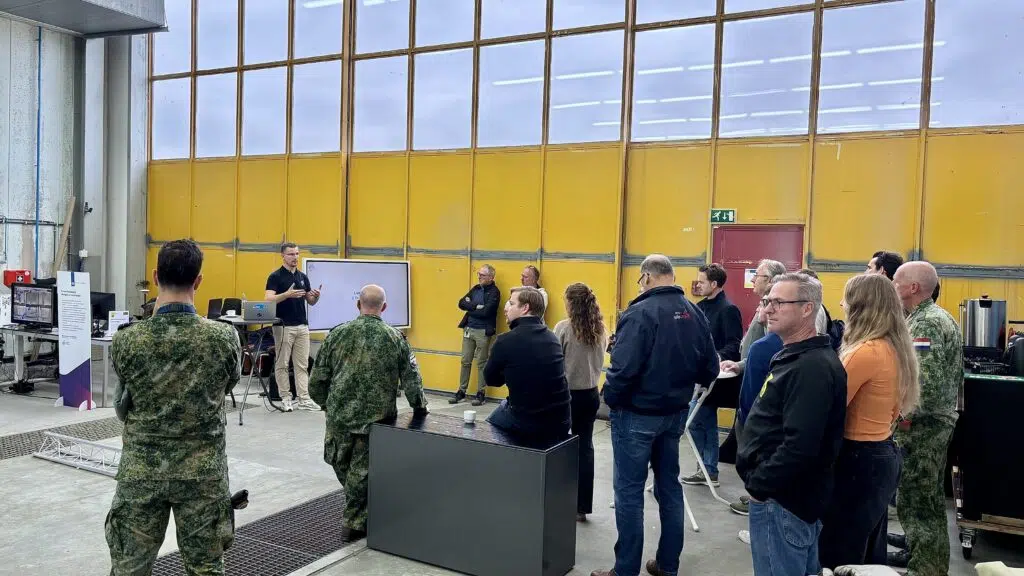
The project was concluded with a demonstration at the Hangar of the Future, part of HIVE Aerospace Collective at Business Park Aviolanda in Woensdrecht. This test facility makes it possible to develop and test technology at full scale, with realistic set-ups, vehicles and obstacles. This allowed the integrated system to be tested under realistic conditions.
What comes next?
With the completion of the project, the first research phase has come to an end. The findings show how positioning, environmental detection, data fusion, and route planning can be successfully integrated into a single support system.
However, before this technology can be deployed in a real-world maintenance setting, additional development and validation are needed. This will involve assessing the reliability of sensors, fault tolerance, and safe operation under a range of conditions. The next step will be to explore how the developed technology can be further refined and embedded into everyday maintenance practices. Ultimately, this has the potential to lead to safer aircraft movements, more efficient use of personnel, and enhanced support for maintenance processes
Collaboration
The project was carried out by NLR on behalf of the Royal Netherlands Air Force, in response to a specific need identified by the 980 Squadron. The project team also collaborated with MIND (Military Innovation by Doing), Avular, and students from Eindhoven University of Technology