Progress in ‘Smart and Sustainable’

1 minute read

Twenty transport organisations and centres of expertise published an action plan together in 2018 for reducing CO2 emissions in aviation entitled ‘Slim én duurzaam’ (Smart and Sustainable). This was followed by two addenda giving a picture of the activities and the results achieved. A third update has been made available today reflecting the current state of affairs.

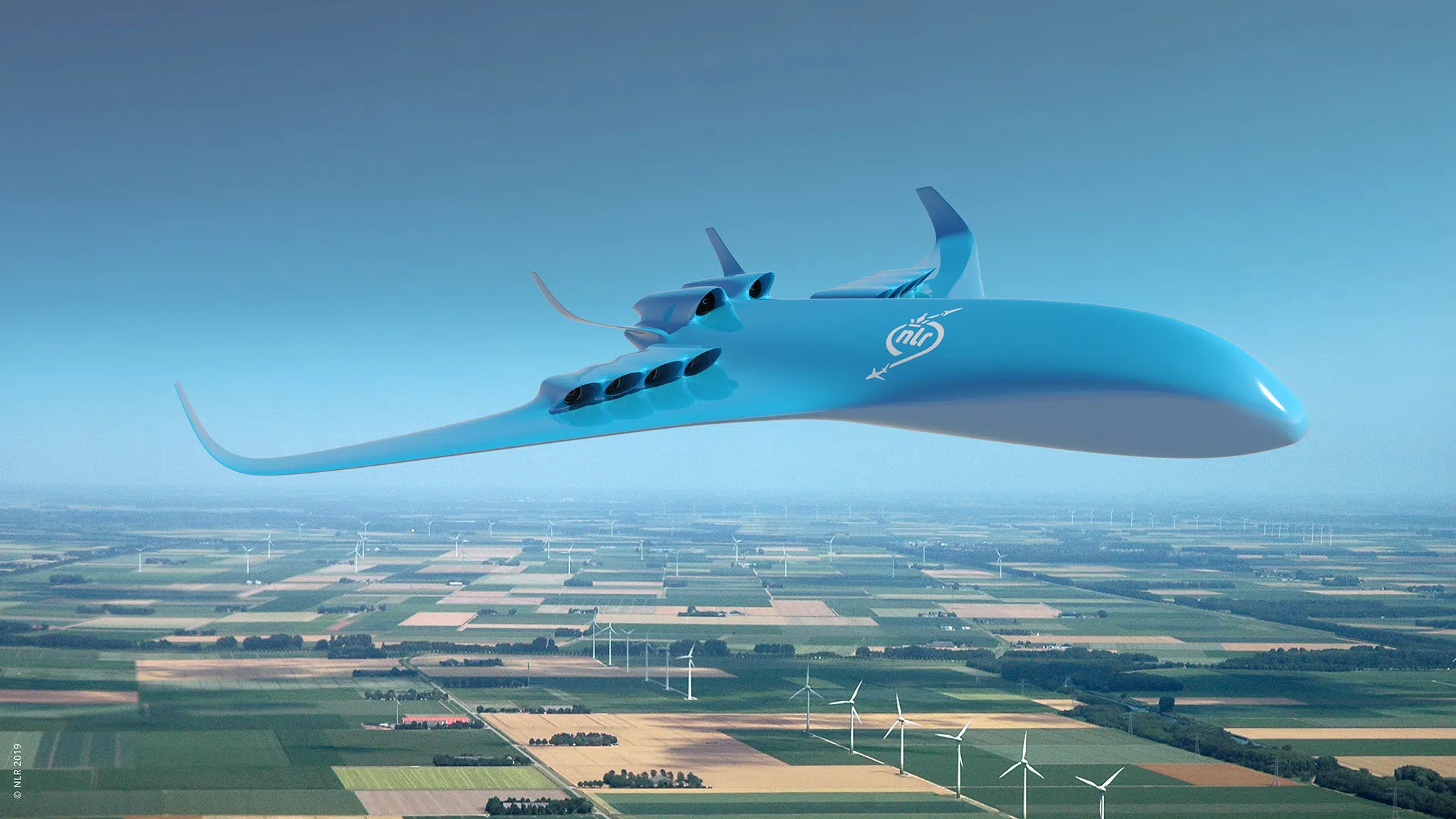
NLR Hybrid Electric Plane

The coronavirus crisis has hit the aviation sector hard but people’s desire to see each other and travel the world is still strong. The task for the aviation sector is to resolve the dilemma between the need for travel on the one hand and a sustainable future on the other. The sector in the Netherlands wants to be in the vanguard of sustainability in aviation and remains committed to the targets set for achieving that. To that end, twenty leading transport organisations and centres of expertise drew up ‘Smart and Sustainable’ in 2018. These parties believe that CO2-neutral aviation is possible by 2050 and that flying can remain one of the greenest, most comfortable and rapid means of transport.

The goal of this joint action plan is to reduce CO2 emissions from aviation in the Netherlands by 2030 back to the levels of 2005. CE Delft has validated the calculations and assumptions made in the ‘Smart and Sustainable’ action plan. Their assessment is that the plan is ambitious and specific, concluding that the objective as formulated is achievable.

You can download the action plan here (in Dutch):
Latest news

Defence and Security

15 October 2026

Skunk Works and Royal NLR expand strategic collaboration

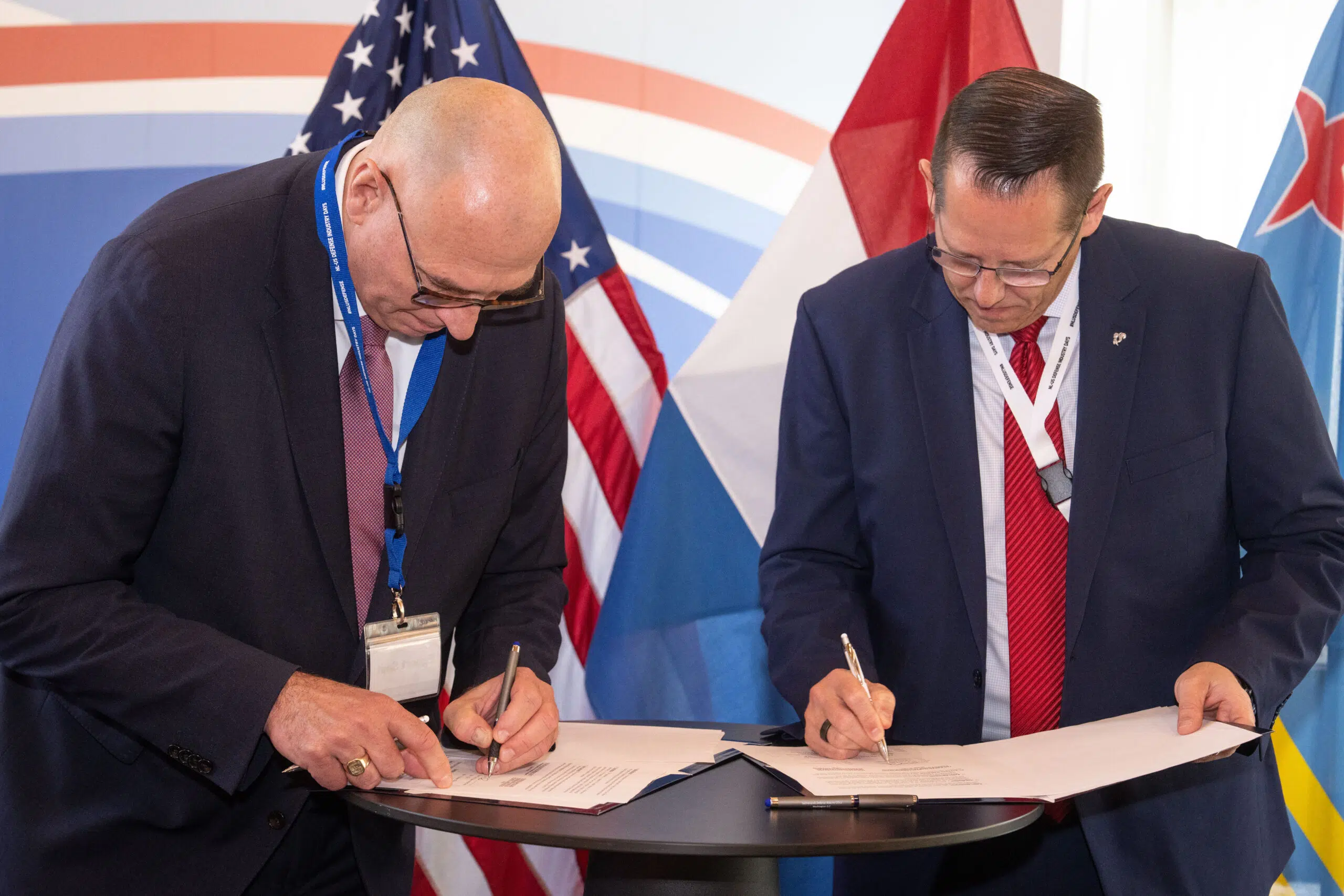
Lockheed Martin Skunk Works® (NYSE: LMT) and the Royal Netherlands Aerospace Centre (NLR) announced a broadening of their strategic partnership today with a focus on four key pillars. These include connectivity to the Dutch industrial base, coordination on military operational analysis, alignment on technology roadmaps, and collaboration on Unmanned Aerial Systems (UAS). What began two years ago as an exploratory Memorandum of Understanding (MoU) has matured into a high-impact collaboration, rapidly transitioning advanced technologies from the research lab into operational solutions that directly support the mission readiness of the Royal Netherlands Air Force.