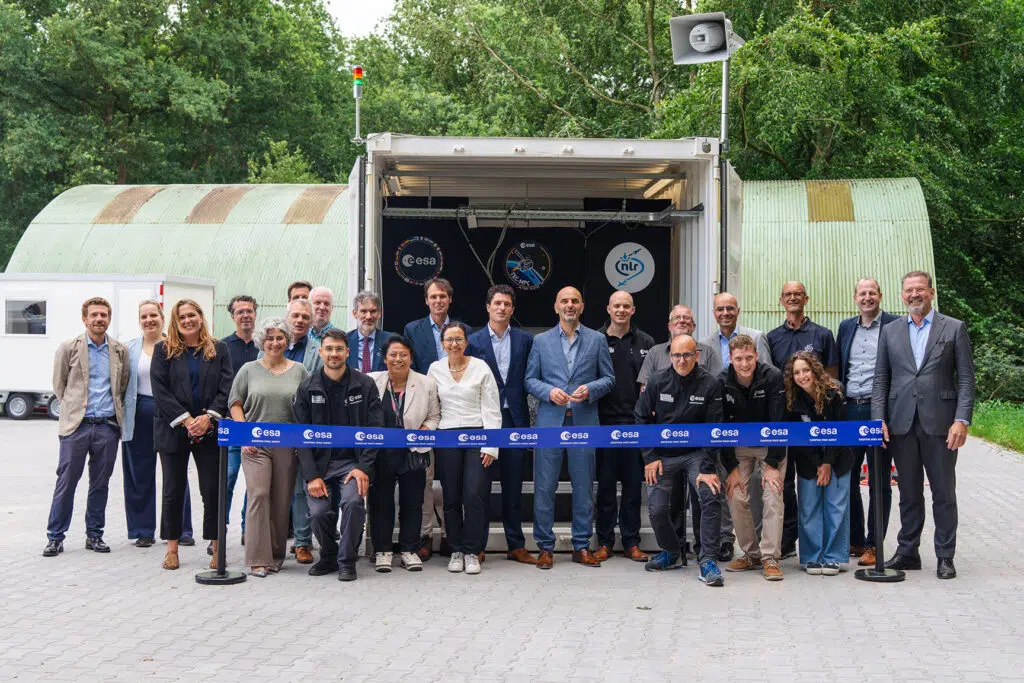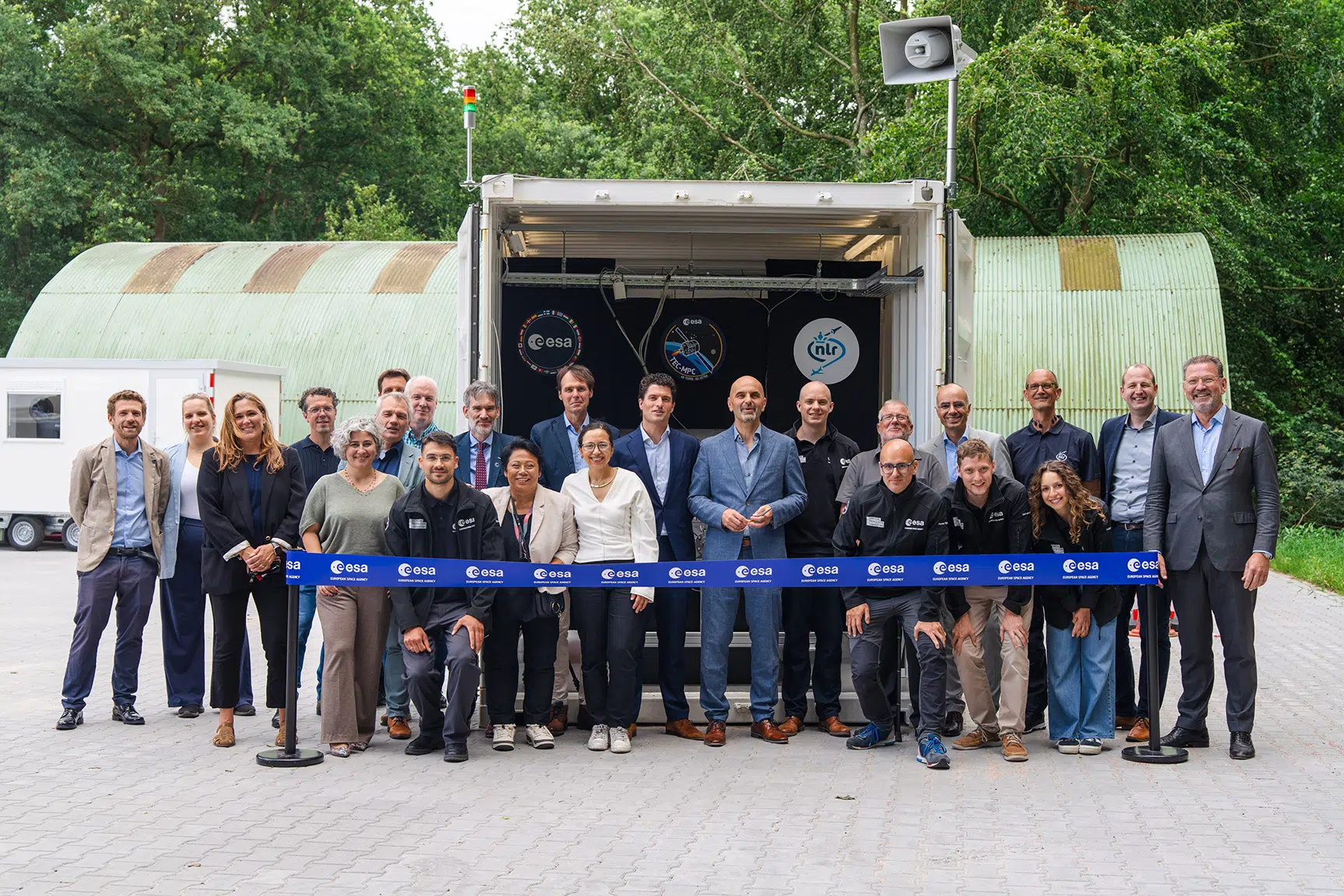
The new CPL facility by ESA is a combined green propellant chemistry lab and engine test cell that will support the growing need for safe and accessible propulsion testing infrastructure and training. Designed specifically for propulsion systems used on small satellites and other small missions rather than large launch vehicle engines, the facility offers rapid-turnaround testing in a safe and regulated environment.
Speaking at the opening event, Dietmar Pilz, Director of Technology, Engineering and Quality at ESA said: “This is ESTEC’s first dedicated chemical propulsion test facility and it is now open for business. One of the biggest challenges we see for startups and smaller companies is simply getting access to infrastructure, so what we’ve created here is something much more agile, much more accessible. Europe needs infrastructure like this, which allows innovative technologies to be developed, qualified and matured efficiently and reliably. And, I would like to add, rapidly,” he continued.
NLR’s CTO, Martin Nagelsmit : “On behalf of NLR, I would like to express my enthusiasm for the collaboration between ESA and NLR. The Chemical Propulsion Laboratory is not just a facility. It’s a capability to support Europe’s ambitions in space, providing SMEs, scale-ups and institutional partners the infrastructure needed to boost their development.”
Rapid access to testing facilities is particularly important for startups and early-stage technology developers, enabling them to validate designs and progress technologies more quickly.
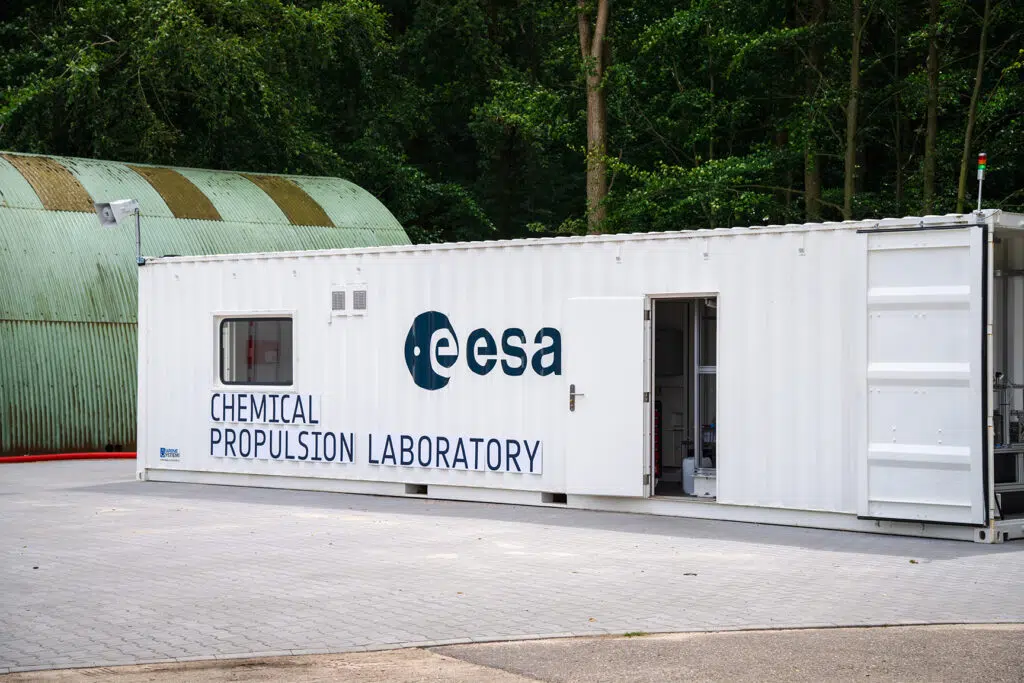
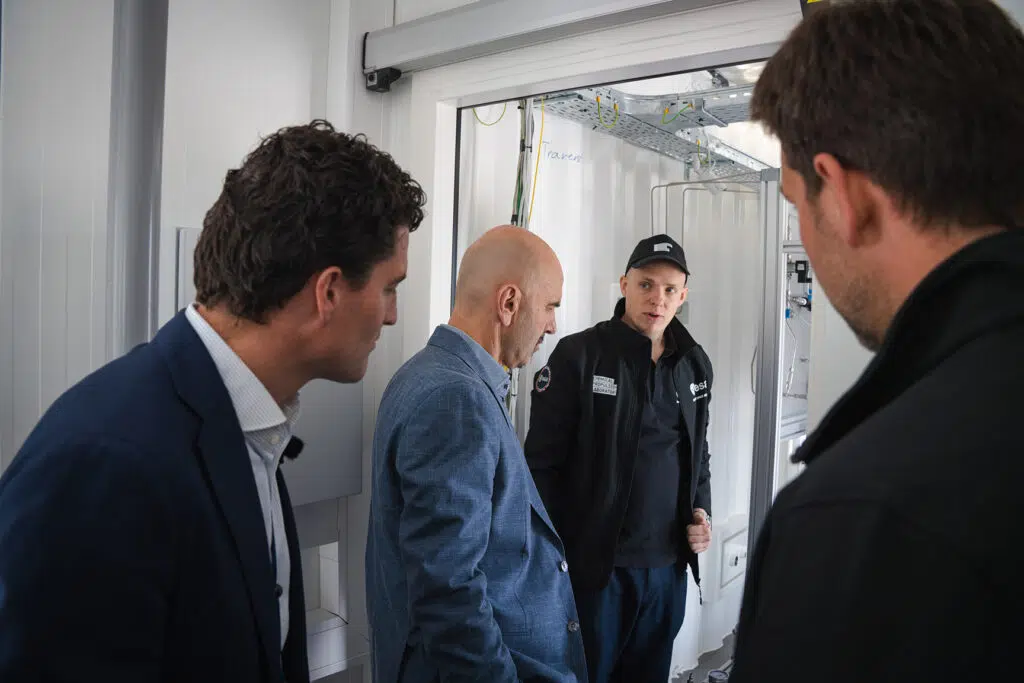
At first glance, it is remarkably modest. Housed within a repurposed shipping container at the NLR site in Marknesse. While located on a different site, the lab is an ESTEC laboratory, so customers can benefit from proximity to ESA engineers, processes and best practices. ESA already maintains a Europe-wide network of specialised laboratories to supplement the technical services and competence provided by the ESTEC laboratories and the ESTEC Test Centre. The CPL will join that ecosystem.
“The CPL will be a next step in strengthening ESA’s propulsion offer and will complement the Electric Propulsion Laboratory. Together they will reinforce our capabilities in next-generation propulsion technologies,” explains Jamila Mansouri, Head of Propulsion, Aerothermodynamics and Flight Vehicles Engineering at ESA.”It provides a unique environment, where innovative propulsion concepts can be safely tested, evaluated and matured for future space applications.”
The site will encourage developments of current and next-generation propulsion technologies, including lower-toxicity chemical propulsion solutions, to complement ESA’s Electric Propulsion test facility, which has previously conducted successful testing of water electrolysis propulsion.
Initial testing campaigns have already begun. They currently take place under atmospheric conditions, with potential future expansions such as vacuum conditions already being considered. In addition to testing activities, the facility will support training opportunities for future propulsion specialists.
“This may be a modest facility today, but that’s very much by design — it’s a first step, and one that allows us to grow in a way that is driven by real demand, real users and real impact,” explains Mark Ford, Head of Chemical Propulsion at ESA.
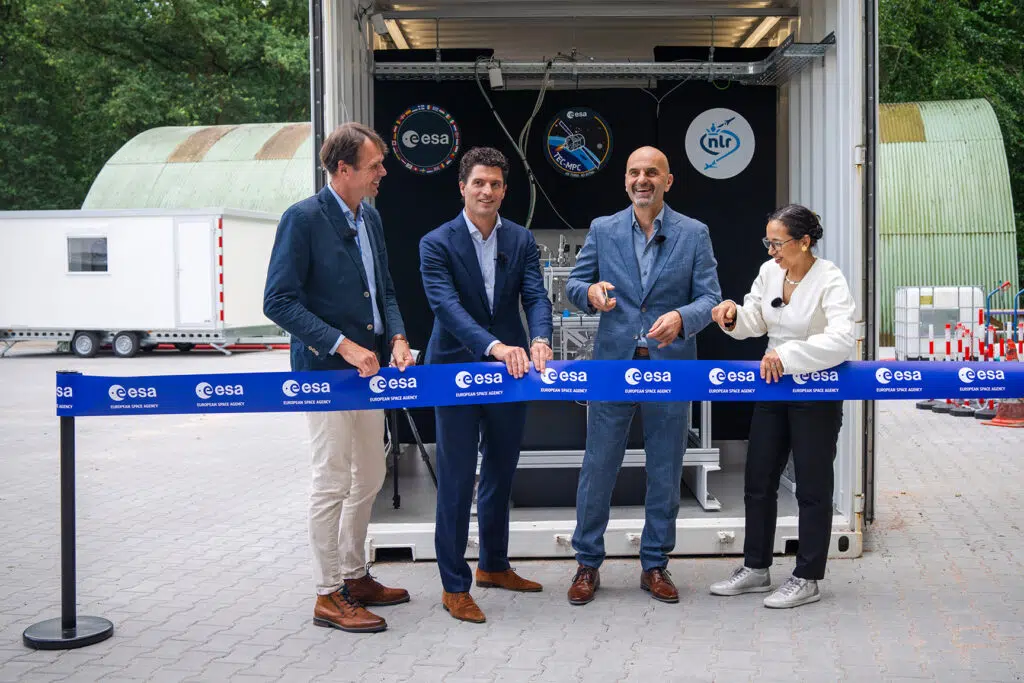
The CPL will be operated through an ESA–NLR collaboration. Marknesse was selected for its established and licensed test infrastructure, which provides a specialised environment for propulsion testing activities.
For more information please contact Mark Ford from ESA