Fifty years of German-Dutch Wind Tunnels: a success story of European cooperation

2 minutes read

On 18 June 2026, a milestone is celebrated in the Noordoostpolder, an area of the Netherlands reclaimed from the sea. The German-Dutch Wind Tunnels (DNW), a collaboration between the German and Dutch research organisations DLR and NLR, will have been in existence for fifty years. During this time, DNW has grown into a leading organisation for aerodynamic and aeroacoustic experiments for research institutes and industry worldwide.

The German-Dutch Wind Tunnels (DNW) was established as a foundation in 1976, just two years after the first contacts between the two parent organisations, the Royal Netherlands Aerospace Centre (NLR) and its German counterpart, the DLR. Over the years, DNW has proved to be a model of successful European cooperation.

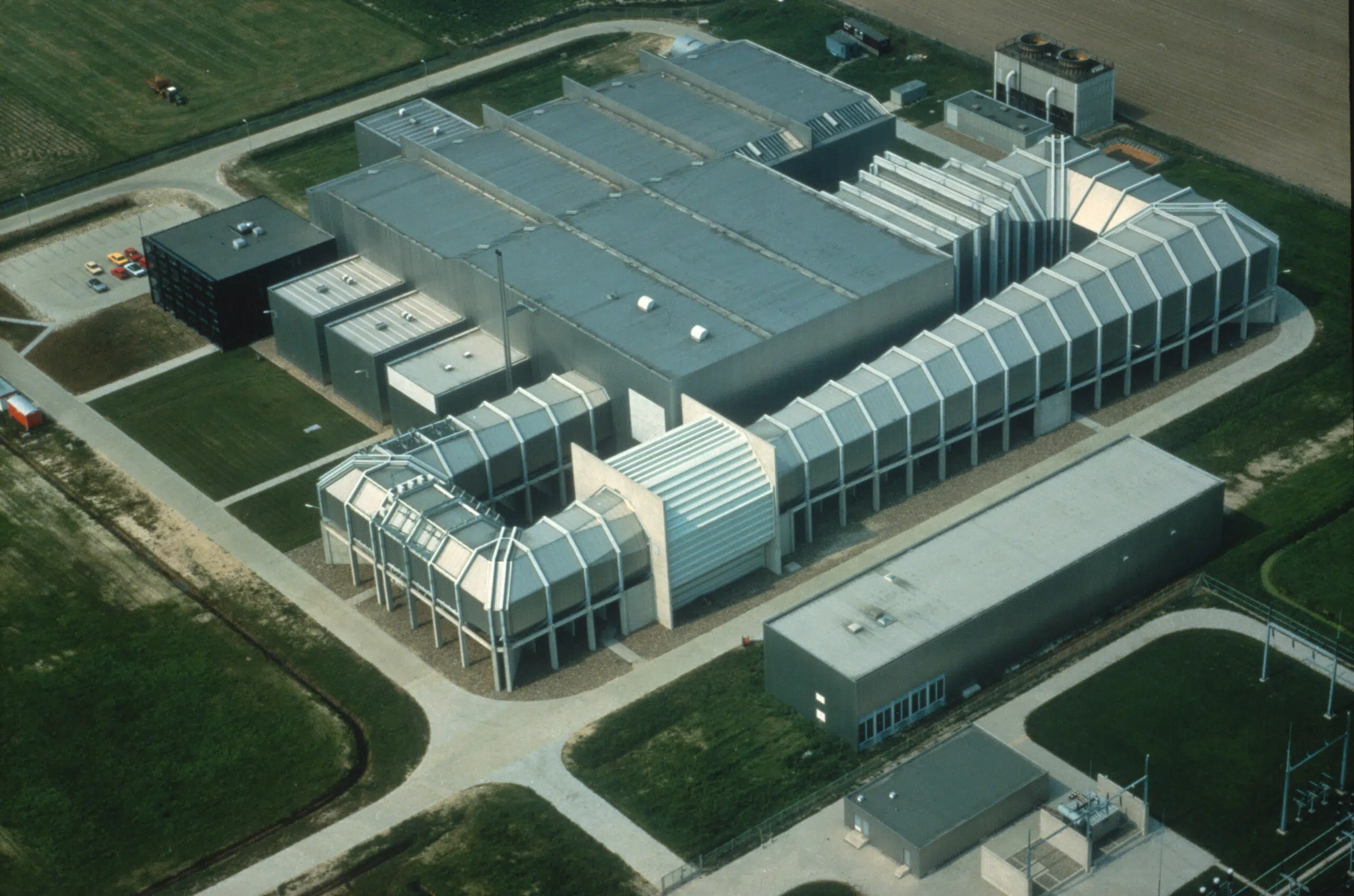
The main attraction in Marknesse, the Netherlands, is the LLF (Large Low-speed Facility), Europe’s largest wind tunnel, which was commissioned in 1981 as DNW’s first wind tunnel. The Large Low-speed Facility is still used extensively by the aviation industry today.

Foundation and development

DNW has been providing advanced experimental services to the aerospace and automotive industries for many years. Universities, research institutes and research consortia also turn to DNW. Following the construction and subsequent commissioning of the Large Low-speed Facility (LLF) in 1981, the foundation has grown and now operates several wind tunnels spread across four locations. The range extends from low speeds (Mach number 0.1) to supersonic speeds (Mach number 4, four times the speed of sound). The high-quality and efficient testing carried out at the DNW facilities has contributed to the commercial success of various programmes, including Airbus aircraft (A320, A330, A340, A380, A400M), the Embraer E-jet/E-jets E2 family, the Eurofighter and F-35 fighter aircraft (JSF), and the NH90 helicopter programmes.

More than aircraft

Although DNW is best known for aviation, it also tests cars and lorries, amongst other things. In 2024, DNW opened a unique Automotive Test Section (ATS); the world’s first facility capable of testing large vehicles in accordance with WLTP (Worldwide Harmonised Light Vehicles Test Procedure) regulations in a configurable wind tunnel. This facility won an international innovation award in 2025.

DNW currently has seven facilities, five of which are in the Netherlands (Marknesse and Amsterdam) and two in Germany.
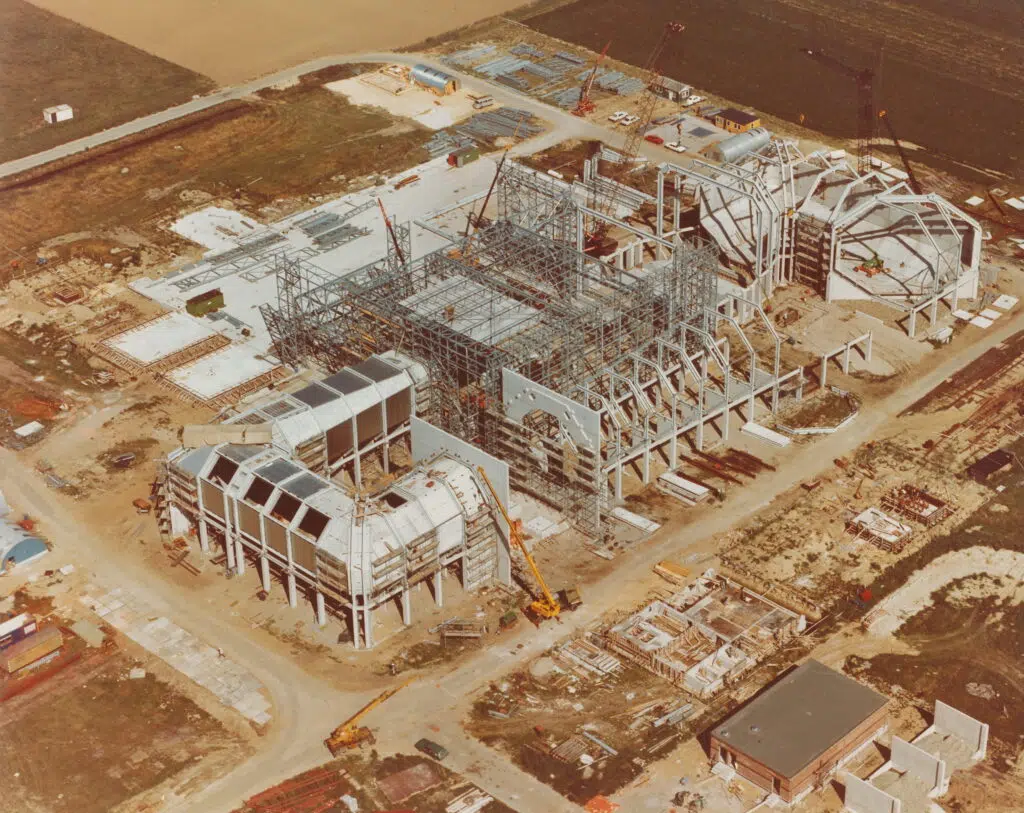
The build of DNW’s LLF Wind Tunnel

Latest news

Sustainability and Environment

03 June 2026

NLR and TU Delft link simulation models in new lab focused on climate-neutral aviation

How do you make an entire aviation system more sustainable, rather than just a single flight or a single aircraft? That is what Royal NLR – Netherlands Aerospace Centre – and TU Delft are investigating in the newly established Dutch Aviation Systems Analysis Lab. Last week, the organisations demonstrated connecting their simulation models for the first time. An important step towards being able to find the answers to tomorrow’s questions.

Defence and Security

08 May 2026

NLR-Marknesse host of NATO exercise TIE26

From 12 to 22 May, NLR-Marknesse will serve as the host location for NATO's annual exercise dedicated to improving drone counter-measures. During this event, military personnel, tech experts, and innovators from across the Alliance will gather in the Noordoostpolder for a counter-drone exercise.

Defence and Security

02 April 2026

Defence strengthens units with drone and counter‑drone capability

The Ministry of Defence is taking a major step forward in the further development of the Dutch armed forces by officially integrating drones and anti-drone capabilities into combat units. During Drone Day in Oirschot (NL), it became clear just how important Unmanned Aerial Systems (UAS) have become for modern military operations. This development is the result of intensive collaboration between the Ministry of Defence, research institutions and the Dutch drone industry.