New NLR Vice President Aerospace Vehicles

1 minute read

The NLR organisation has three divisions: Aerospace Systems, Aerospace Operations and Aerospace Vehicles. As of today, Bert Thuis will strengthen the NLR management team as Vice President Aerospace Vehicles. This means that Bert is taking over the position of Collin Beers.

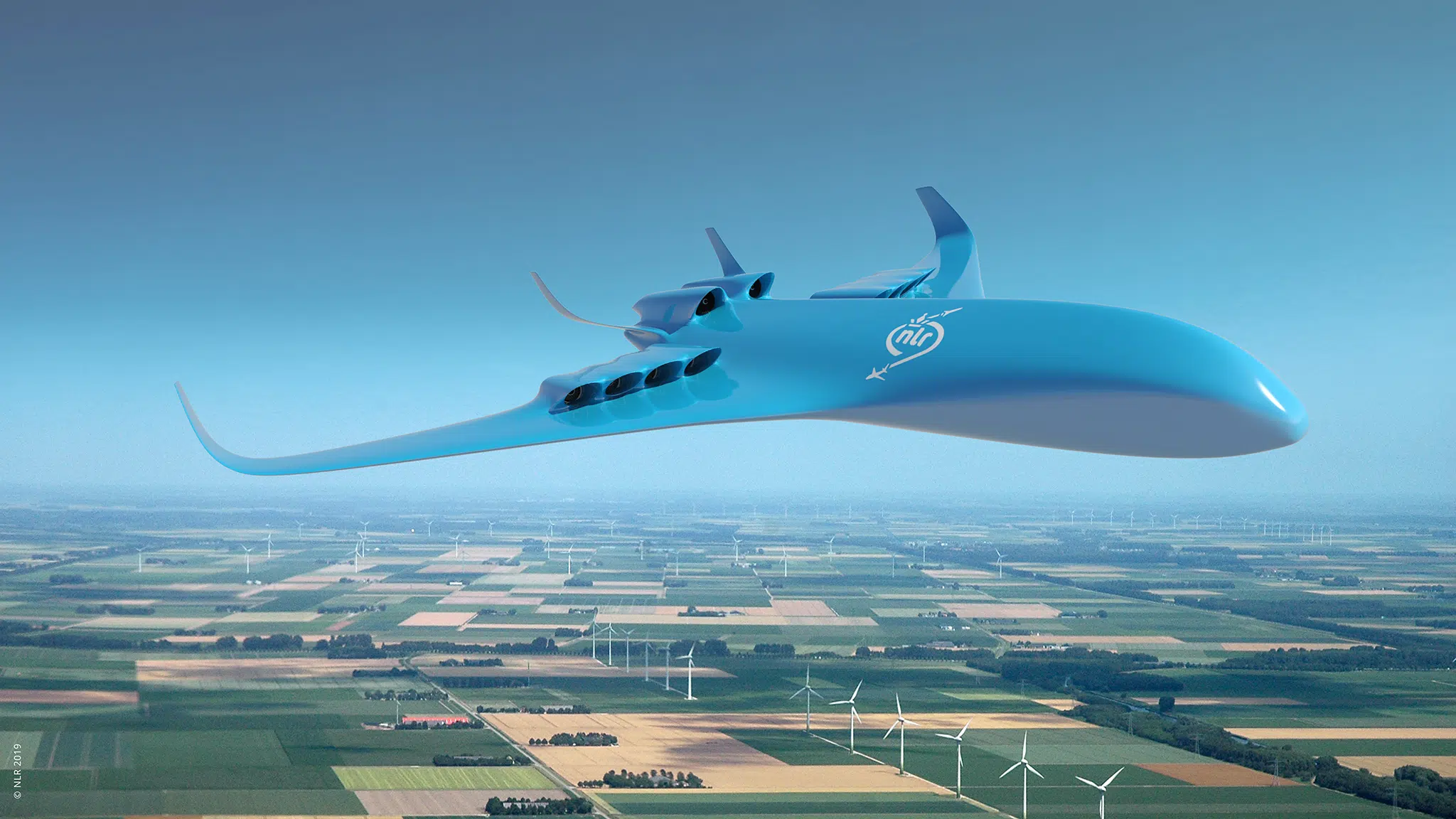
NLR Hybrid Electric Plane

We are pleased to inform you that per February 1, 2024, Bert Thuis has been appointed as Vice President of the Division Aerospace Vehicles of Royal NLR, succeeding Collin Beers. Next to this, Bert will be a member of the Board of Directors.

Bert has been working at NLR since 2004 as manager of the Structures Technology department and previously successfully led the division temporarily to replace Collin during his absence. In his new role, he is committed to safe, efficient and sustainable aviation. “When I started at NLR the focus of research was on reducing the weight of aerospace components by applying new materials and developing new manufacturing technologies”, explains Bert. “Nowadays, the focus is on increasing reproducibility by automatization and digitalization, reducing recurring costs and increasing sustainability. The civil aviation industry has set the ambitious goal for net zero emissions in 2050. Hence we are facing exciting times in the field of research and development to reach these environmental challenges and have to be open minded for disruptive ideas and concepts.“

According to Bert, another important pillar of our research concerns our commitment to the Dutch Ministry of Defence. “With the recently published ‘Dutch Defence Note’ as a guideline we will focus even more on themes such as Innovative Capacity and New Domains and on more European cooperation.”

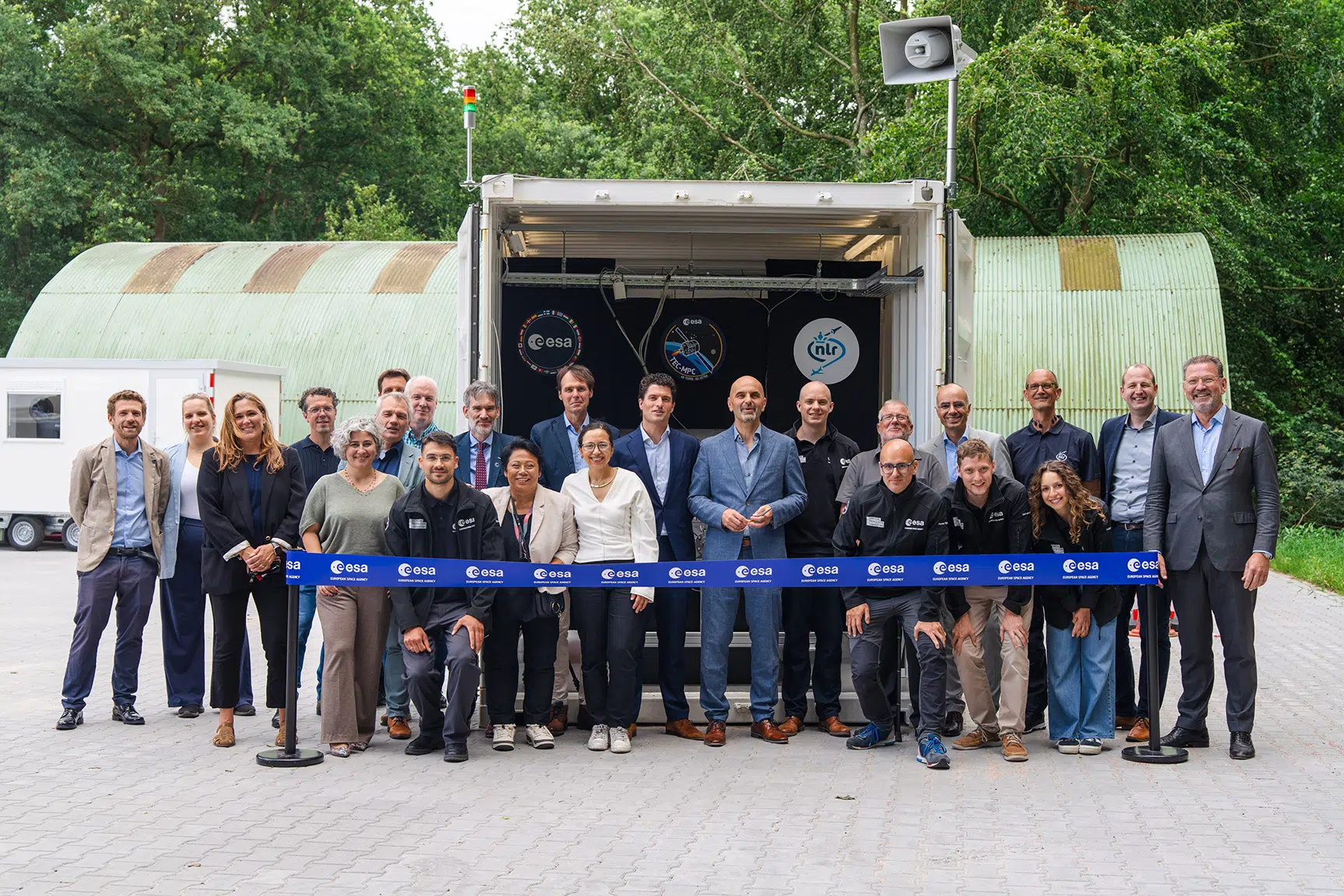
Bert Thuis, Vice President of the Division Aerospace Vehicles and member of the Board.

Latest news

Defence and Security

02 April 2026

Defence strengthens units with drone and counter‑drone capability

The Ministry of Defence is taking a major step forward in the further development of the Dutch armed forces by officially integrating drones and anti-drone capabilities into combat units. During Drone Day in Oirschot (NL), it became clear just how important Unmanned Aerial Systems (UAS) have become for modern military operations. This development is the result of intensive collaboration between the Ministry of Defence, research institutions and the Dutch drone industry.

Sustainability and Environment

04 March 2026

Clearing the skies: why space debris demands action now

As the number of satellites in orbit grows, so does the challenge of keeping space safe and sustainable. What was once a vast and largely empty domain is rapidly becoming congested with hazardous debris. Without coordinated action, the very infrastructure that underpins modern society is at risk. The growing debris problem requires collective efforts — including the Zero Debris Charter — aimed at securing the future of space.

Safety and Human performance

16 December 2025

Cosmic radiation threatens the reliability of aircraft systems

Recently, a remarkable incident made the news: thousands of Airbus aircraft worldwide were grounded after cosmic radiation disrupted digital electronic systems. A problem long familiar in space applications is becoming increasingly relevant for aviation. Ongoing digitalisation is making modern systems more vulnerable to invisible radiation from space.