

Newsroom
Filter
Stay up to date with the latest developments
Welcome to our Newsroom. Here you can find the latest news, articles, and blogs from NLR. We also showcase a range of videos and publications here. For more video content, please visit our YouTube channel, NLRmedia. The NLR Repository provides access to our public library of NLR reports.
30 September 2026
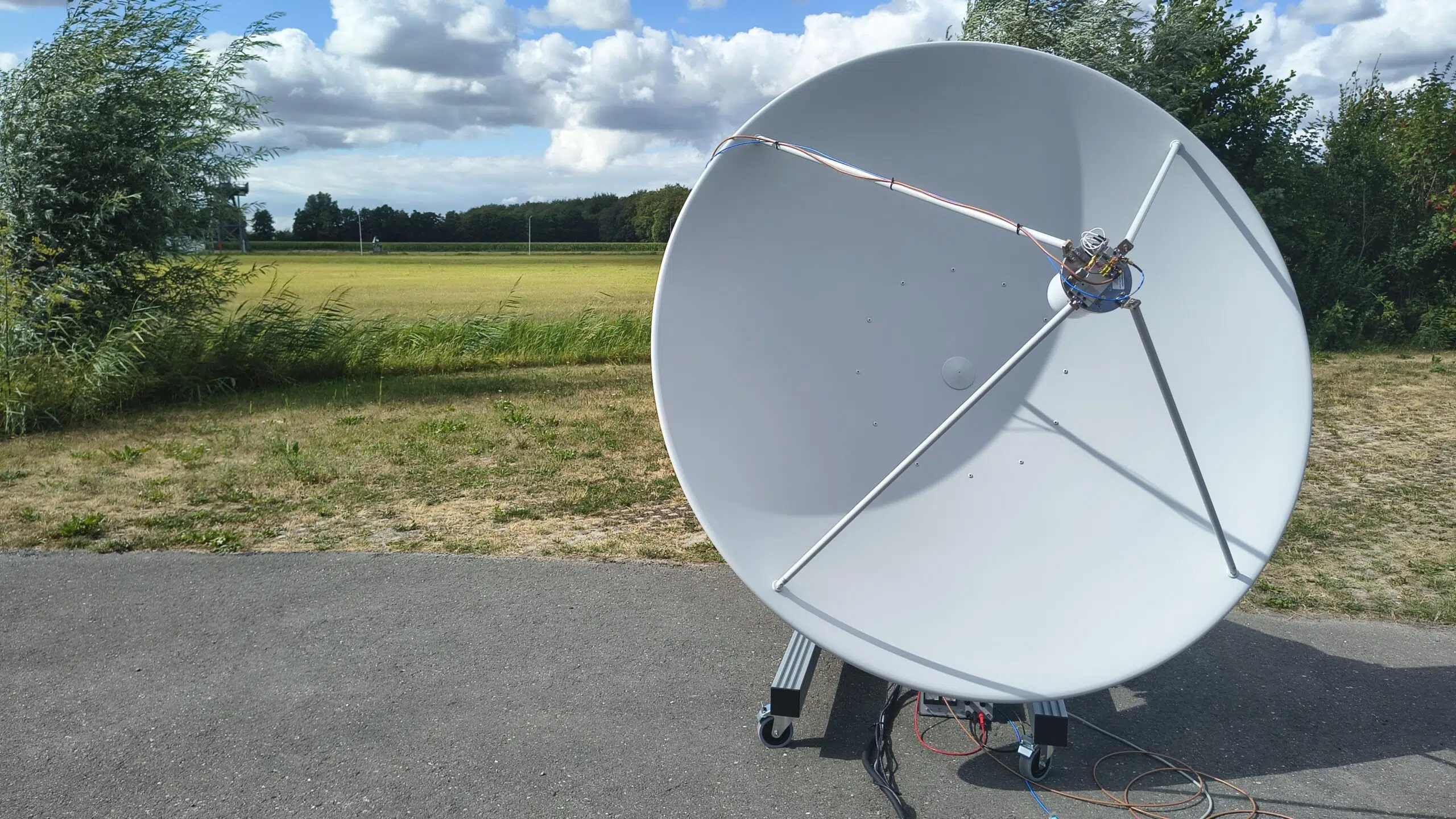
R&D case: Space Situational Awareness for a safer space environment
The use of the space domain is becoming increasingly important, leading to a surge in satellite launches for various purposes. Currently, around 35,000 space objects larger than 10 cm are being monitored, including approximately 18,500 active satellites, in order to predict close encounters, detect anomalies, and avoid collisions. Understanding the orbital mechanics and characteristics of these objects is vital to ensure a safe and sustainable future space environment. This is the focus of Space Situational Awareness (SSA).
18 September 2026
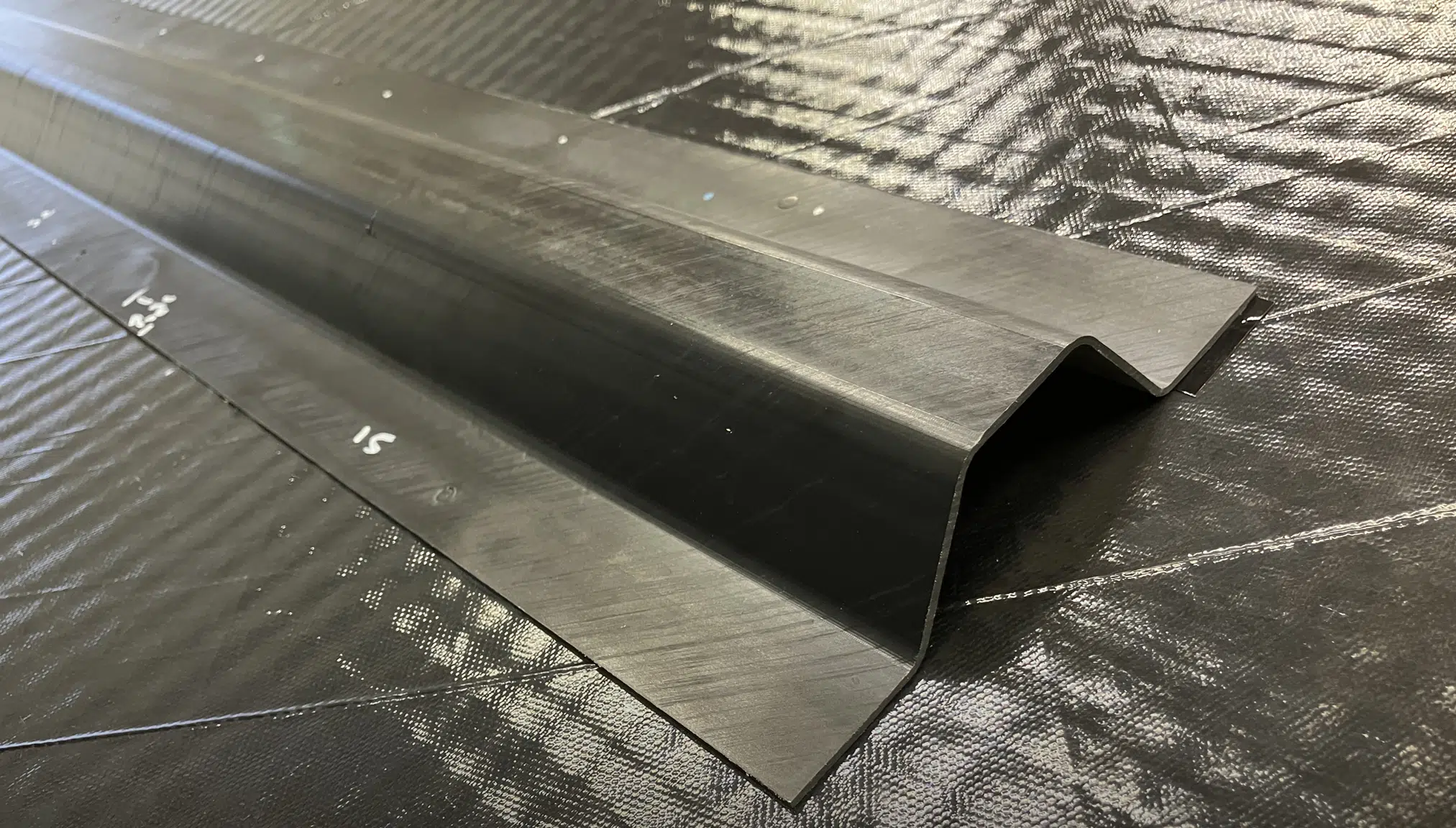
Booklet: Composites Research and Development
A key objective for more efficient and sustainable aircraft is to make lightweight, durable and affordable parts which are designed for ease of maintenance. To be allowed to use parts made of new materials like composite and metal additive printed components in an industry like aviation, all of the materials must be accompanied by the right certification. NLR takes care of the entire process, from calculation and design all the way through to manufacturing, repair and certification. NLR assesses material properties, develops structural concepts and manufacturing technologies, designs components and builds parts up to the level of full scale prototypes. Spanning the entire spectrum of product development is what makes NLR unique.
18 September 2026
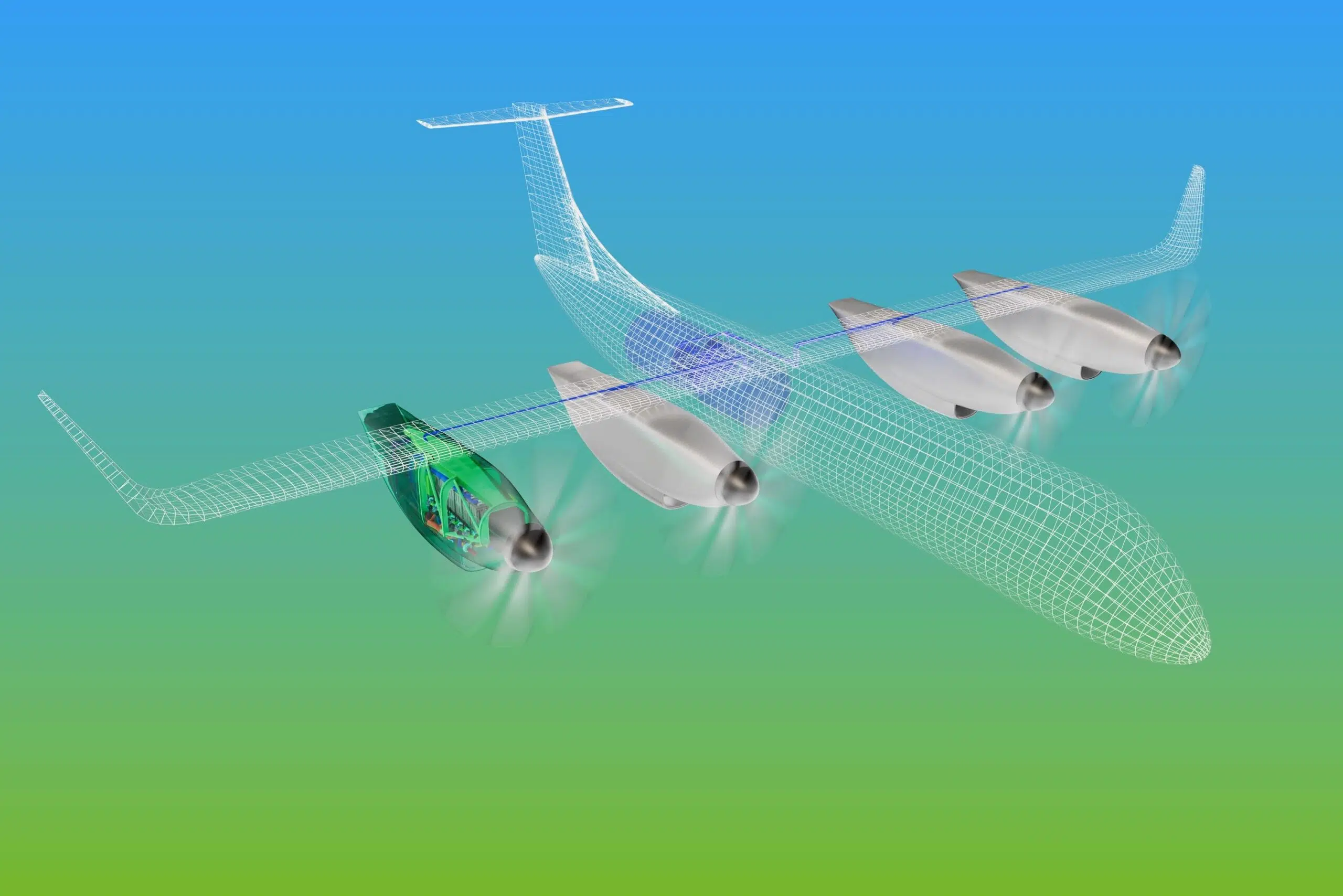
Booklet: R&D More electric and hydrogen-electric powered aerospace
Hydrogen as a fuel is considered to be an important route towards future sustainable aviation. For aviation
applications, hydrogen presents several key advantages: it allows for the elimination of carbon emissions in
flight and along the entire life cycle. Its usage in fuel cells allows eliminating NOx and particles. When burnt
in a turbine engine, very low particle emissions can be expected, as well as reduced NOx emissions, provided that the combustion system is optimised. However, water vapour emissions need to be carefully managed.
18 September 2026
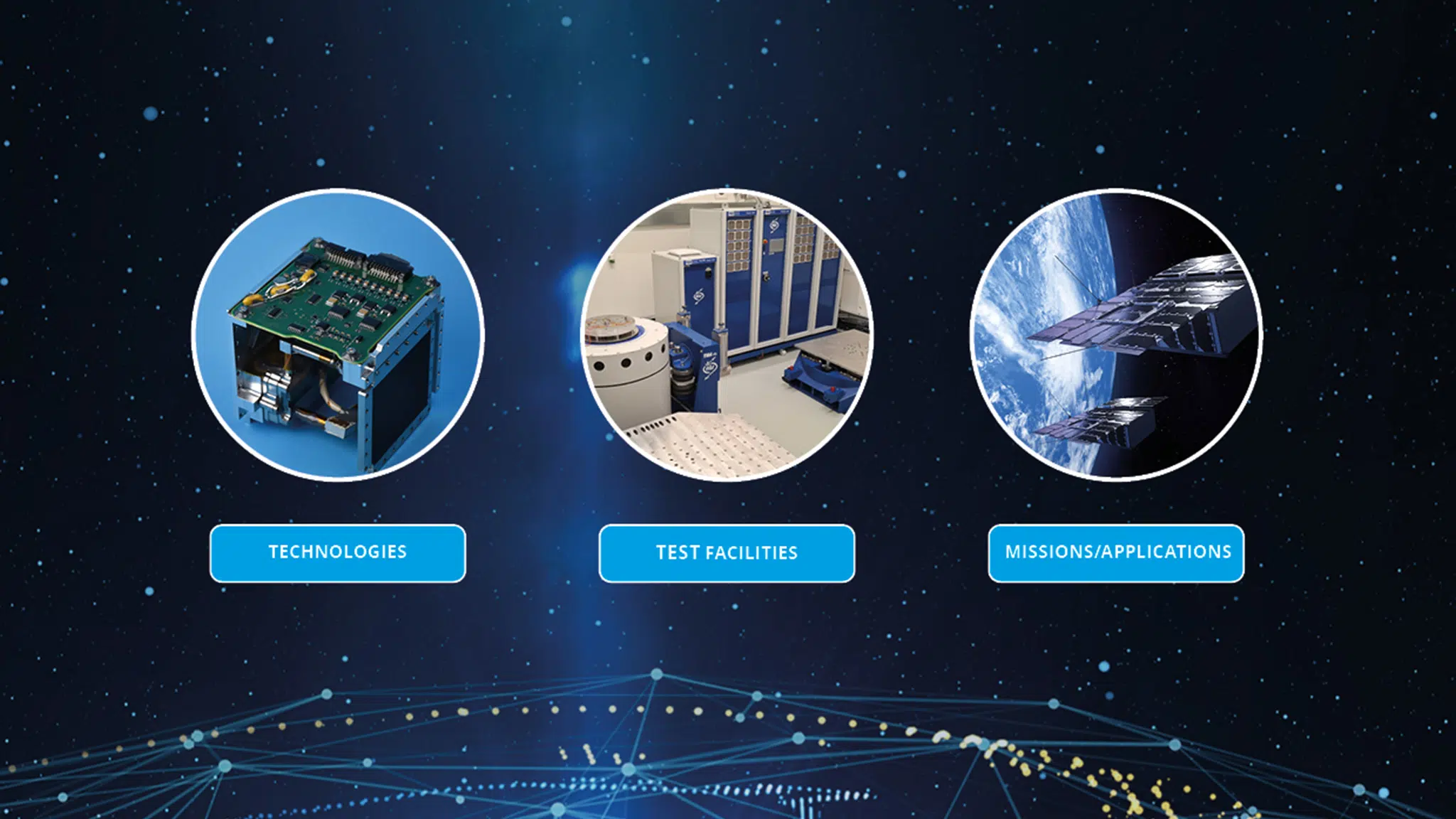
Booklet: Overview space capabilities
Royal NLR works closely with industry and government to design satellites, payloads and launchers systems, as well as subsystems, such as thermal control systems, electronics and antennas. We also invest in state-of-the-art facilities to accelerate our research and develop new space capabilities by leveraging our expertise in aerospace-qualified lightweight composite structures, multi-metal additive manufacturing, and the effective use of Earth observation and satellite navigation data for both civil and military applications.
17 September 2026
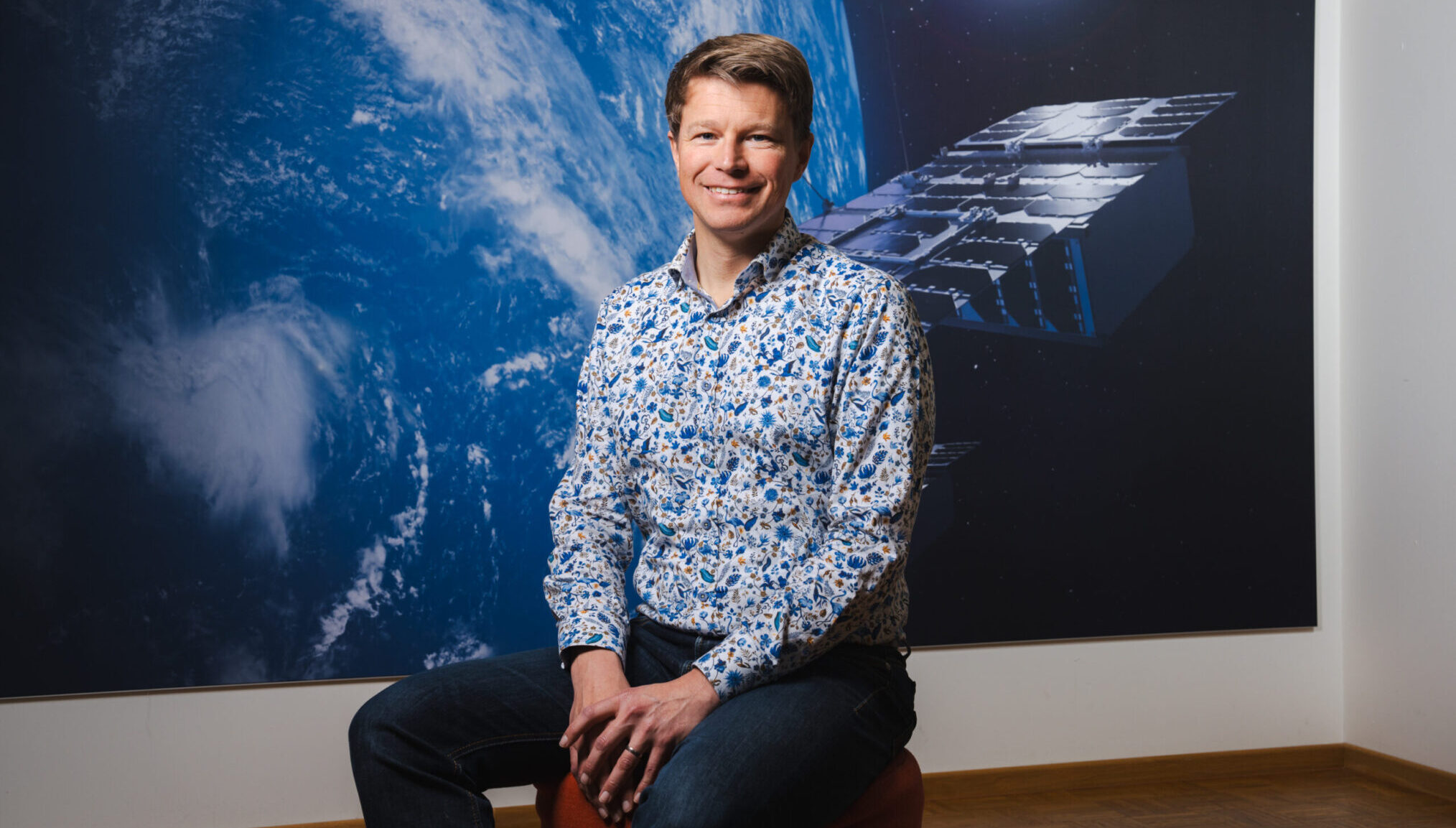
NLR People: Sybren de Jong, How reliable electronics ensure success in space
In the series ‘NLR People’, we show you who the experts at the Royal Netherlands Aerospace Centre (NLR) are, what drives them, and what they are working on behind the scenes. In this episode: Sybren de Jong, principal R&D engineer space avionics.
16 September 2026
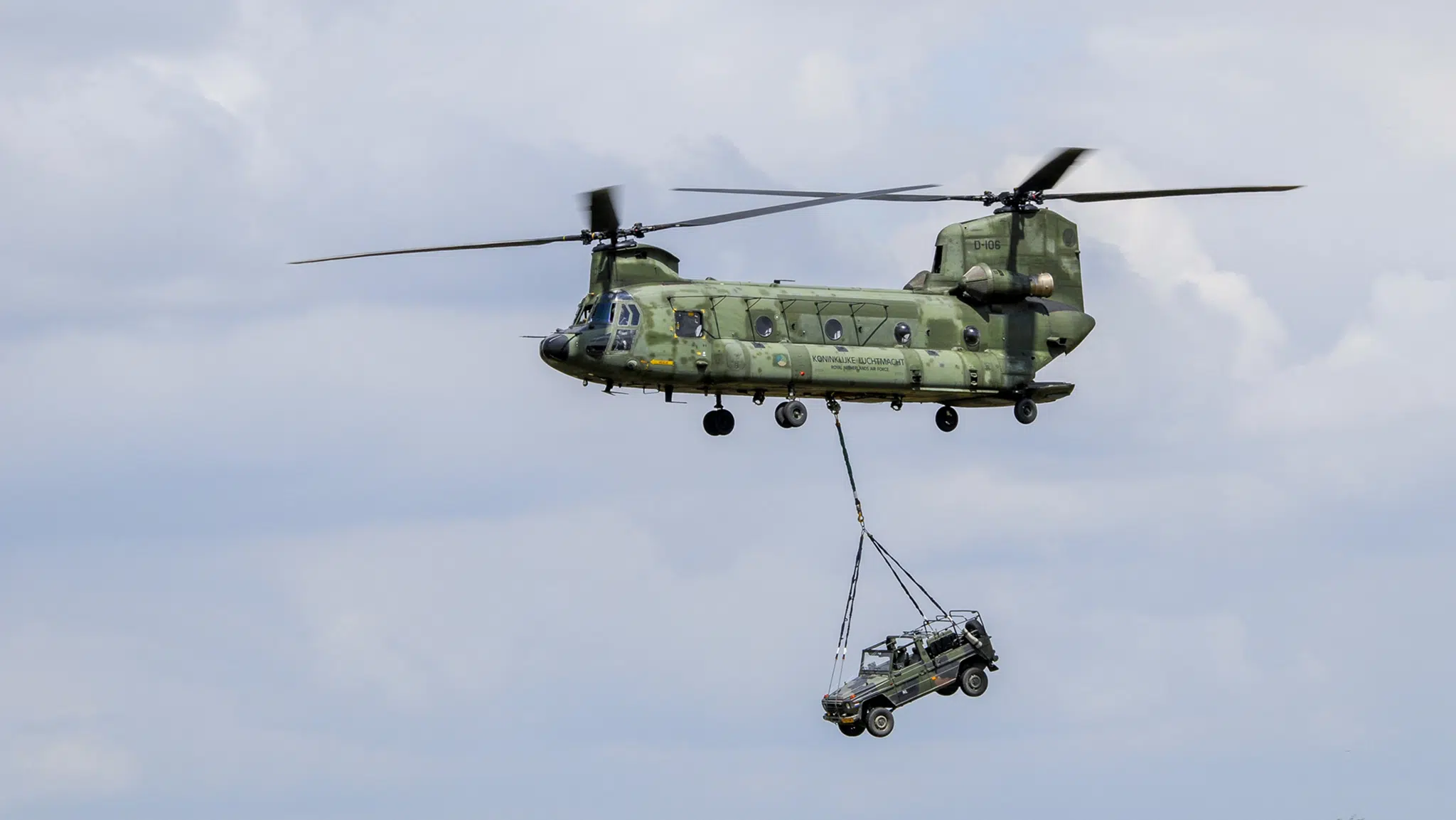
NLR hosts meeting of worldwide rotorcraft experts
The international community of rotorcraft researchers gathered in Amsterdam recently, for the European Rotorcraft Forum 2026, co-organised by the Netherlands Aerospace Centre (NLR). Participants appreciated the high level of lectures and a well-organised event.
08 September 2026
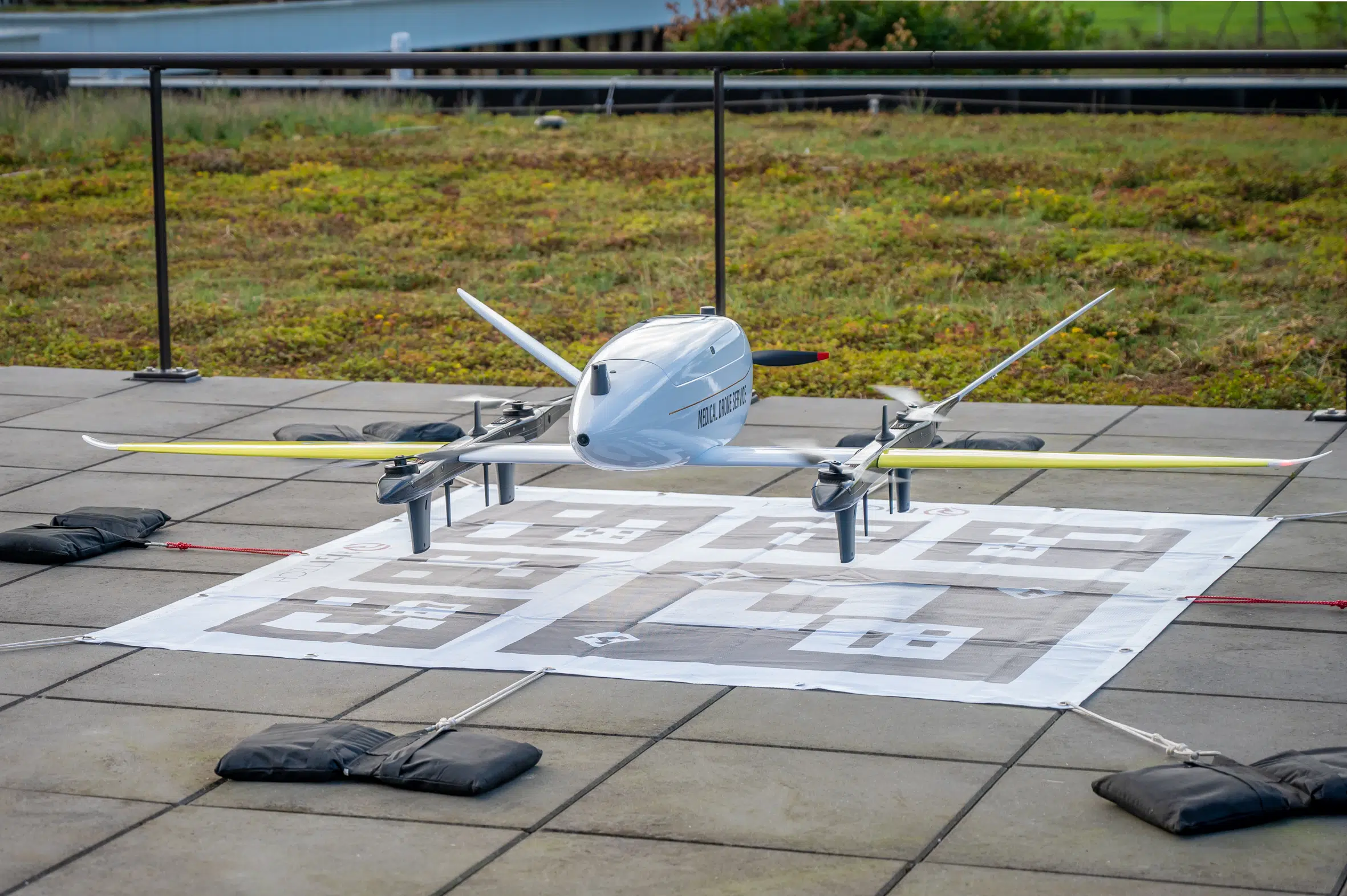
NLR system enables safe flight of medical ANWB drones
Over the past year, Royal Dutch Touring Club (ANWB), the Netherlands’ leading touring and mobility organisation, flew a drone carrying medical supplies between hospitals in Zwolle and Meppel. To ensure safe flight, they used FlightCatcher, a system that tracks all air traffic around the drone corridor and alerts the operator if any other aircraft enter the area.

31 August 2026
R&D case: Streamlining validation in ATM using remote simulations
Project: VISORS (Validation Infrastructure Supporting Remote Simulations)
Sign up for the NLR newsletter to receive our latest news, recent developments, new insights, reports and whitepapers, as well as our calendar of upcoming trade fairs and events.