The impact on obsolete designs on the EU’s strategic autonomy is already significant and the risk of ceding ground to non-EU competitors is real. MaJoR will deliver new systems with superior mission capability. They will be more affordable, scalable in production, and sustainable in manufacturing and service thus
strengthening Europe’s security and defence capability by 2030. The project also has an ambition to help unlock the full potential of the EU’s defence industry, in particular by supporting small and medium-sized enterprises (SMEs) and start-ups.
Approach
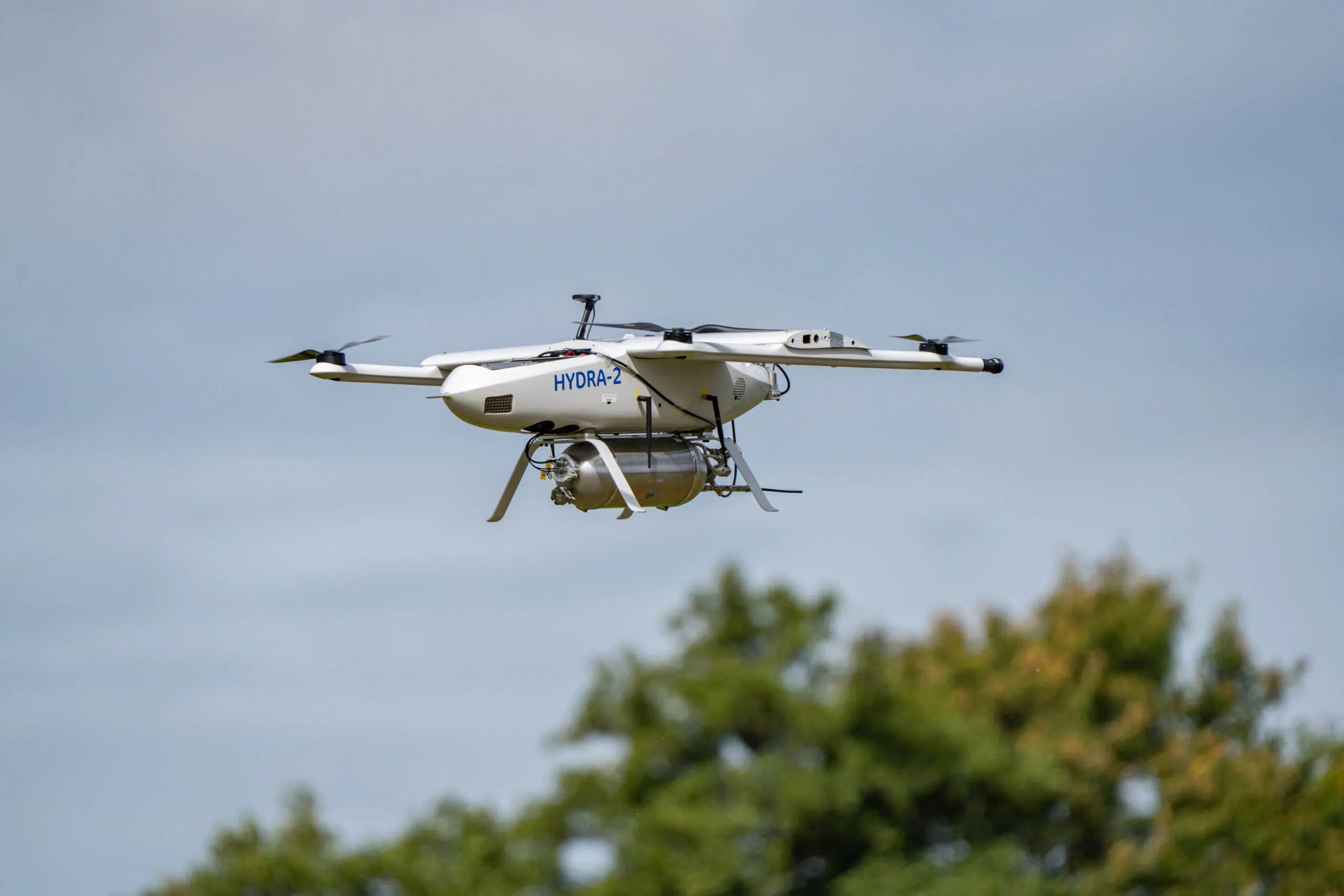
MaJoR answers this need for modernisation by advancing and demonstrating the benefits of various maintenance, joining and repair technologies through domain specific demonstrators. Current designs have short life spans and face high repair and maintenance costs, ultimately resulting in surging replacement costs. They also depend on raw materials for their manufacturing, and increase dependencies
of the supply chain with non-EU suppliers.
To increase the air, land and sea platform durability, while decreasing the economic and geopolitical impacts of obsolete designs, MaJoR will:
- Level the playing field between achieved maturation of technologies and
processes across domains. While advanced materials like composites are
common in aerospace, it is an emerging technology for land-based vehicles
and ships. - Push technologies and test them using demonstrators in each domain, with
the aim of reducing the cost, weight, lead time, vehicle signature, and
increasing the space efficiency and vehicle availability. - Use the partners’ vast experience in their respective fields and synergistically
help to shorten the development time despite contradicting requirements in
each domain. - Augment the platform development with financial support to third parties,
such as SMEs, and introduce new technologies and services through funded
developmental activities that the consortium can evaluate and absorb
within the project.
Ultimately, MaJoR will strengthen the European industrial network by encouraging
Europeans to cooperate more closely and ensure the future of their own Defence
Technology Industrial Base.
Consortium
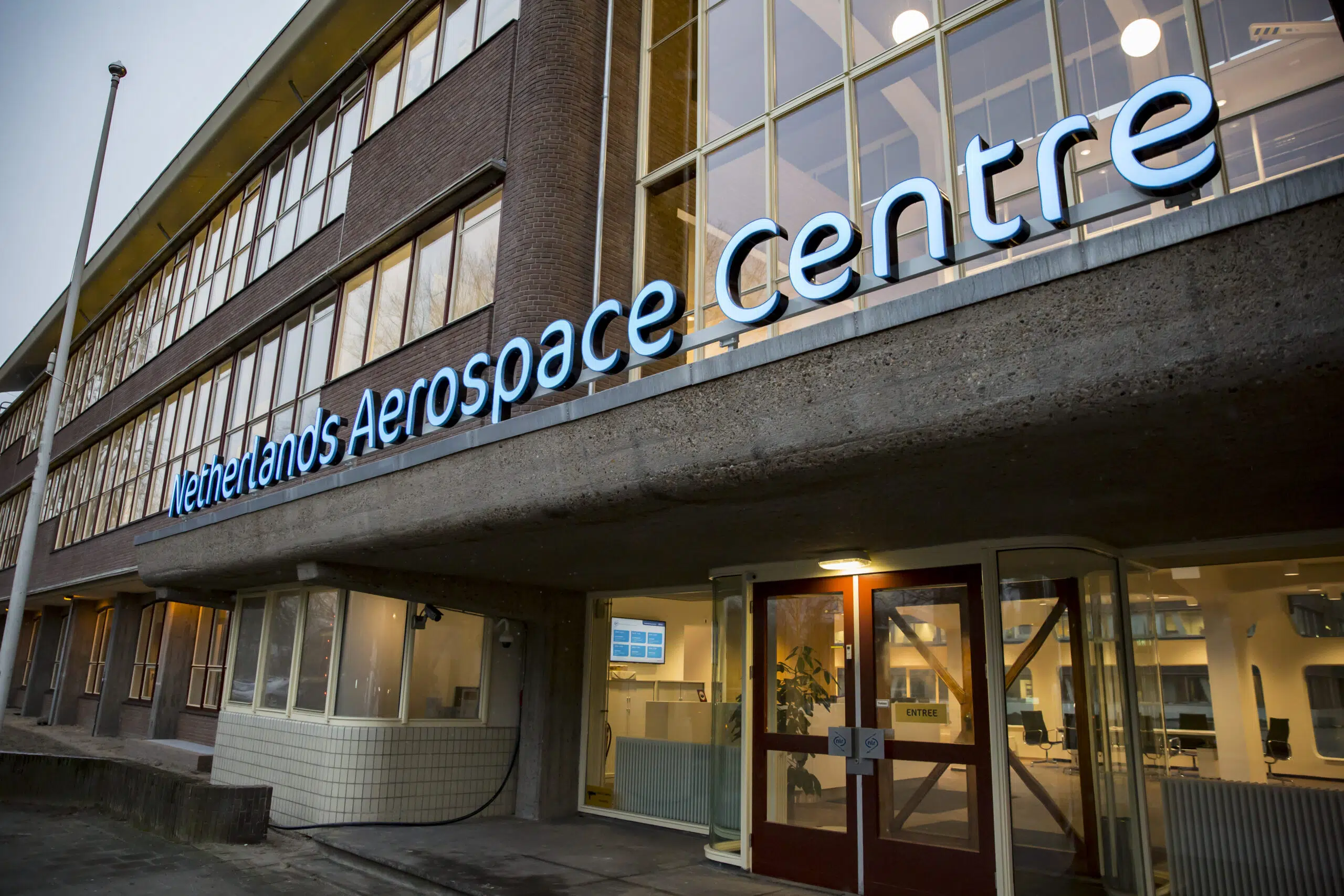
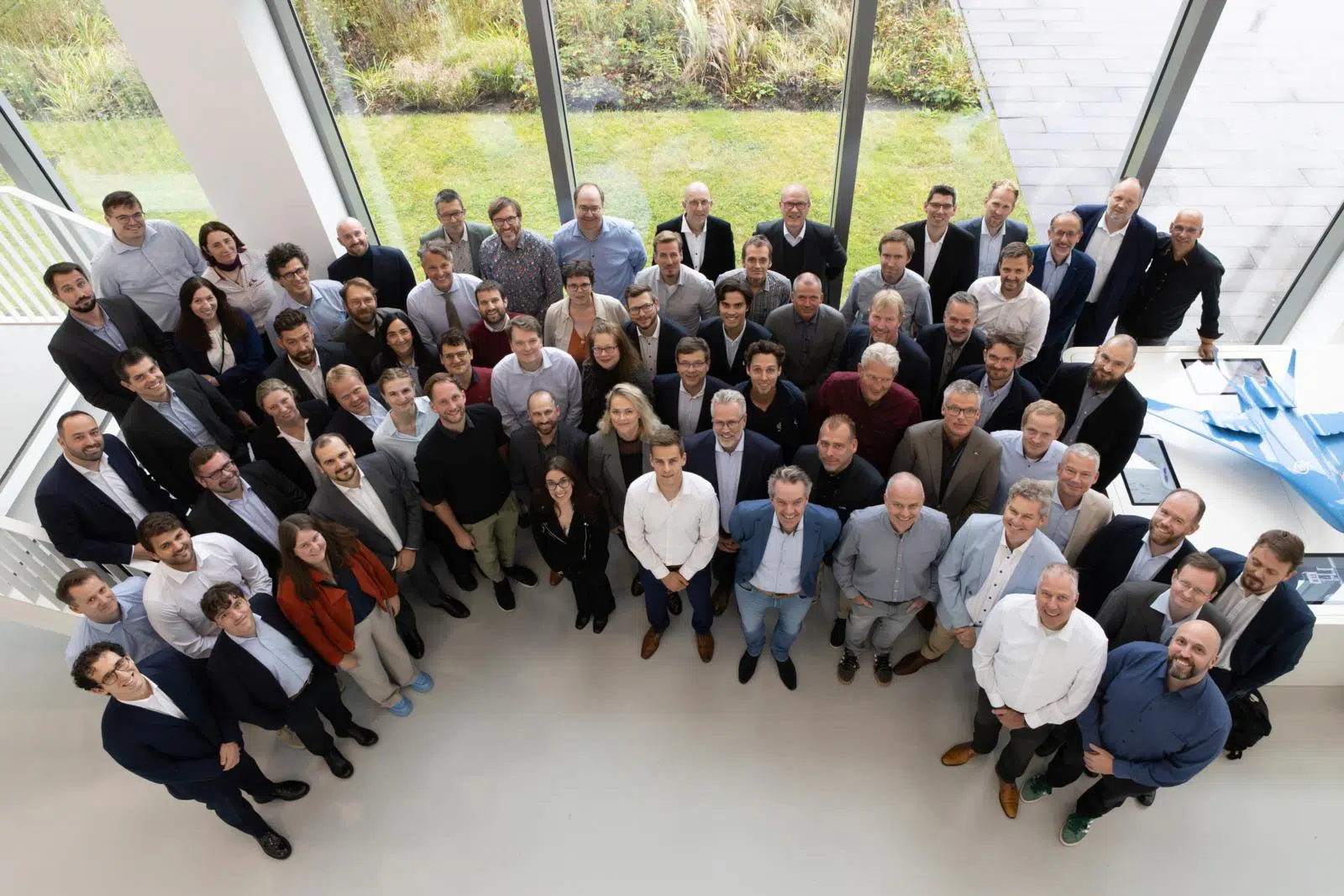
The MaJoR consortium is coordinated by Royal NLR – Netherlands Aerospace Centre (NLR) in the Netherlands, and consists of 11 research centres, 2 universities, 14 large companies, 8 SMEs, and 3 other organisation types. A total of 38 entities, covering 10 Member States, will help build a cross-border defence network.
Funded by the European Union under GA no 101167891 – MaJoR. Views and opinions expressed
are however those of the author(s) only and do not necessarily reflect those of the European
Union or the European Defence Agency. Neither the European Union nor the granting authority
can be held responsible for them.