During his studies in Aerospace Engineering at Delft University of Technology, CEO and founder of Emergent, Lennart Bult, came into contact with NLR. In a pilot collaboration via NLR’s Living Lab, NLR helped Emergent develop an autonomous UAS concept. This collaboration strengthened mutual trust and led to further intensification of the collaboration.
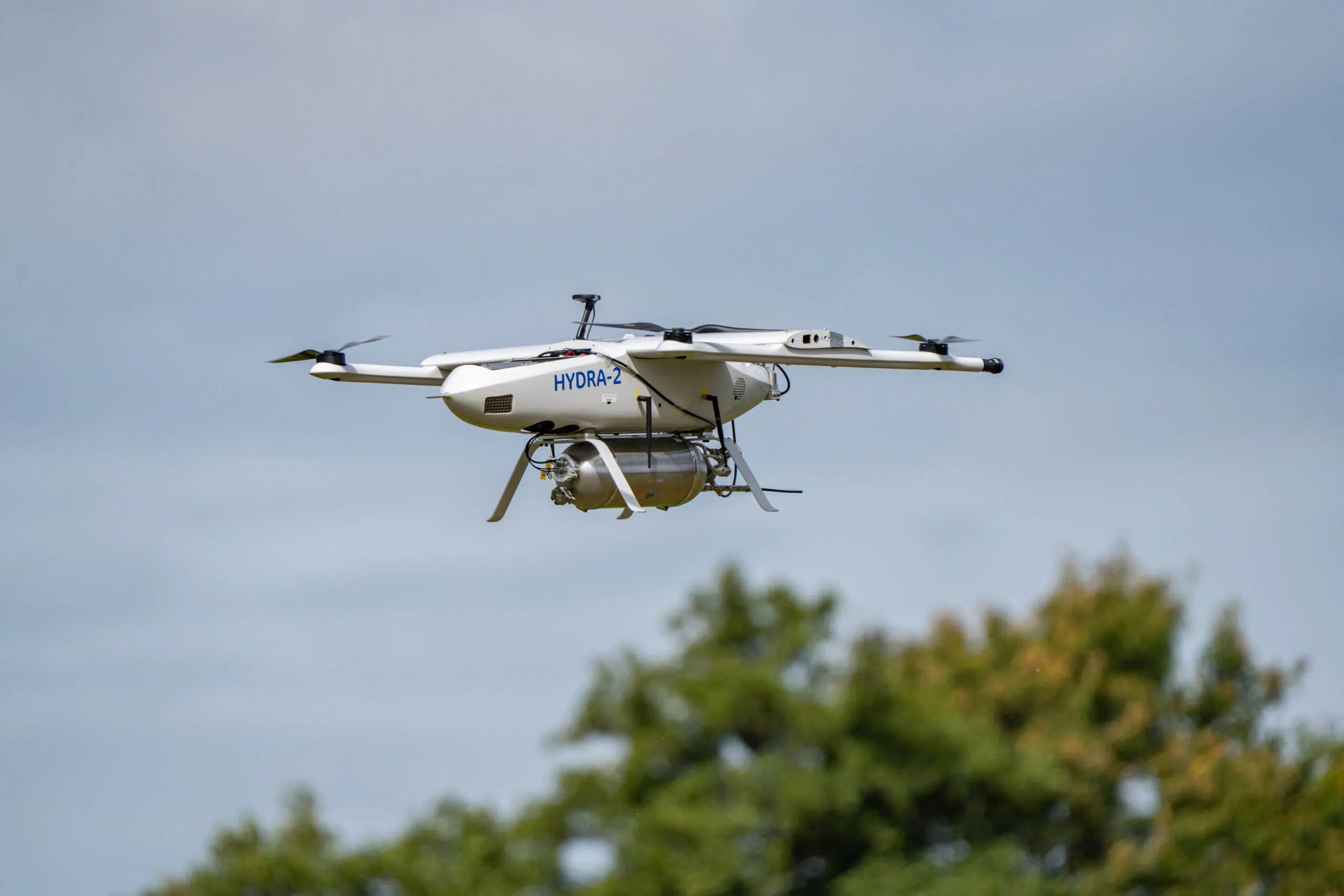
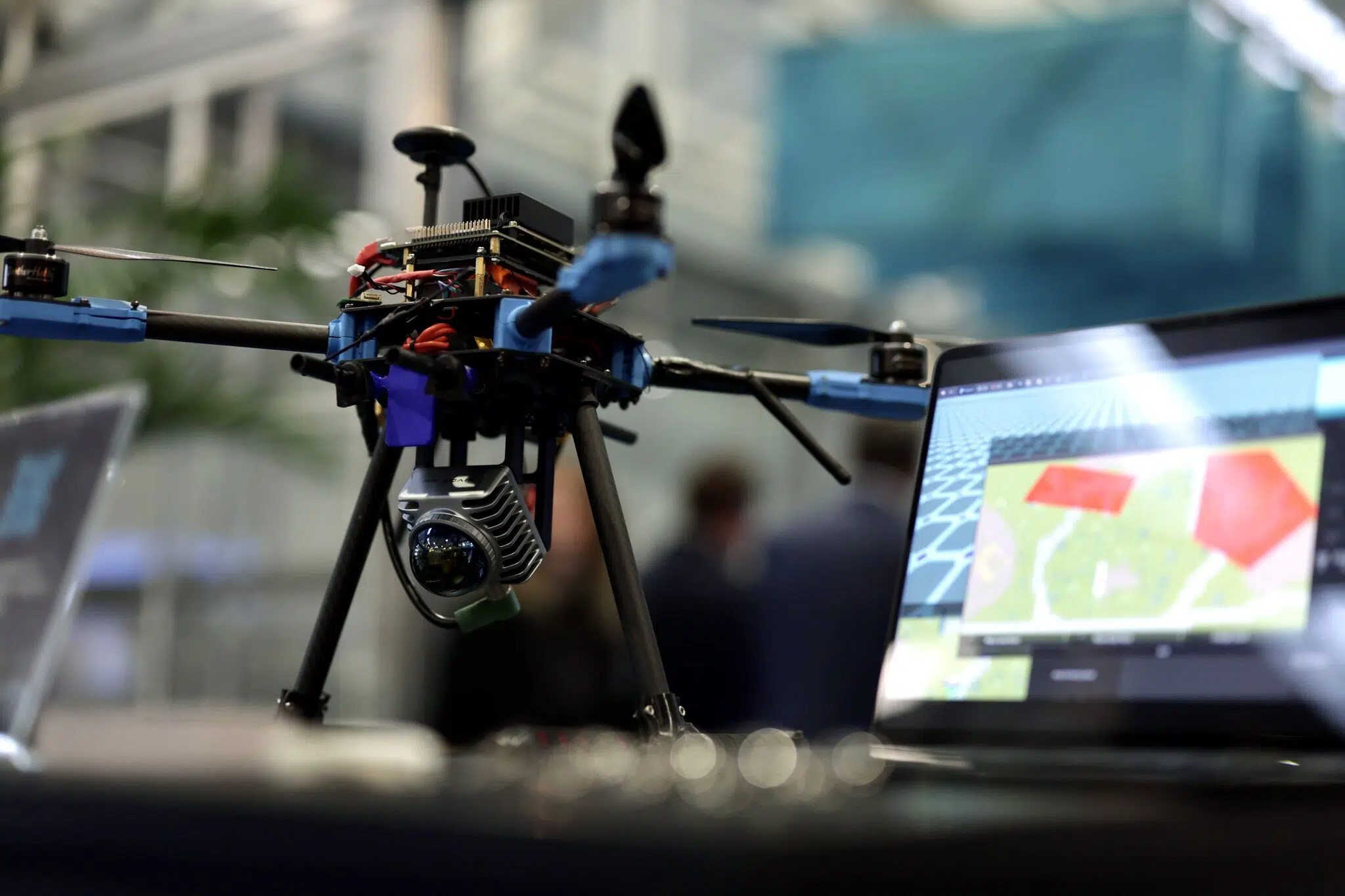
In 2024, the FORESIGHT project was set up to test and validate technology for an autonomous drone. During this project, autonomy software was demonstrated on a drone platform with applications such as obstacle avoidance and GPS-less localisation. Our experts helped develop a test plan and validate the technology within this project.
A powerful start for an intensive collaboration
Project FORESIGHT was an important step in the collaboration between Emergent and NLR. The result was a successful demonstration of their autonomous drone software, which was later converted into an operational demonstration for defence operations presented during the launch of NLR’s Quick Response Drone Facility.
“The collaboration with NLR has not only helped us develop our technology but also helped us secure funding and access new markets,” says Lennart Bult.
Emergent was also one of the partners in developing a system against interceptor drones, a challenge that Minister of Defence Ruben Brekelmans posed to NLR in his speech during the launch of the QRDF. The result was an operational autonomous quadcopter capable of evading interceptor drones or projectiles, developed in just 6 weeks. This has not only led to innovative technology but also to a better understanding of the possibilities and challenges of autonomous drones and autonomous technology.
“Through collaboration with NLR, we are pushed to deliver within a short timeline without compromising on quality. Additionally, it provides us with technical validation from a renowned organisation,” says Lennart.
Working together towards growth and innovation
The collaboration with Emergent is a great example of how NLR can support startups in developing their technology and achieving their goals in a low-threshold manner. This experience of small-scale collaboration with a start-up that grew into a larger collaboration was one of the drivers for the further development of the NLR Startup Program. Our experts and facilities offer a combination of knowledge, expertise, and resources that startups need to innovate and grow.
“There is an extensive knowledge base at NLR. If we don’t know something, we can ask. Together, we come up with the best solutions. We look at where we are strong, where NLR is strong, and how we can add value to external companies and increase our own value. 1+1 is 3, after all. We are grateful for the support of the Living Lab team and the QRDF team,” says Lennart.
Is your startup working hard to develop innovative technology and could you benefit from NLR’s knowledge and expertise? Please contact us to discuss the possibilities. Together, we will look for a suitable trajectory.
About Emergent
Established: August 2023
Number of employees: 9 + 1 intern
Core business: specialised in developing software for autonomous and swarming drones, which can fly fully autonomously in complex environments, without GPS and communication.