Booklet: Fit for purpose training

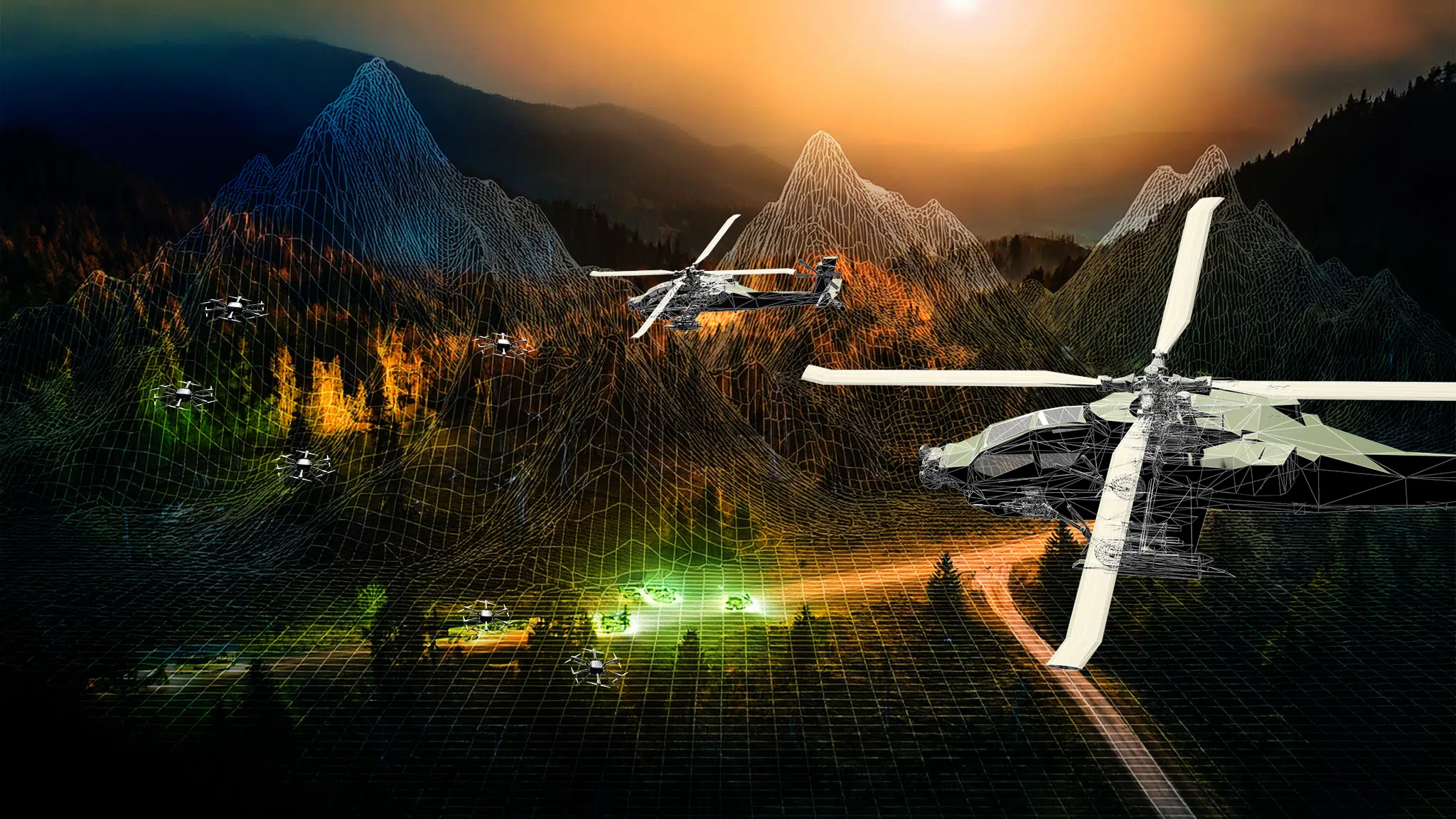
Royal NLR is specialised in creating innovative training and simulation programmes for military forces and other clients. Our primary objective is to make training more effective and efficient. Our vision for military training is centred around competency-based and performance-based training (PBT) concepts that incorporate the integration and interoperability of live, virtual, and constructive elements. We take a meticulous approach that involves a thorough process of analysis, design, development, and implementation in close collaboration with our clients. By leveraging our expertise and cutting-edge technology, we aim to provide tailored solutions that meet the unique needs of our clients and enhance their training experiences.
Latest Downloads

Platform System Design

04 June 2026

Brochure: Wind tunnel modelling and testing

When an aircraft model enters a wind tunnel, it's a decisive step in development. Years of development, simulation and numerical analysis are about to face measurable reality.

NLR Aeroacoustic Wind Tunnel - AWT at NLR Marknesse
NLR corporate

04 June 2026

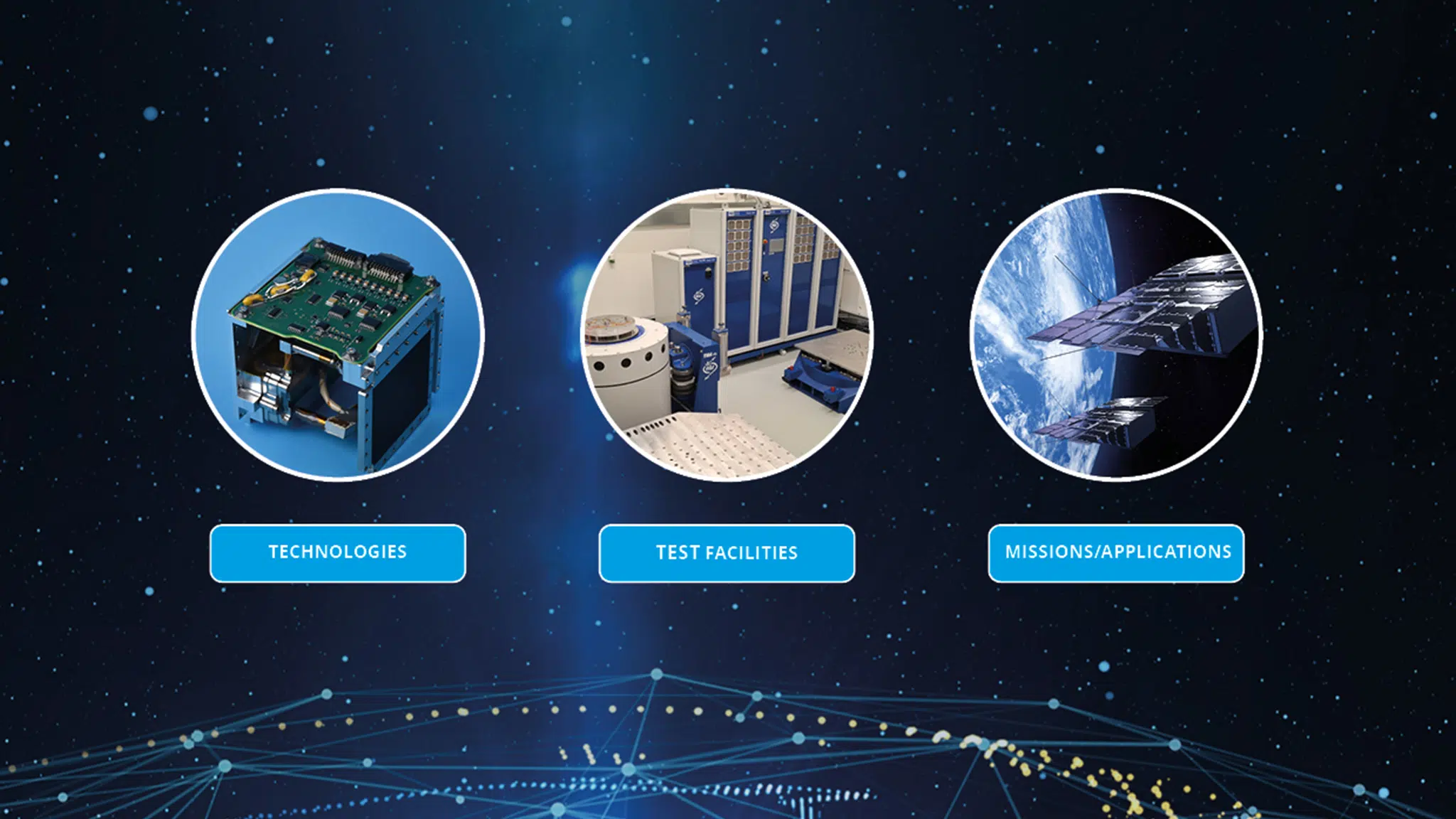
Brochure: Research infrastructure

NLR’s research infrastructure comprises a diverse range of facilities and equipment, forming the
foundation of our applied research. Our state-of-the-art facilities are accessible to companies and
other research institutions, allowing for collaborative innovation. In this brochure we present a modest
part of our extensive facilities for aviation, defence and space applications with which we can support
your research projects and R&D activities.

Sustainability and Environment

04 June 2026

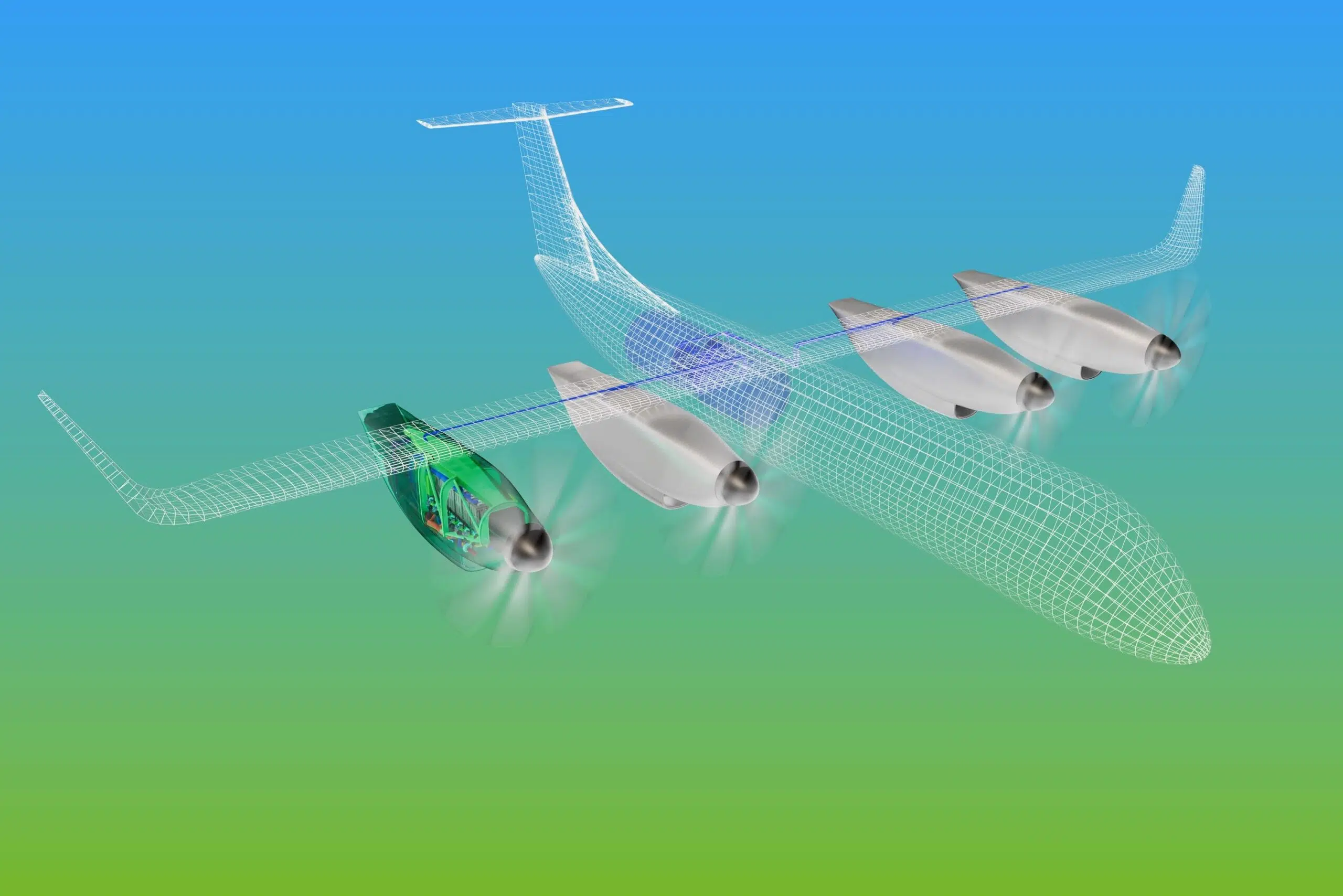
Booklet: R&D More electric and hydrogen-electric powered aerospace

Hydrogen as a fuel is considered to be an important route towards future sustainable aviation. For aviation
applications, hydrogen presents several key advantages: it allows for the elimination of carbon emissions in
flight and along the entire life cycle. Its usage in fuel cells allows eliminating NOx and particles. When burnt
in a turbine engine, very low particle emissions can be expected, as well as reduced NOx emissions, provided that the combustion system is optimised. However, water vapour emissions need to be carefully managed.