
Training and Simulation
26 October 2022
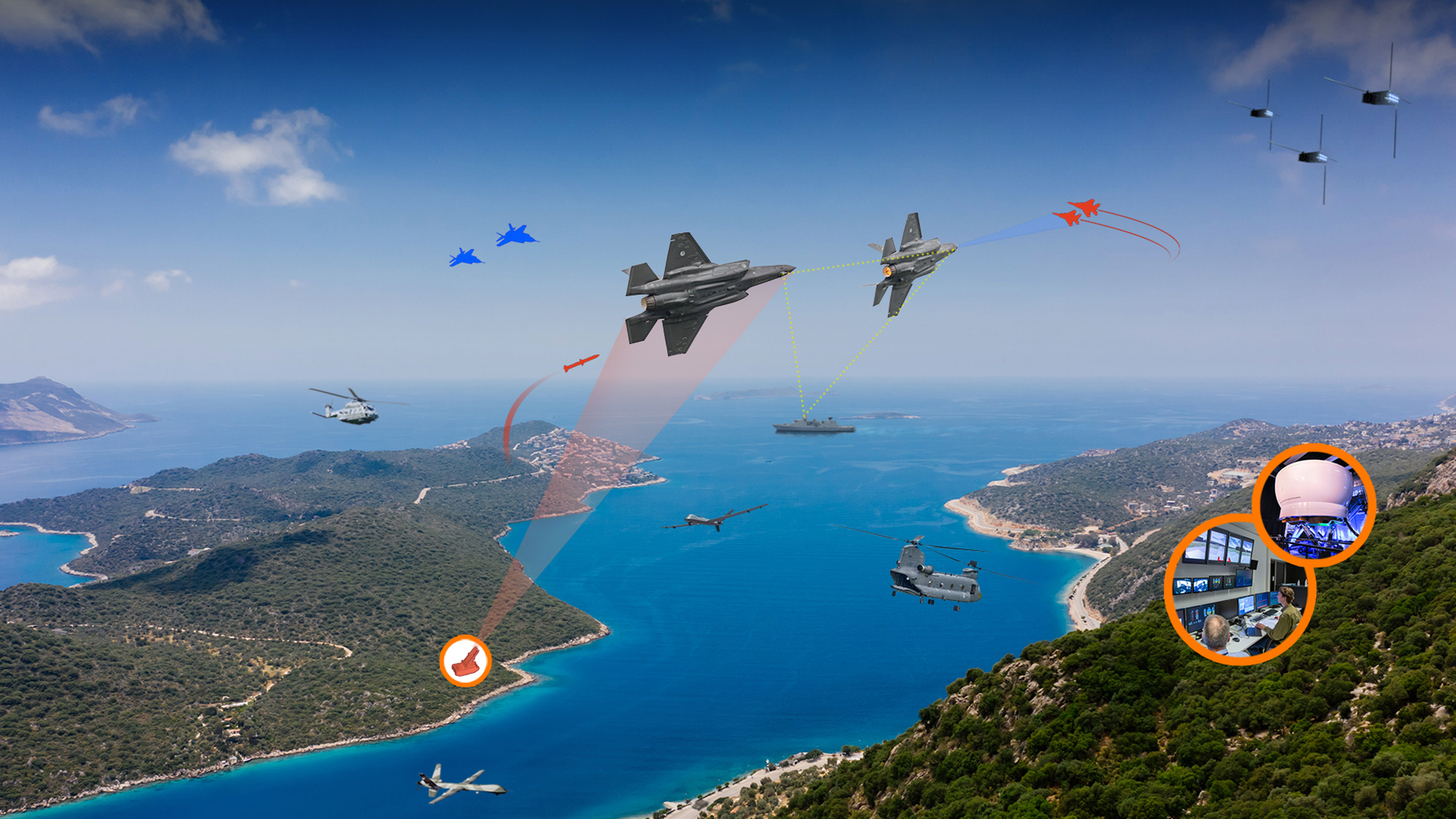
R&D case: LVC for Joint and Combined Air Power
Live, Virtual and Constructive elements in one training environment
26 October 2022
Live, Virtual and Constructive elements in one training environment
21 October 2022
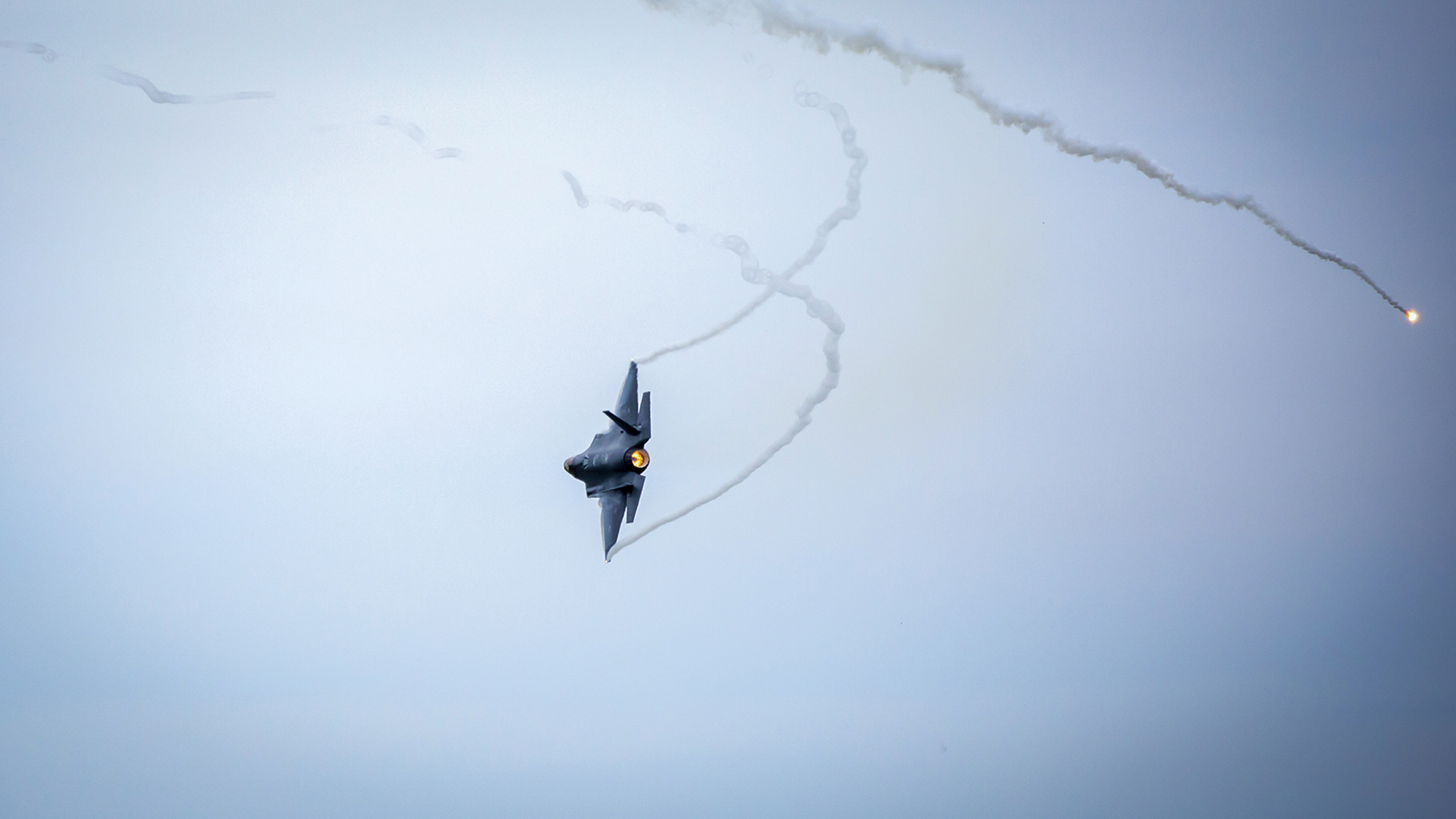
Diverse and realistic scenarios for fighter controller training. Fighter controllers are essential for the safety and effectiveness of fighter pilots. They provide the pilots with a complete and correct air picture. Fighter controllers must be well trained to observe, assess and communicate in rapidly evolving situations. This includes training scenarios that are diverse and have realistic fidelity and scale in terms of the platforms involved and their behaviour.
23 September 2022
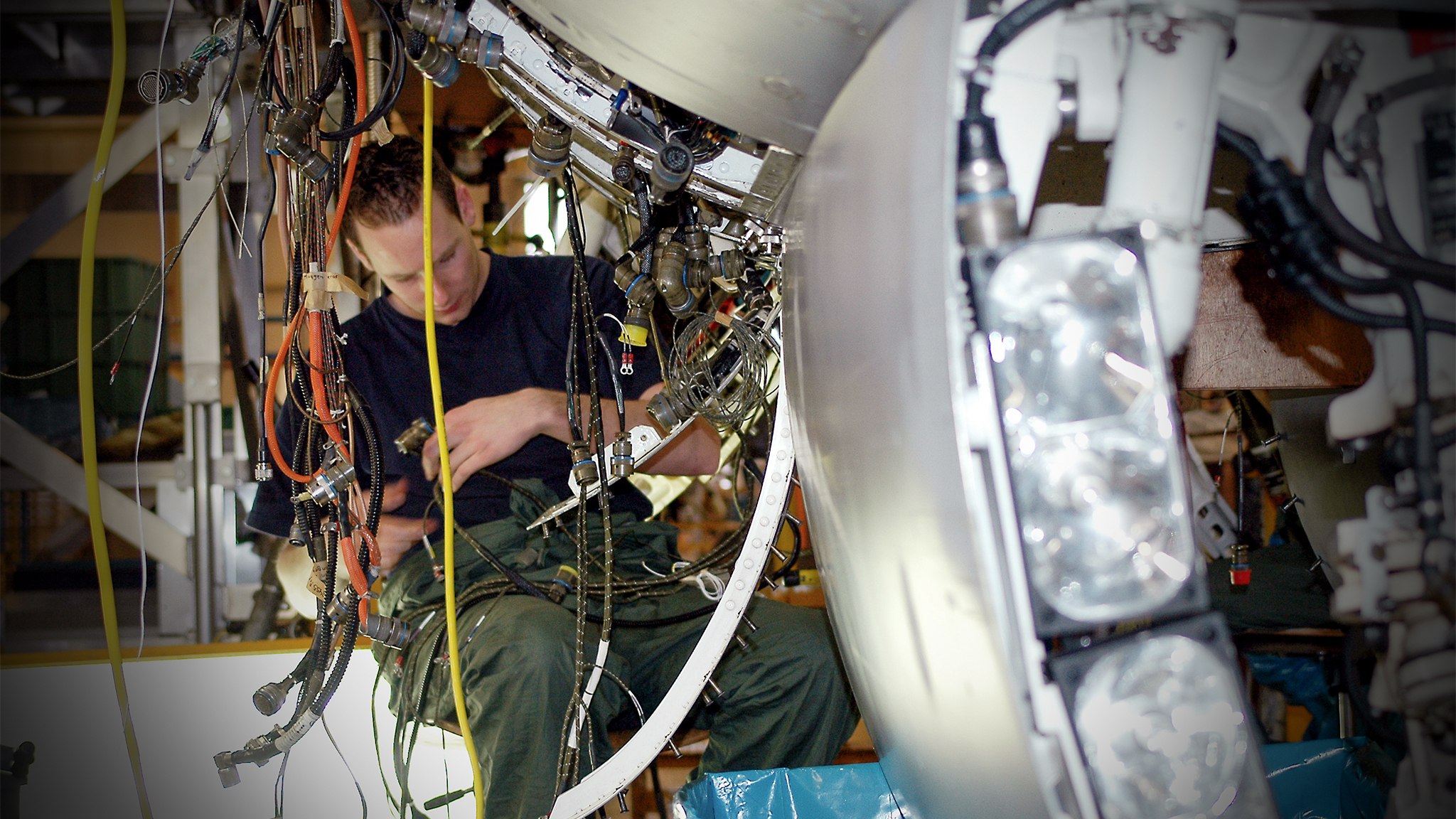
Development of maintenance training as a result of changed regulations
16 September 2022
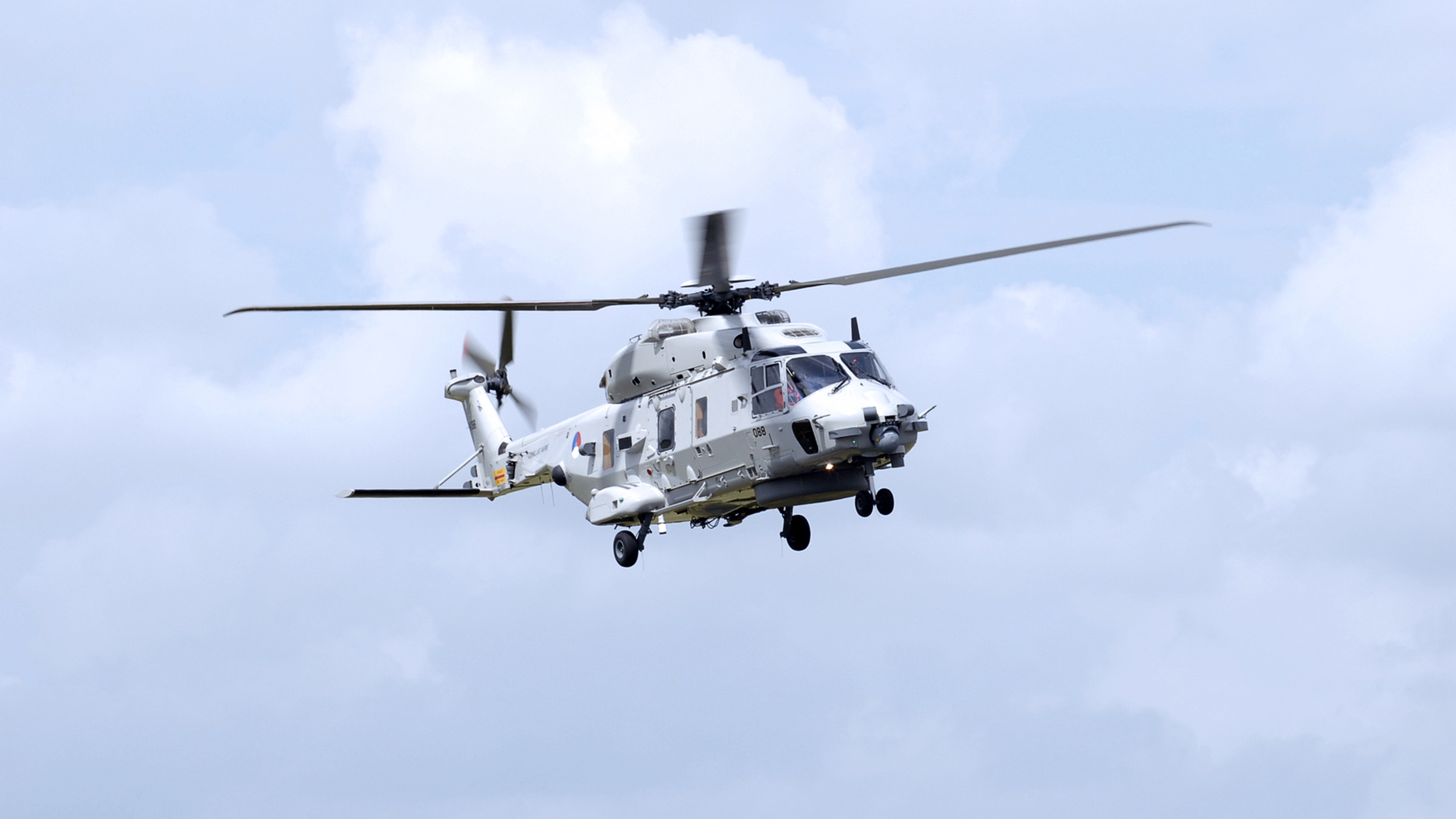
Evaluation of NH-90 simulation device compliance
14 September 2022
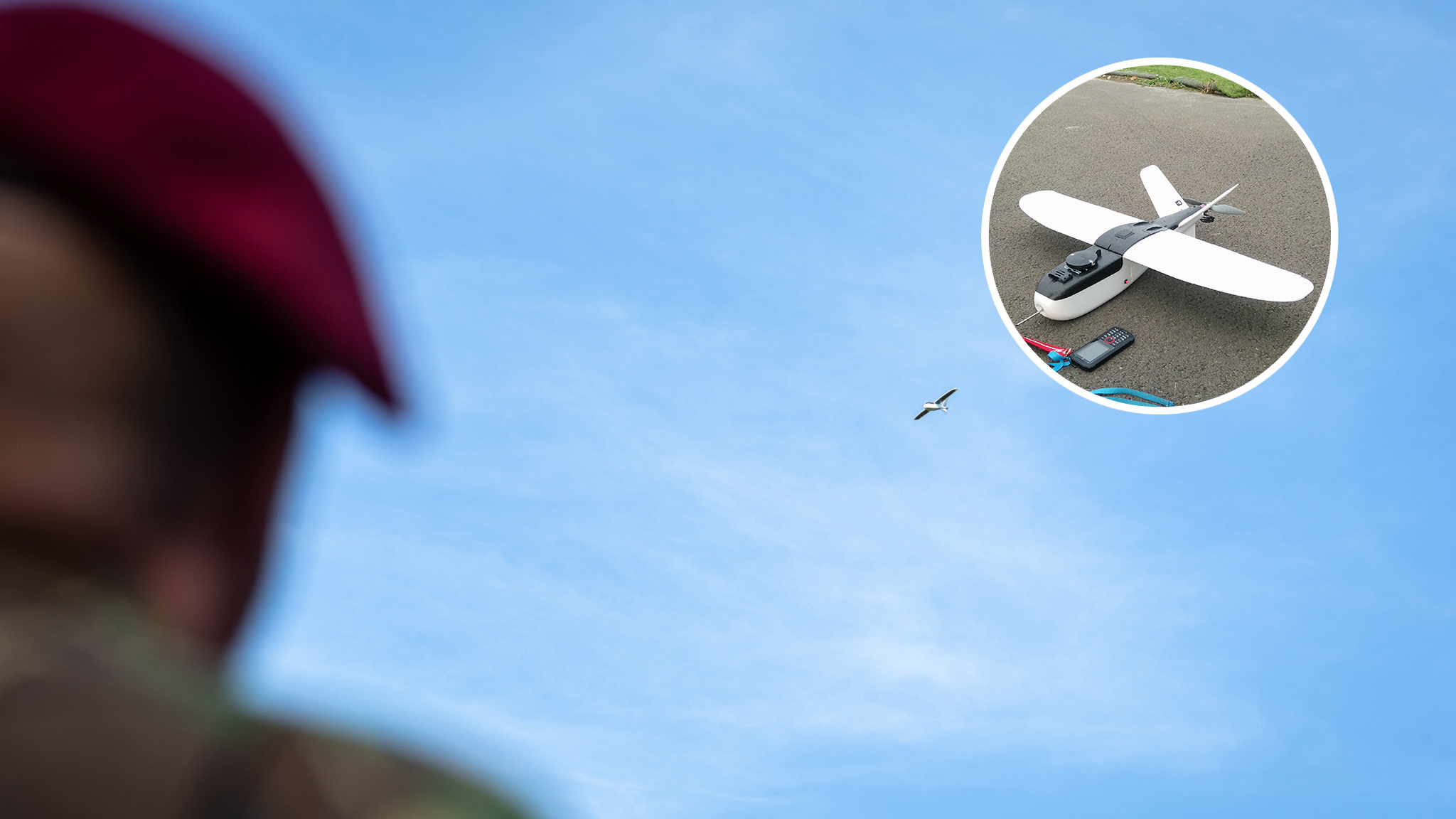
Small and silent drones for mission landing zone reconnaissance. Selecting a good landing zone in an uninhabited area requires a good and extensive exploration of the terrain by specialists. This is a time-consuming activity that sometimes has to be done in silence. Possible locations are identified using digital maps and satellite data, but that data can be outdated and is usually not very detailed. That is why an initial check of the location is needed with current, up-to-date and more accurate recordings. ‘Pathfinders’ are sent ahead by parachute to explore the area with small drones that fit in a backpack, in addition to their survival gear and weapons. In the Mission Landing Zones (MILZ) project, the partner CGI developed software that can automatically identify possible landing zones based on operational criteria and data from maps and satellites. A quick on-site reconnaissance of the possible landing zone is preferred for updating and refining the data
07 September 2022
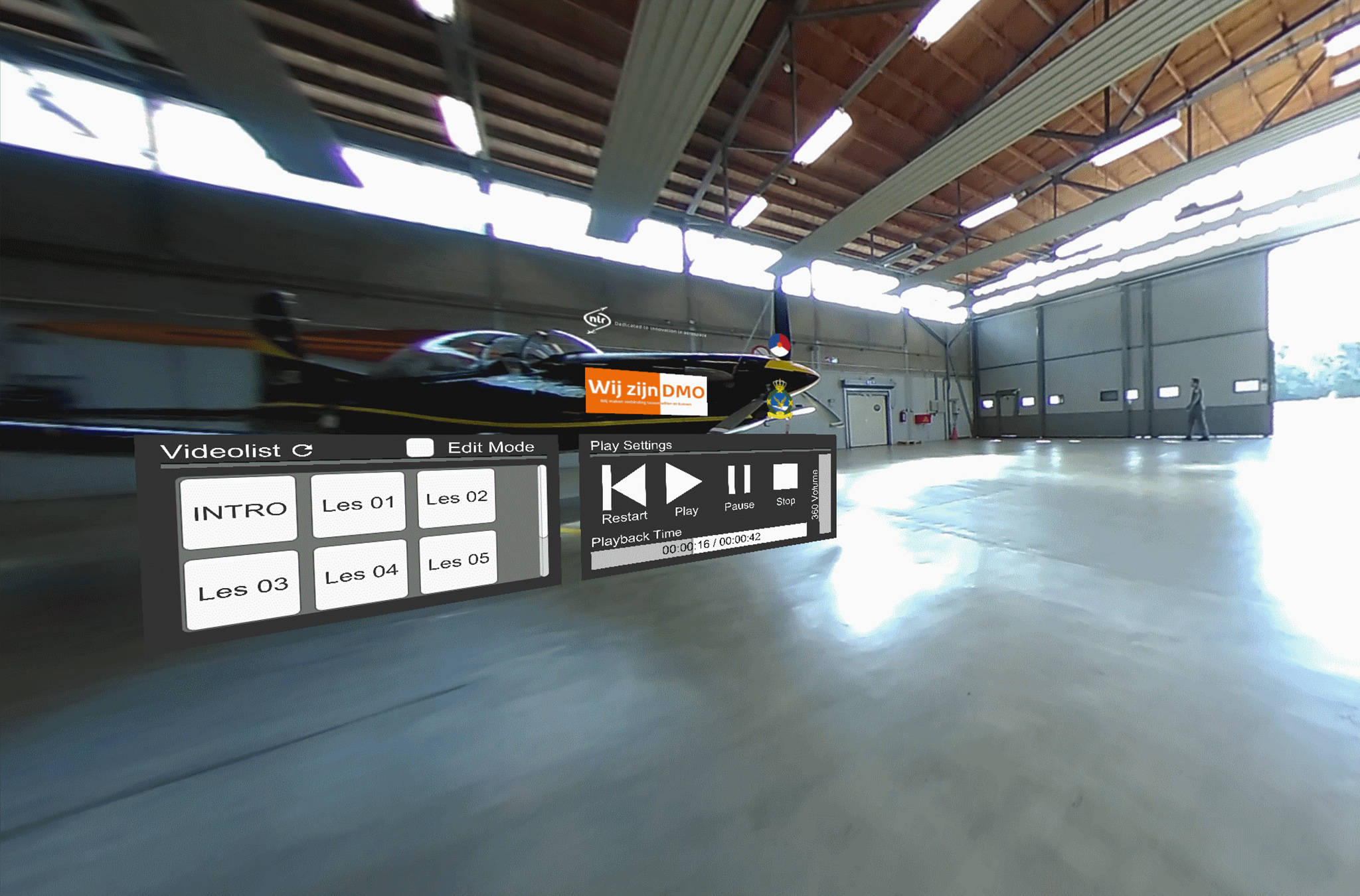
Virtual Reality training made easy for both trainee and instructor
24 August 2022
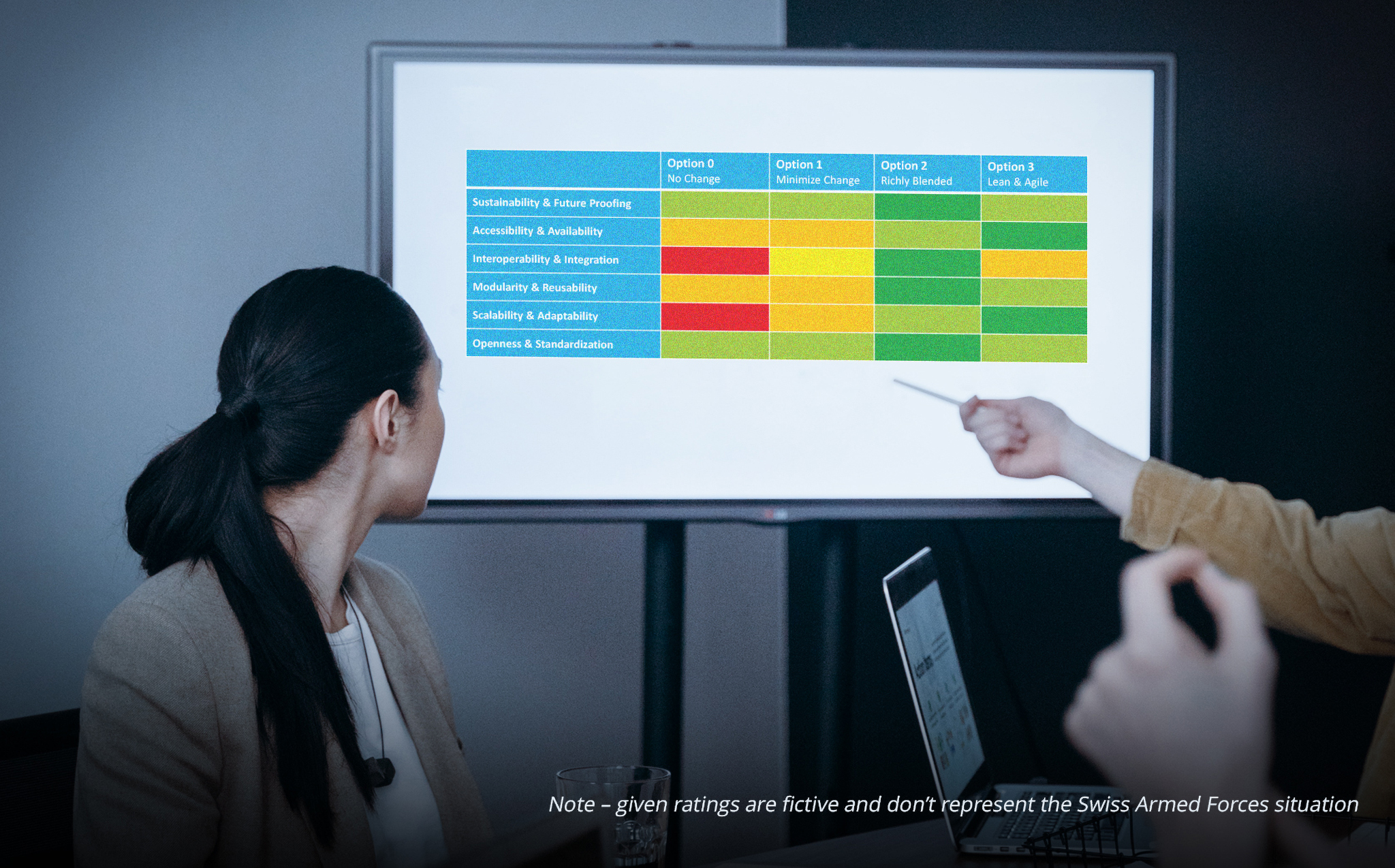
Formulation of training and simulation vision including a roadmap for implementation
14 June 2022
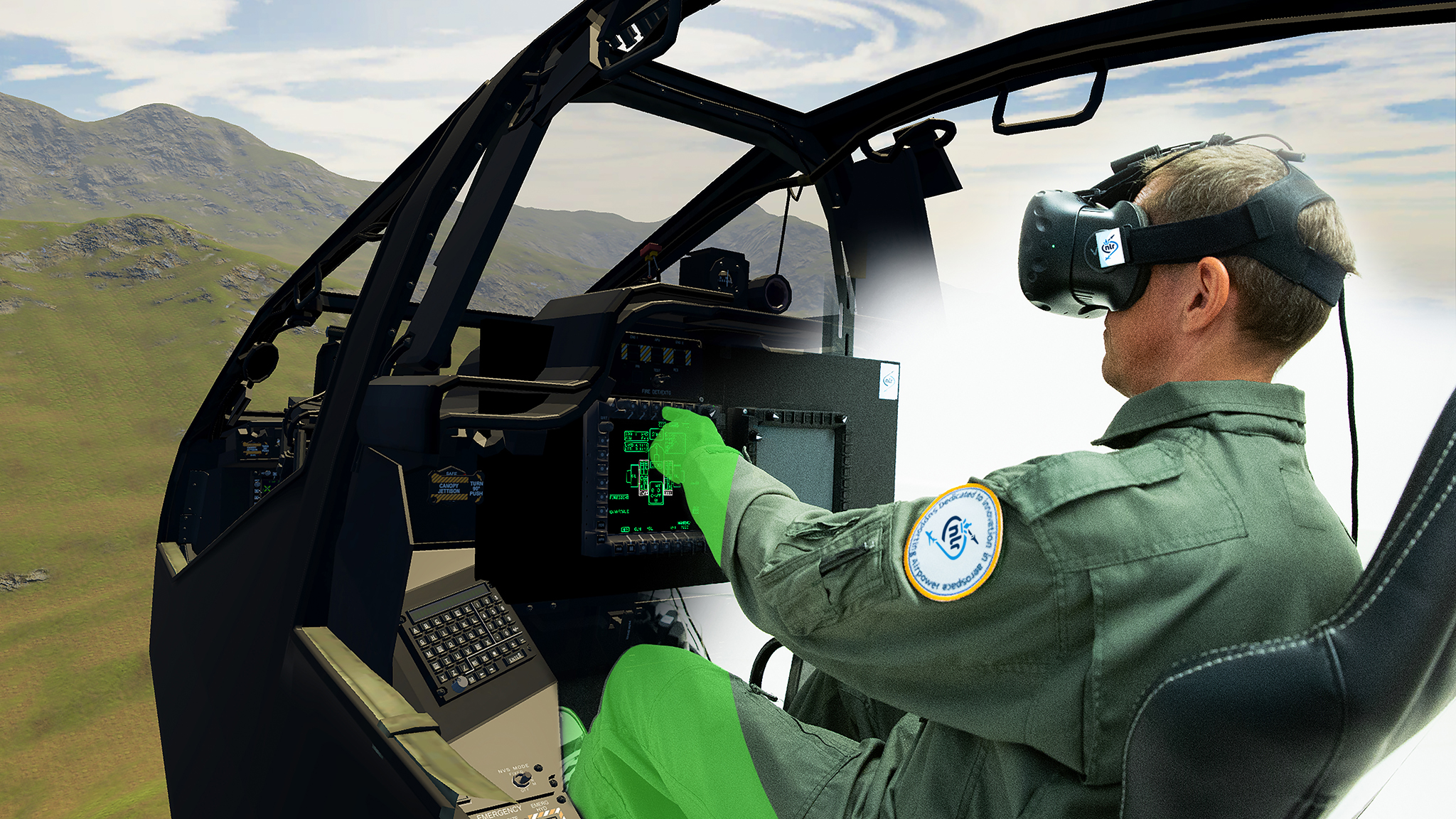
Training devices that fit your training needs often require large investments and are usually type -specific. There are currently no training devices that allow highly realistic interaction between the pilot and cockpit instruments, without the disadvantages associated with expensive high-end devices. The Virtual Cockpit bridges this gap by providing the technology to do just that: low-cost and high-fidelity training technology.
11 April 2022
Acquisition and Deployment Support.