12 January 2022
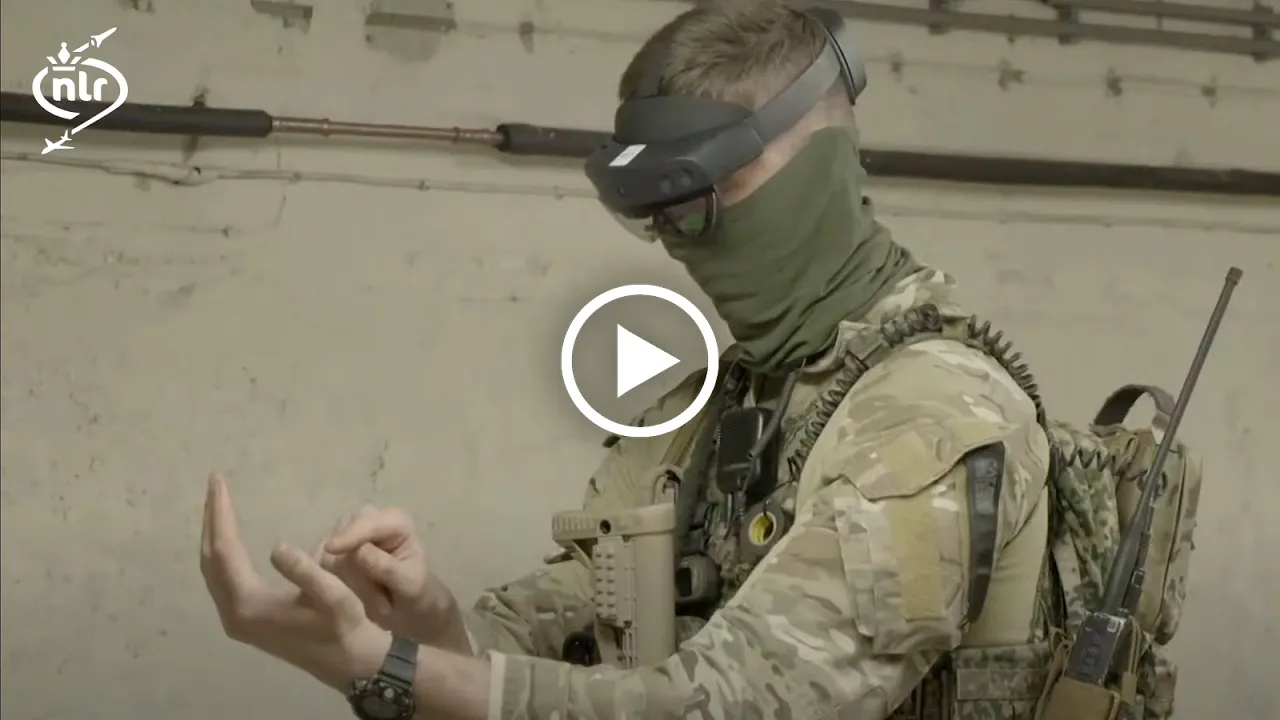
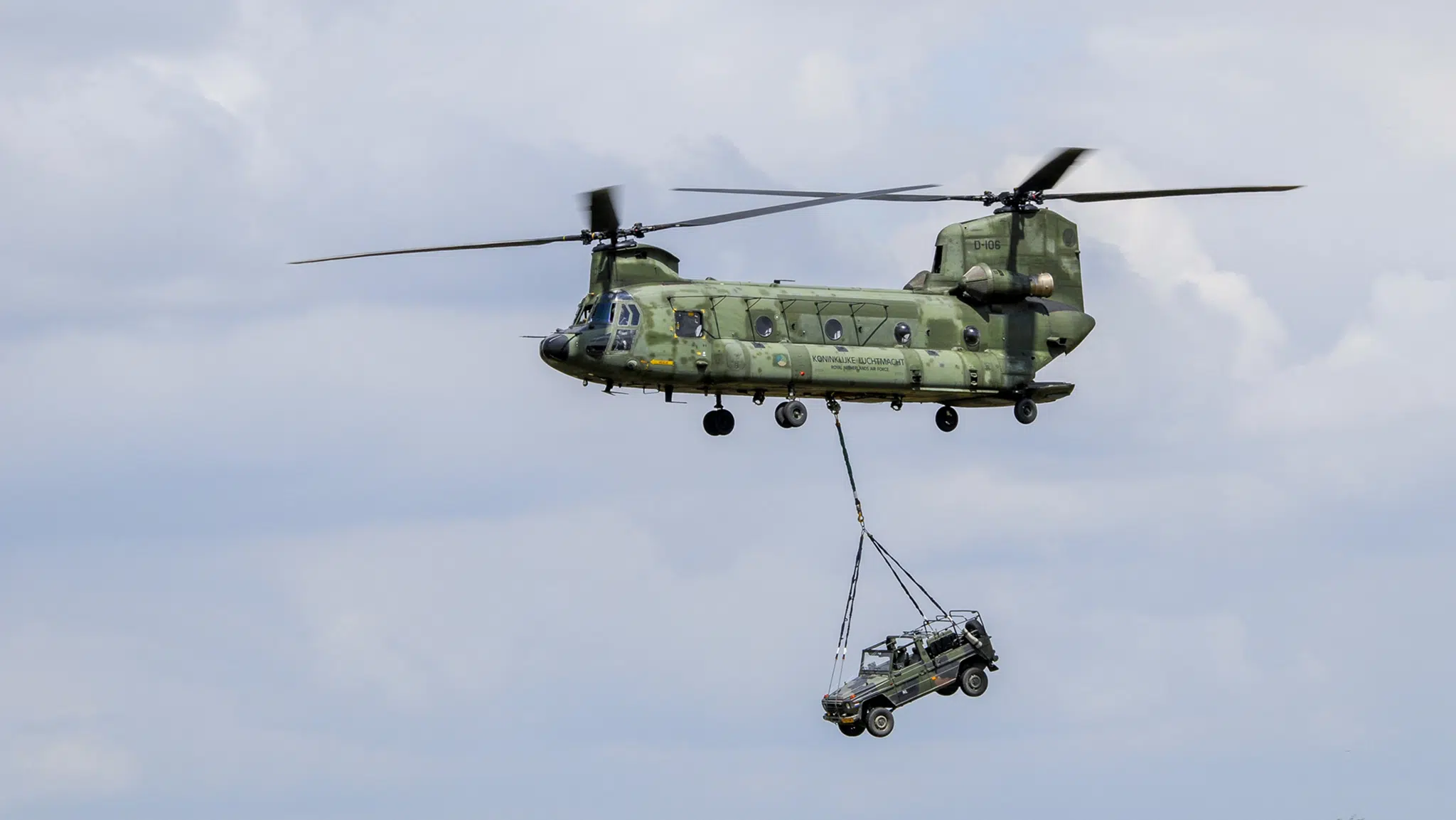
R&D case: Redesign of helicopter training
A common, modernised approach for platform qualification training
12 January 2022
A common, modernised approach for platform qualification training
09 March 2021
By 2035, the Dutch Ministry of Defence needs to be a smart and technologically advanced organisation that takes action based on the best information. Not only on land and sea and in the air: according to the new Defence Vision, threats are also affecting the cyber and space domains. Michel Keuning, on behalf of SpaceNed, and Peter Huis in ’t Veld of NIDV are pleased with this move by the Defence Department and see an important role in it for the Dutch commercial sector.
25 January 2021
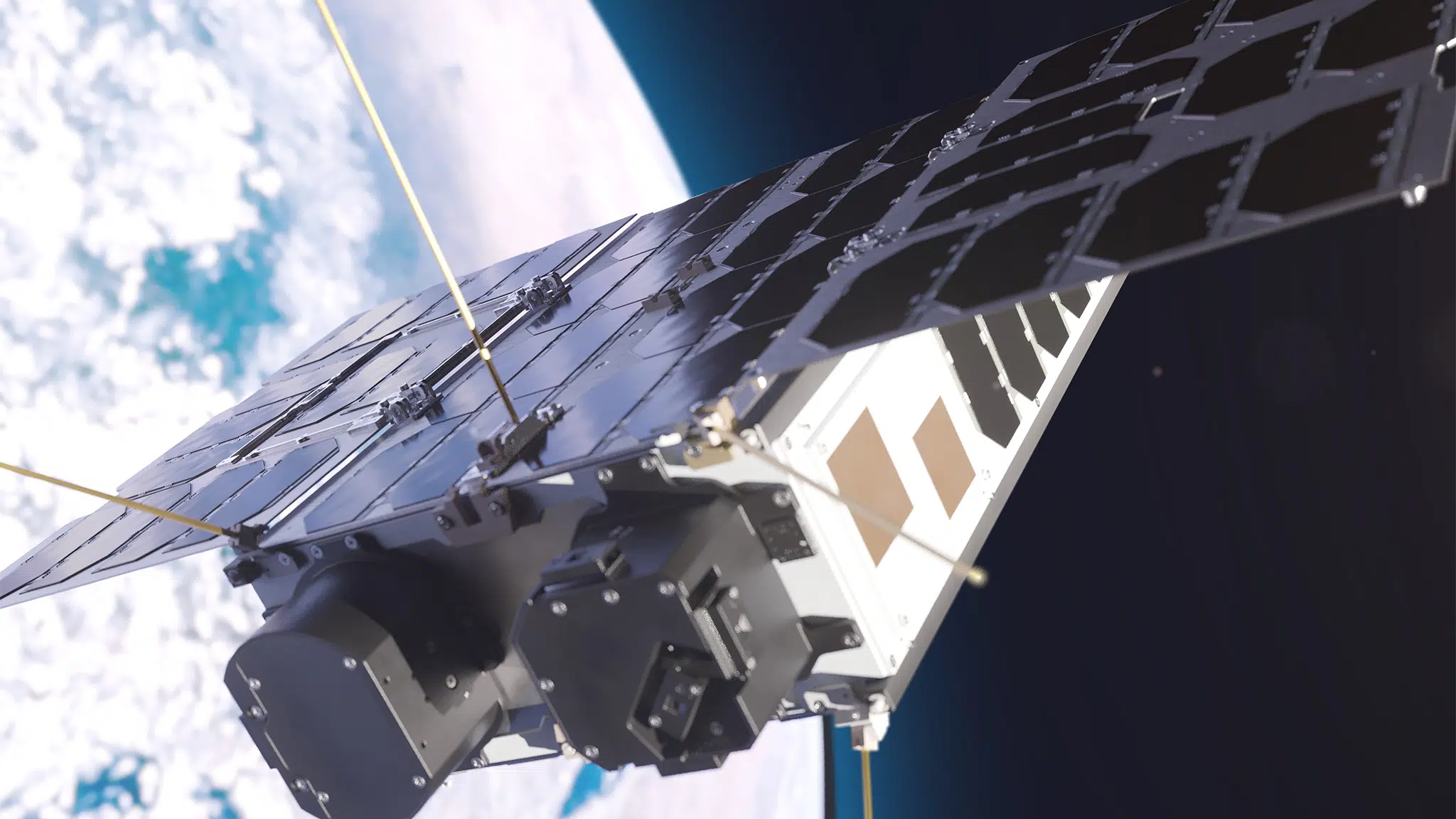
According to the current planning, Virgin Orbit will launch the first Dutch military nanosatellite to orbit with its upcoming launch mid-March. This satellite is an experimental project which has been set up in a unique collaboration in commission of the Royal Netherlands Air Force (RNLAF). With this launch the Dutch Ministry of Defense (MoD) takes its first steps into the Space domain.
21 April 2020
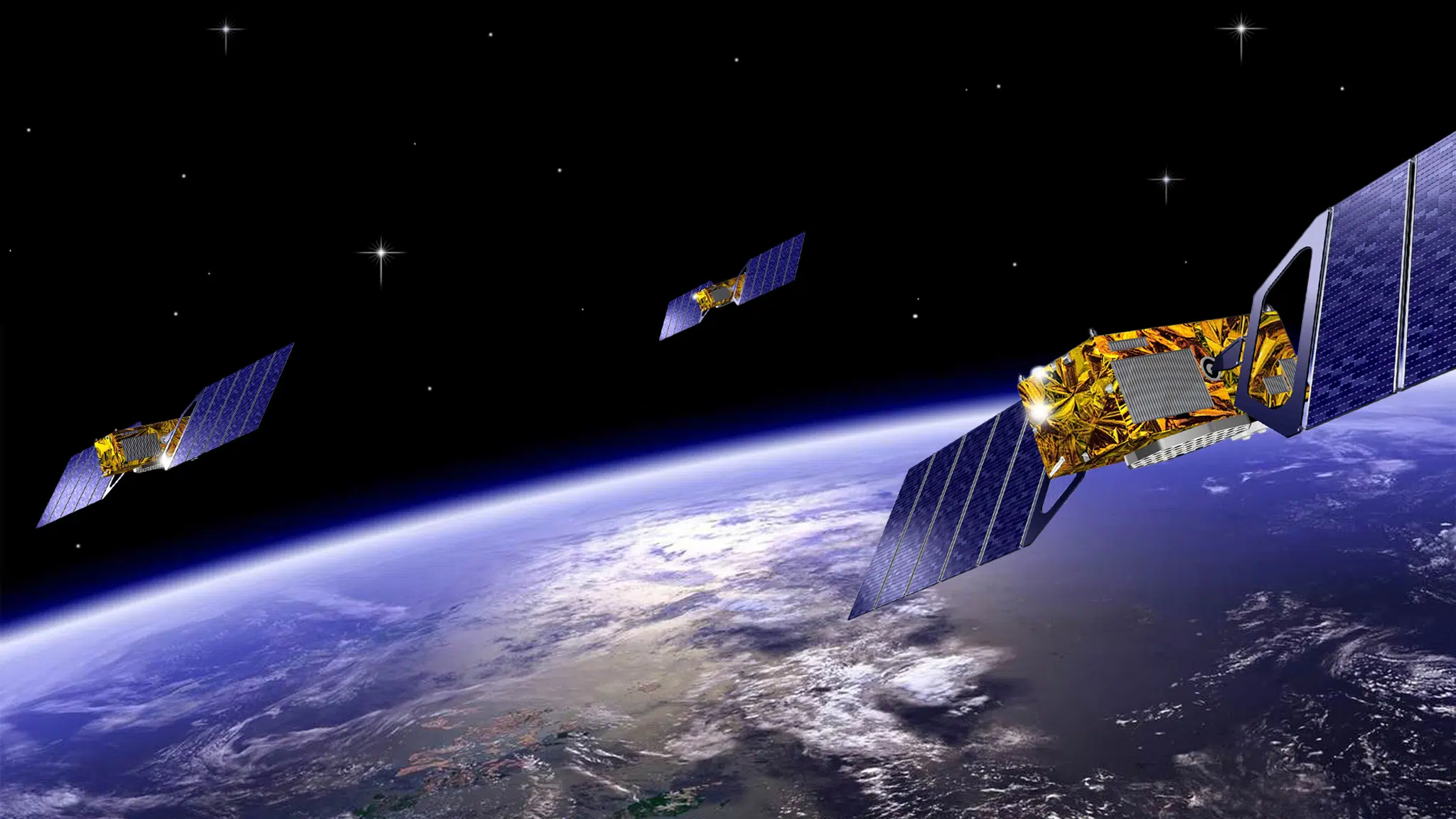
The Netherlands and Norway are developing two intelligence nanosatellites that will orbit the Earth in tandem formation. This is a bilateral research mission to investigate the sources of radar signals.
21 June 2019
In a new era with many small satellites swarming around the Earth these constellations need to be safe, efficient and reliable. In April 2019, Hyperion and the Royal NLR signed an MoU for a collaboration. Both companies aim for future solutions in the area of small satellites.
14 December 2017
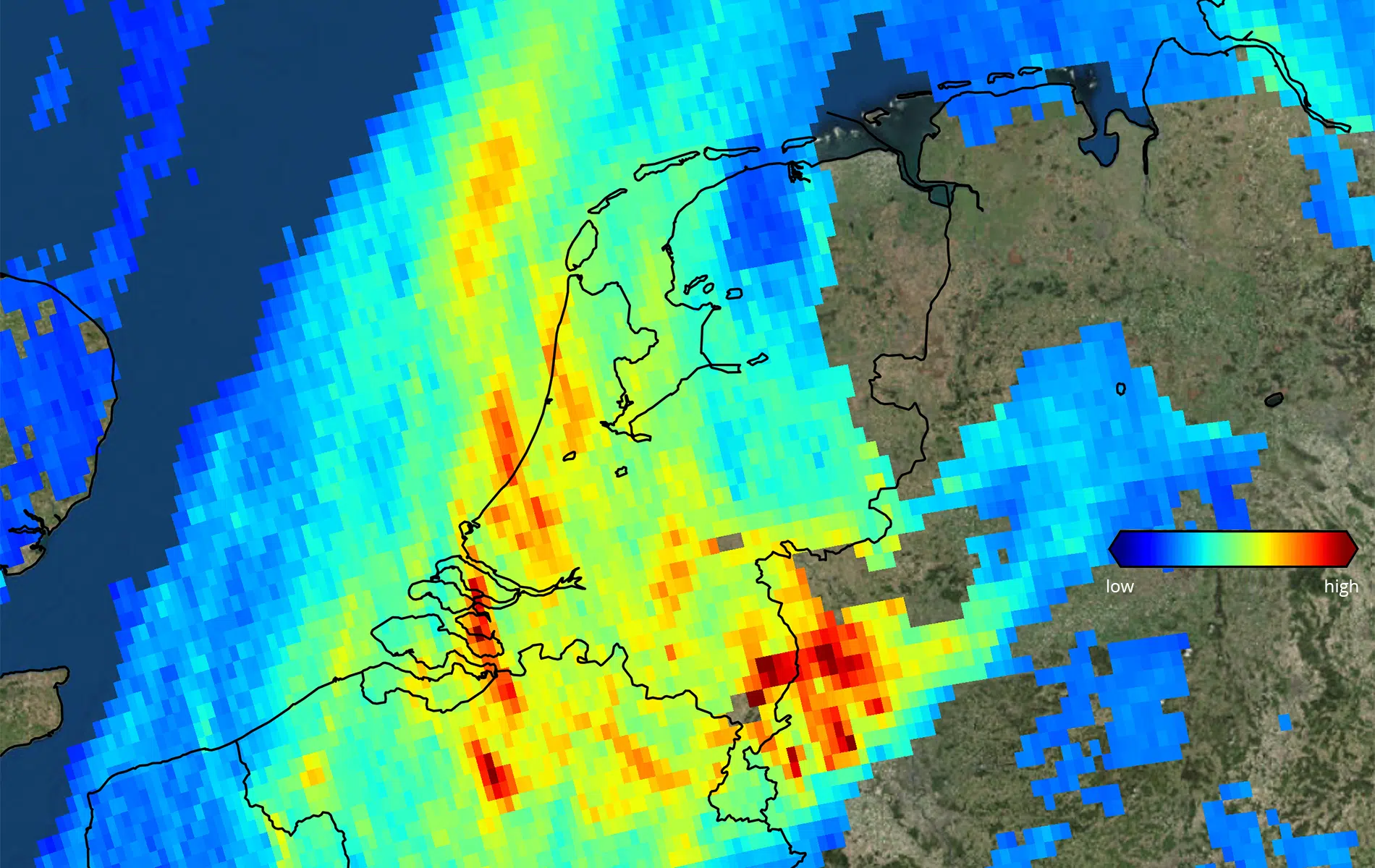
Tropomi was launched on 13 October 2017 on the European satellite Sentinel-5P, built by the European Space Agency (ESA) as part of the European Commission's Copernicus Earth Observation programme. The Tropomi instrument makes it possible to measure air quality on Earth with great accuracy, so the instrument equipped with Dutch technology is very valuable for a targeted approach to tackling global air pollution. NLR comprehensively tested the processing of the data that Tropomi sends back to Earth every day. The clients of Tropomi are the ESA and the Netherlands Space Office (NSO). From design to launch the entire satellite cost approximately 220 million euro, of which the Netherlands paid roughly half.
24 February 2016
The steering committee on the implementation of a parliamentary motion concerning noise measurements of military aircraft has requested NLR to prepare a report[1]. The motion was submitted by Member of Parliament Angelien Eijsink, and is therefore known as the 'Eijsink Motion'. The report seeks to provide the steering committee with more insight into the possibilities and shortcomings of the available methods for measuring and calculating aircraft noise. The steering committee has prepared a number of research questions, and has asked the Dutch National Institute for Public Health and the Environment (RIVM) and NLR to answer them independently. Based on the RIVM and NLR reports, the steering committee has drawn up recommendations for the Minister of Defence concerning the implementation of the Eijsink Motion.
21 November 2014
Virtual opponents in simulations used to train fighter pilots must display intelligent human behaviour to ensure that training scenarios are as realistic as possible. In the 'Smart Bandits' project, the National Aerospace Laboratory of the Netherlands (NLR) has developed intelligent virtual opponents for use in such tactical training scenarios. NLR will present its capabilities in training and simulation at the Interservice/Industry Training, Simulation & Education Conference (I/ITSEC), the world's largest conference in this field.