Safety and Human performance

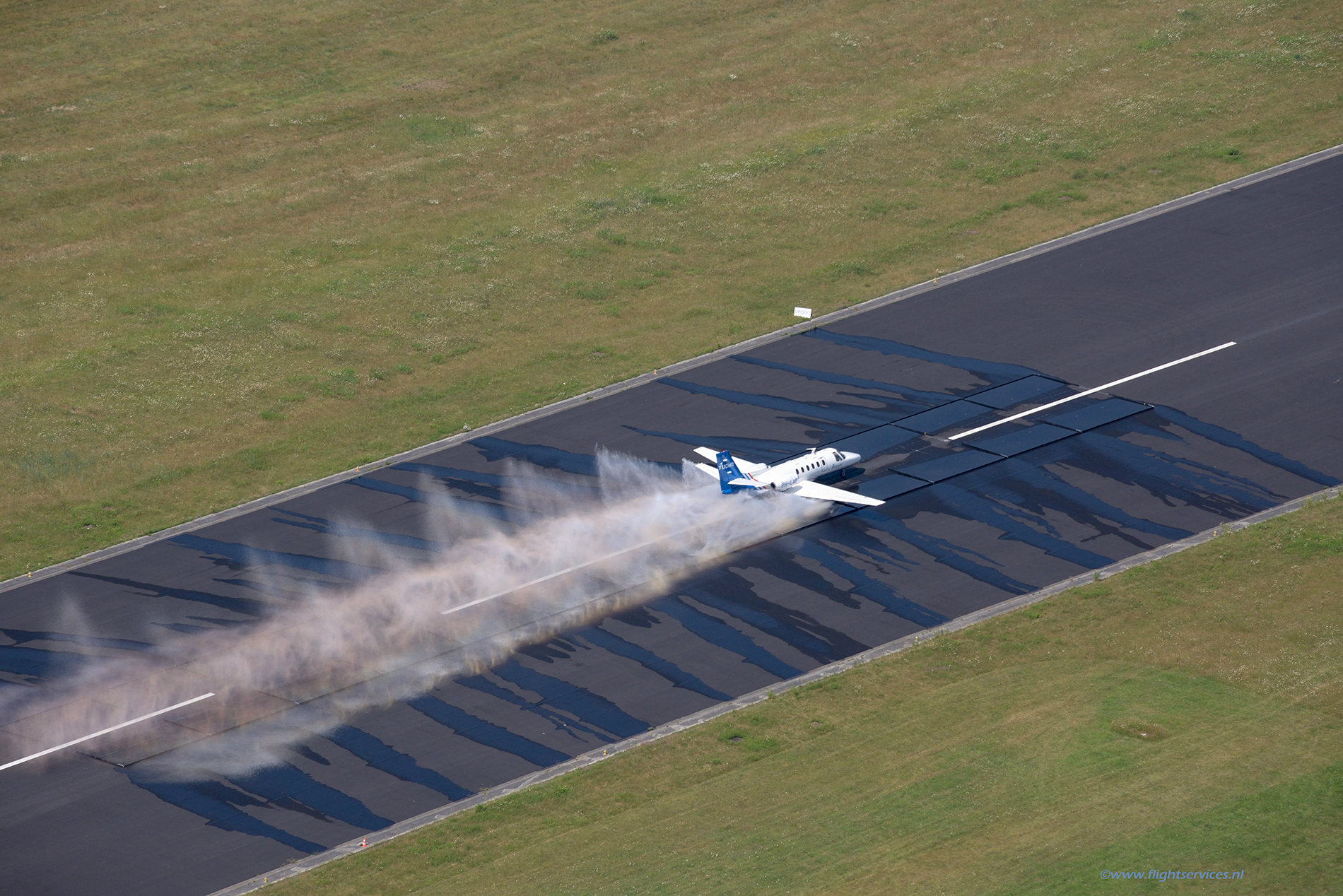
NLR research airplane at Twente Airport
Safety and Human performance

24 February 2025

Runway end safety area (RESA) assessment

Runway end safety areas (RESAs) are designed to protect aircraft and occupants from runway overrun or undershoot events, which are a significant cause of aircraft accidents and serious incidents during take-off and landing. The recommended dimensions for RESAs are defined by regulatory bodies such as ICAO, FAA, and EASA. However, many airports face challenges in implementing these recommendations due to limited land availability to accommodate standard RESA dimensions and existing aerodromes that were constructed before RESA requirements were introduced.

Safety and Human performance

24 February 2025

Runway incursion risk assessment

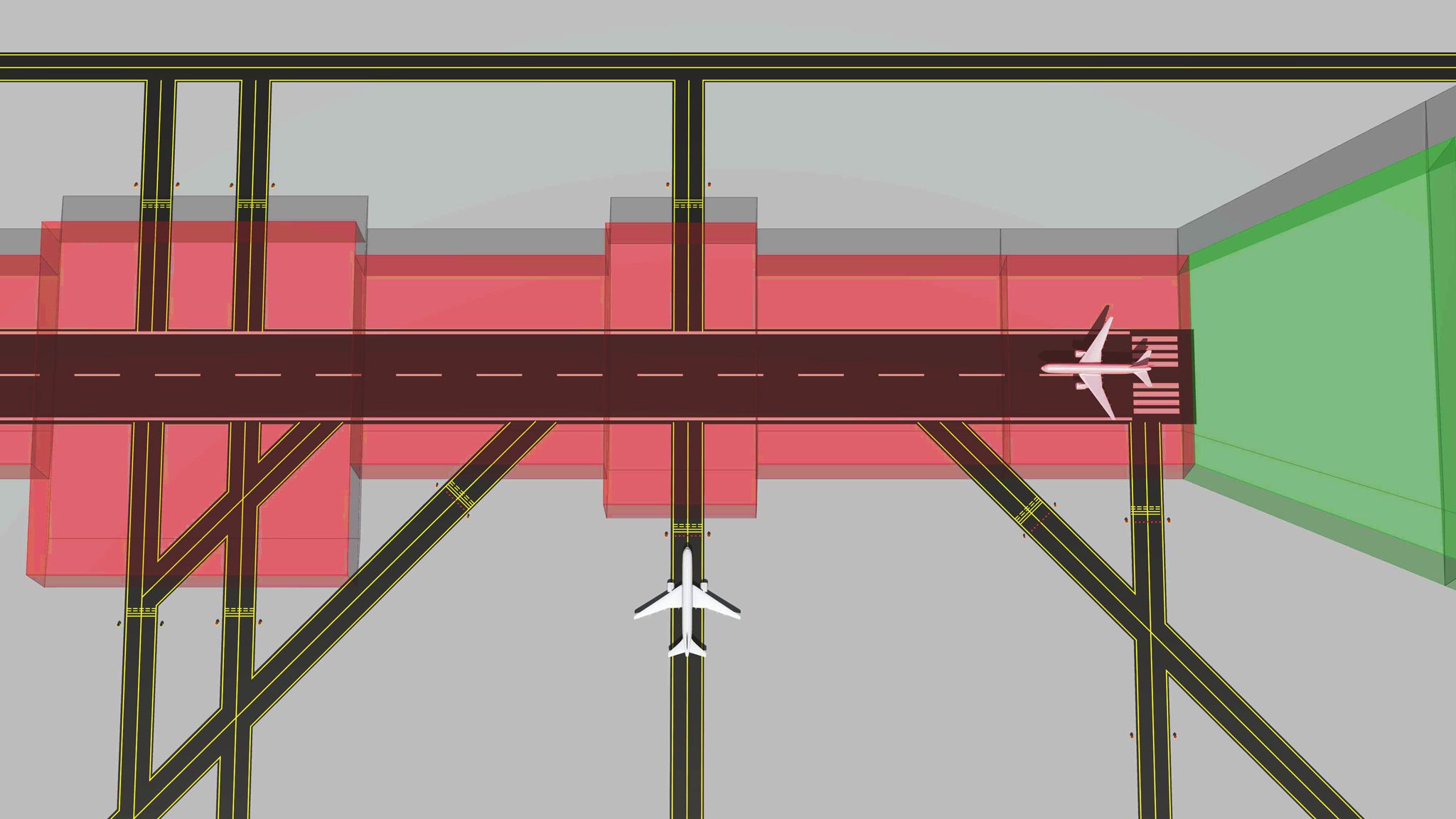
Many airports struggle to identify the actual risk levels and the appropriate mitigations against the rise of runway incursion. Runway incursions involve the incorrect presence of an aircraft, vehicle or person on the protected area of a surface designated for the landing and take-off of aircraft. Runway incursions have sometimes led to serious accidents with significant loss of life. Although they are not a new problem, with increasing air traffic, runway incursions have been on the rise. There are many causes related to runway incursions making it hard to quickly identify the risk levels and define mitigating measures.

Safety and Human performance

24 February 2025

Third party risk

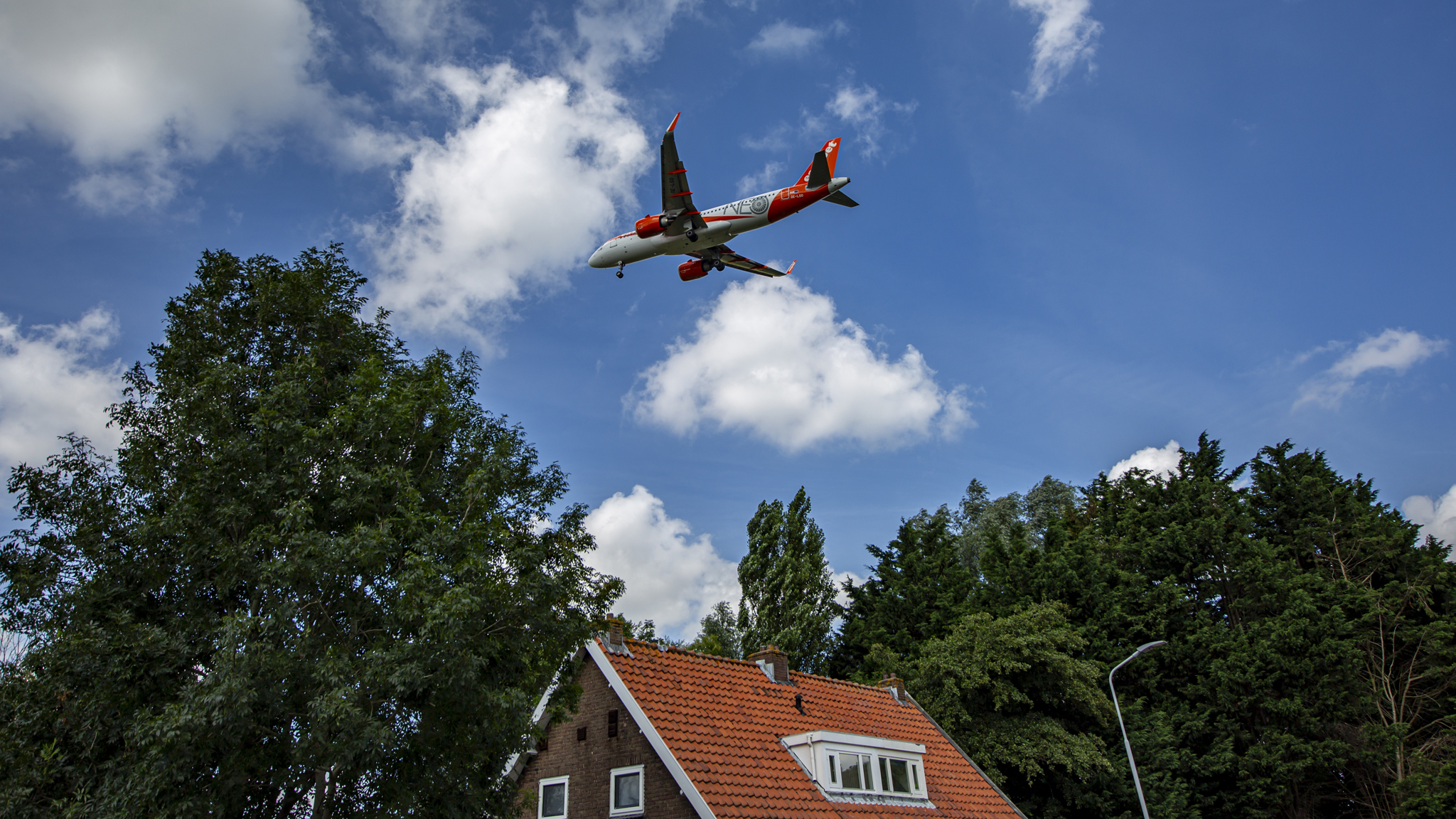
Aviation has the best safety record among other transport modes. Due to concentration of air traffic at airports people living and working in the surrounding are exposed to safety risk in the event of an aircraft accident during take-off or landing. This “third party risk” can be limited by a well-thought choice of airport planning and land use around the airport and runways.

SESAR experiment for Attention Guidance with HoloLens in NARSIM Tower
Training and Simulation

14 December 2021

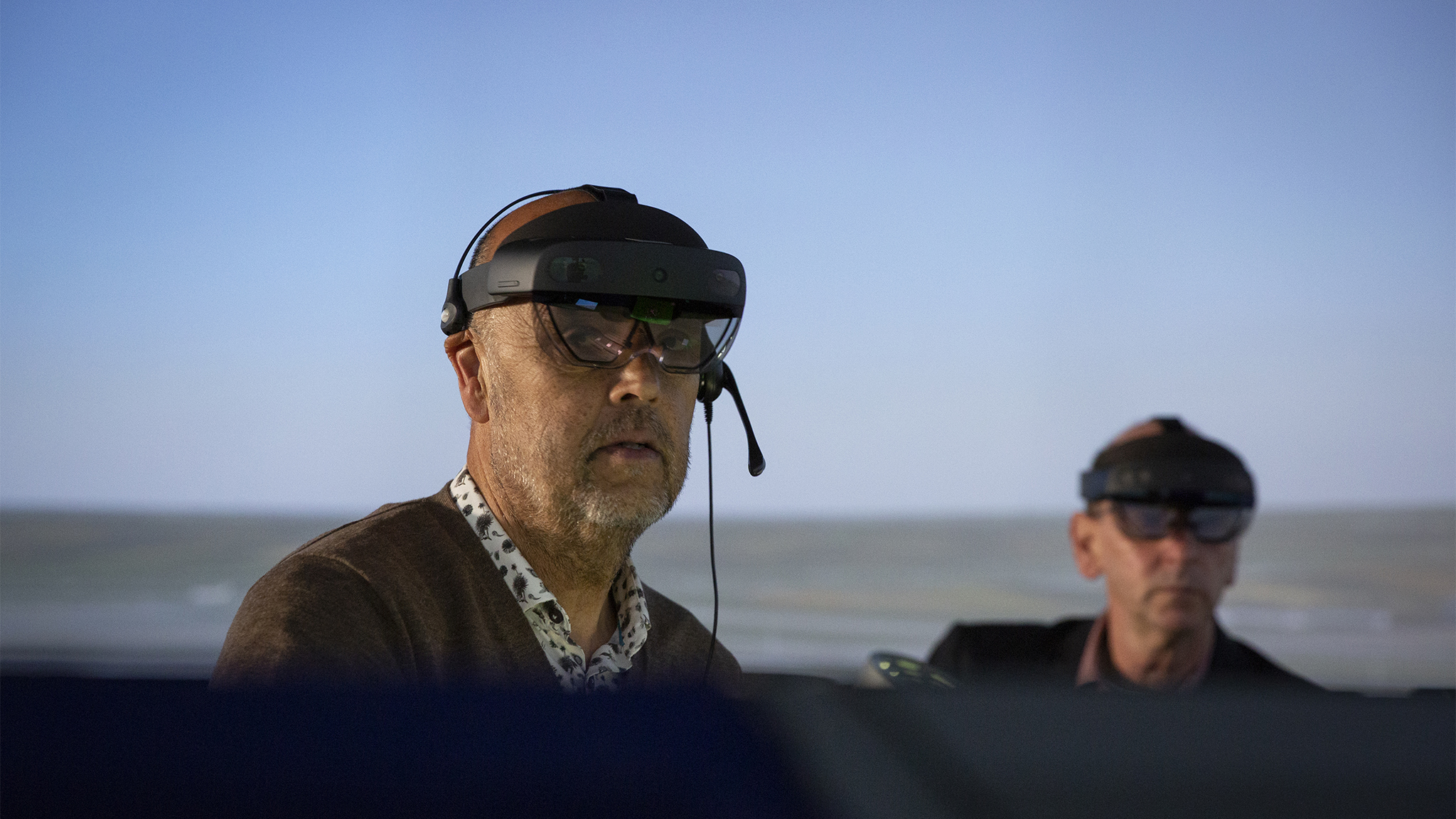
Augmented Reality in the Aerodrome Tower

In recent years, Augmented Reality has become one of the major focus points of user interface development. With a rapid increase in computing power and developments in software and hardware applications, it has moved from theoretical approaches towards industry-wide application and mass production.

Measuring setup in aircraft cabin
Safety and Human performance

22 June 2021

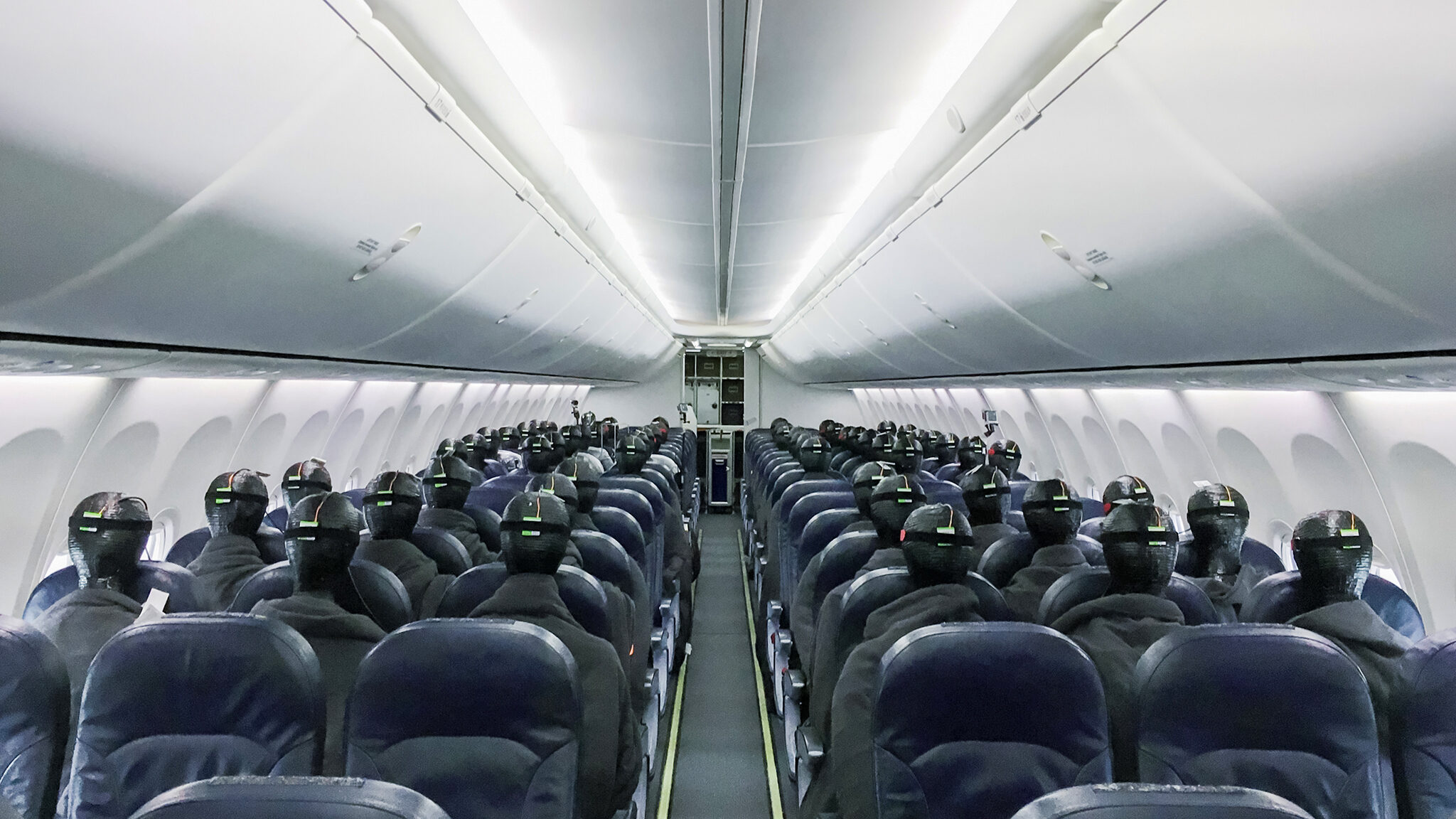
Study of the risk of corona on board aircraft

Royal NLR has carried out a joint study with RIVM into the risk of a passenger falling ill by breathing in the coronavirus SARS-CoV-2 while on board an aircraft. Measures have been implemented to reduce the risk of an infectious passenger boarding an aircraft. If despite measures an infectious passenger is on board the cabin, then on average fellow passengers - within a section of seven rows around the infectious passenger - run a relatively low risk of falling ill from COVID-19. For example, a lower than in unventilated rooms of the same dimensions.

Serious gaming at NLR
Safety and Human performance

29 October 2020

Blog: Three challenges for adaptive human-machine interaction

Do you have any idea how stressful it is driving an old timer VW campervan during rush hour in Brussels? Last year, it demanded my total concentration due to the old van’s slow dynamics, relatively poor field of view and the crowded rush hour traffic. Meanwhile, my girlfriend helped navigate us through the complexity of roads. Having arrived at our destination with our heart rates back to ‘normal’, we toasted our excellent team work.

Two airplanes against clear blue sky with contrails
Safety and Human performance

29 May 2020

Aerospace after COVID-19

The world is in the grip of the coronavirus. The human, social and economic consequences are huge. The crisis is also having an impact in the aviation sector and for Royal NLR. Michel Peters is speaking about the period after the coronavirus: survival first, followed by innovation with a new focus on ‘green recovery’.