Under the Defensienota 2026, the Dutch Ministry of Defence has set an ambitious target: “Within five years, more than half of the Netherlands’ military operational effects are to be achieved through unmanned systems. The Royal Netherlands Air & Space Force is expanding its unmanned capabilities alongside continued investment in manned platforms such as the F-35, reflecting a broader ’unmanned where possible, manned where necessary’ doctrine, driven by lessons from Ukraine and evolving security threats. This shift positions unmanned aerial systems as a structural, rather than supplementary, element of Dutch airpower going forward.”
CLRS (Commando Lucht- en Ruimtestrijdkrachten/Royal Netherlands Air and Space Force): “With this technology validation project, of which details are undisclosed, the parties are taking a first step toward new technical solutions for unmanned systems.”
One-stop-shop
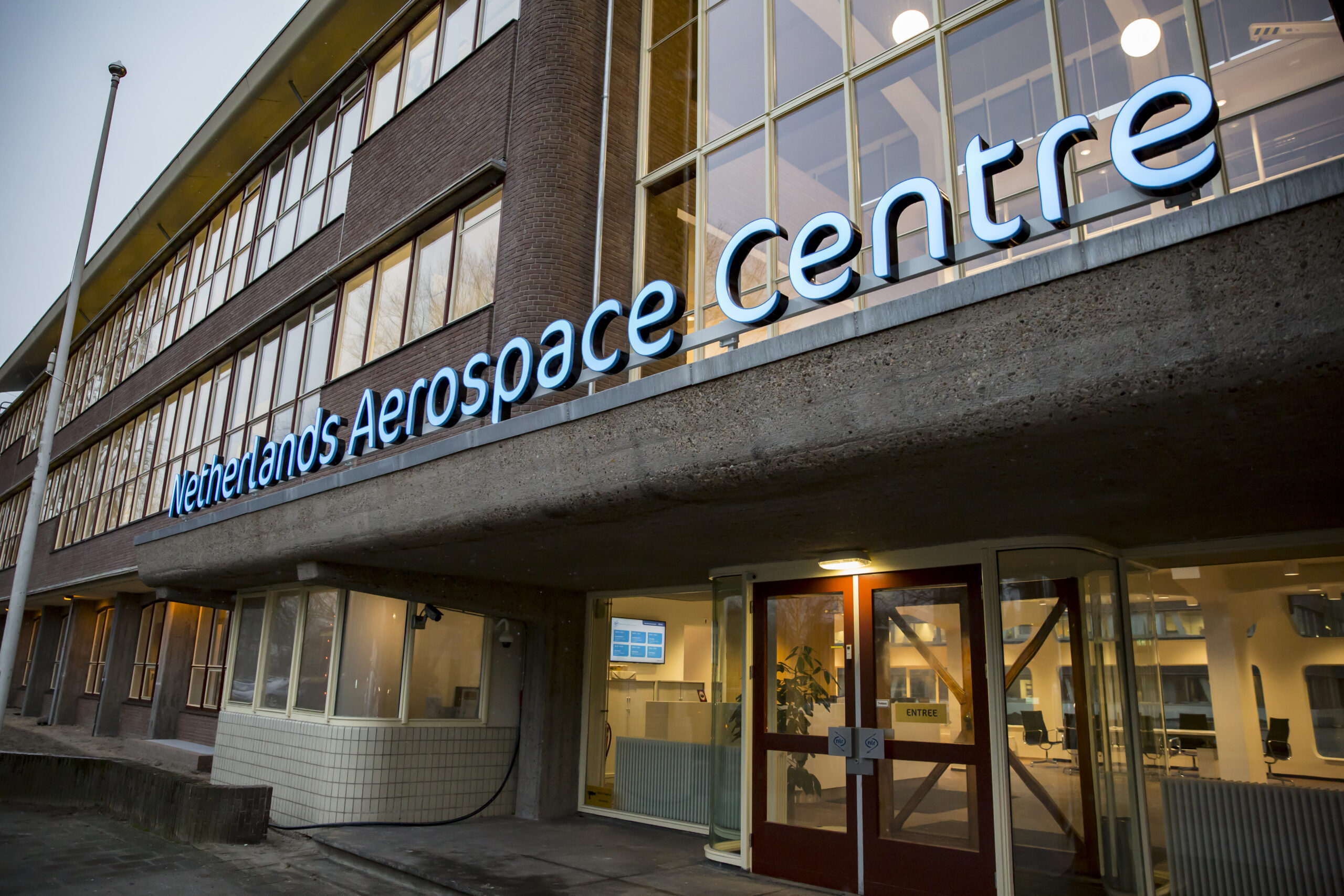
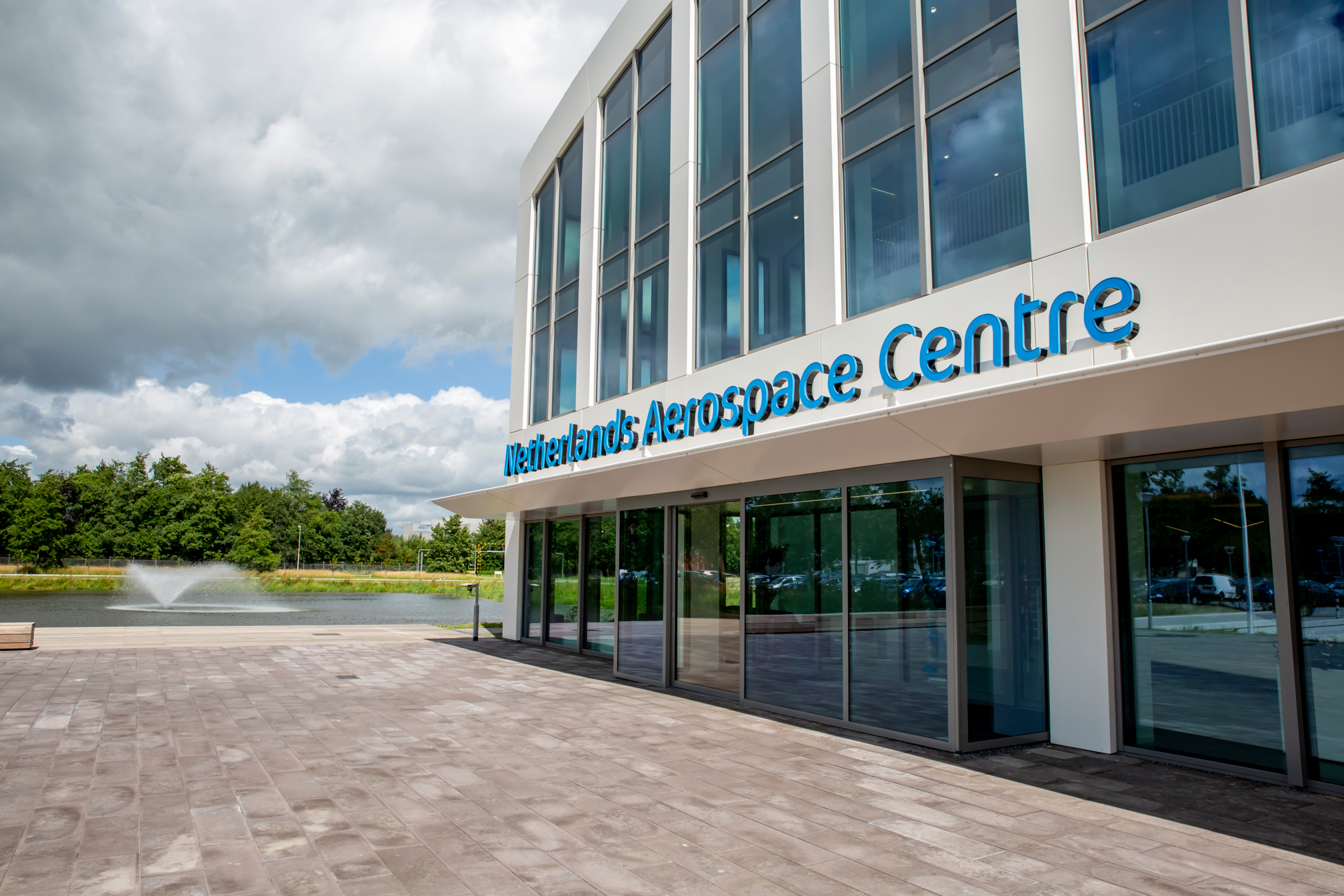
NLR has been a pioneer in the field of aerospace for more than 105 years. NLR covers the entire chain in the field of aerospace. It is a one-stop-shop because of its capabilities, multidisciplinary expertise and the state-of-the-art facilities including wind tunnels, the NLR Drone Centre specifically for UAVs and scaled flight platforms, and flying-labs. It is an EASA qualified entity. It is in NLR’s DNA to endeavour to innovation-driven solutions for practical problems from industries, society, scientific communities and the Dutch Ministry of Defence.
NLR is a leading research partner of the CLRS, actively contributing to a wide range of projects that demonstrate its advanced expertise and capabilities. As the CLRS is committed to operational effectiveness in both current and future operational environments, NLR provides critical support in addressing the technical challenges that underpin this mission.
NLR’s strategic vision aligns closely with that of the Dutch Ministry of Defence: to respond effectively to European/NATO defence challenges and to strengthen practical decision-making through innovative solutions. This shared vision serves not only a prosperous and secure Europe and world but also fosters a more autonomous and competitive European defence industry.
“Within the consortium, NLR draws on its proven track record, extensive expertise, and state-of-the-art facilities to ensure the successful achievement of the project’s objectives”, says Bert Thuis, Vice President Aerospace Vehicles at NLR.
Elysian has experience on rapid aircraft design
Elysian Aircraft is a Dutch aerospace company developing the technologies that enable the electrification of aviation. With deep engineering expertise and a technology-first approach, the company set out to make large-scale battery-electric aircraft commercially viable. Building on the E9X, a 90-passenger battery-electric aircraft with a range of up to 1,000km, Elysian has gained experience on rapid aircraft design and is now extending that knowledge and expertise to the defence sector.
“We are proud to contribute our expertise to a project of strategic importance to the Netherlands. The technologies developed through the E9X provide a strong foundation for rapid technology development and synthesis for next generation unmanned aircraft”, saysRob Wolleswinkel, co-founder and CTO of Elysian Aircraft.