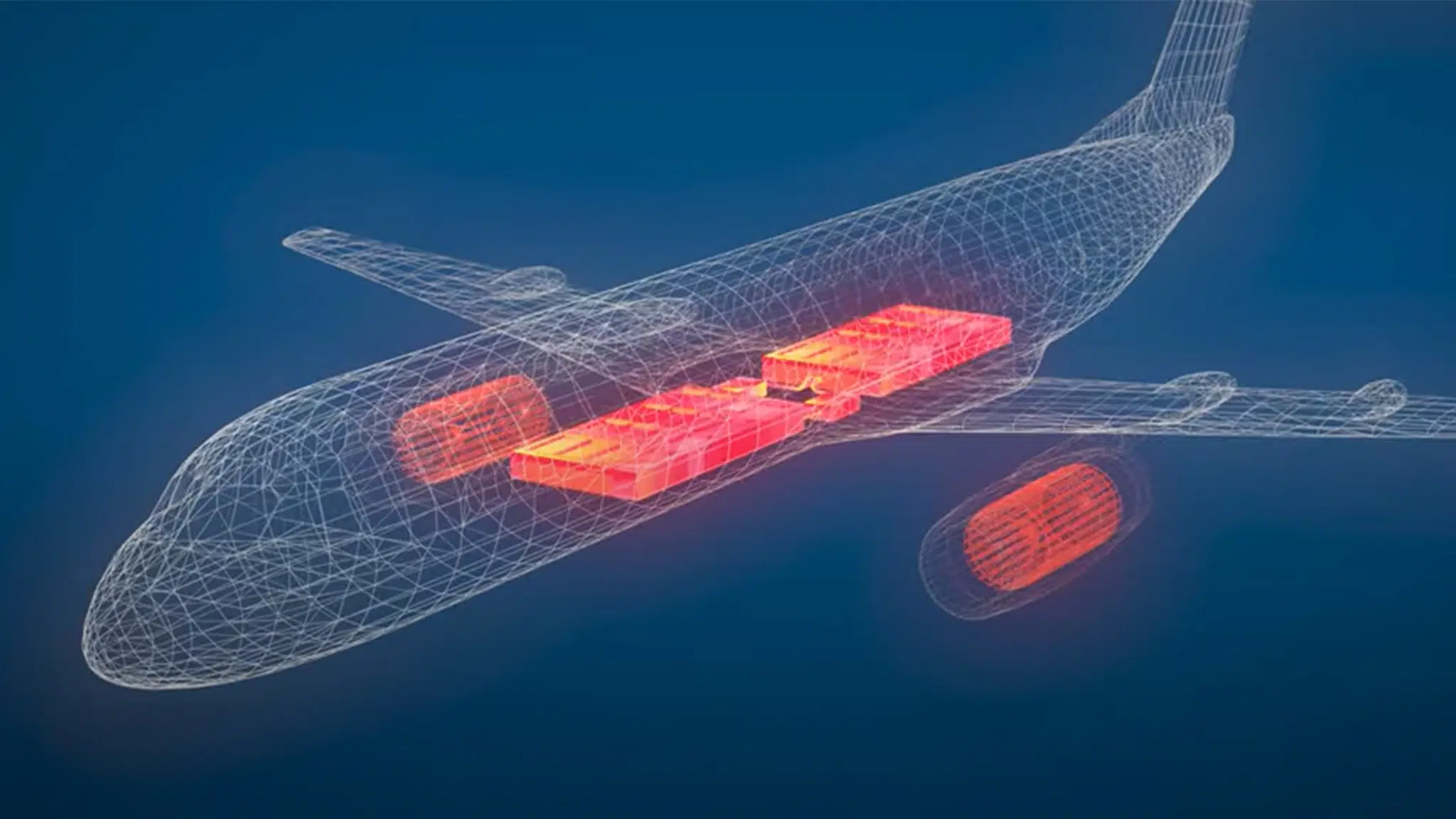
Hybrid electric propulsion is one of the pillars underpinning sustainable aviation. This will significantly increase the electric power levels on board aircraft, introducing thermal and electromagnetic challenges.
These challenges presented by aircraft electric propulsion require the development of new airborne technologies that enable expanding the electrification technology trend already impacting other areas, like ground transportation or the autonomous generation/usage of electricity from renewables, to efficient and economical air transportation.
EASIER responds to the Flightpath 2050 goals via EMC solutions and Thermal Management improvements. These enablers are conditional on electrical propulsion systems for safety and efficiency. The enabling effect of CO2 and NOx reduction is indirect via weight reduction, which affects emission and overall aircraft performance in range, number of passengers or payload.
NLR’s contribution
Modelling and simulation of Electromagnetic Compatibility (EMC) and thermal effects are essential to assist during the design, assessment and trade-offs of newly proposed technologies. Therefore, Royal NLR – Netherlands Aerospace Centre has developed simulation models to assess the performance of the EASIER power feeder and power electronics solutions, which demonstrate the reduction of radio frequency (RF) emissions. As proof of the pudding is in the eating, the solutions have also been validated by a dedicated ground-based demonstrator at NLR’s EMC facility. Next, NLR’s thermal team has designed and tested two-phase cooling solutions for power electronics, resulting in a 68% volume reduction compared to single-phase cooling. Finally, simulation models for the thermal optimization of power feeders have been developed and validated, contributing to the weight optimization of EASIER power feeder solutions.
According to Jesper Lansink Rotgerink, Senior R&D Engineer and project lead for NLR, working on the EASIER project has been an extremely beneficial and joyful experience for NLR. “In EASIER, we had the role to bridge the gap between universities and industry. It has been both a prolongation of known cooperation such as with Fokker Elmo, Evektor and the University of Twente, and an excellent opportunity to team up with new partners such as Collins Aerospace and EmagDesign. EASIER allowed NLR to extend its thermal and EMC capabilities in electric flight and transfer existing knowledge on space cooling applications towards the aviation industry. We are very pleased that the cooperation is continued through multiple other European projects such as H2020 ADENEAS and Clean Aviation’s HECATE.”
The consortium
A trans-disciplinary consortium brought together experts from different institutions, providing the necessary expertise and capacities to develop the project. Seven organizations, located in 5 European countries, participated as partners in the EASIER consortium. This concerns Collins Aerospace as coordinator from Ireland, Fokker Elmo, Royal NLR and University of Twente from the Netherlands, Evektor from Czechia, EmagDesign from Poland, and ARTTIC from France.
The EASIER project was funded by the European Commission to tackle the Flightpath 2050 goals set across the European aviation field.
“The vision set out in Flightpath 2050 goals stresses the need for an innovation-friendly environment relying on strong, sustainable and coherent investment in research and innovation and enhanced governance, funding and financing structures.”[1]
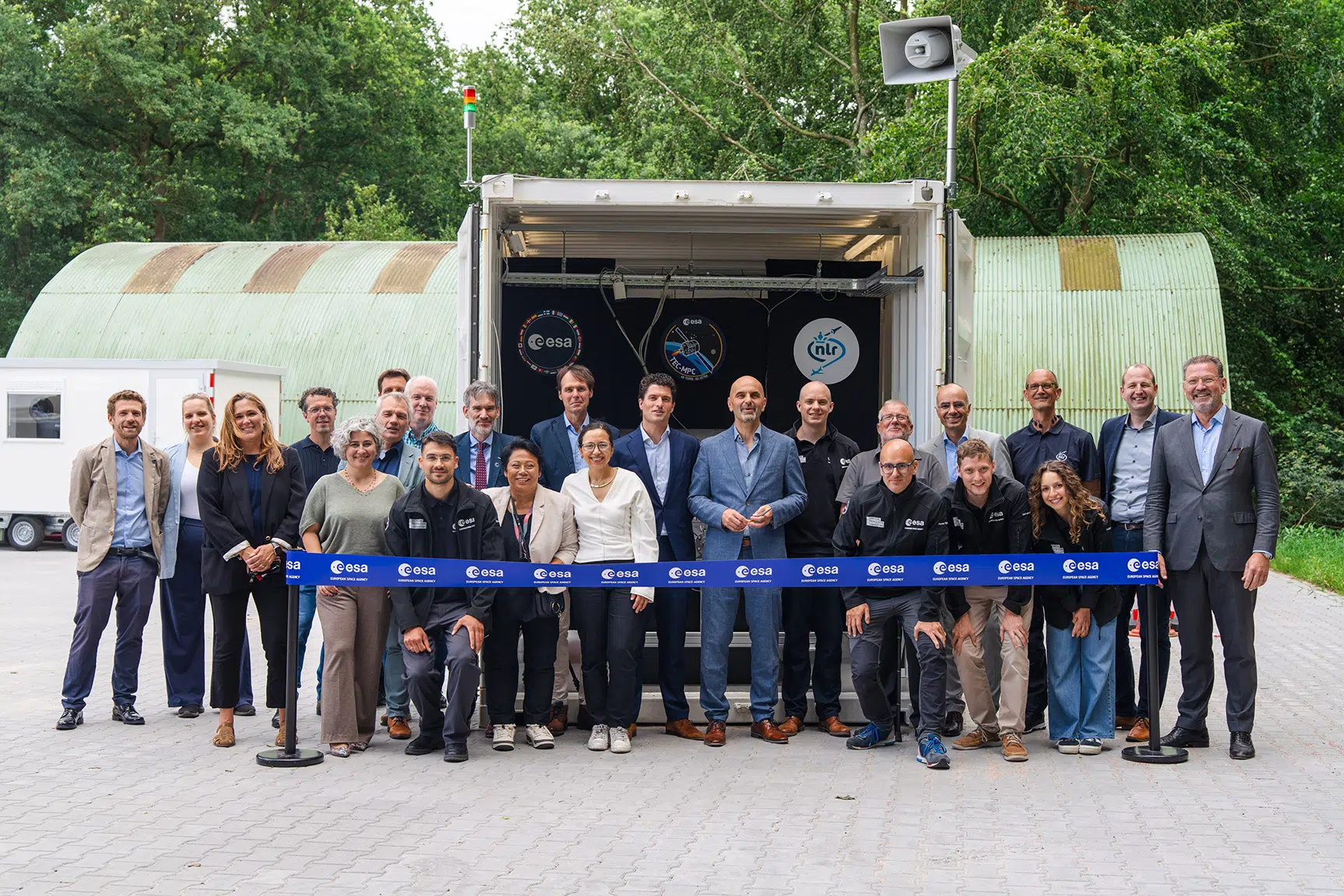
The EASIER Consortium held its final event on the 24 of May, 2023, in Marknesse, the Netherlands. On the 28th of June the project had its final review with the project officer from the European Commission. The project started in June 2020 and ended in May 2023.
Read more
For additional information please also also visit the website of NLR’s programme ‘Development of air and space vehicles‘.
[1] European Commission, Flightpath 2050, europe’s vision for aviation, maintaining global leadership & serving society’s needs, European union 2011