Capability

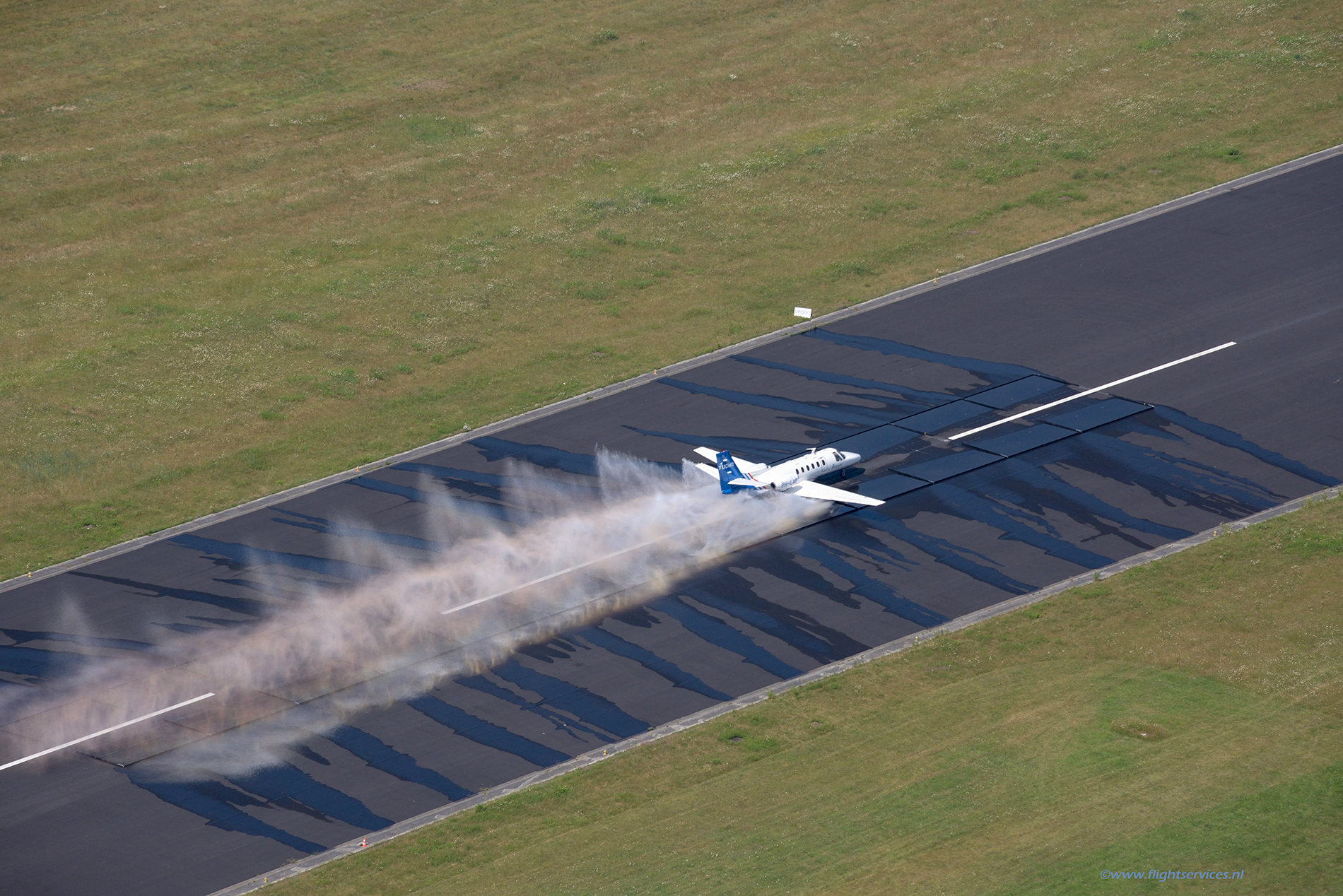
NLR research airplane at Twente Airport
Safety and Human performance

24 February 2025

Runway end safety area (RESA) assessment

Runway end safety areas (RESAs) are designed to protect aircraft and occupants from runway overrun or undershoot events, which are a significant cause of aircraft accidents and serious incidents during take-off and landing. The recommended dimensions for RESAs are defined by regulatory bodies such as ICAO, FAA, and EASA. However, many airports face challenges in implementing these recommendations due to limited land availability to accommodate standard RESA dimensions and existing aerodromes that were constructed before RESA requirements were introduced.
Safety and Human performance

24 February 2025

Runway incursion risk assessment

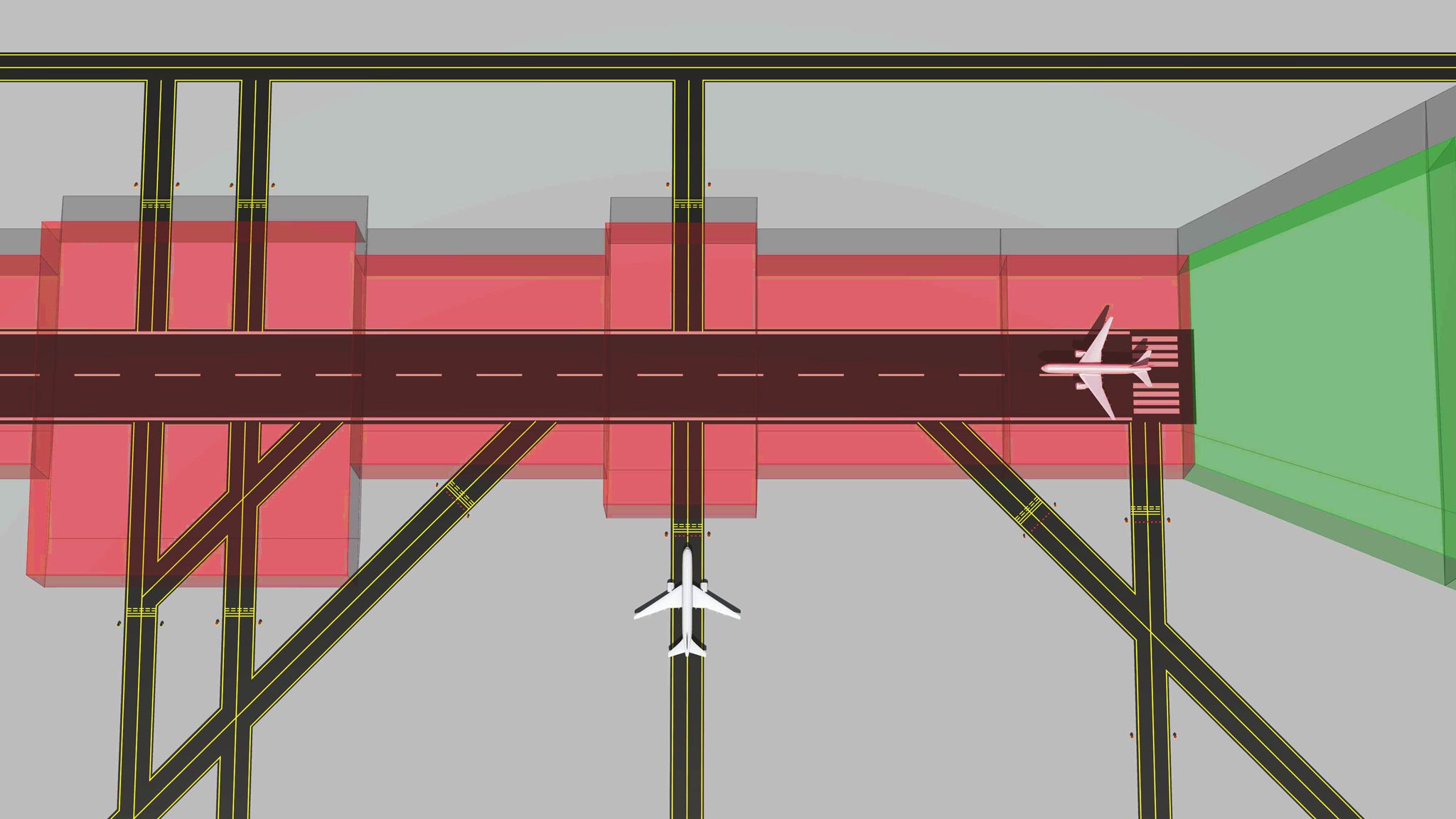
Many airports struggle to identify the actual risk levels and the appropriate mitigations against the rise of runway incursion. Runway incursions involve the incorrect presence of an aircraft, vehicle or person on the protected area of a surface designated for the landing and take-off of aircraft. Runway incursions have sometimes led to serious accidents with significant loss of life. Although they are not a new problem, with increasing air traffic, runway incursions have been on the rise. There are many causes related to runway incursions making it hard to quickly identify the risk levels and define mitigating measures.

Safety and Human performance

24 February 2025

Third party risk

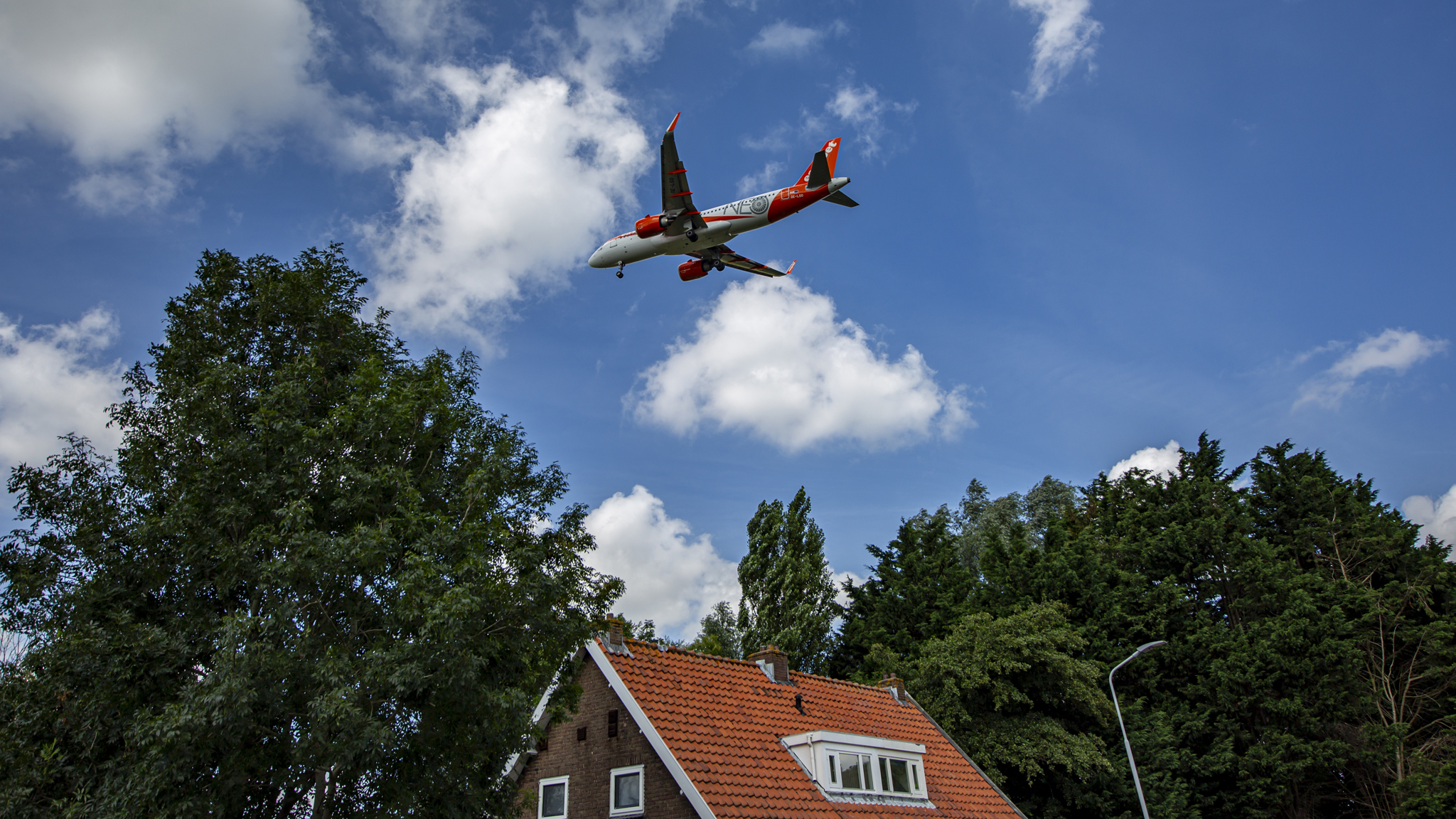
Aviation has the best safety record among other transport modes. Due to concentration of air traffic at airports people living and working in the surrounding are exposed to safety risk in the event of an aircraft accident during take-off or landing. This “third party risk” can be limited by a well-thought choice of airport planning and land use around the airport and runways.

Air Traffic Management

24 February 2025

Manning requirements ATC

The growth of traffic (or any change in your operation) could raise the question whether the manning concept is future-proof. The number of ATCos and the division of roles between ATCos and between ATCos and automation should be safe, efficient, and satisfying. For example, the workload for the ATCo should not be too high or too low.The question is: is your staffing concept sustainable?