Search Results for: helicopters
Maintenance and Repair
20 July 2023
Extending aircraft service life is more relevant than ever
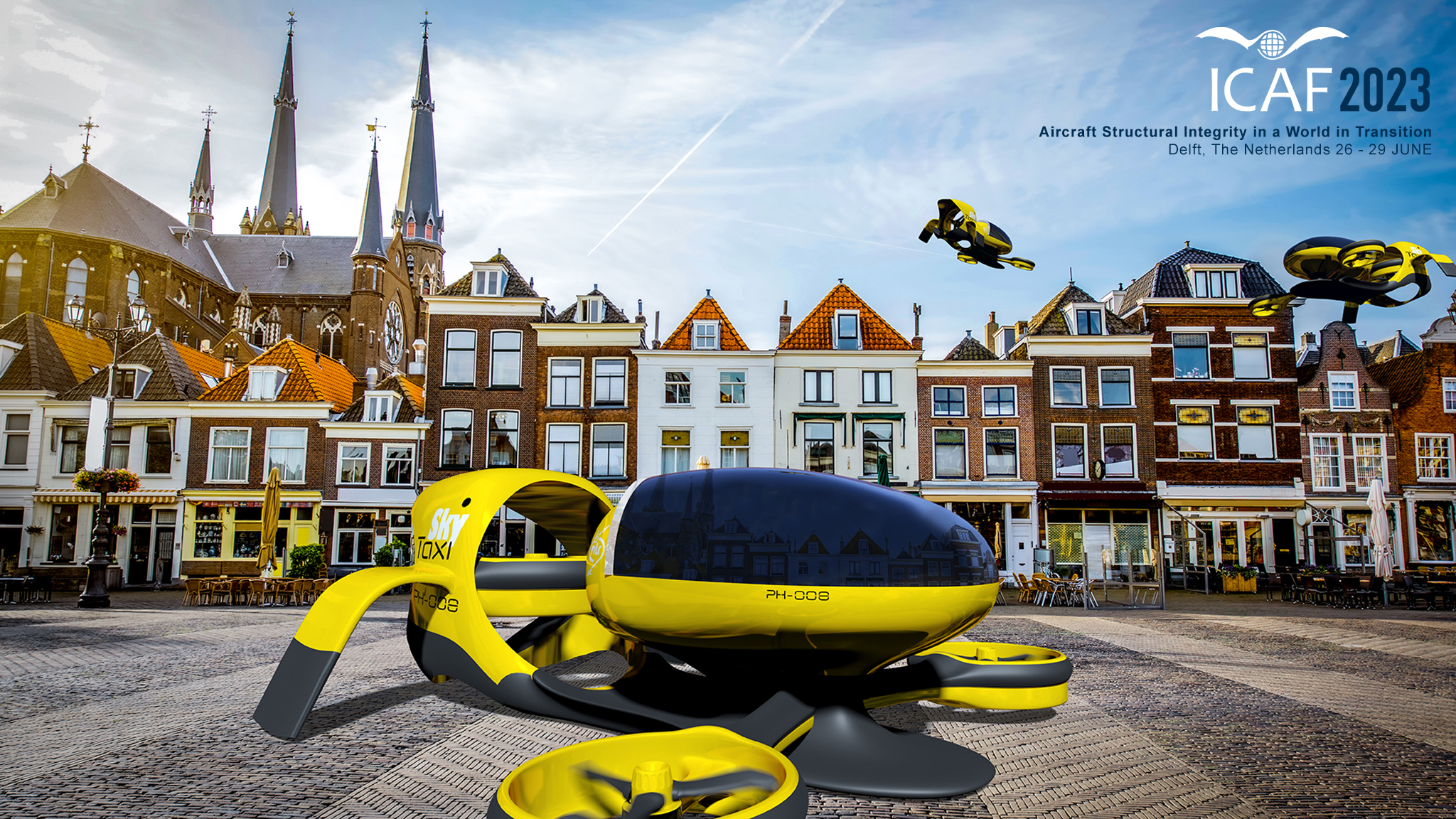
ICAF Conference: fatigue and the integrity of structural materials. To make flying as efficient and sustainable as possible, the aviation sector is always on the lookout for ways of making aircraft as light as possible. Fatigue – the point at which a material gives way under a low but varying load – plays an important role in this. The service life of an aircraft is largely determined by the risk of failure due to fatigue. Now that advanced lightweight materials and structures are gaining ground, the topic has become more urgent than ever.
Maintenance and Repair
14 February 2022
R&D case: Engine condition monitoring for predictive maintenance
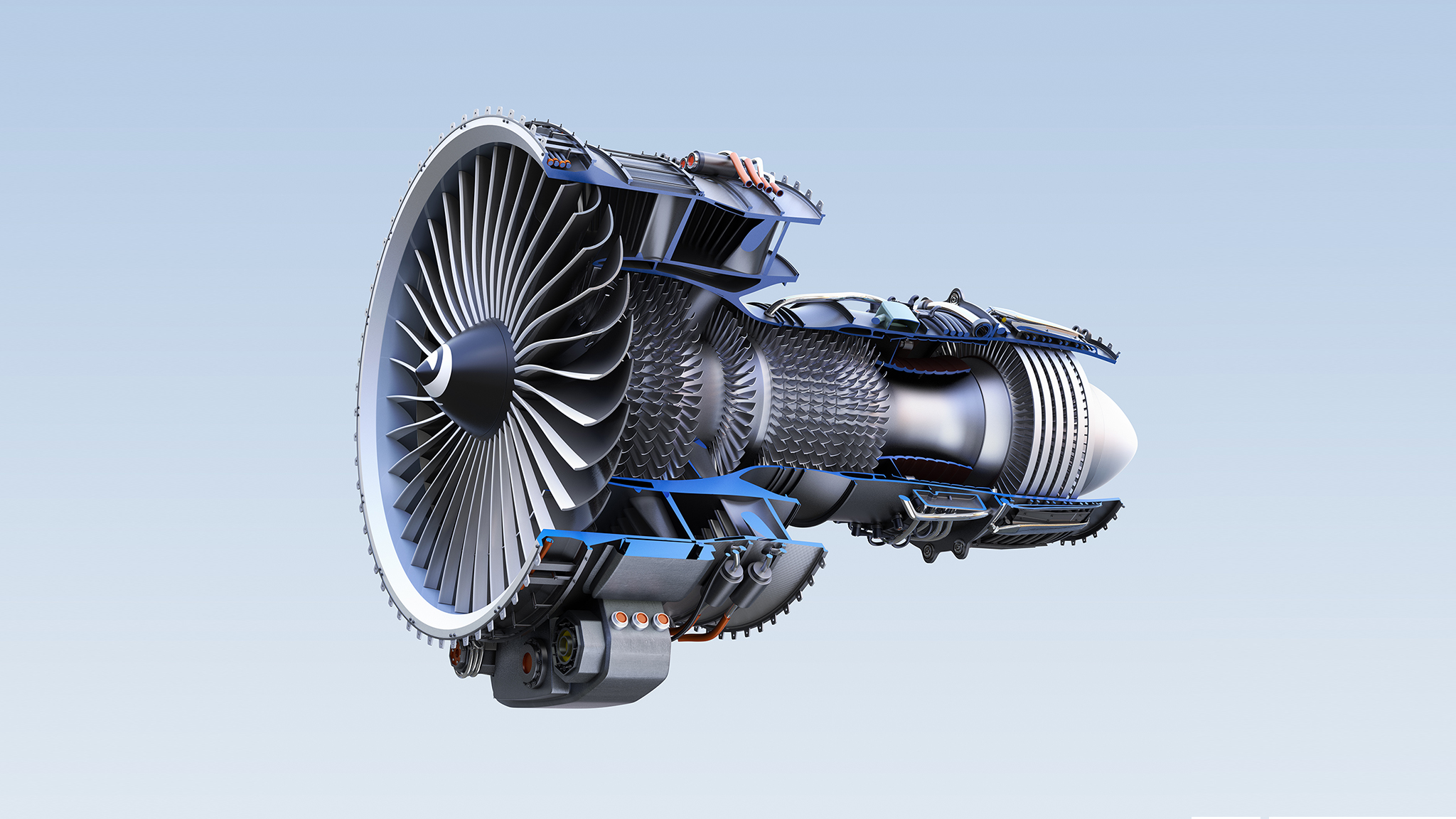
An important trend in the sustainment of aircraft engines is the transition from preventive maintenance to predictive maintenance. This concept aims to minimise the engine down-time and maintenance costs while preserving its required performance level and airworthiness. For this it is necessary that the momentary engine condition can be established and that this condition can be reliably extrapolated to a convenient moment in the future in order to facilitate the planning process.
04 March 2025
Electro Magnetic Compatibility facility
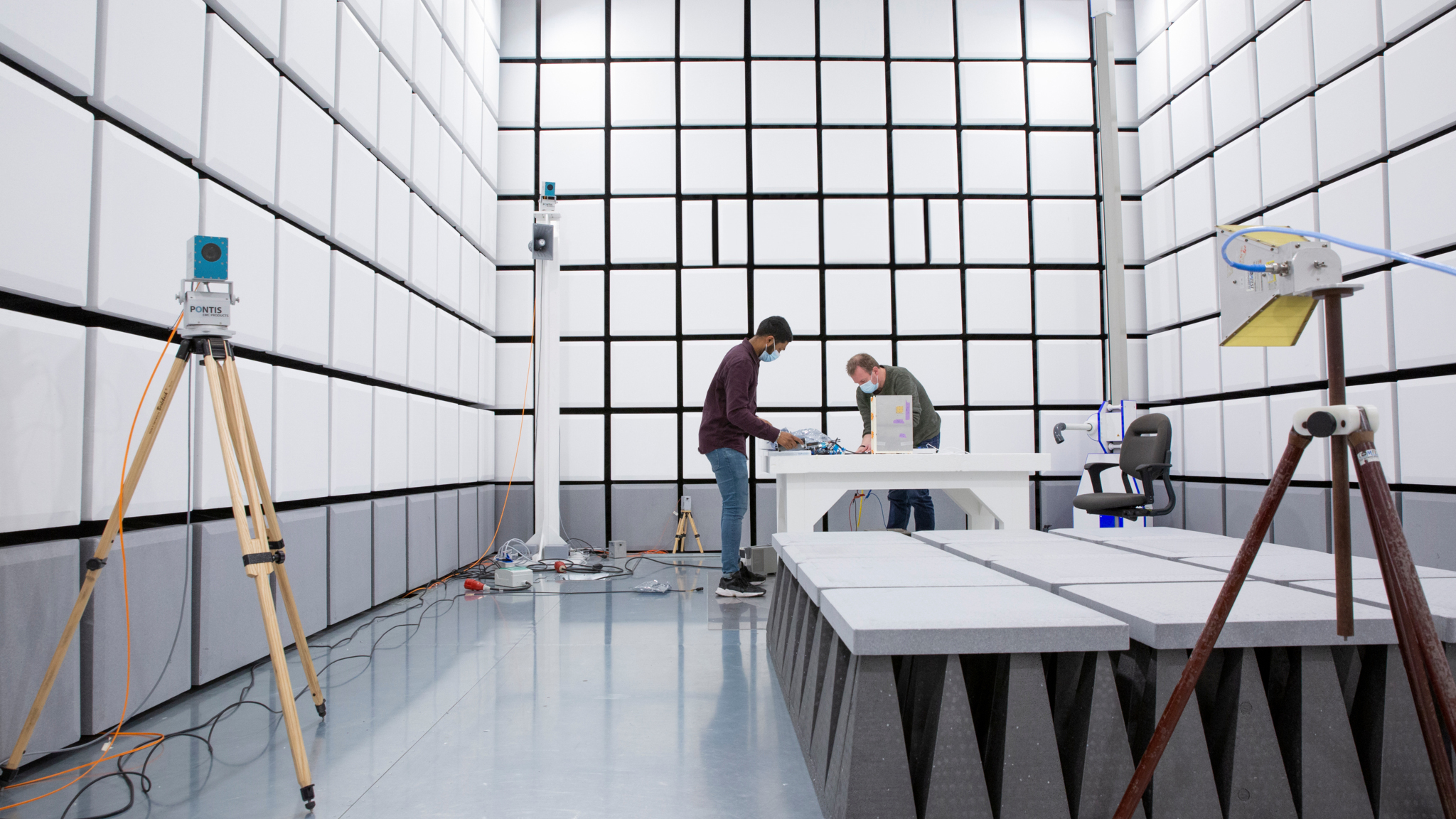
Materials and equipment used in aerospace applications have to meet a wide range of special requirements, mainly due to the specific environment in which aircraft and spacecraft have to perform reliably and safely. NLR’s extensive capabilities and expertise in the field of airworthiness certification is complemented with state-of-art research infrastructure for aerospace systems performance and airworthiness compliance testing.
25 September 2024
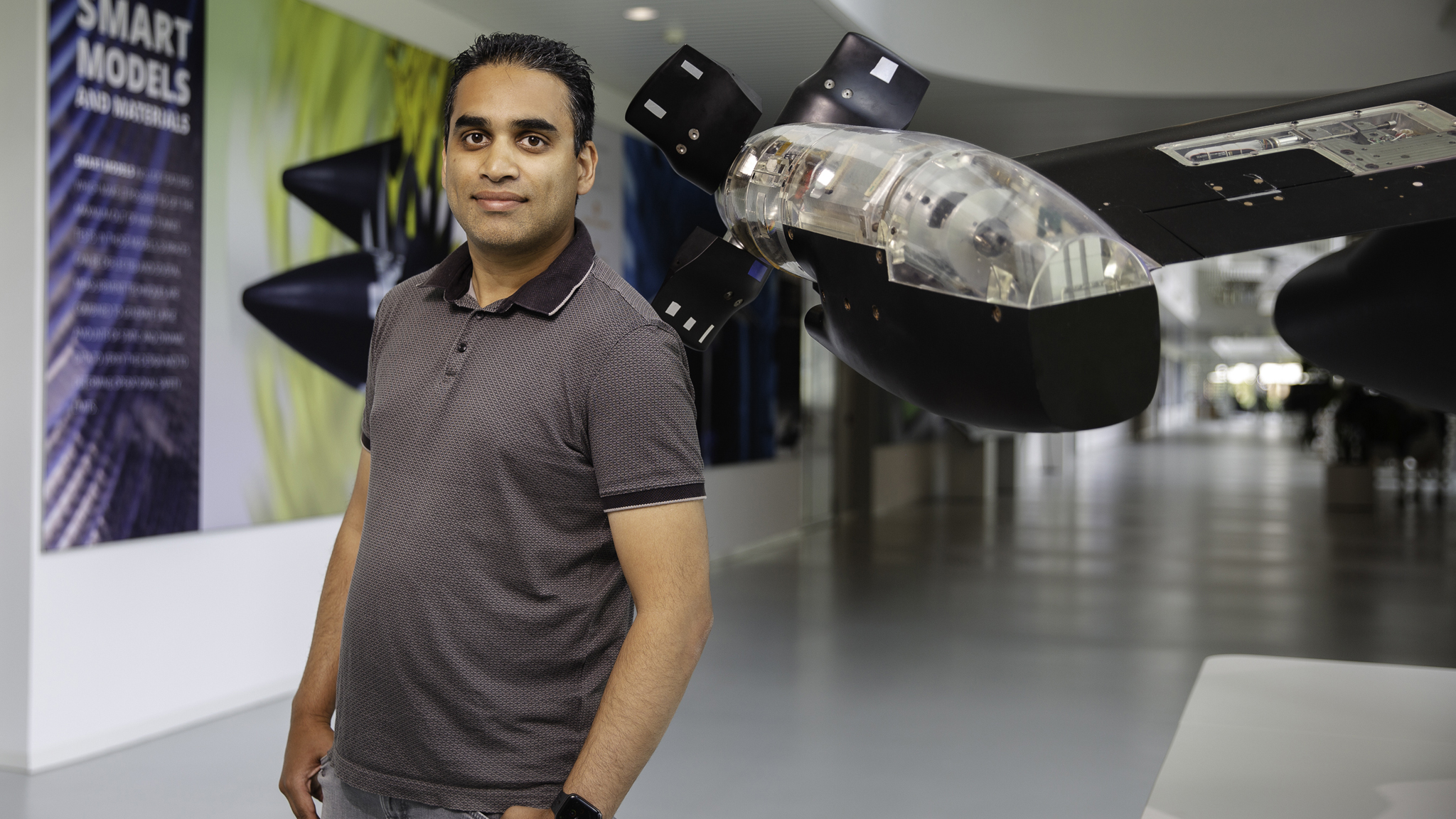
NLR People: Shafeeq Kasiemkhan, Without our work, no plane can take to the air
In the series ‘NLR People’, we show you who the experts at the Royal Netherlands Aerospace Centre are, what drives them, and what they are working on behind the scenes. In this episode: Shafeeq Kasiemkhan, Mechanical Design Engineer at the Aerospace Vehicles department.

03 August 2023
NLR People: Ellen van Leeuwen, Using data to comply with noise standards and regulations
In the series ‘NLR People’, we show you who the experts at the Royal Netherlands Aerospace Centre are, what drives them, and what they are working on behind the scenes.
In this second episode: Ellen van Leeuwen, principal engineer at the Sustainability and Environment department

06 February 2025
Quality assurance
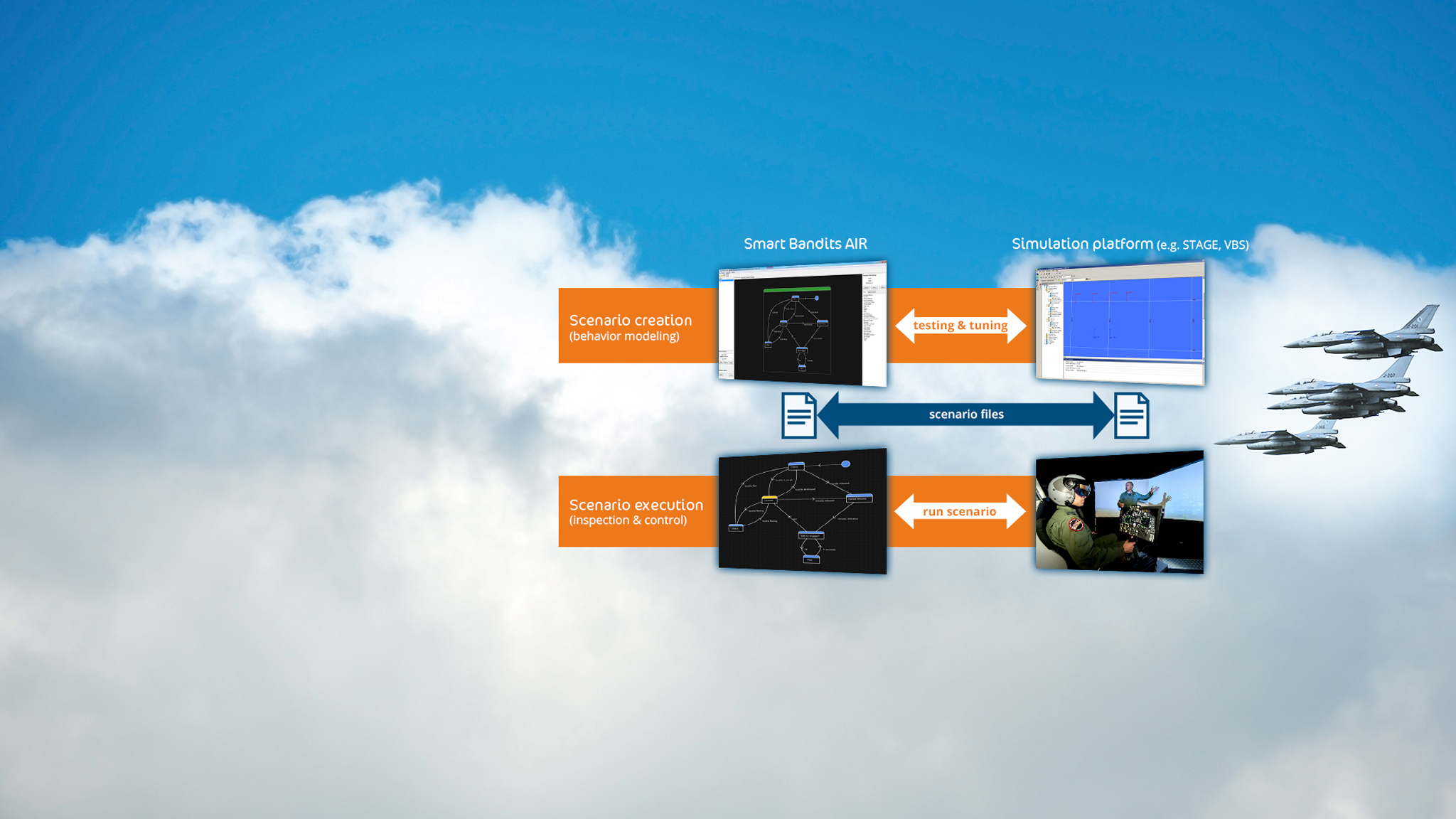
Training with a blend of simulation training devices and other digital media (e.g. AR/VR, wearables or portable devices) has substantial advantages over training with real aircraft and systems only. Such training devices and media are able to offer a learning environment and level of fidelity that is optimised for training situations that cannot be easily trained with real aircraft or systems for safety, cost, environmental or organisational reasons.
06 February 2025
Training design
Traditionally, instructional design models have a strong focus on part task training in early phases of a learning process, but the 4C/ID model advocates a structured combination of both. The sequence of learning tasks (whole tasks) is the backbone of training, while part task practice supports learning or refreshes the highly routinised skillset at the time at which it is needed most in the sequence of learning tasks. The design of a training session is a detailed process with careful considerations. The TNA focused mainly on broad lines and high-level competencies. A training design investigates small operational details and outlines the training in the form of blueprints. At first, blueprints are designed without limitations to prevent constraints-driven training. If limitations in a new training design are too decisive, there is risk of constraints-driven training. This can potentially result in inefficient and/or ineffective training.
15 January 2025
Unmanned and autonomous
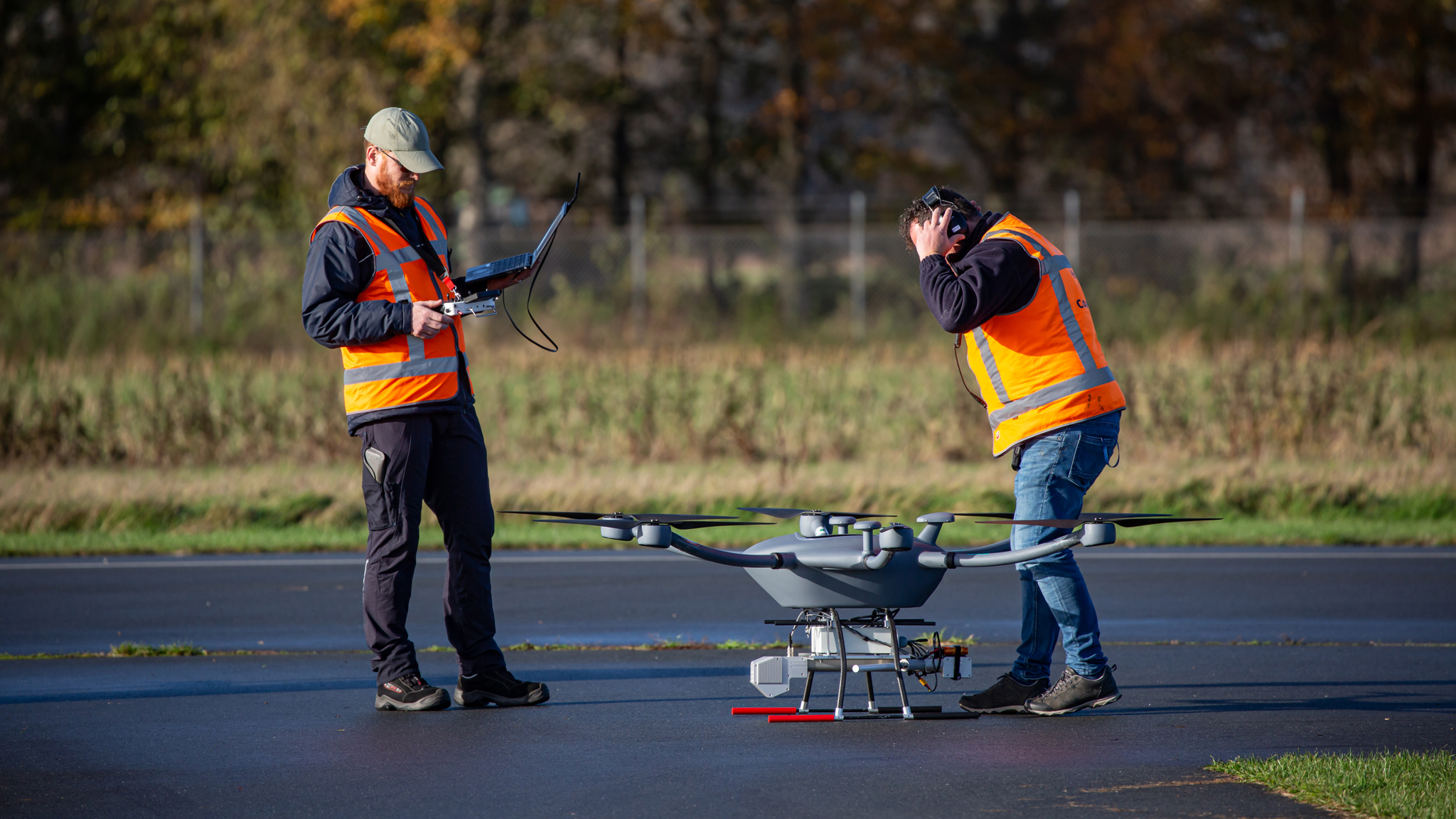
Programme leader Joost Vreeken on the Unmanned and autonomous knowledge programme