The world is facing major challenges, such as increasing security threats and the impact of climate change. These developments call for accelerated innovation and targeted investment. NLR plays a key role by strengthening the competitiveness of the Dutch aerospace industry, accelerating the sustainability of aviation and contributing to a safer society. In line with its strategy plan, NLR sets out in its annual research plan the specific knowledge areas it will focus on in the coming year.
According to Martin Nagelsmit, CTO of NLR, the approval of the NLR Research Plan 2026 marks an important step towards a more resilient society, and a more sustainable and innovative aerospace sector. “With the support of the Ministry of Economic Affairs and the commitment of all partners, we can work in a targeted way towards these ambitions and towards strengthening the economic, technological and societal position of the Netherlands.”
Balance Between Short- and Long-Term Goals
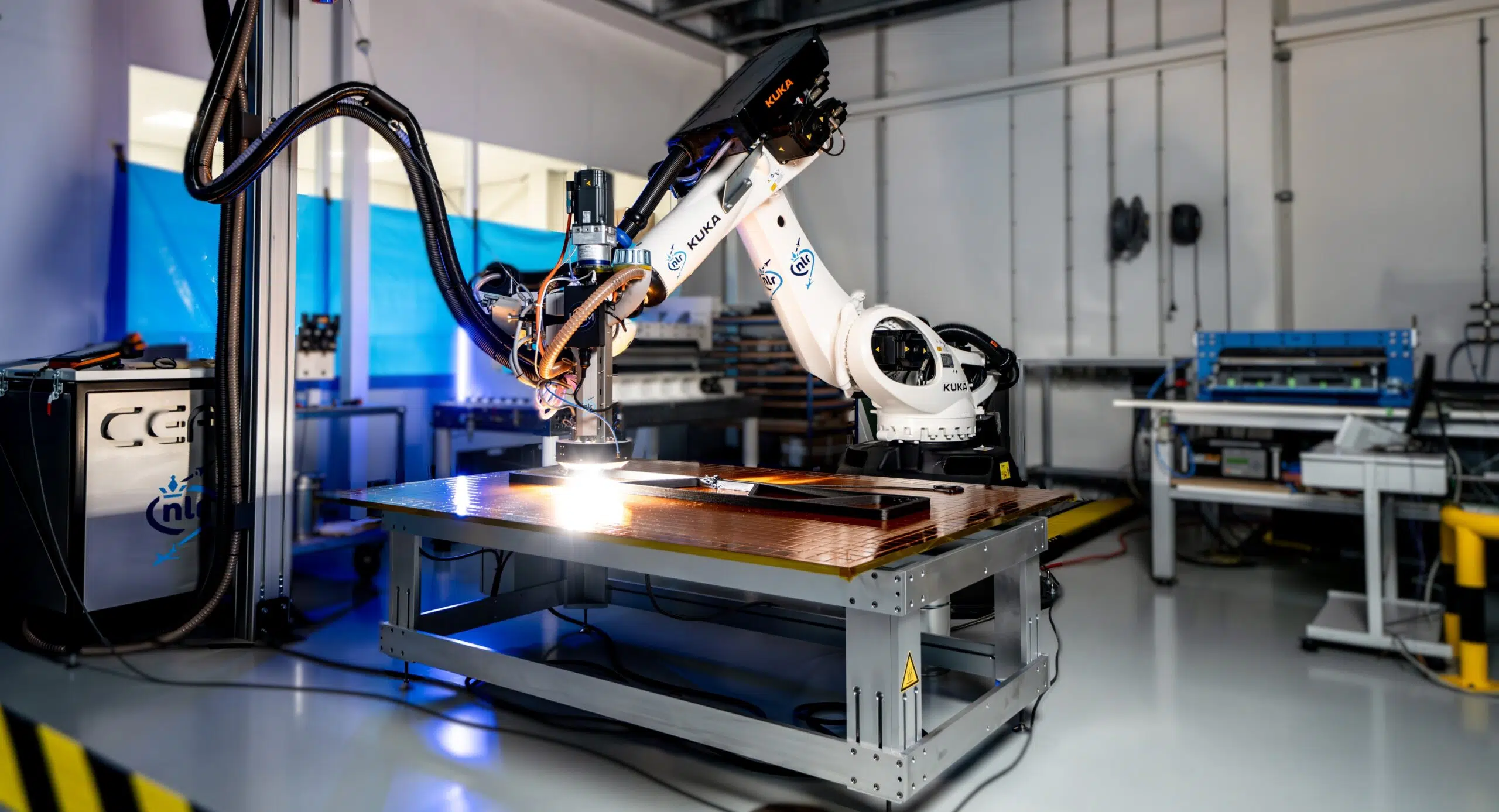
The plans for the coming year strike a healthy balance between short-term research and the long-term development of NLR’s knowledge and facilities. In 2026, NLR will focus, among other things, on developments aimed at creating a safer society, achieving climate-neutral aviation, further shaping its space ambitions and, on a more practical level, improving manufacturing technologies. In addition, investments will be made in the development of facilities.
“This approach enables NLR to continue supporting the Dutch government and in particular for Defence, industry, and our society,” says Martin Nagelsmit.
Investments in Applied Research Facilities (FTO)
NLR manages and operates major research facilities that are unique in the Netherlands and, in some cases, even internationally. Supplementing the approval of the research plan, the Ministry of Economic Affairs has made a substantial investment in Facilities for Applied Research (FTO). These funds are intended to accelerate the development of groundbreaking products and services.
NLR has received approval for three proposals within the 2025 round of the FTO fund. These concern: the replacement of the research aircraft (PH-LAB), which is used to test and validate critical navigation infrastructure; the upgrade of the transonic and supersonic wind tunnel in Amsterdam, in view of the expected increase in demand for such testing facilities in the pursuit of more sustainable aviation and strategic European autonomy; and the expansion of the NLR Drone Centre in Marknesse to enable the testing of larger and more complex drones.
“We are delighted with this excellent outcome,” says Martin Nagelsmit. “These investments help us improve our facilities and expand our research capacity. This enables us to develop cutting-edge knowledge and technology, and to support our customers in their developments that contribute to societal progress, sustainable innovation and economic growth. Together, these efforts strengthen the aerospace sector and reinforce the Netherlands’ position as a frontrunner in technological innovation.”