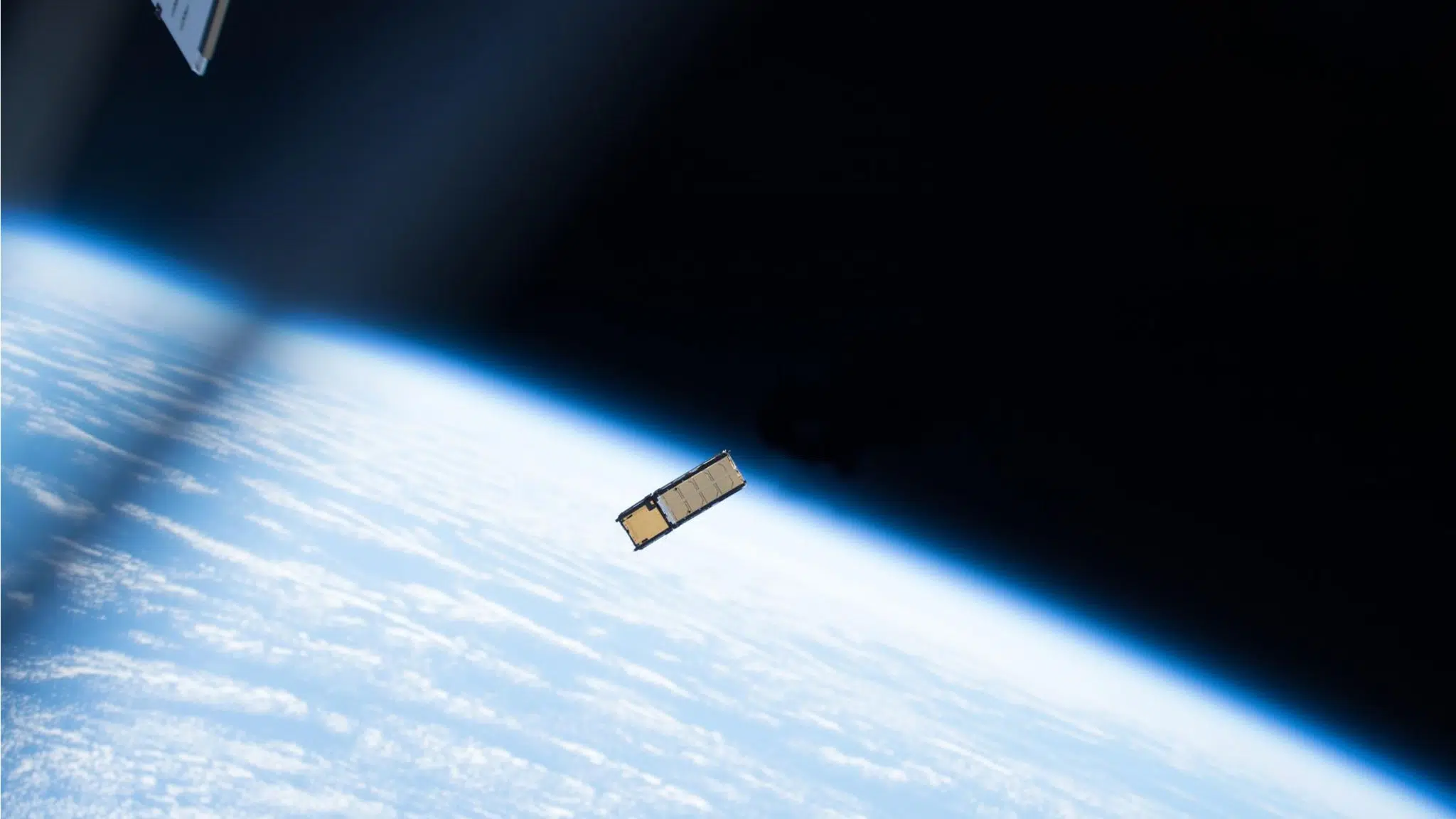
Brochure: Space applications the miniMPL, cooling for CubeSats

The Multi Parallel Micro Pump consists of a stack of several micro pumps, which consists each of a piezo membrane and a valve to direct the flow. The prime functionality lies in the flexibility the current solution offers: if a higher flow is needed, more pumps can be added to be able to deliver that flow; which also helps in the robustness. For typical space applications expensive pumps are used, and due to redundancy reasons, added with a second back up. With for instance 20 micropumps placed in one stack, the loss of one single pump will not result in loss of functionality of the loop, but will lower the flow with 5%.
We currently have a full scale MPMP prototype which has demonstrated a mass flow of 500 mg/s which is sufficient to transport at least 20 watts of heat. The consortium aims to improve upon the design to transport at least 100 watts of heat away from a heat source, such as a CubeSat propulsion module, to a heat sink elsewhere in the satellite.
Latest Downloads

Platform System Design

04 June 2026

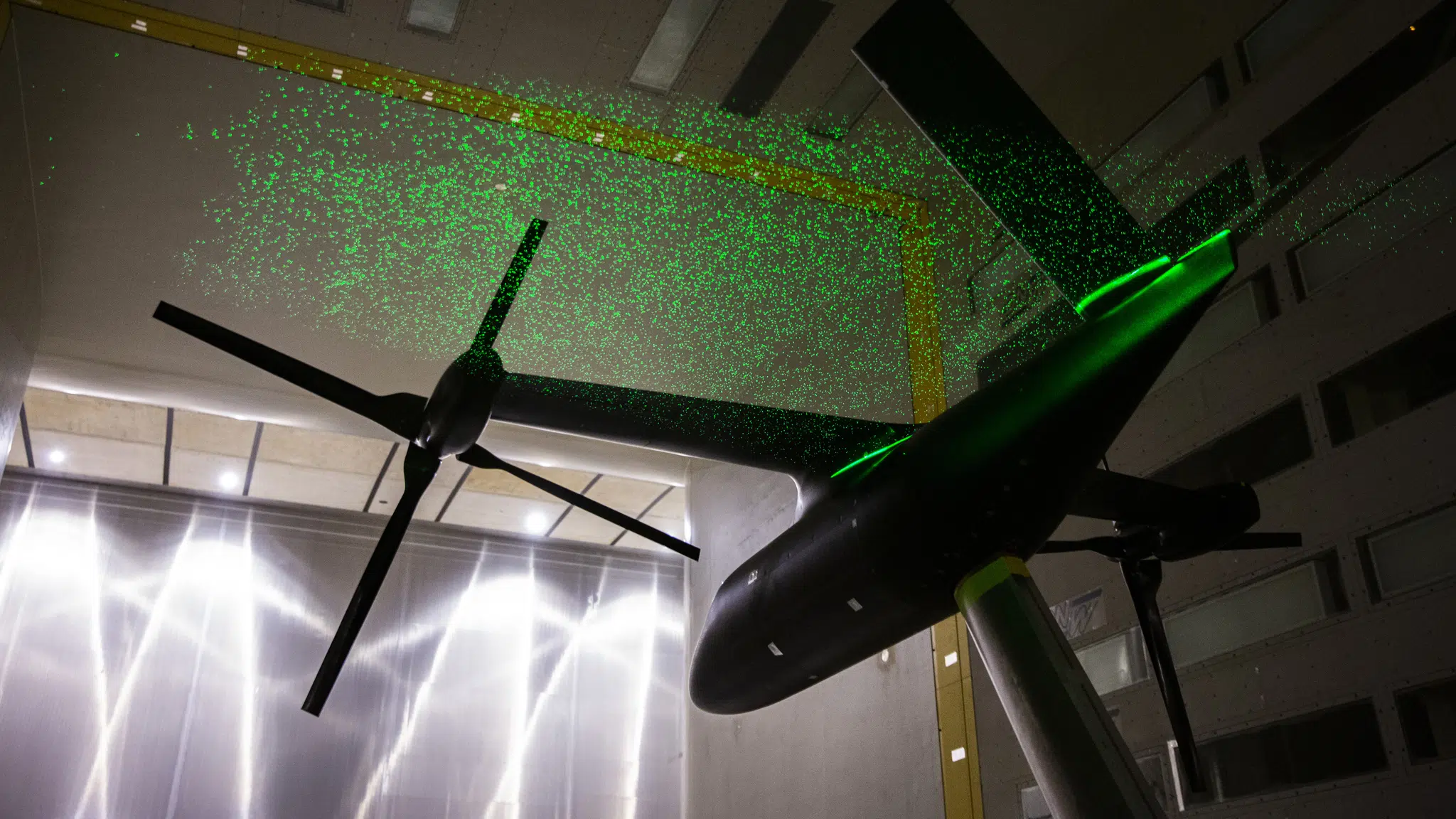
Brochure: Wind tunnel modelling and testing

When an aircraft model enters a wind tunnel, it's a decisive step in development. Years of development, simulation and numerical analysis are about to face measurable reality.

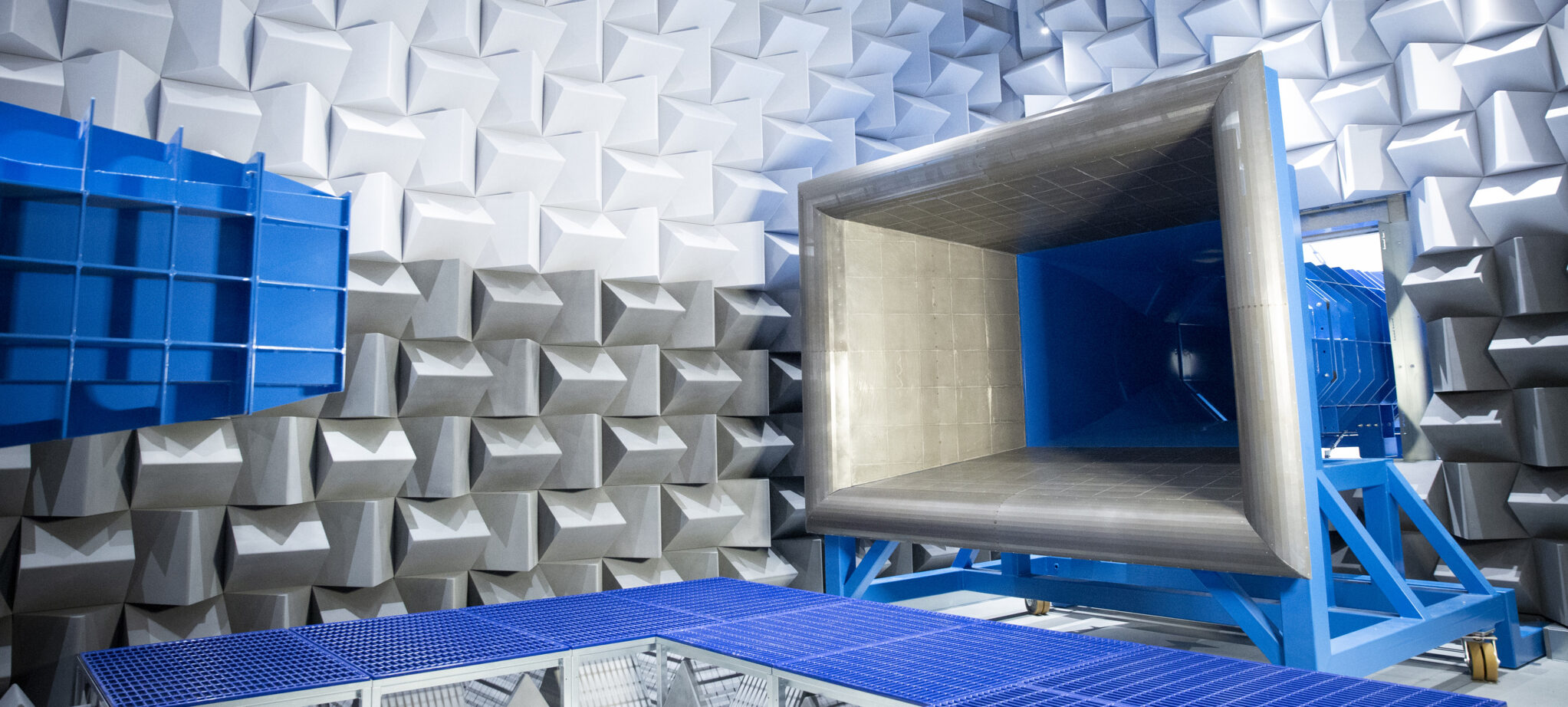
NLR Aeroacoustic Wind Tunnel - AWT at NLR Marknesse
NLR corporate

04 June 2026

Brochure: Research infrastructure

NLR’s research infrastructure comprises a diverse range of facilities and equipment, forming the
foundation of our applied research. Our state-of-the-art facilities are accessible to companies and
other research institutions, allowing for collaborative innovation. In this brochure we present a modest
part of our extensive facilities for aviation, defence and space applications with which we can support
your research projects and R&D activities.

Sustainability and Environment

04 June 2026

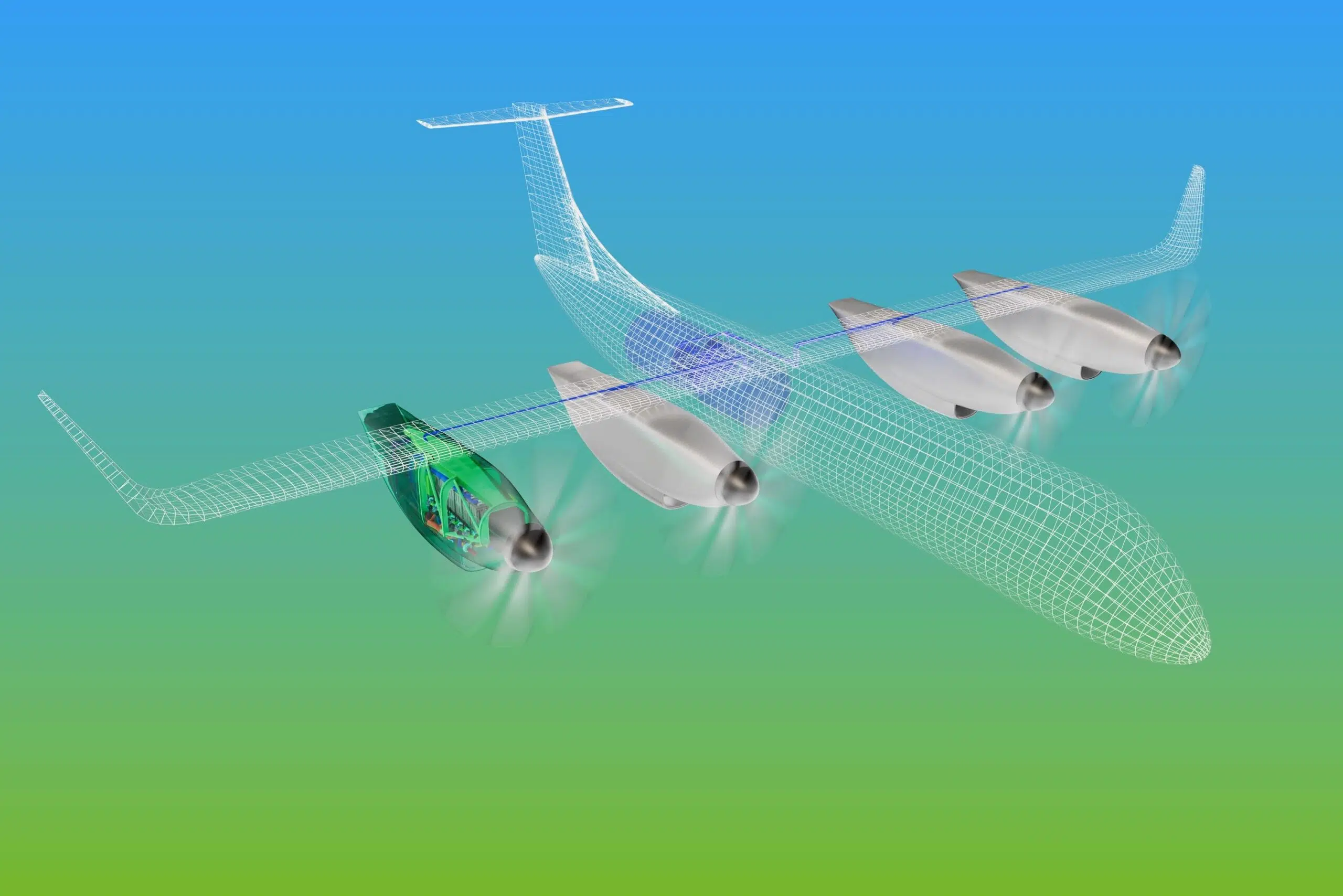
Booklet: R&D More electric and hydrogen-electric powered aerospace

Hydrogen as a fuel is considered to be an important route towards future sustainable aviation. For aviation
applications, hydrogen presents several key advantages: it allows for the elimination of carbon emissions in
flight and along the entire life cycle. Its usage in fuel cells allows eliminating NOx and particles. When burnt
in a turbine engine, very low particle emissions can be expected, as well as reduced NOx emissions, provided that the combustion system is optimised. However, water vapour emissions need to be carefully managed.