The consortium of research institutes Royal NLR, TNO and the Norwegian Defence Research Institute FFI (Forsvarets Forskningsinstitutt) are developing a demonstration mission for a space based observation system as part of the MilSpace2 project (Military Use of Space). This research enables the Defence department to become less dependent on external parties. Satellite platform supplier NanoAvionics from Lithuania was selected for the delivery of the nanosatellites Birkeland and Huygens, after an independent evaluation process with tenderers from various countries. It is the first time that Norway and the Netherlands will be developing and launching satellites together. The launch of the two nanosatellites that jointly make up this mission is planned for mid 2022.
Mission on radar signals
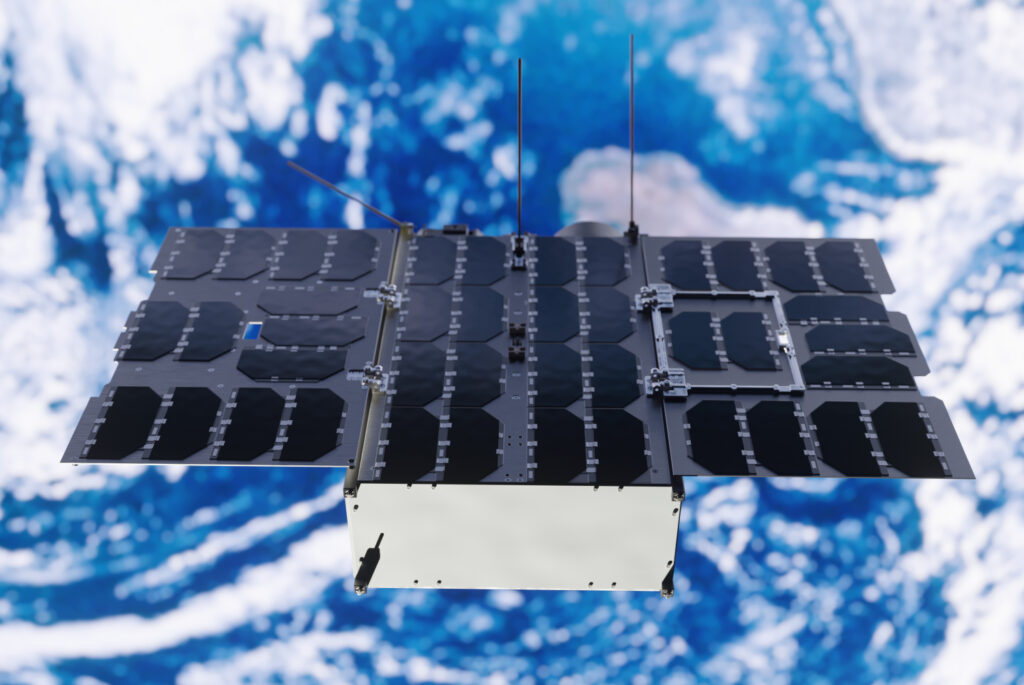
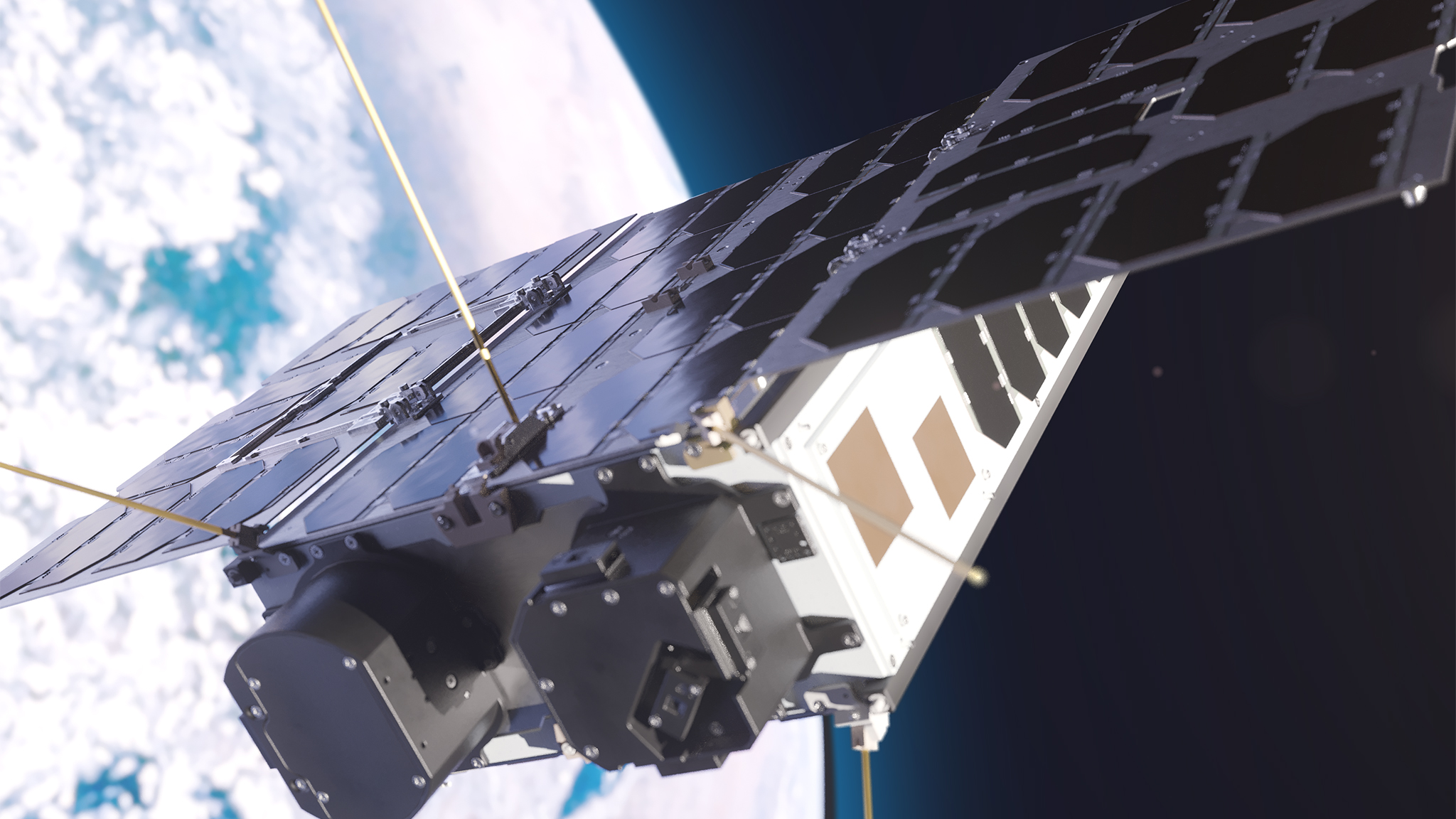
The MilSpace2-mission is an innovative system that is intended to be able to use Birkeland and Huygens under all meteorological conditions to detect and localize radar signals – including ships’ navigation radars – using various measurement techniques. The platform for the two nanosatellites is based on the existing M6P nanosatellite bus from NanoAvionics that provides accurate orientation and positioning for the requisite satellite orbits. The payload is a measuring instrument developed by the consortium.
The demonstration mission consists of two identical 6U cubesats (where 1U corresponds to dimensions of 10x10x10 cm) that will fly in tandem formation in a low Earth orbit at a height of about 600 km. The two nanosatellites will fly in the same orbit a distance of 15 to 25 km apart, so that they can detect signals from specific radar systems simultaneously.
Building on the experience obtained by the Norwegian NorSat-3 and the Dutch BRIK-II missions, which are currently being developed, the consortium expects that this bilateral mission will also provide valuable insights into flying nanosatellites in tandem formation.
Consortium
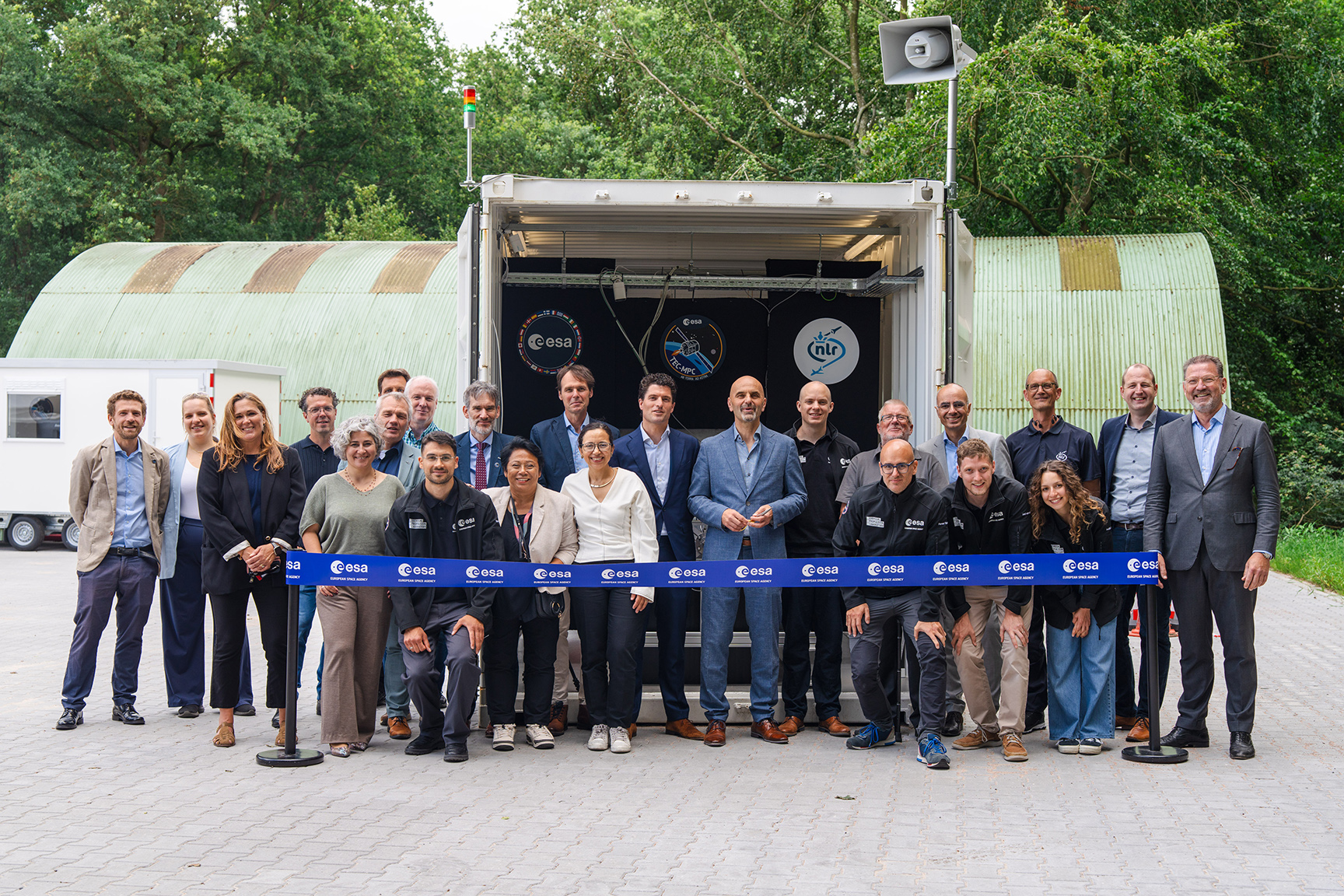
The Netherlands and Norway are working together in strategically important fields of research in the context of SMART (Strategic Mutual Assistance in Research and Technology). The purpose of the collaboration is to obtain broad knowledge about current and future space-related techniques, technology and concepts. Tasks have been divided within the consortium, with Royal NLR handling the procurement of the satellites and the integration of the instrument on board the platforms. TNO is working on the design and construction of the innovative components of the instrument such as the antennas and signal receivers. FFI is making the system design for the measuring instrument, carrying out the integration and taking responsibility for the ground station and the data processing.
Would you like to know more?
https://www.nlr.org/news/the-netherlands-and-norway-join-forces-in-space/.