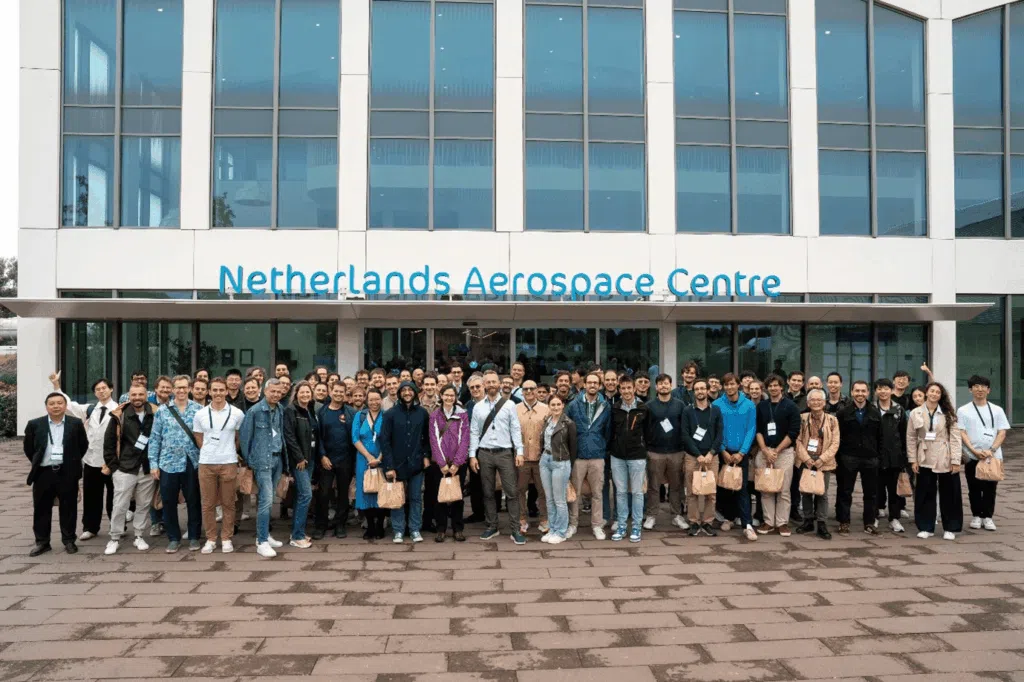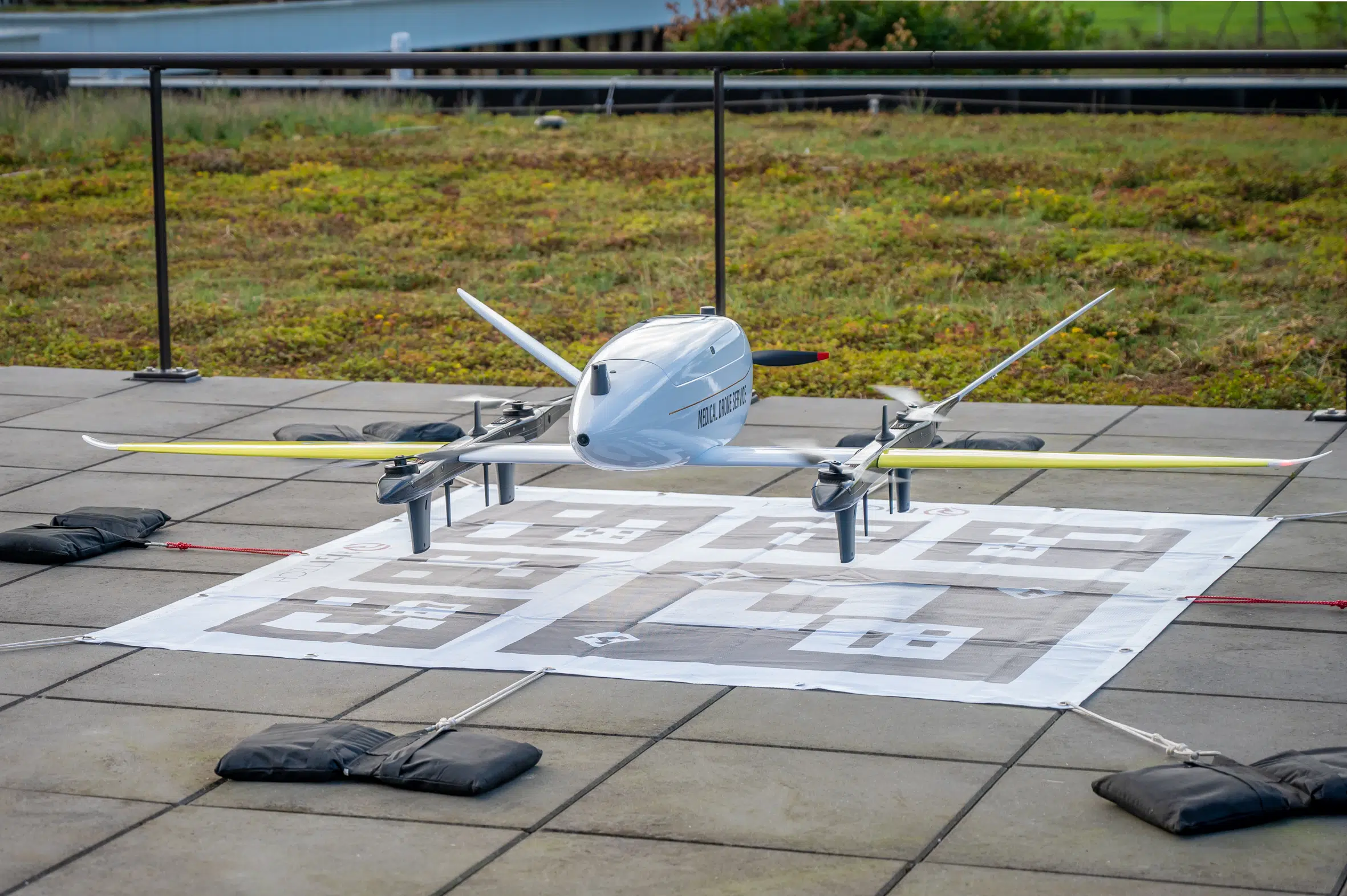
The largest conference on rotorcraft technology in Europe brought together specialists on the subject from all over the world. ‘Rotorcraft’ are helicopters, drones and VTOLs (vertical take-off and landing). The event was organised by NLR, on behalf of the International Committee of the European Rotorcraft Forum.
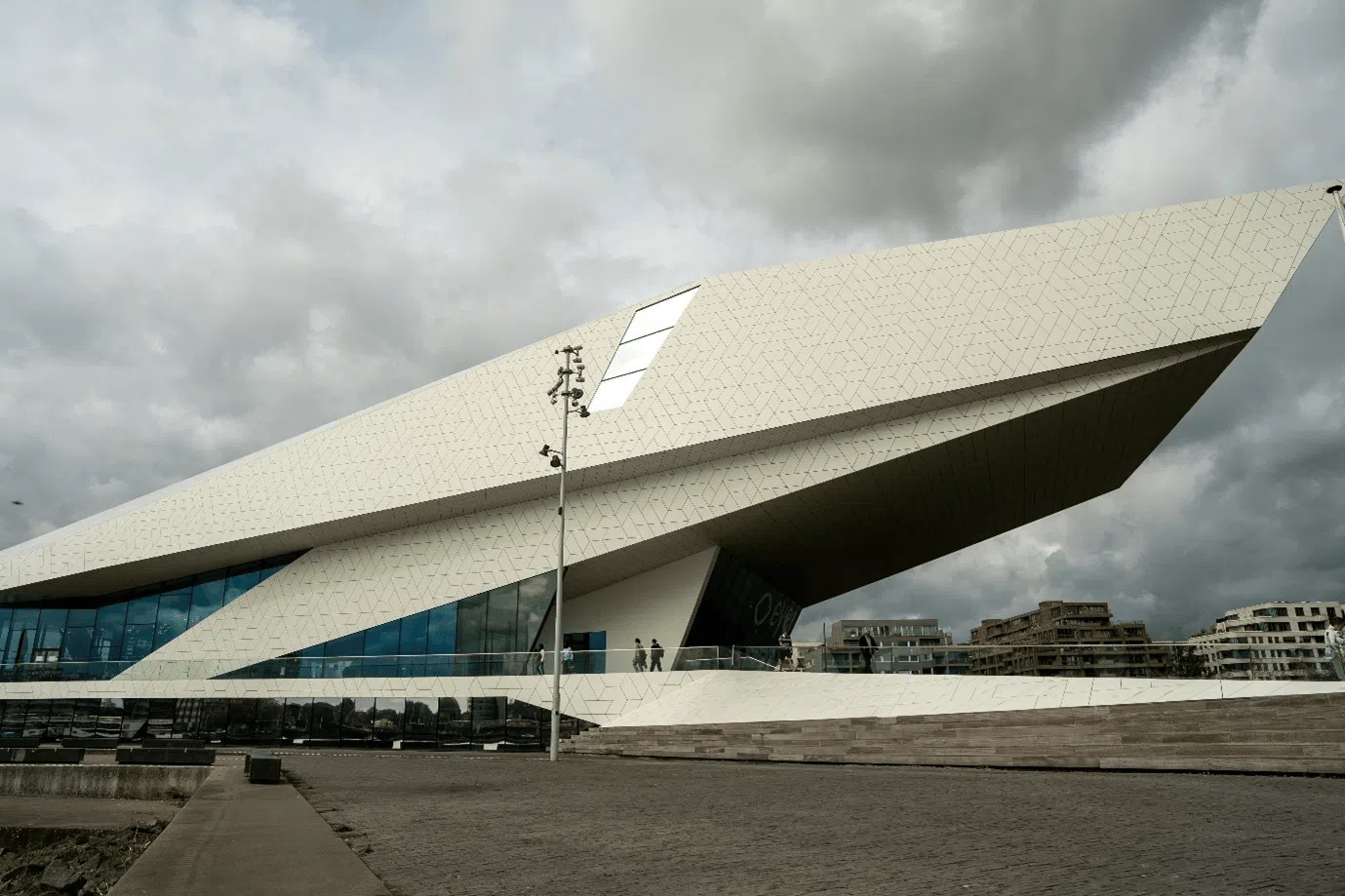
Scientists and engineers came together to exchange knowledge during this four-day scientific conference. Experts from Europe and beyond, including the United States, South Korea and Japan, attended the event. The conference featured presentations on the latest developments in the field. The European Rotorcraft Forum 2026 also brought together companies – large and small – with engineers, scientists, public authorities and defence representatives. Participants were impressed by the level of the lectures, networking opportunities, as well as the social events and the special event venue.
Keynote lectures outlined some context: what are the challenges facing the armed forces in 2026? The first speaker commented on developments within the Dutch Air Force in recent years. The most striking change is the emergence of drones as weapons. The use of drones took off in the war in Ukraine and both sides now produce millions of drones a year. The result of this ‘drone revolution’ is that virtually every country in the world now has access to drone technology, for both short- and long-range missions. Even militant groups like the Houthis are using long-range drones.
Future of military rotorcraft
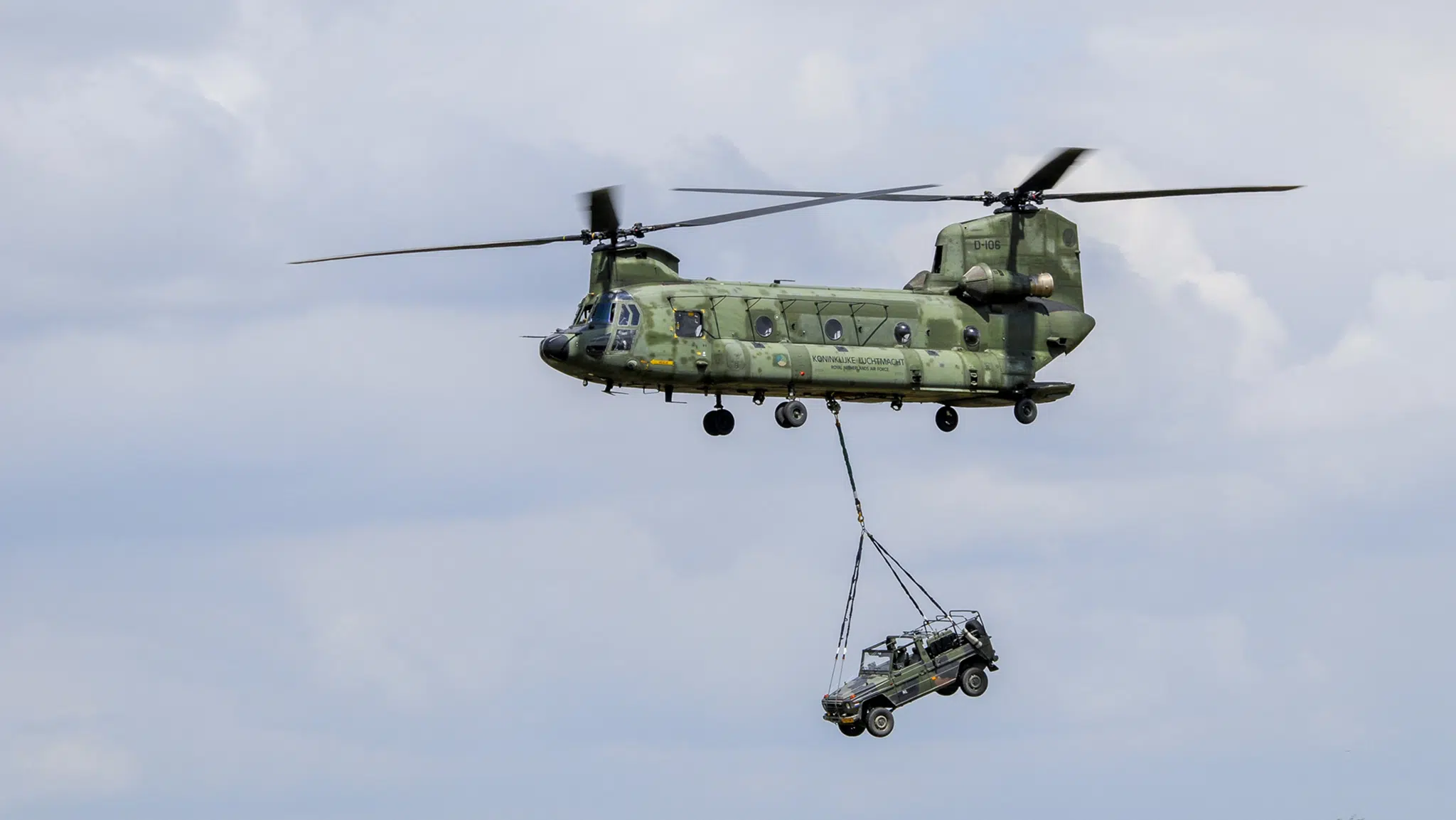
The rapid rise of flying drones has major implications for the use of manned helicopters. A helicopter currently has little or no defence against a swarm of drones. This will have significant consequences for the future of military rotorcraft. For example, helicopters will have to operate at a greater distance from the battlefield. Additionally, they will need to be equipped with long-range weapons, and will require increased speed as well as more varied defensive capabilities.
The drone revolution also means that radically new concepts become possible, a second speaker outlined. Consider, for example, a manned helicopter piloting a swarm of unmanned drones. In this concept the manned helicopter stays in the background – like a quarterback – observing the ‘action’ and following the unmanned systems. That’s a lot to ask of a helicopter pilot, who is going to have to be aided by sensors, electronic systems and AI to help with the enormous workload. Artificial intelligence is essential, because a pilot will be simply swamped with information. AI will process the information first and, for instance, show the pilot ‘areas of interest’. The decision to attack a target, however, will always be made by a human, the military stressed.
Strategic autonomy was also mentioned. Both speakers stressed that the armed forces of European countries will still continue to invest in American technology, as it remains superior to European products in many ways. At the same time, it is important for Europe to develop its own technology. It would be desirable to have at least two major aerospace conglomerates in Europe, as this would promote competition and prevent complacency among companies.
Europe
The next generation of helicopters is being developed in a NATO and European context. As part of the European Next Generation Rotorcraft technologies II programme, the major OEMs – builders of complete aircraft – Leonardo and Airbus are working with 52 partners from 12 EU countries on technologies for the next generation of medium-sized helicopters, which should be available around 2035. Dutch companies, including Fokker and NLR, are also contributing substantially to this programme, which includes both compound helicopters and tiltrotor helicopters. NLR is also involved in the development of materials to protect future helicopters against ballistic threats. In another NATO-project, similarly aimed at the next generation of helicopters, NLR experts analysed the flight characteristics of a tiltrotor concept design by Leonardo.
Mars helicopters and eVTOLs
The European Rotorcraft Forum is a combination of plenary lectures, complemented by parallel sessions where experts dive deeper into science and technology. One of those sessions was about eVTOLs, the electrically powered vertical take-off and landing aircraft, a term often associated with urban air mobility. Speaker Blanche Demaret of the 3AF Working Group highlighted the popularity of this field with over a thousand projects worldwide. However, few companies manage to succeed in navigating the long and complex process of approval and certification. Companies that are still doing well are largely based in the United States, Japan and China. Chinese companies are the most advanced in terms of technology, although information from that country is scarce.
In any case, the researchers pointed out, the success of urban air mobility will depend on public acceptance. This involves two key factors: how keen the general public is to adopt this new type of aircraft, and the potential (noise) nuisance they may cause. For these reasons, the frequently proposed application of eVTOLs as air taxis may not be the most straightforward one. The first applications of eVTOLs will likely be seen in medical transport and emergency services, the speakers predicted based on their research.
Among the more exotic topics at the conference was a talk on NASA’s Project Skyfall. The plan is to build three new mini-helicopters that will fly to Mars and map the Martian surface from the air. Skyfall follows the great success of its predecessor Ingenuity – the first small helicopter to take to the skies on Mars. The biggest challenge for helicopters on Mars: to fly in the red planet’s thin atmosphere, they need ultra-thin rotor blades that rotate at very high speeds. Marge Donovan of the University of Maryland did extensive research on how to produce such sheets of composite material, and presented her findings.
NLR
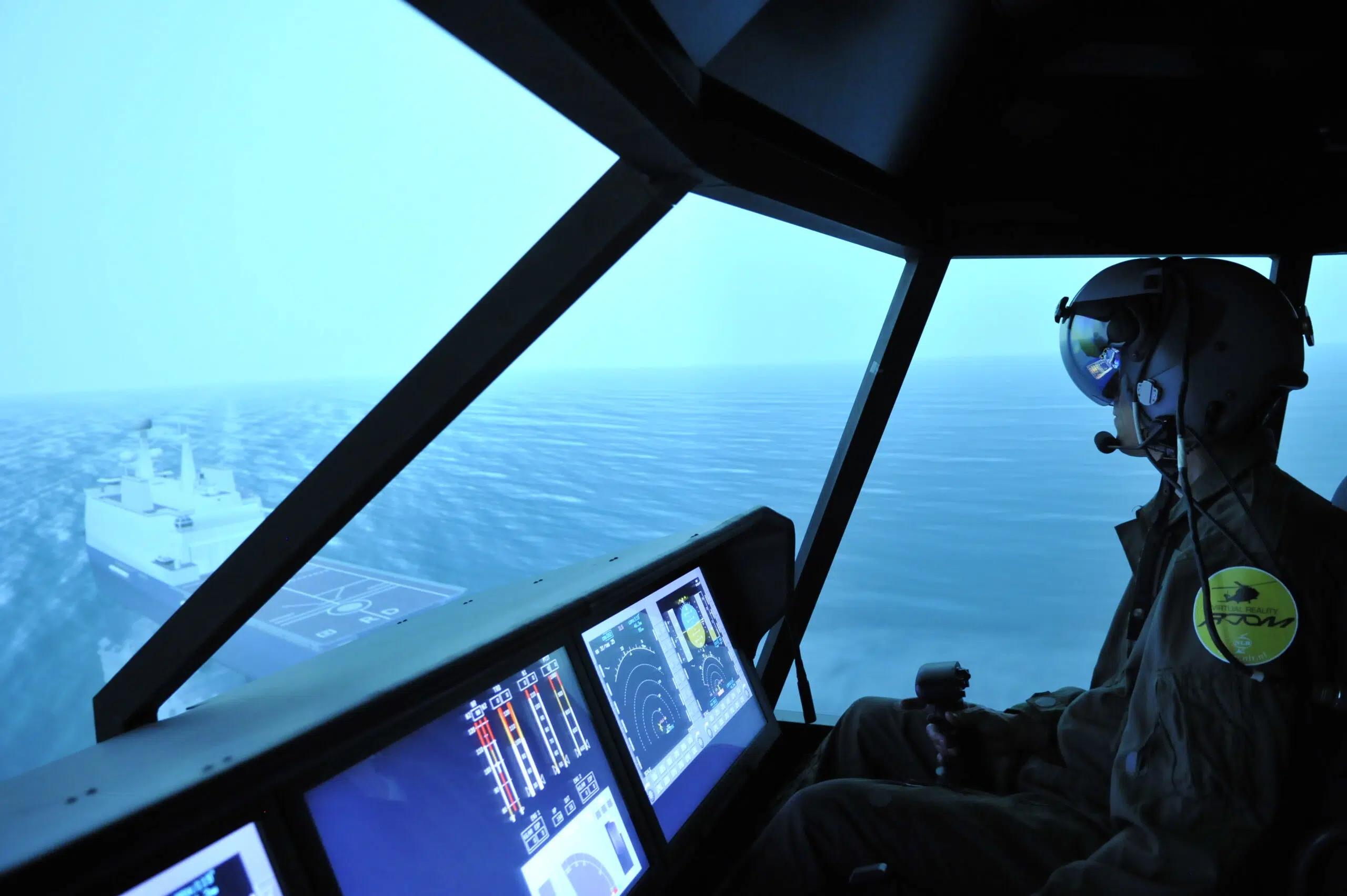
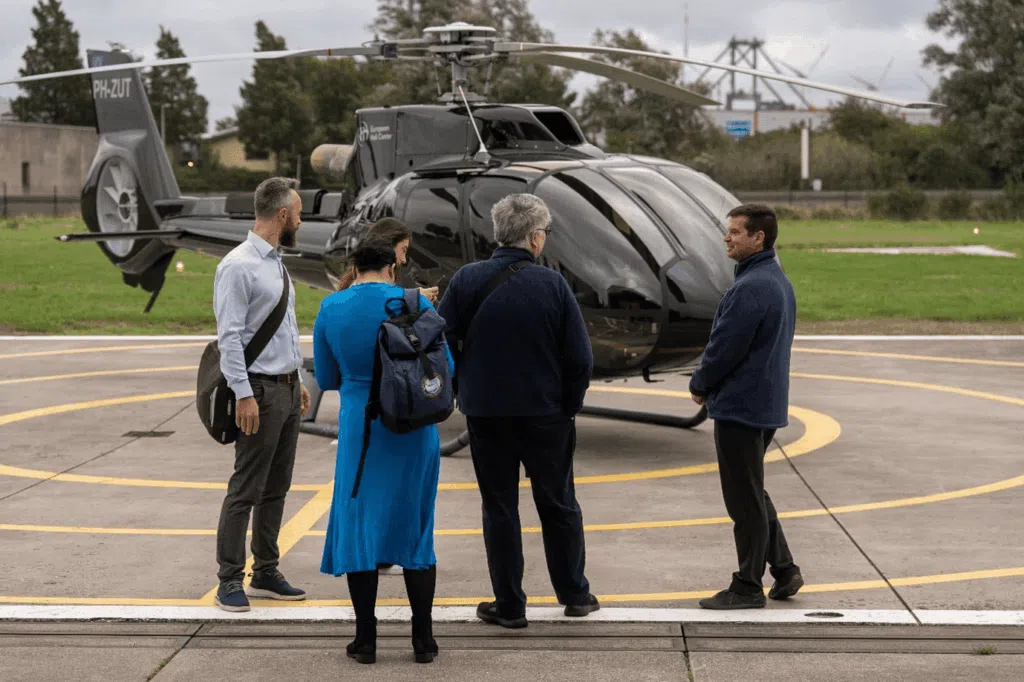
Speakers at the European Rotorcraft Forum 2026 also included several experts from NLR. For example, one specialist spoke about the challenges of controlling drones in maritime applications. Another NLR-researcher gave a talk on the challenges of portable training equipment for helicopter pilots. Because of the limited motion feedback, motion sickness lurks, a problem that can be solved with better algorithms. Finally, a lecture was given on simulation techniques suitable for complex rotorcraft configurations in which aerodynamic interactions between propellers, rotors and wings play a major role.
Technical tour
On the final day of the congress, the participants were given a tour of some of NLR’s laboratories at its Marknesse site. By hosting the European Rotorcraft Forum 2026, ERF and NLR have brought together the main players in the rotorcraft industry. The spontaneous encounters between sessions allowed delegates to make new connections and regularly laid the foundations for potential collaborations.
The 2027 edition of the European Rotorcraft Forum will take place in Krakow, Poland. At a gala dinner, the organisers passed the torch to their counterparts for next year’s event.