The use of the space domain is becoming increasingly important, leading to a surge in satellite launches for various purposes. Currently, around 35,000 space objects larger than 10 cm are being monitored, including approximately 18,500 active satellites, in order to predict close encounters, detect anomalies, and avoid collisions. Understanding the orbital mechanics and characteristics of these objects is vital to ensure a safe and sustainable future space environment. This is the focus of Space Situational Awareness (SSA).
The challenge
To get an overview of objects orbiting Earth, along with their characteristics and behaviour, we need to answer key questions, such as the number of available data sources, data types and their accuracy, as well as an object’s capabilities, intended mission or trajectory. Trend analysis can also provide further insight. Access to data sources and sensor characteristics, as well as their uncertainty or error margins, is crucial in this regard and will yield more accurate results.
The solution
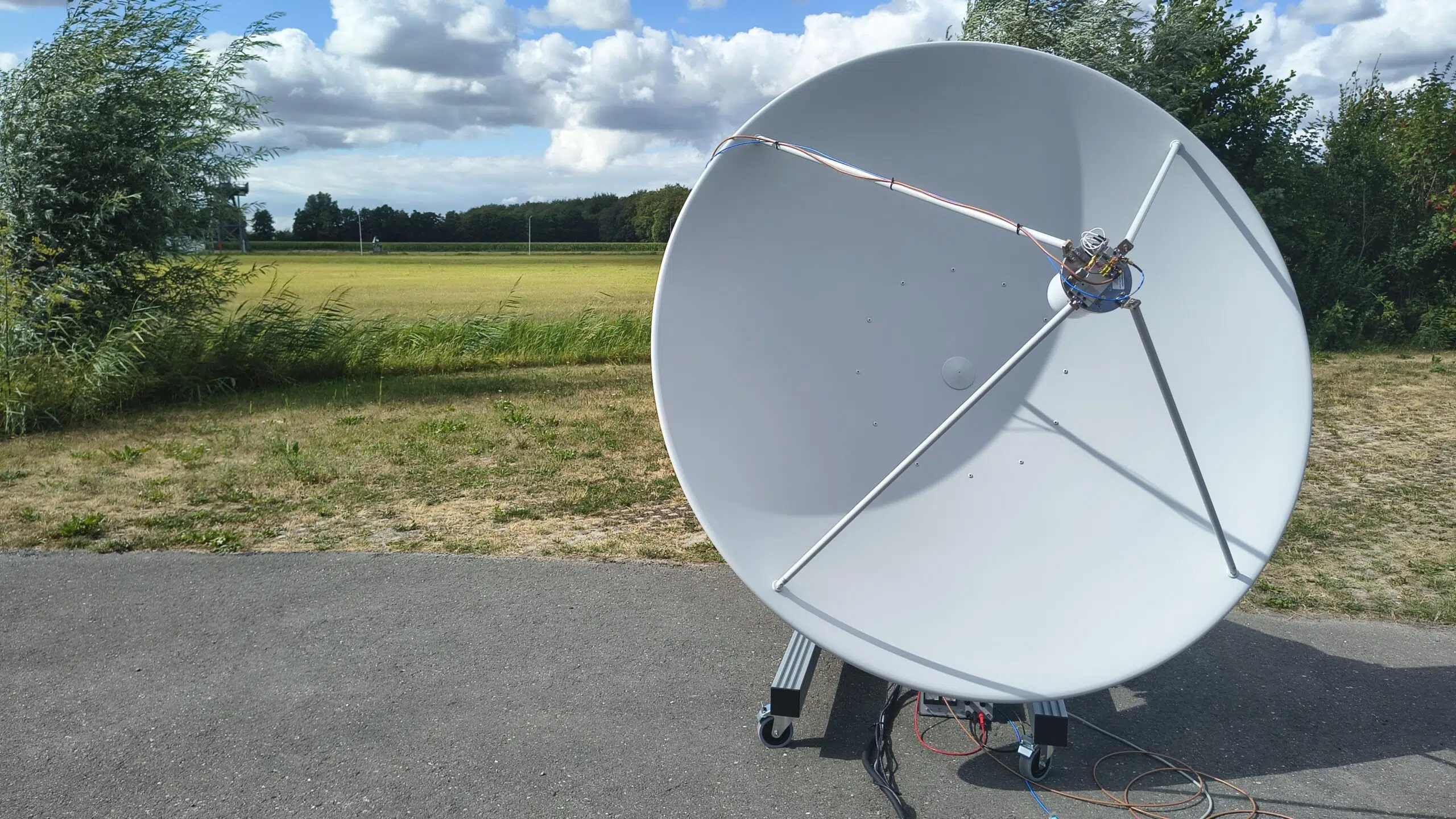
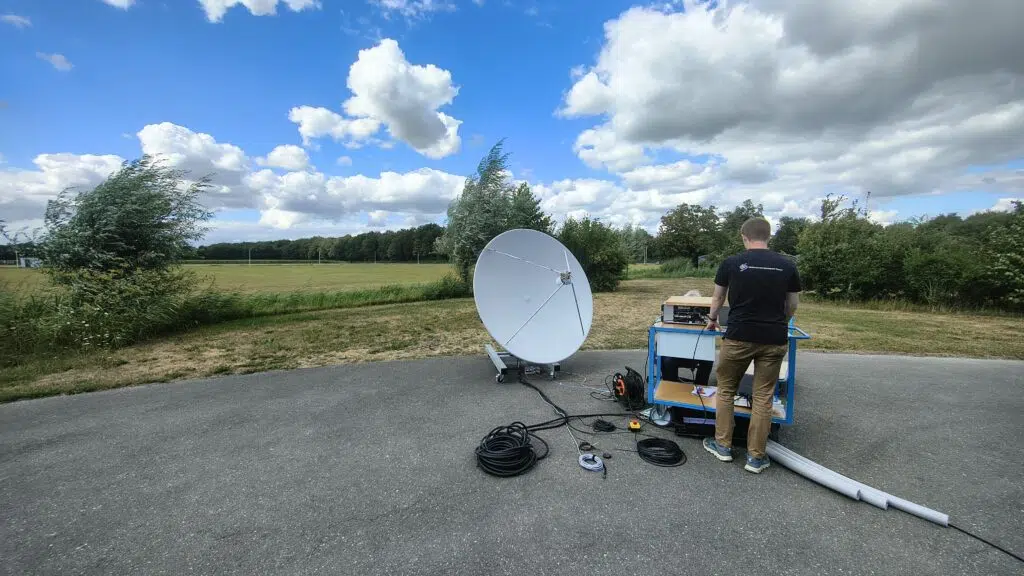
The development of NLR’s Radio Space Observatory Sensor, a passive radio frequency sensor at NLR’s Marknesse site, will facilitate research into obtaining tracking data with fully characterised sensors. By combining the acquired data in our SSA tool ARGUS with publicly available data on space objects’ behaviour, such as station-keeping manoeuvres, we can determine their functional applications and mission profiles. This will enhance our understanding of events in space and help identify potential threats to Dutch space assets, informing potential mitigation strategies.
What we are doing
NLR is developing the SSA tool ARGUS, designed to integrate and verify databases to provide detailed information on space objects, including their last observed position and the number of new or decayed objects. Users can monitor specific objects with predefined parameters, allowing them to gain insight into satellite activities and their operational implications.
It is also possible to create an overview of satellite overpasses at a given location and time. In partnership with the Dutch Ministry of Defence, ARGUS will continue to evolve. Future plans include integrating this tool with other NLR simulators, which will expand our knowledge of space-based activities.
Project partners:
Dutch Ministry of Defence, Royal NLR
Project timeline:
2019 – ongoing
NLR is part of the ‘Zero Debris Charter’, a European Space Agency (ESA) initiative that brings together a coalition of partners committed to achieving zero long-term debris in orbit by 2030.