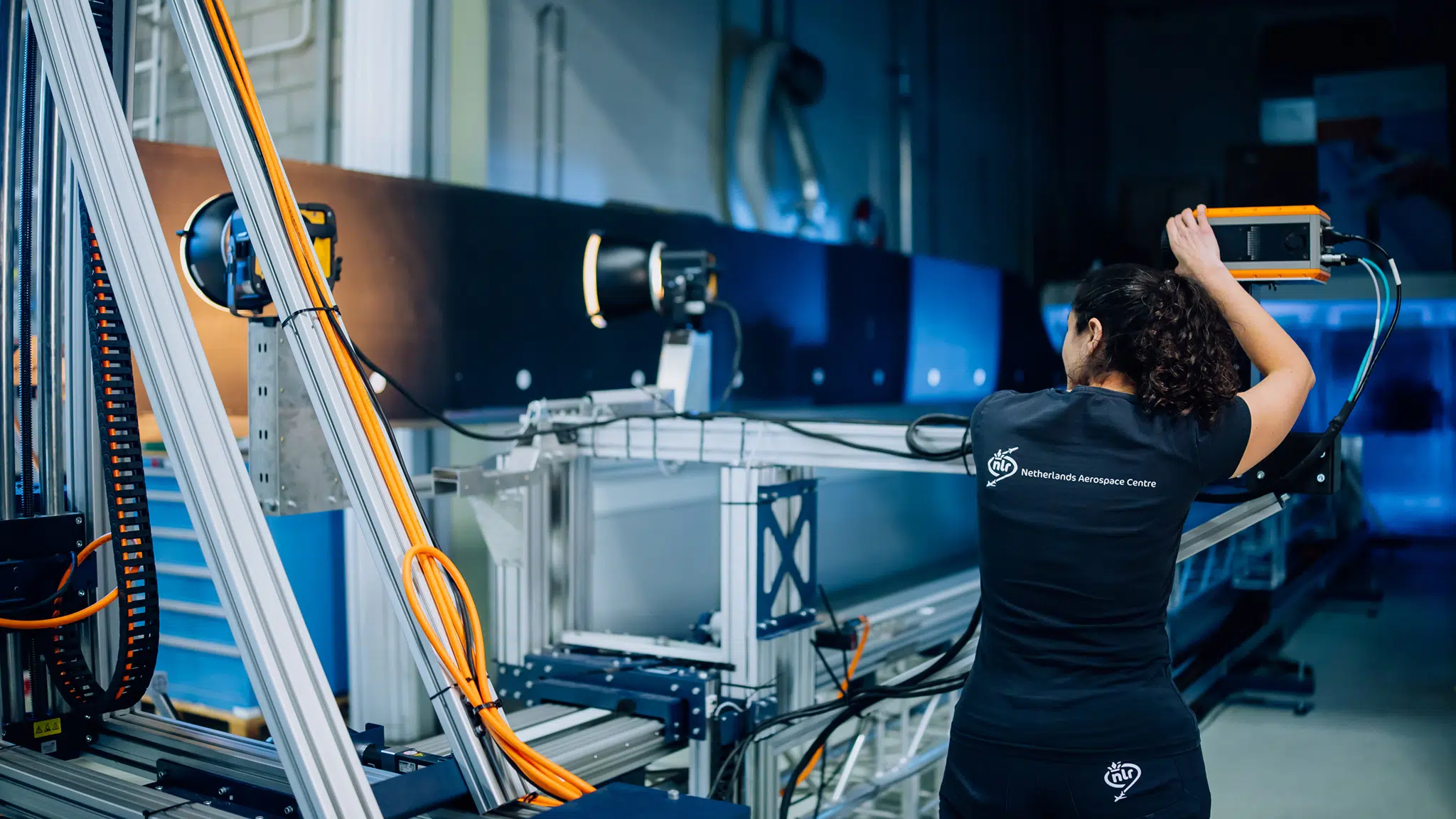
As a knowledge institute for applied research, we have a central position in the valorisation process to turn knowledge into value. In addition, our objective is that the results of our research find their way to applications in society and the economy to make an impact there. In this impact report, you can read several articles that together give an impression of prominent studies from 2023.
Latest Downloads
26 October 2026
Booklet: Applying innovation in MRO
Whether your focus lies with aircraft maintenance or you are seeking innovative maintenance technologies to enhance availability or reduce costs, NLR can provide support. Alternatively, if you're looking to future-proof your aircraft MRO operations, we are here to help you every step of the way.
18 September 2026
Booklet: Composites Research and Development
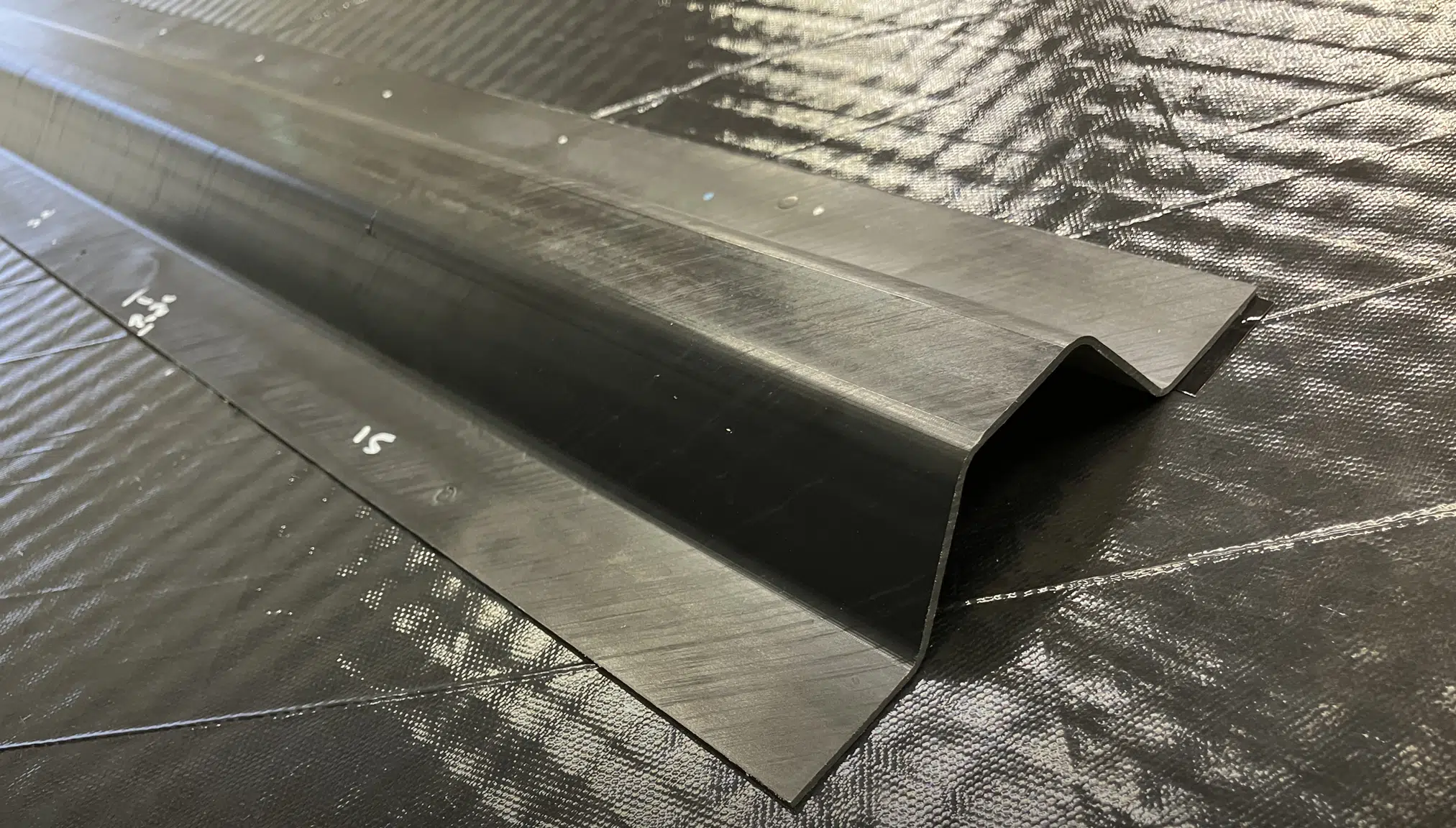
A key objective for more efficient and sustainable aircraft is to make lightweight, durable and affordable parts which are designed for ease of maintenance. To be allowed to use parts made of new materials like composite and metal additive printed components in an industry like aviation, all of the materials must be accompanied by the right certification. NLR takes care of the entire process, from calculation and design all the way through to manufacturing, repair and certification. NLR assesses material properties, develops structural concepts and manufacturing technologies, designs components and builds parts up to the level of full scale prototypes. Spanning the entire spectrum of product development is what makes NLR unique.
18 September 2026
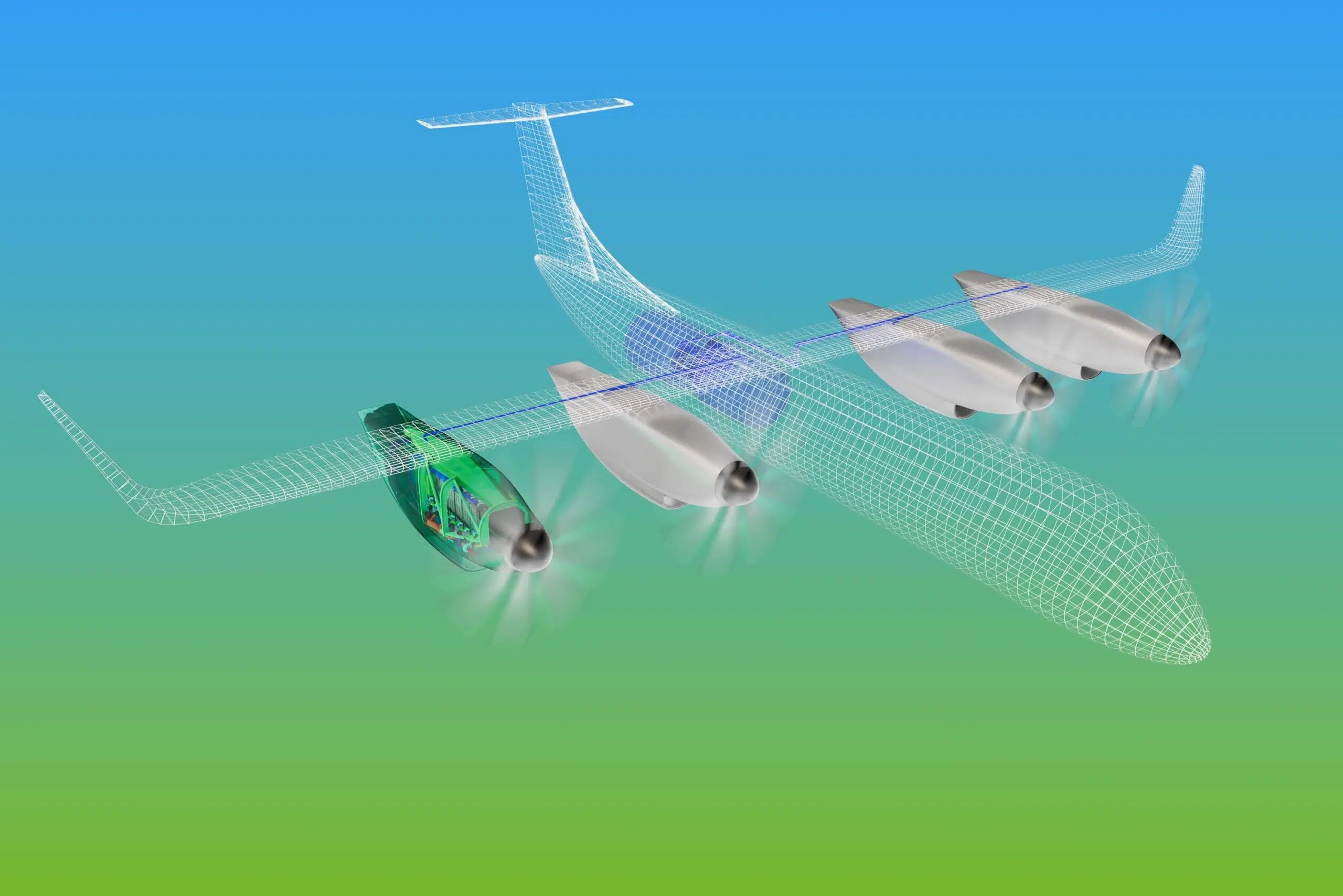
Booklet: R&D More electric and hydrogen-electric powered aerospace
Hydrogen as a fuel is considered to be an important route towards future sustainable aviation. For aviation
applications, hydrogen presents several key advantages: it allows for the elimination of carbon emissions in
flight and along the entire life cycle. Its usage in fuel cells allows eliminating NOx and particles. When burnt
in a turbine engine, very low particle emissions can be expected, as well as reduced NOx emissions, provided that the combustion system is optimised. However, water vapour emissions need to be carefully managed.