Air Traffic Management

Air Traffic Management

25 February 2025

Concepts for ATM systems

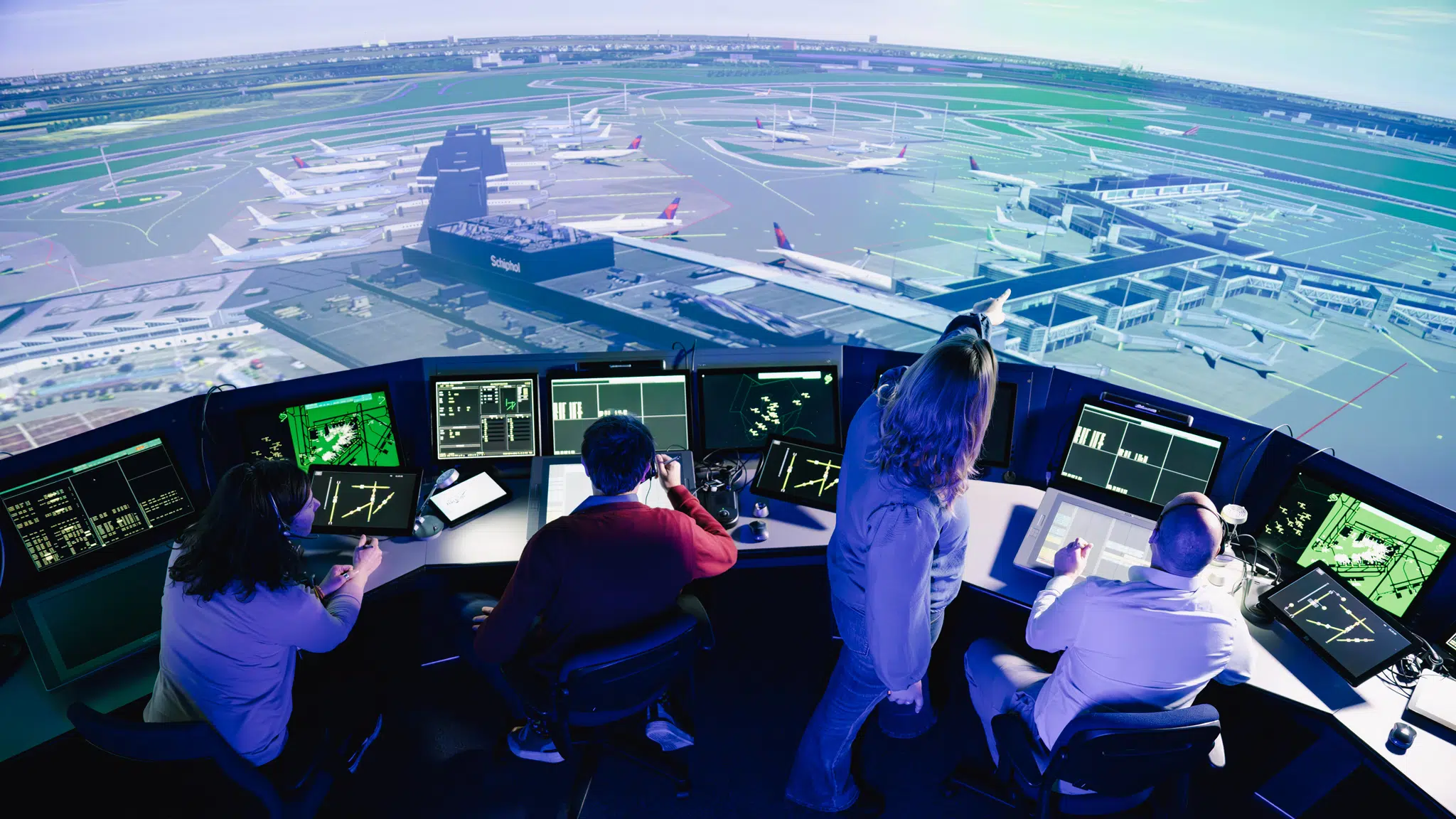
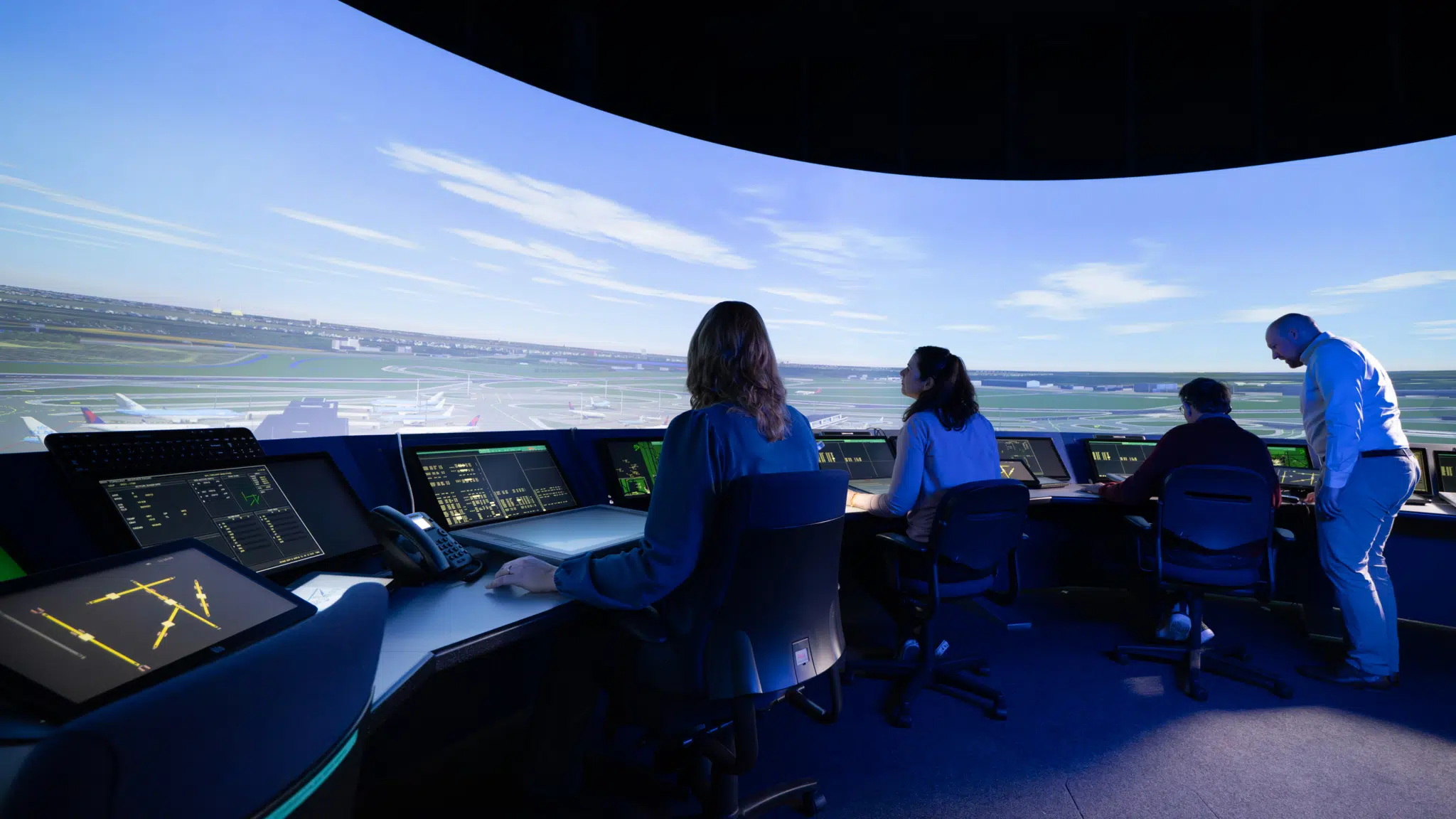
NLR has the knowledge, experience and simulation capabilities to develop and assess concepts for air traffic management (ATM) systems. Our expertise enables us to evaluate the feasibility of these concepts from multiple perspectives, including benefits, human performance, cost, safety, and regulatory compliance. Our experienced aviation researchers and engineers can advise and support you during the implementation of such concepts in your ATM system. Additionally, we have two research aircraft that can fly with all available types of aircraft equipment to test systems and procedures. Our knowledge about the performance and availability of current and expected future aircraft equipment of many airspace users can be translated into realistic and feasible requirements for ATC manufacturers. These requirements ensure seamless co-operation between ground and airborne equipment.

Air Traffic Management

25 February 2025

Concept of operations development

Royal NLR has extensive experience in operational concept development for all aspects of air traffic management (ATM), leveraging applied Research and Development to enhance ATM operations globally. With a proven track record in designing, developing, and validating new ATM concepts, procedures, and support tools, we utilise working methods based on proven international standards, such as E-OCVM and EUROCAE. Our team provides expert ATM operational knowledge, allowing us to speak your language and converse on equal terms. We maintain a clear view on your aims and focus on achievable results, with skilled experts who are able to translate desired goals into concrete solutions.

Air Traffic Management

24 February 2025

Manning requirements ATC

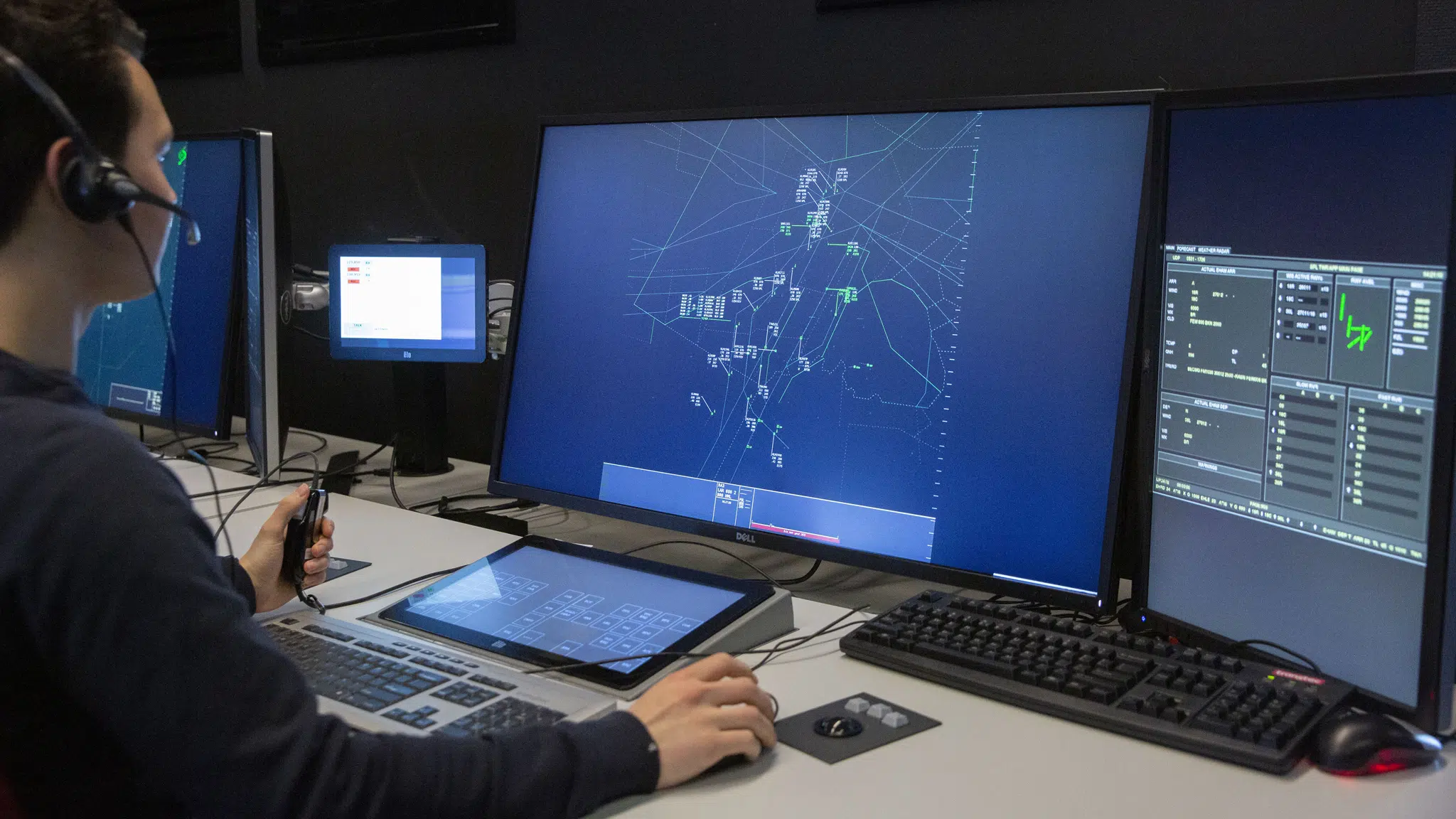
The growth of traffic (or any change in your operation) could raise the question whether the manning concept is future-proof. The number of ATCos and the division of roles between ATCos and between ATCos and automation should be safe, efficient, and satisfying. For example, the workload for the ATCo should not be too high or too low.The question is: is your staffing concept sustainable?

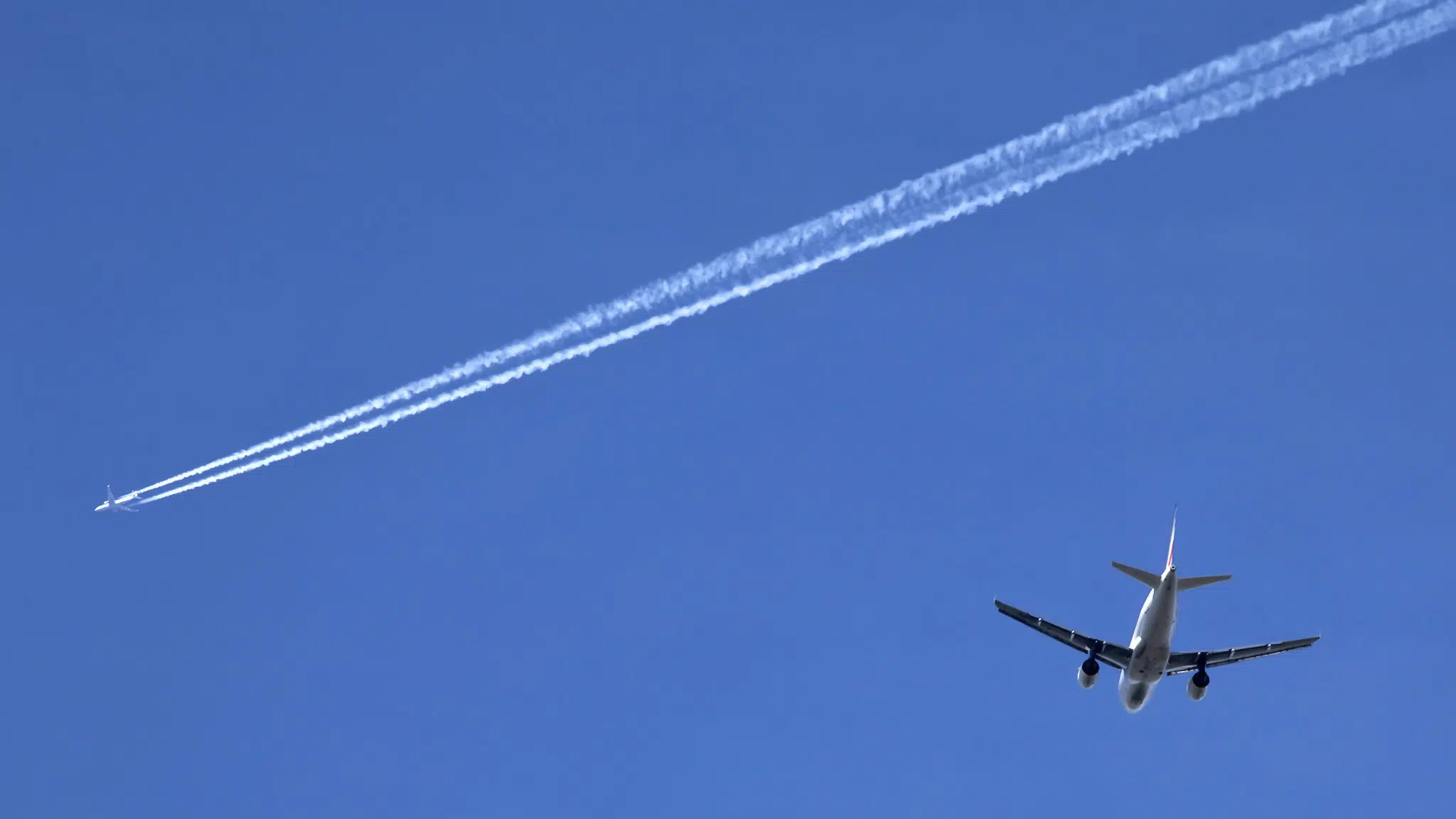
Two airplanes against clear blue sky with contrails
Air Traffic Management

29 November 2024

Cooperation in the air

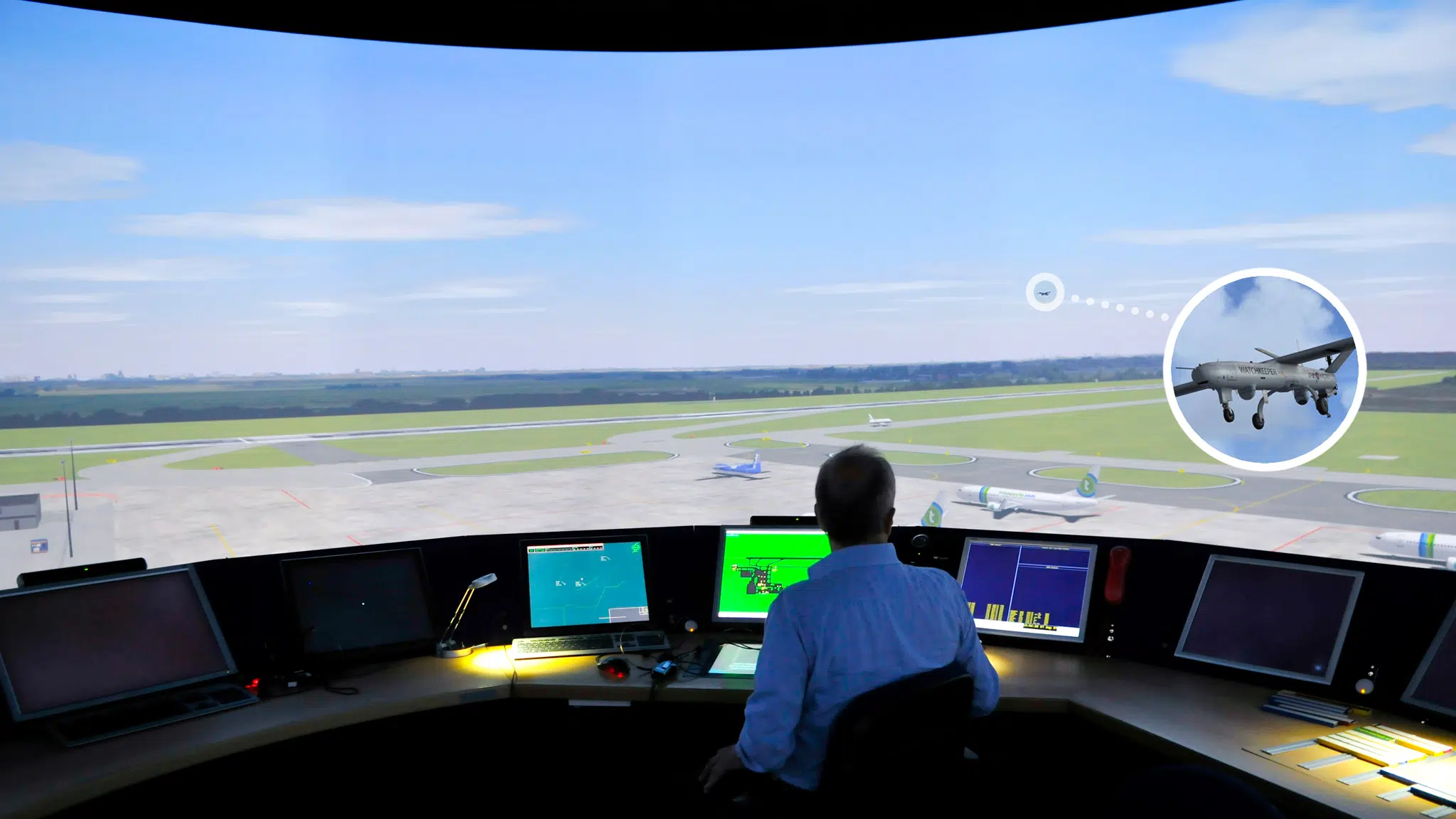
The arrival of new aircraft, from drones to the F-35 fighter jet, is increasing pressure on our scarce airspace. How can these ‘newcomers’ be incorporated and co-exist with current airspace users? The Programme Safe and Competitive Operations of NLR is looking for solutions.

Training and Simulation

16 July 2024

Training through the eyes of an air traffic controller

Performance based training is a holistic approach that optimises proficiencies in a personalised way. The recently finished project INSPECT combines several kinds of measurements to get an accurate picture of the performance of military air traffic controllers. The physiological data allows air traffic control instructors to give feedback instantaneously which makes it a very efficient and effective learner centred approach.

Sustainability and Environment

11 July 2023

Fewer delays and less noise nuisance at and near airports

It’s far from unknown for peak crowding at airports to hit the headlines. And it’s not only the passengers who are stuck in queues: it’s busy in the air too. That’s why the ITARO project has bundled various solutions together to reduce the delays for flights, including gains that can be made in terms of noise nuisance and emissions.

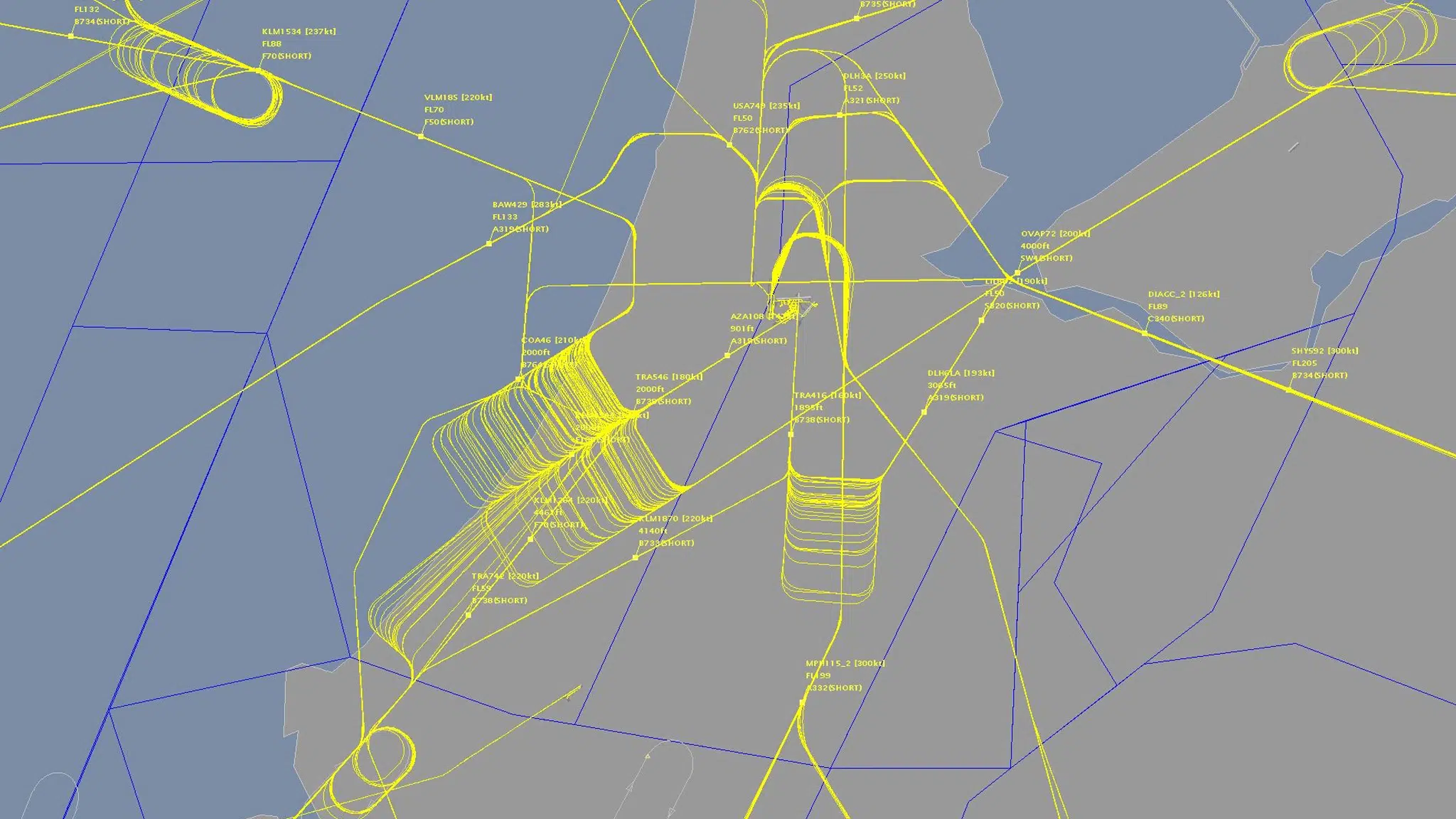
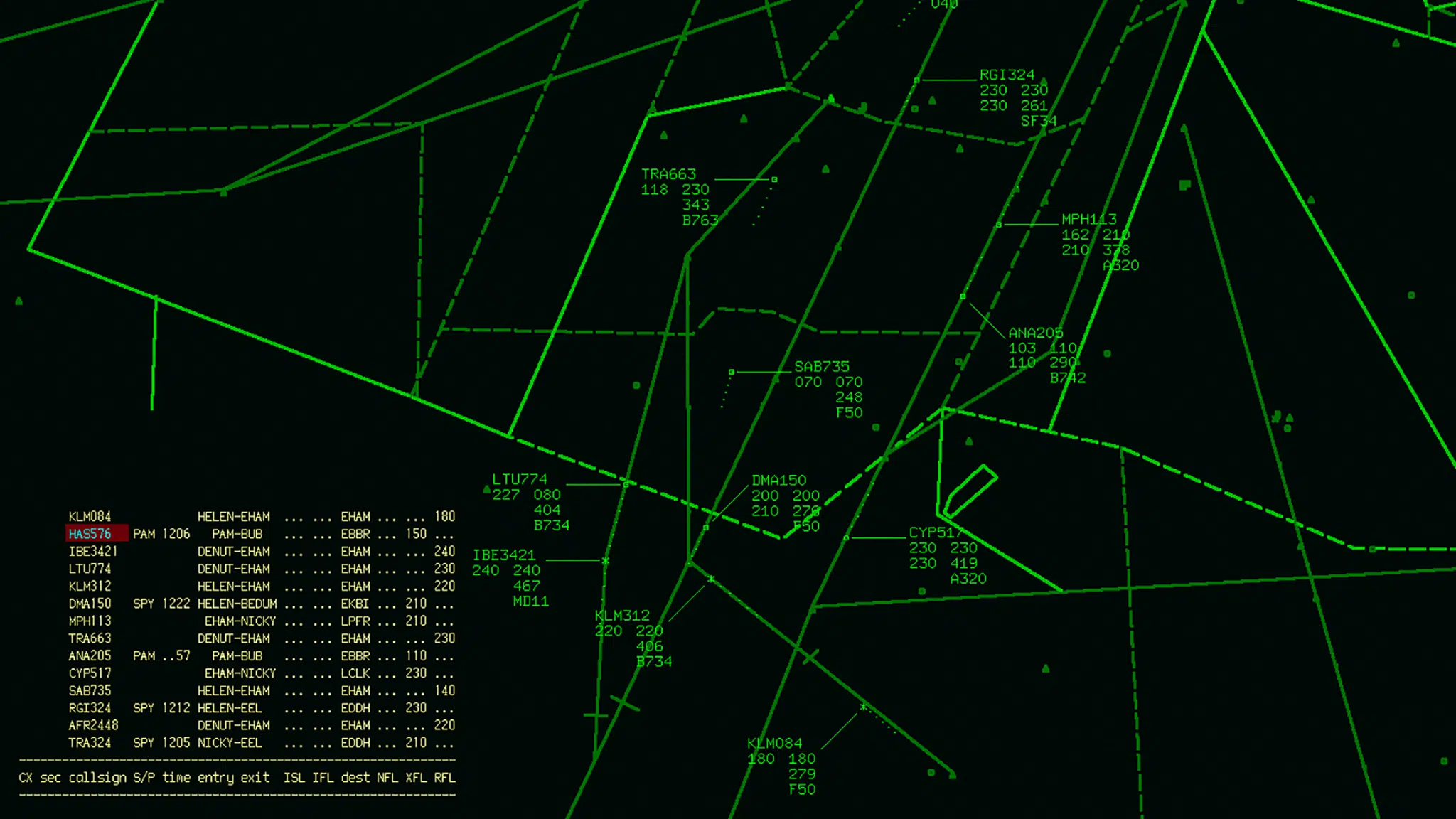
Screenshot AURA (ATM U-space InteRfAce)
Air Traffic Management

05 June 2023

R&D case: ATM U-space interface (AURA)

The AURA (ATM U-space InteRfAce) project (SESAR 2020 project PJ34 ) investigated the development of concepts and technologies that are necessary to allow existing ATM systems and future U-space operations to interact in a safe, predictable and seamless way. One of the basic assumptions of the project is that manned and unmanned movements take place in ATM U-space Shared Airspace (AUSA). AUSA can be delegated to be either ATM or U-space controlled. U-space traffic is then segregated by geo-cages around the U-space delegated part of AUSA. Contingencies and emergencies needed to be mitigated by delegating additional AUSA volumes to U-space.