
Construction and Manufacturing
23 September 2024
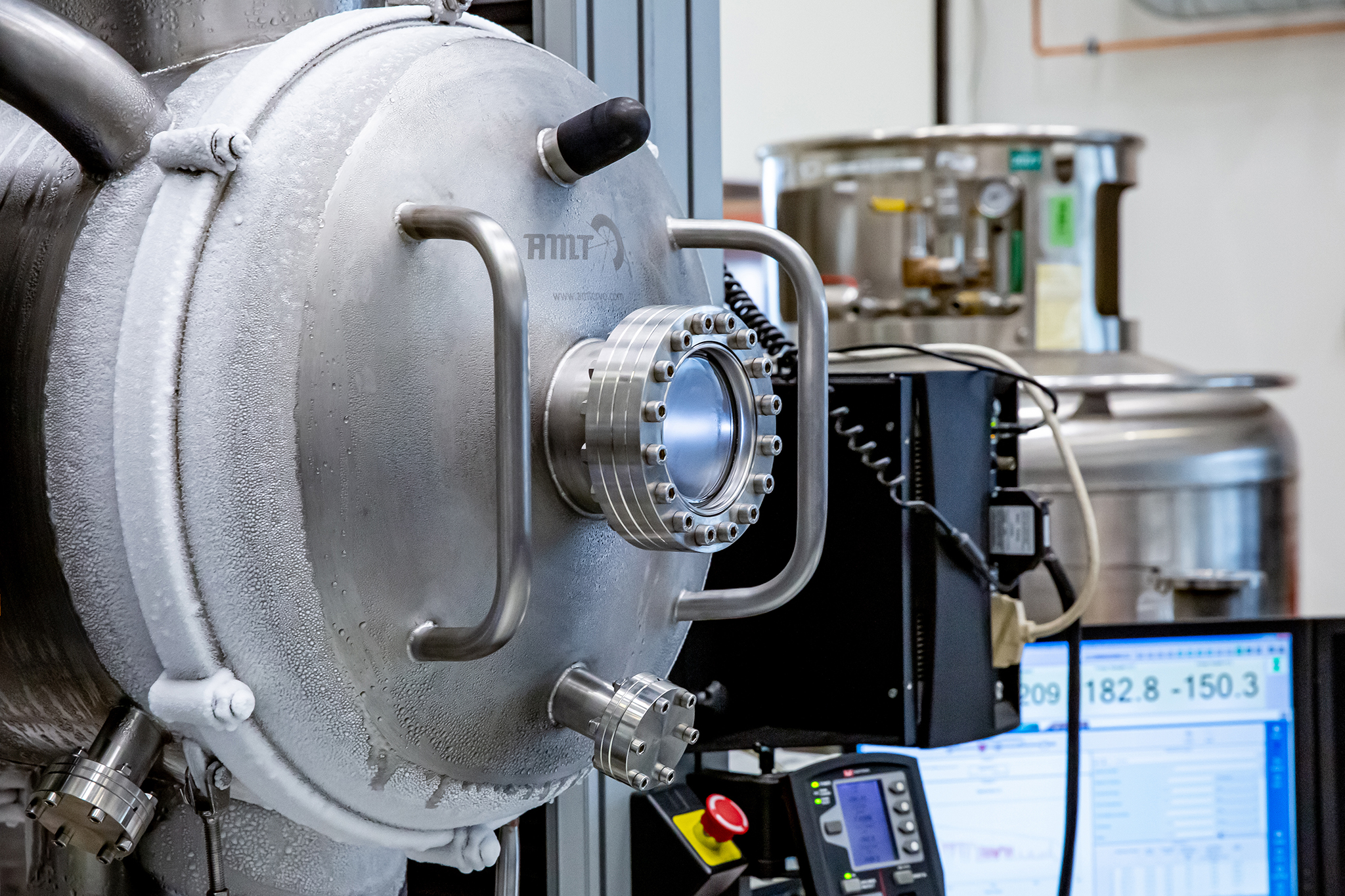
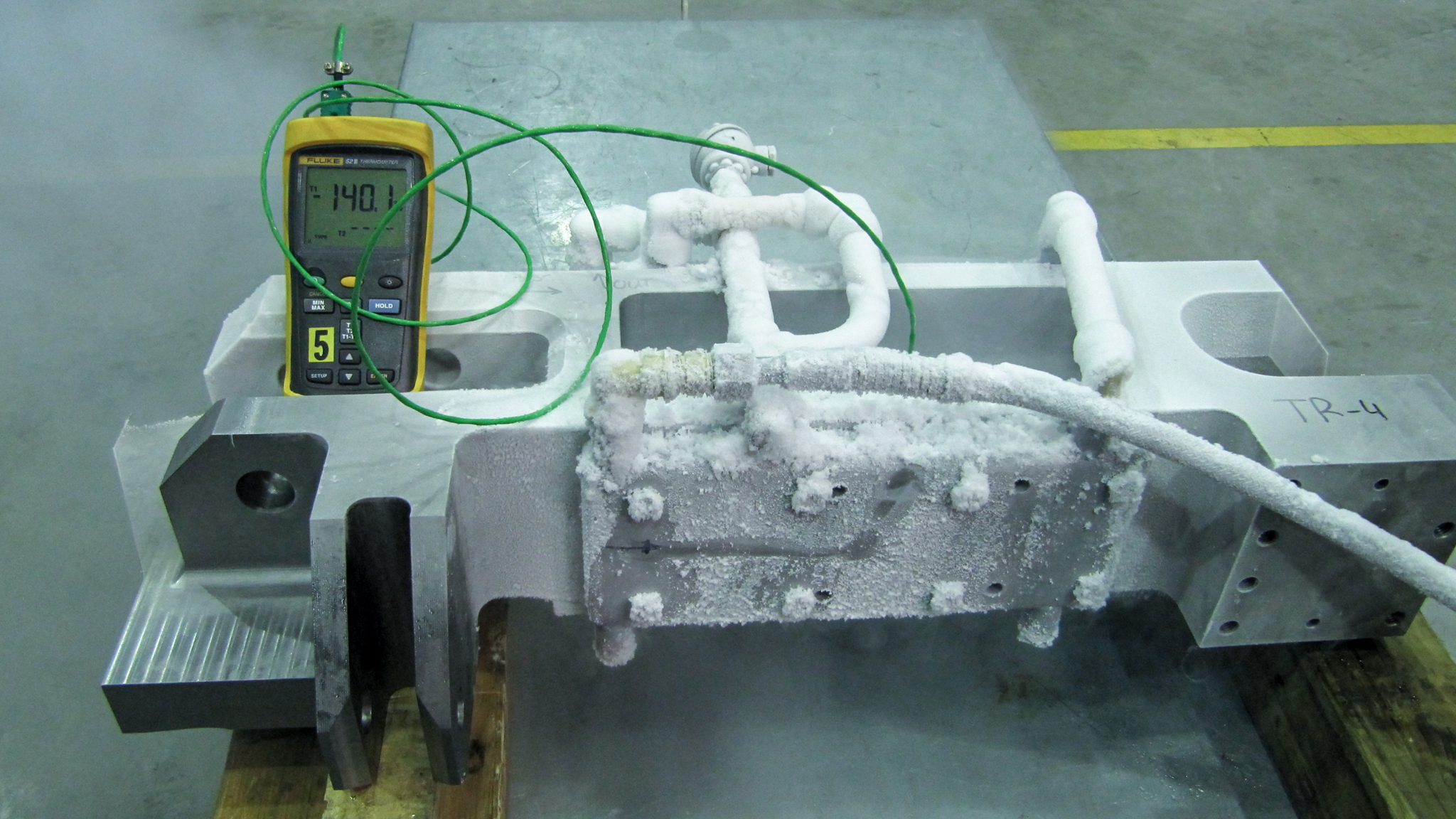
Pursuing the goals for achieving net-zero emissions by 2050, liquid hydrogen as an energy source is a promising solution. One of the big challenges is the extremely low temperature, close to absolute zero, needed to cool the hydrogen. NLR has pioneered advanced cooling systems for material and structural testing, and elaborates in a white paper on its journey, eventually reaching temperatures of -253°C.
11 March 2024
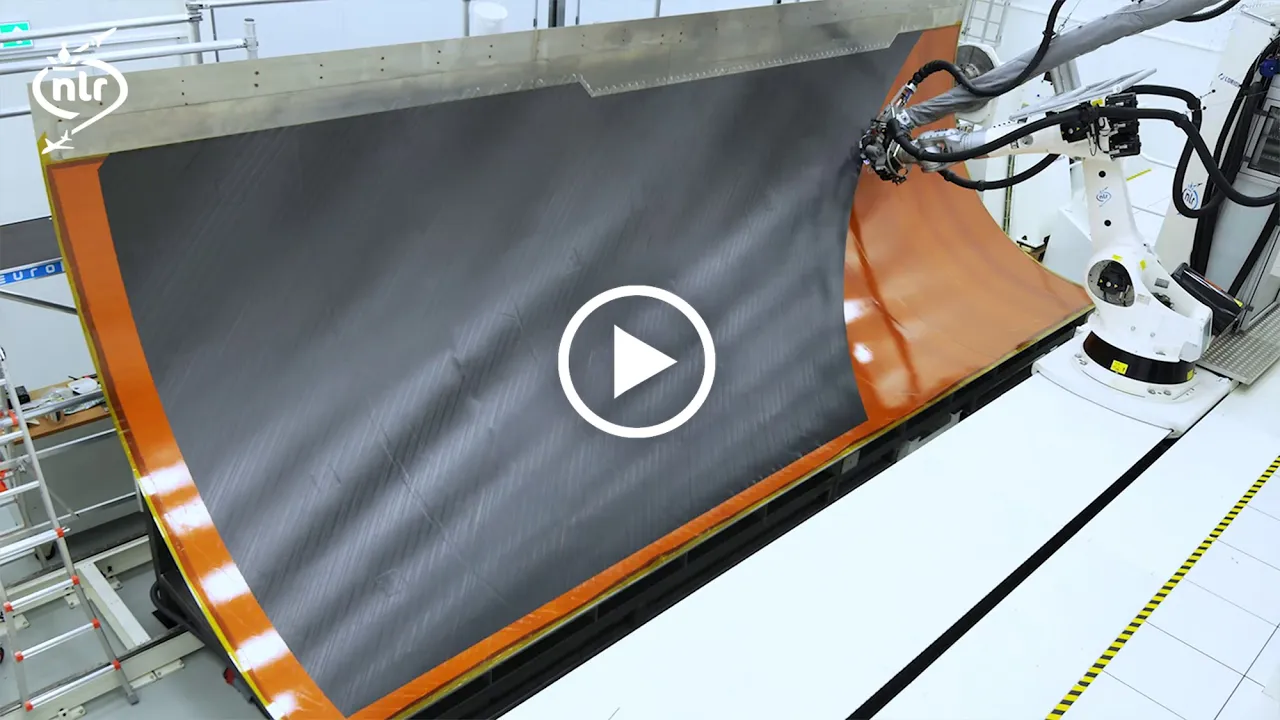
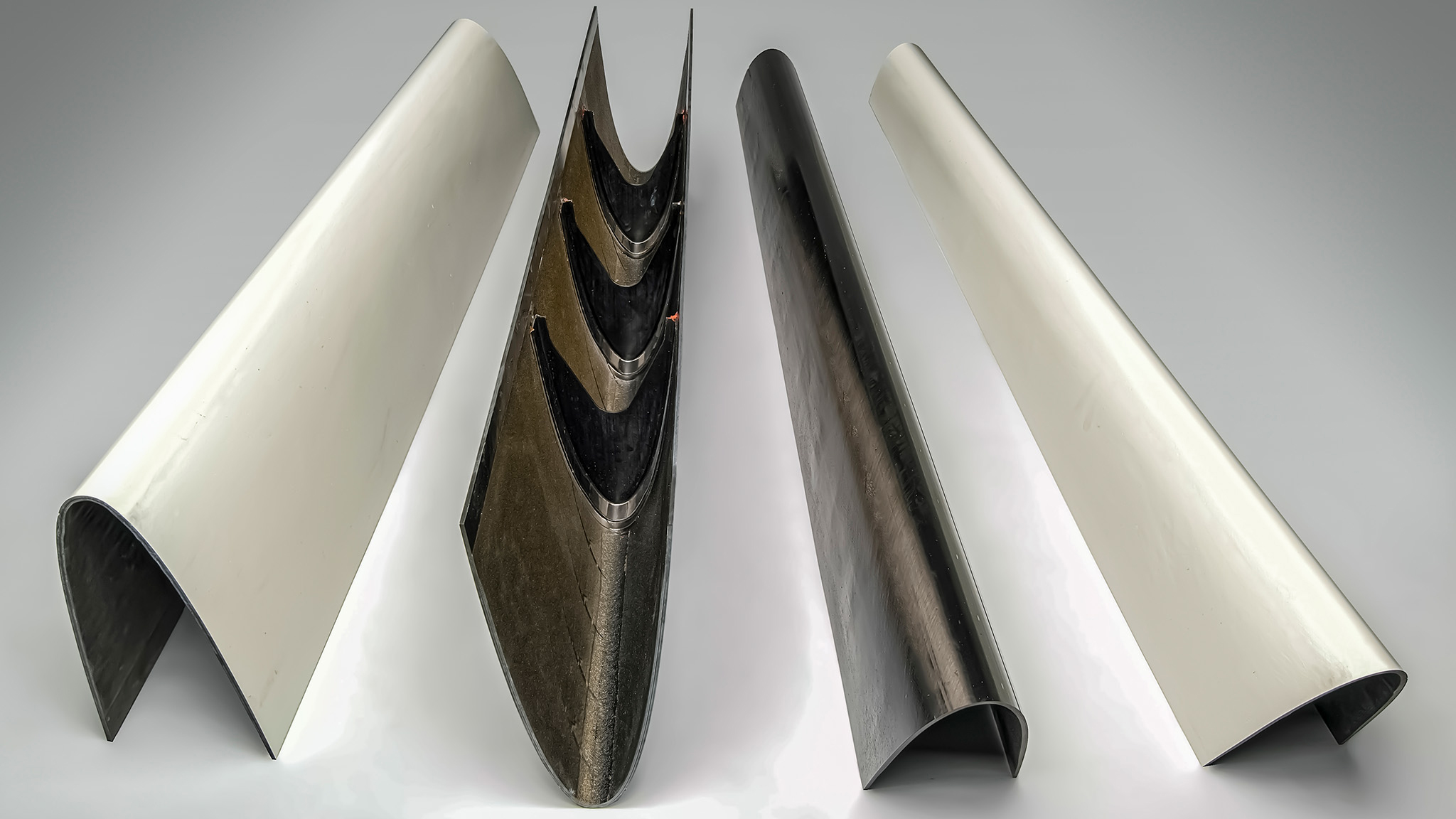
Leading edge manufacturing by fibre placement with dry fibres and with prepregs
04 March 2024
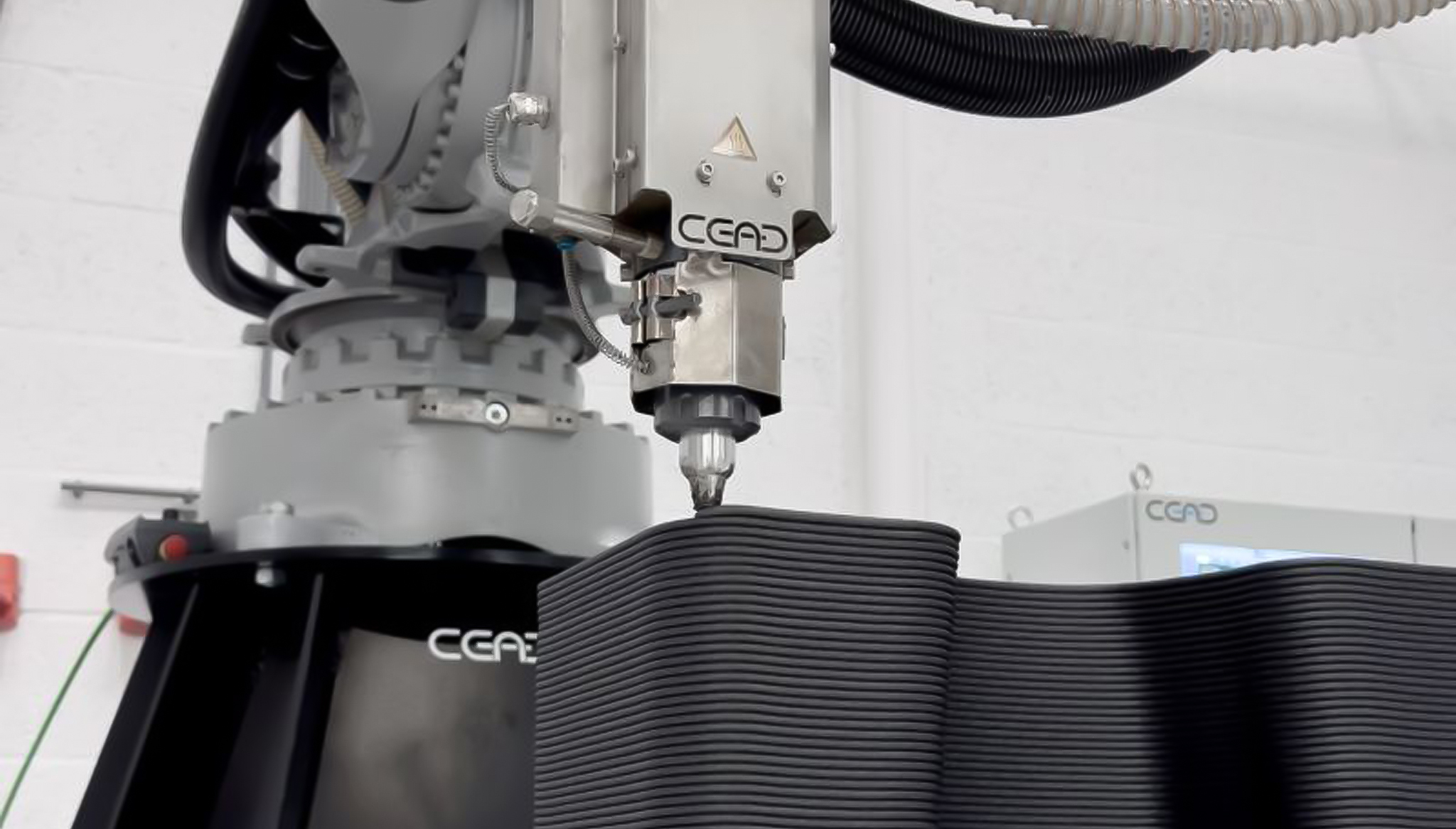
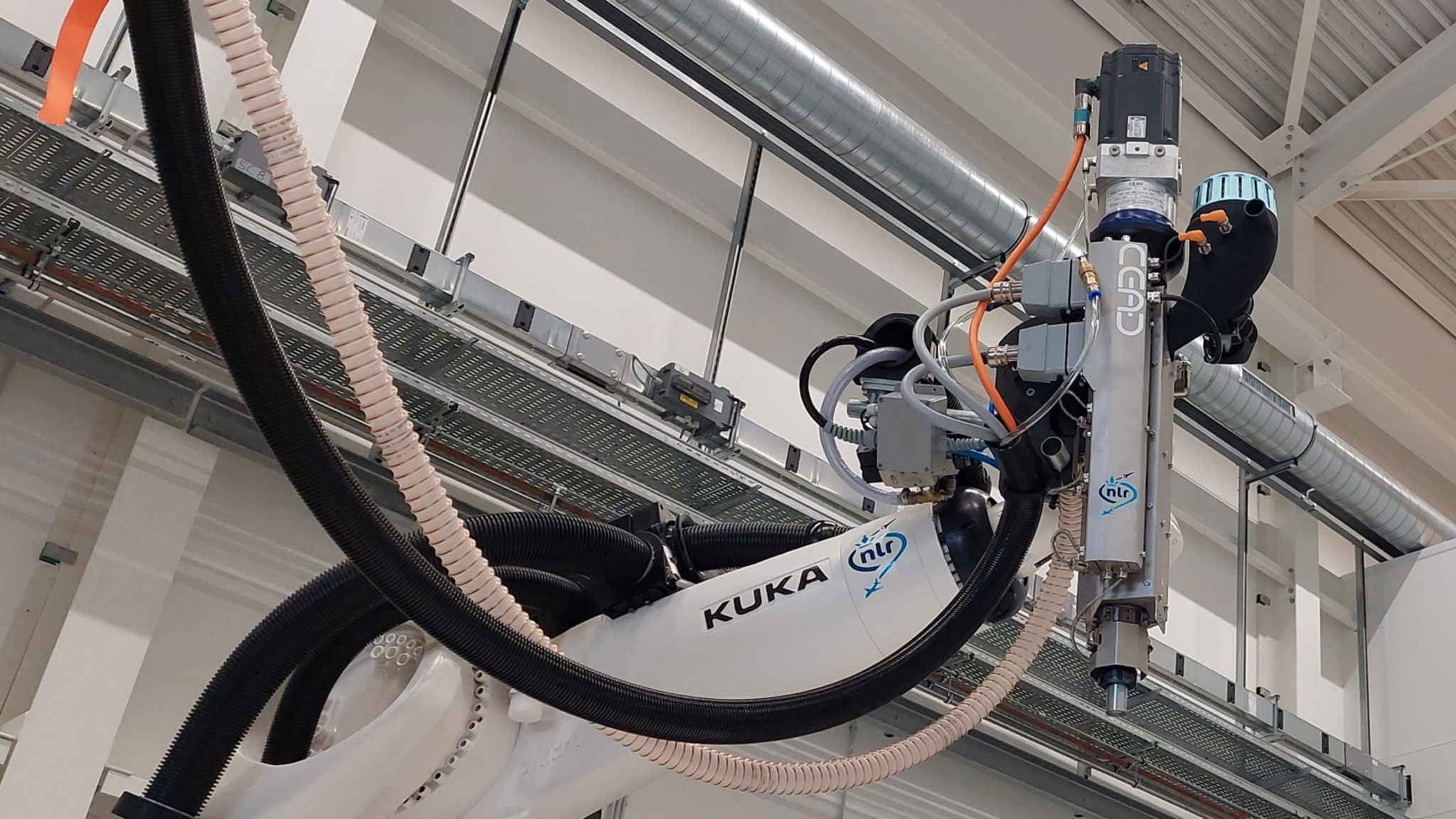
Large-Scale Additive Manufacturing (LSAM) can deliver enhanced efficiency, cost-effectiveness and design flexibility for composites cure tooling for Aerospace applications. For a while now NLR operates its own LSAM setup with success and actively participates in various projects dedicated to exploring this process. In a whitepaper NLR addresses the complexities and challenges but it also elaborates on how to make use of the full potential of the LSAM technology.

28 February 2024
Co-funded by the European Commission the COMPASS project aims to revolutionise the remanufacturing of end-of-life parts into high quality components. This will lead to significant resource savings and promote a circular economy approach in the aerospace and automotive industries.

26 June 2023
During the Paris Air Show, the German ECOMAT and Royal Netherlands Aerospace Centre signed a Memorandum of Understanding. With this, the two parties want to combine their scientific and business expertise with regard to lightweight constructions, hydrogen developments, materials research and virtual product development in the aircraft manufacturing industry.
11 April 2023
Royal NLR is aiming to improve two things at the same time: saving weight for aviation structures and speeding up their production processes. NLR is therefore exploring a relatively new technology called large-scale additive manufacturing of fibre-reinforced thermoplastic materials.