
Training and Simulation
01 December 2025
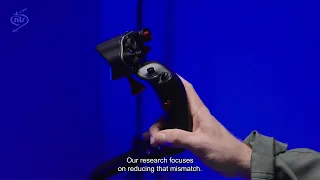
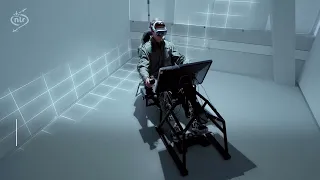
At NLR, we explore how virtual and mixed reality can transform flight simulation and the human factors involved. Simulators can be hindered by cyber sickness, a form of motion sickness that can occur when there is a mismatch between the motion you see in the virtual world and the motion you feelin the real world. Our research focuses on reducing that mismatch, so pilots can train longer, more effectively, and more comfortably. NLR tested three visual conditions: regular VR, VR-grid and Mixed reality.
01 December 2025
Read more about it on our Training and simulation-page.
21 November 2025
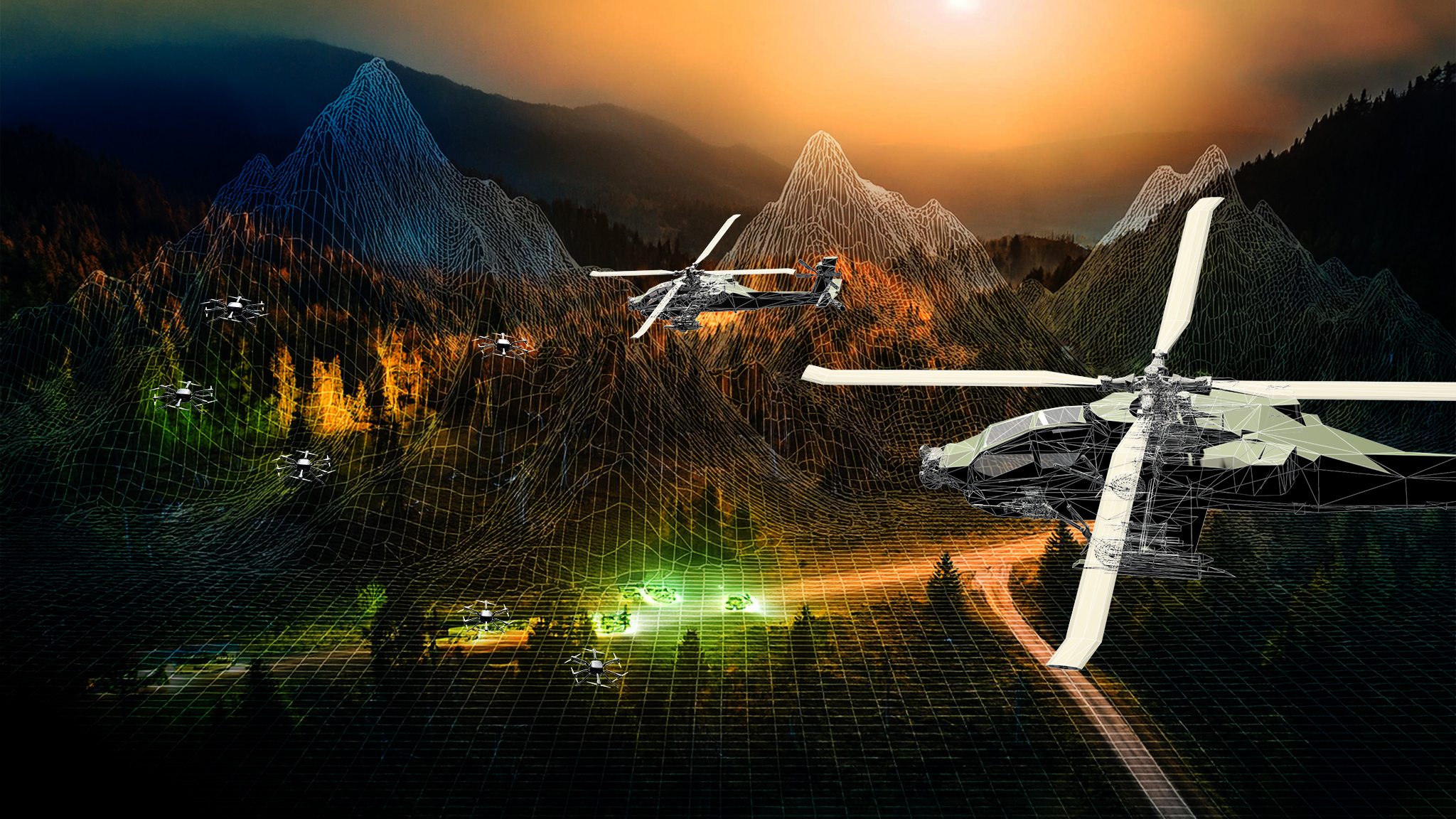
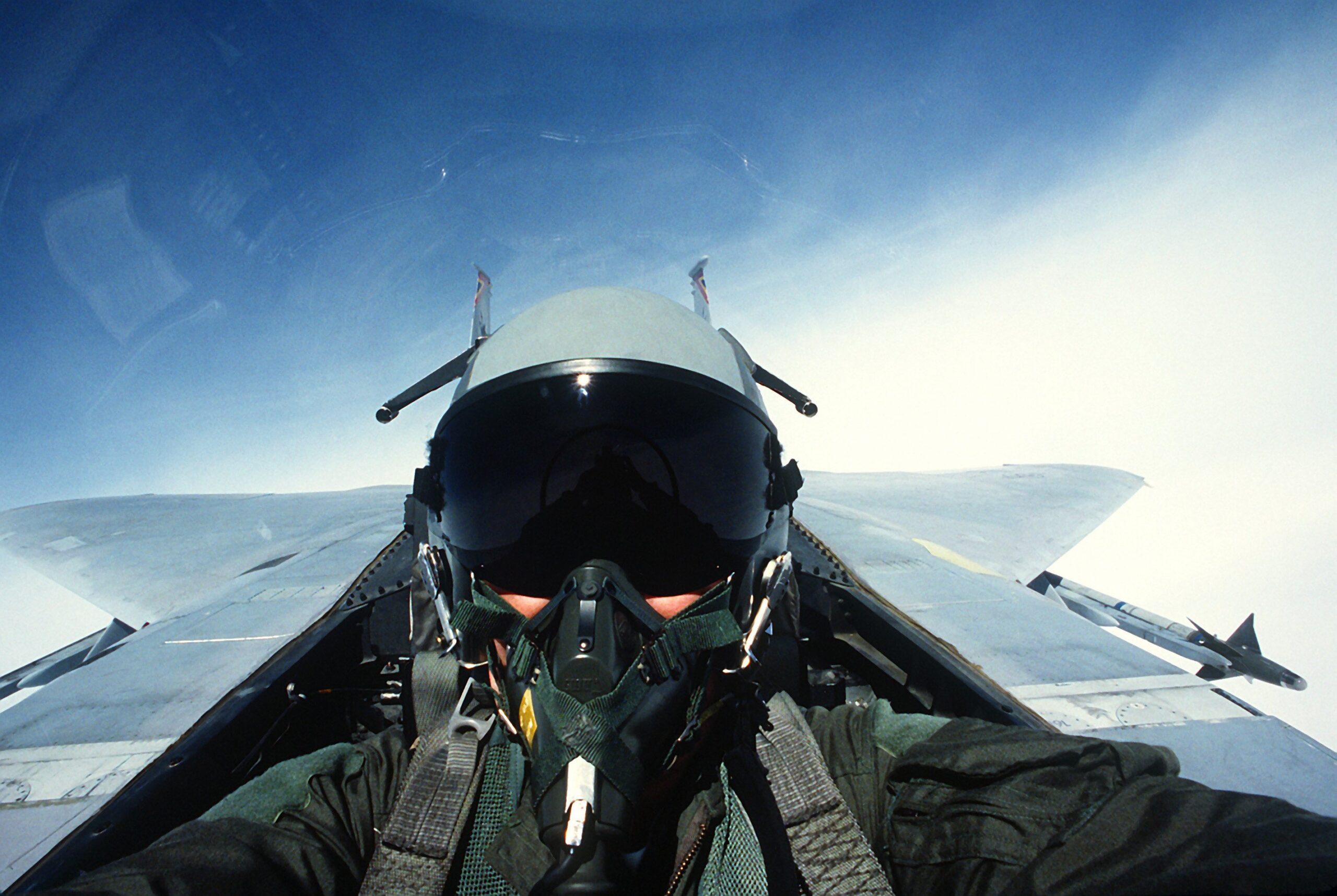
Together with its partners, Royal Netherlands Aerospace Centre (NLR) will work closely with Lockheed Martin to advance the development of an e-Pilot capability that enhances human-machine teaming in military aviation over the next six years. Lockheed Martin will share technical knowledge and experiences on e-Pilot technology to assist NLR and its partners in developing their own intellectual property within the sense, assess and augment architecture.
28 March 2025
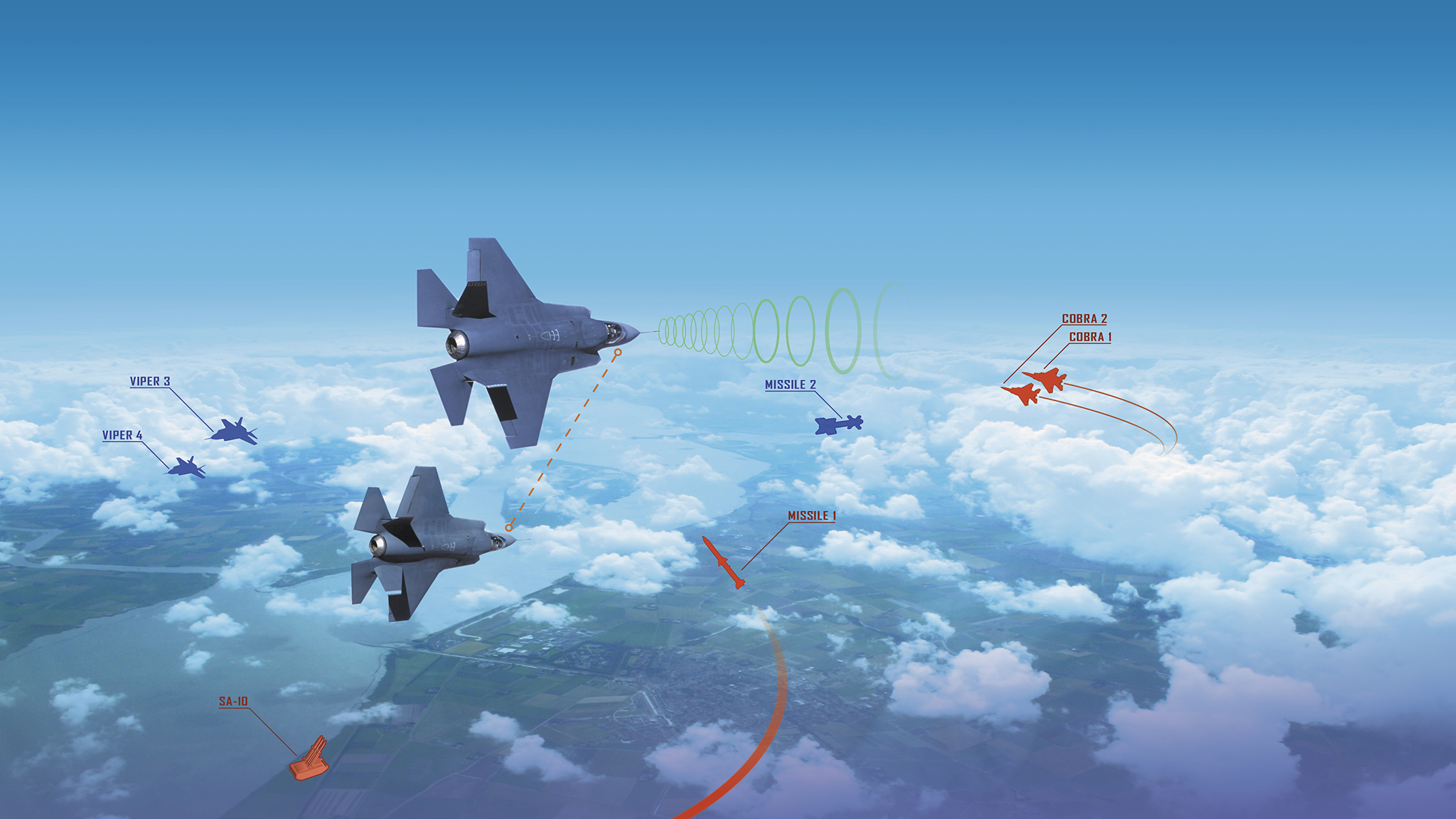
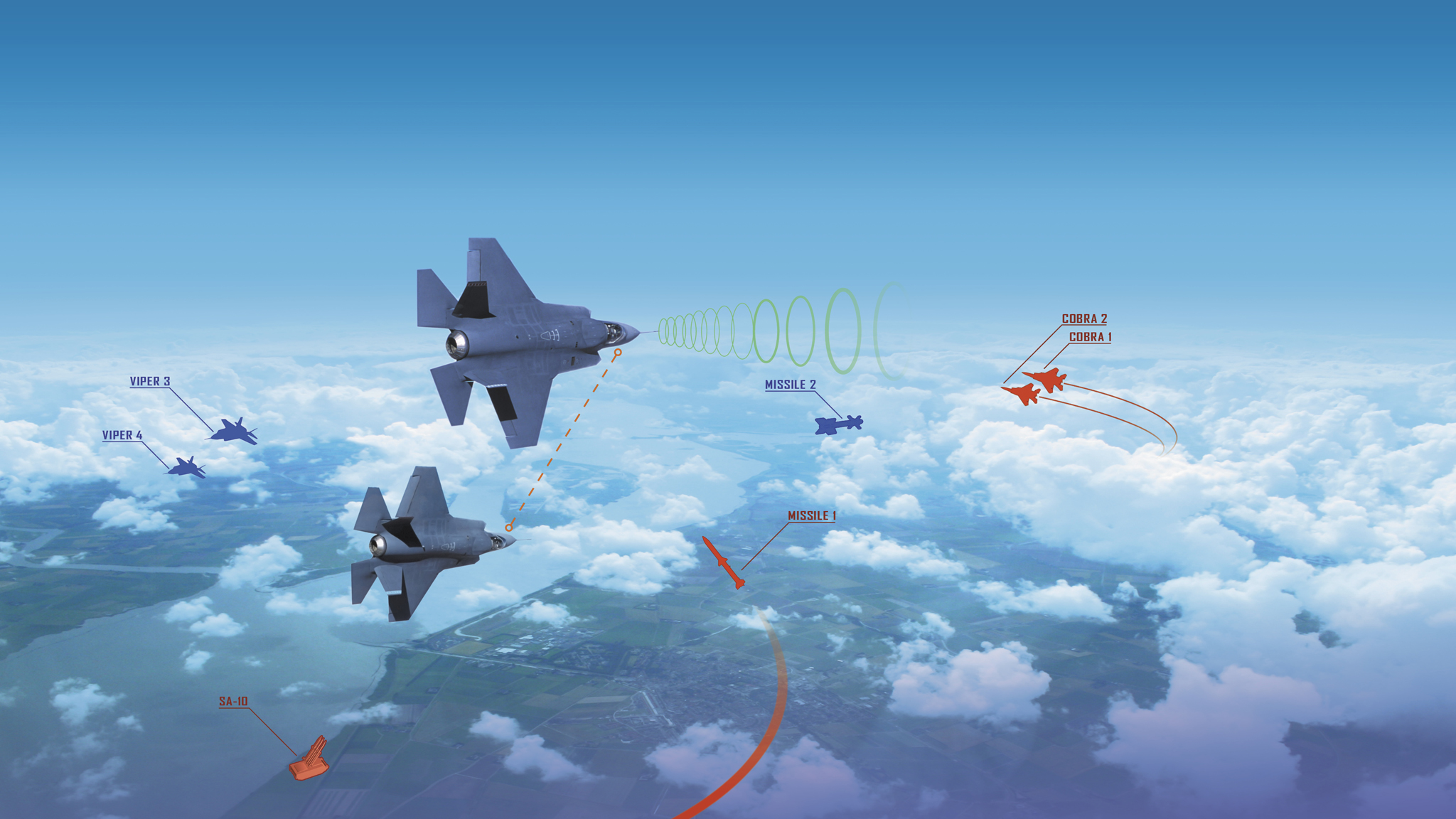
Conducting seamless LVC exercises remains one of the most challenging issues for modern Air Forces. There is a lack of interoperability, limited reuse and loose integration between live, virtual and constructive assets. Our team offers a comprehensive range of user-oriented training concepts and solutions regarding LVC training development, integrated service-oriented architectures, and data exchange technologies. With a focus on downsizing where possible and delivering fit-for-purpose training solutions, we leverage our expertise in education and training, combined with cutting-edge technological knowledge, to provide expert advice on the optimal employment of Live Virtual Constructive (LVC) training solutions.
28 March 2025
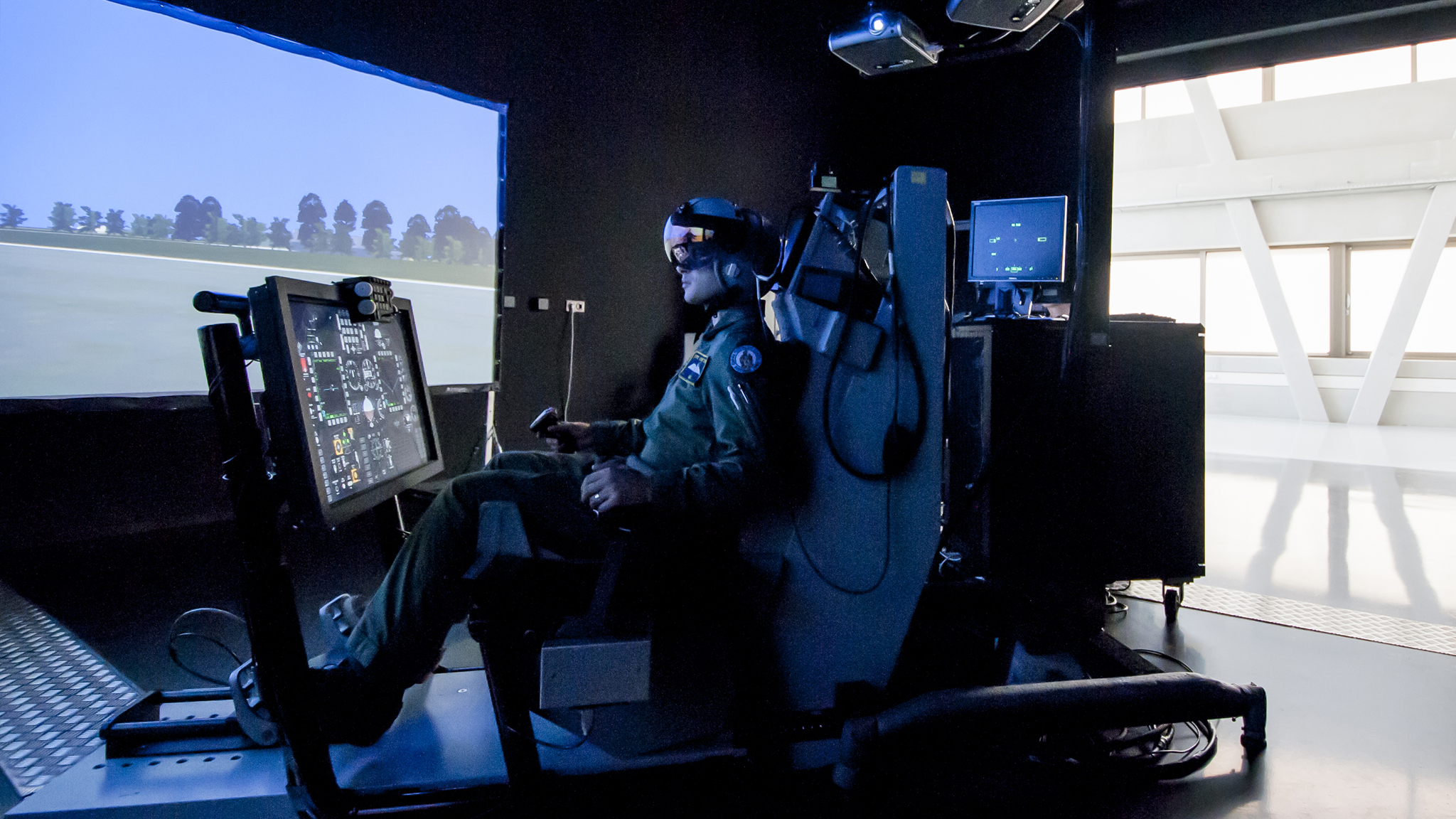
With over two decades of experience in addressing educational and training challenges, our team has developed a unique approach that combines systematic analysis with practical expertise. We can help you bridge the gap between job requirements and effective training programmes, enabling you to develop targeted solutions that meet the needs of all team members. By leveraging our expertise in training concept development and evaluation, as well as our state-of-the-art facilities, we can support you in selecting the most effective training approach for your organisation. Our deep understanding of operational realities allows us to provide actionable advice that is tailored to your specific context and goals.
28 March 2025
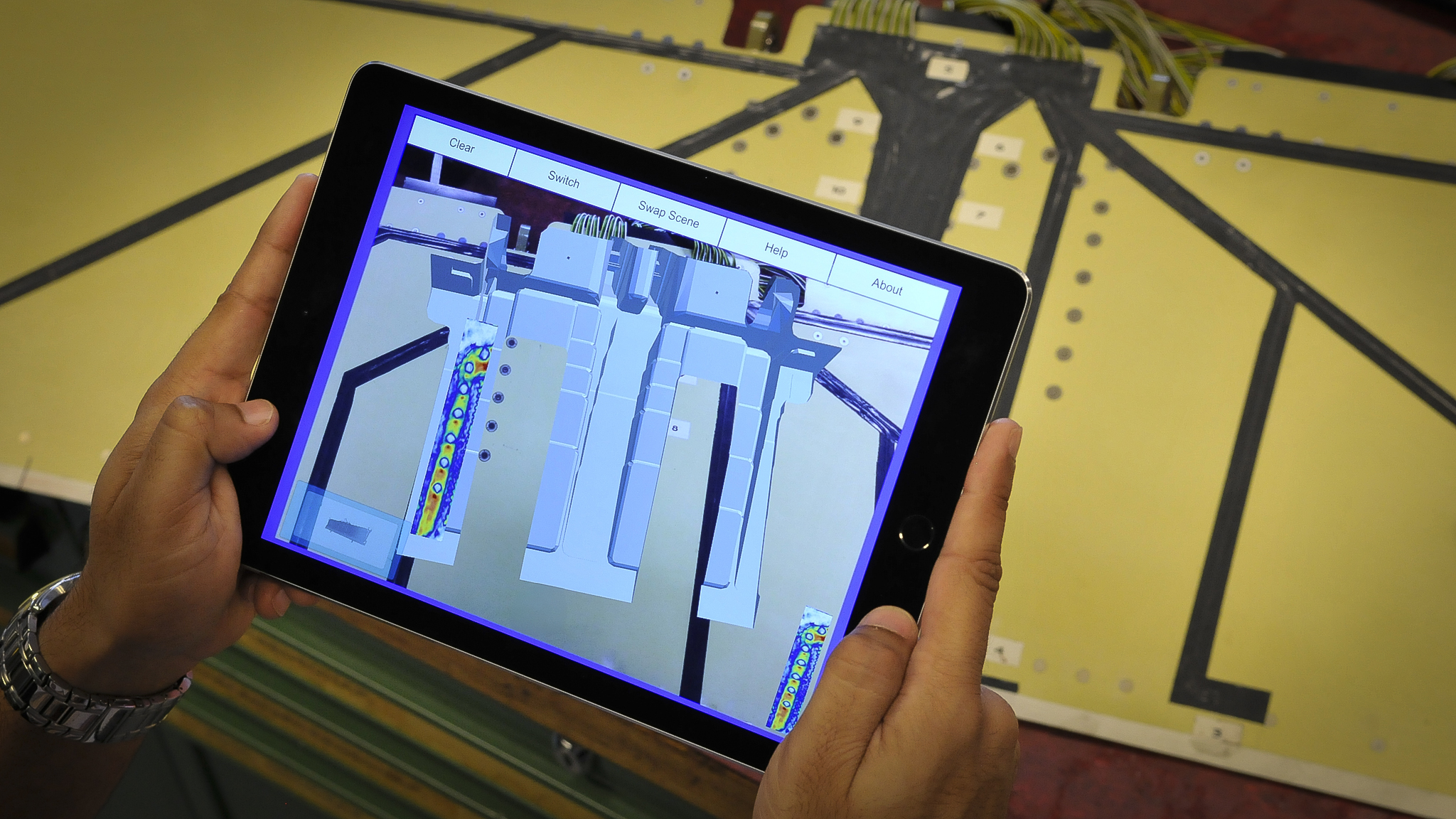
With a legacy of expertise spanning decades in the realm of augmented reality (AR) and virtual reality (VR) technology, particularly within the aerospace domain, our team is poised to revolutionise the way organisations approach training, simulation, and operation. By leveraging the latest methodologies and technological advancements, we empower experts to enhance their existing programmes or devise novel ones, ultimately optimising their workflow. Our extensive knowledge of the aerospace sector enables us to craft bespoke AR and VR applications that cater to the unique needs of our clients. Moreover, our innovative team is dedicated to collaborating with organisations across all domains to integrate cutting-edge AR and VR solutions that drive meaningful value and growth.
27 February 2025
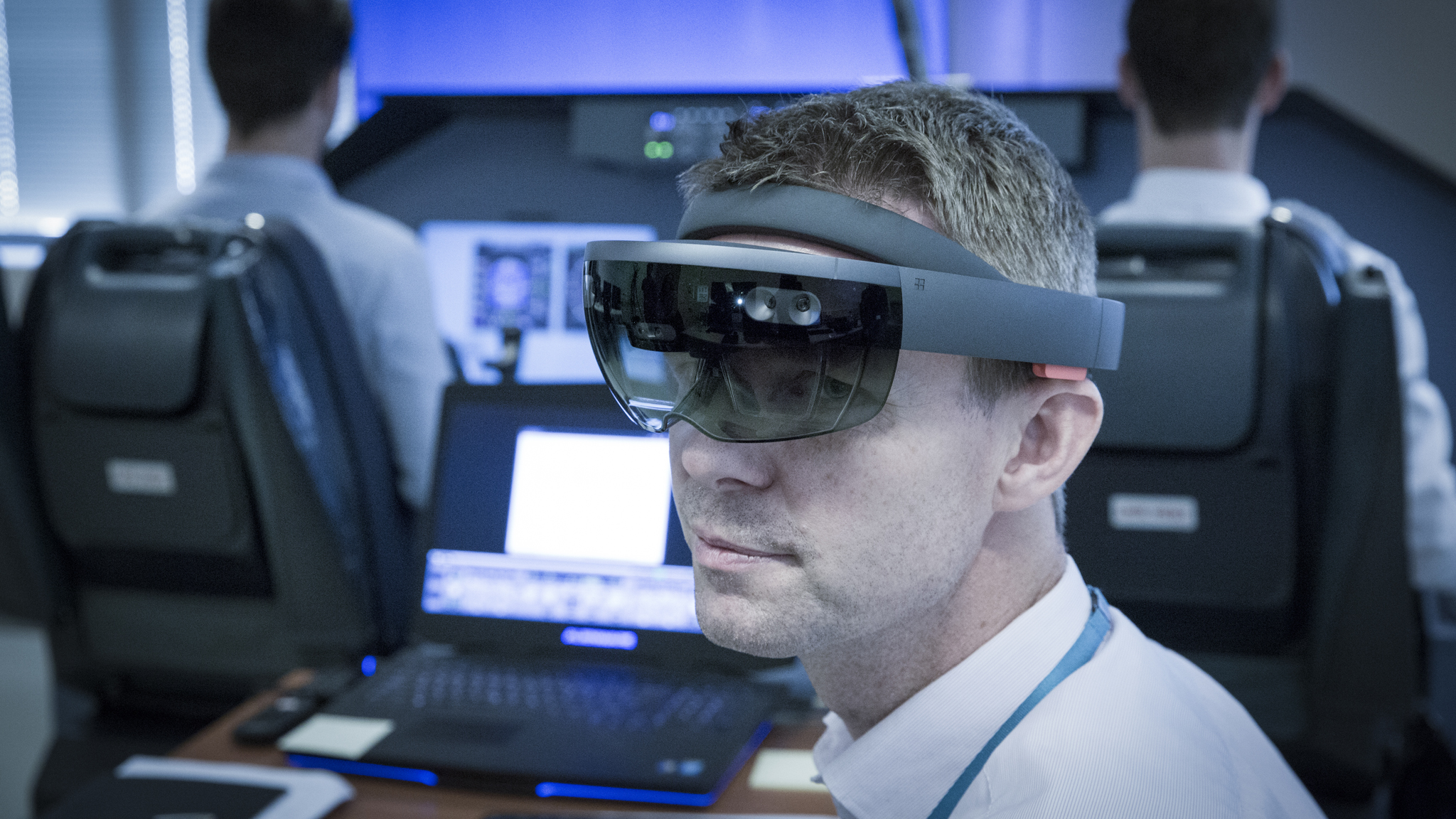
NLR has developed Augmented Eye, an innovative application that presents a pilot's visual scan behaviour to the instructor in real-time. This information is displayed either as an overlay on the physical world through Augmented Reality technology or on a tablet, allowing the instructor to see what the student is looking at without distracting the pilot. By using Augmented Eye in training, students can learn faster and develop improved scan patterns, resulting in more efficient and effective training.