During maintenance work on the Zwanenburg runway, Air Traffic Control Netherlands (LVNL) revised the navigation system for letting aircraft land safely on that runway. More specifically, the Instrument Landing System (ILS) on the northern side of the runway (36C). This system provides assistance for aircraft so that they can descend to approach the runway on the optimum course and at a steady angle of descent, even in poor visibility conditions.
To check that the new ILS works correctly and accurately, measurement flights will be carried out after the maintenance work. These flights are needed so that the new ILS for the Zwanenburg runway can be brought into use safely.
Measurement flights
During the measurements, which will be made both on the runway and in the air, the runway will be unavailable for flight traffic. The measurement flights for the new ILS 36C are planned on Saturday 13 May from 22:00 to 02:30, Monday 15 May from 22:00 to 22:15 and Saturday 20 May from 22:00 to 01:40. The flights will be taking place at moments when the level of traffic is low so that the most preferable landing and take-off runways (in terms of noise nuisance) will still be used as much as possible during the measurement flights. This will minimise the potential nuisance to local residents.
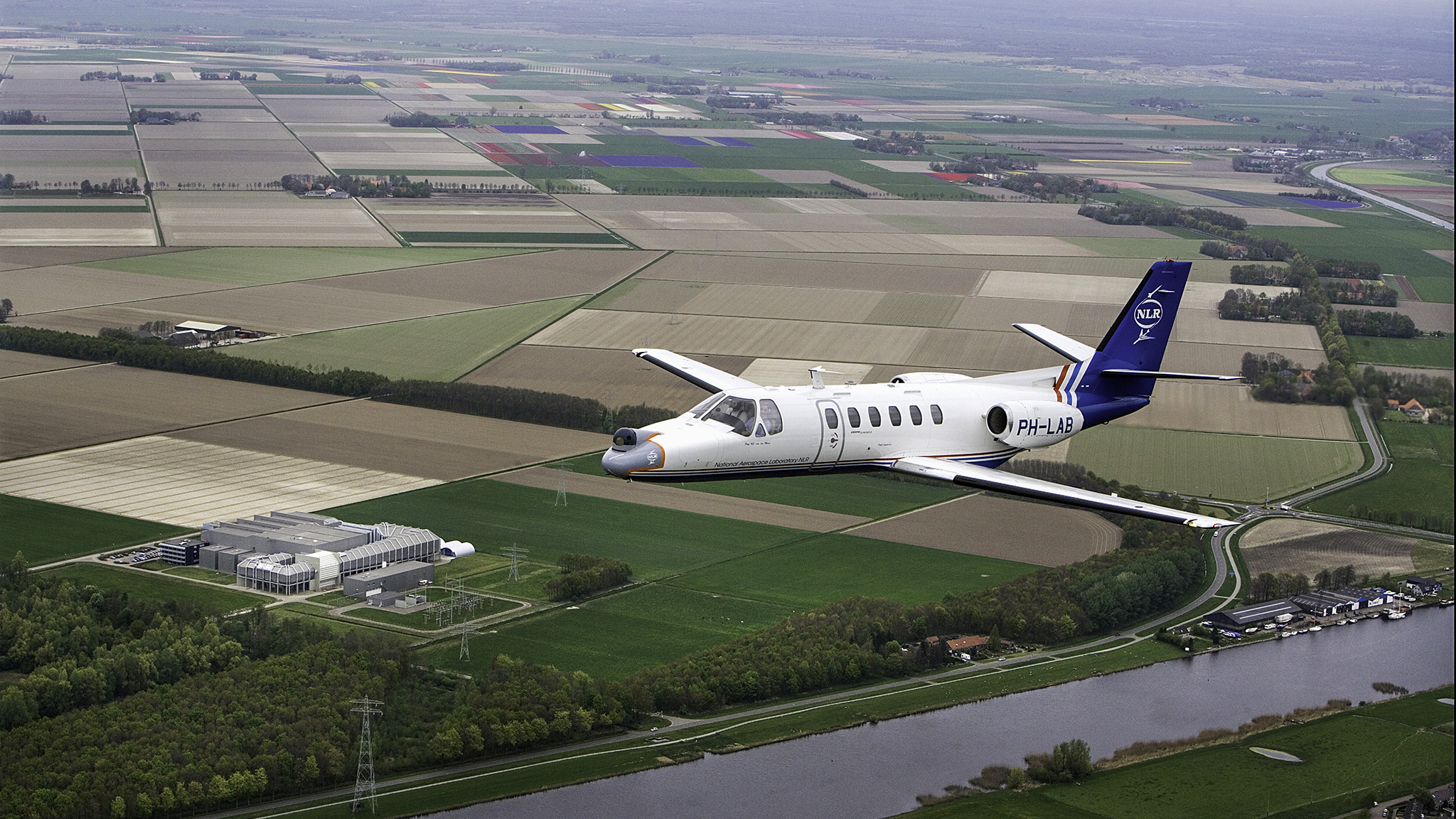
If circumstances such as bad weather mean that the measurement flights cannot be made as planned, the reserve dates are 14, 16 and 21 May. The measurement flights will be carried out using a special measurement plane, PH-LAB, that will approach the Zwanenburg runway several times from various heights, distances and directions.
The full announcement of the measurement flights can be found here on the LVNL website. The same page also contains additional information and you can watch a video that gives a more detailed explanation of the revision of the ILS landing system for pilots in poor visibility.
Under the ‘contact’ tab on the LVNL website, there is also a reference to ‘BAS – Bewoners Aanspreekpunt Schiphol’, the information point for the surrounding area and the notification point for noise nuisance reporting about air traffic around Schiphol.