Project: PANTHER (Painted Metallic Aircraft Scrap: Neutralizing Toxic Hazards and Exposure Risk)
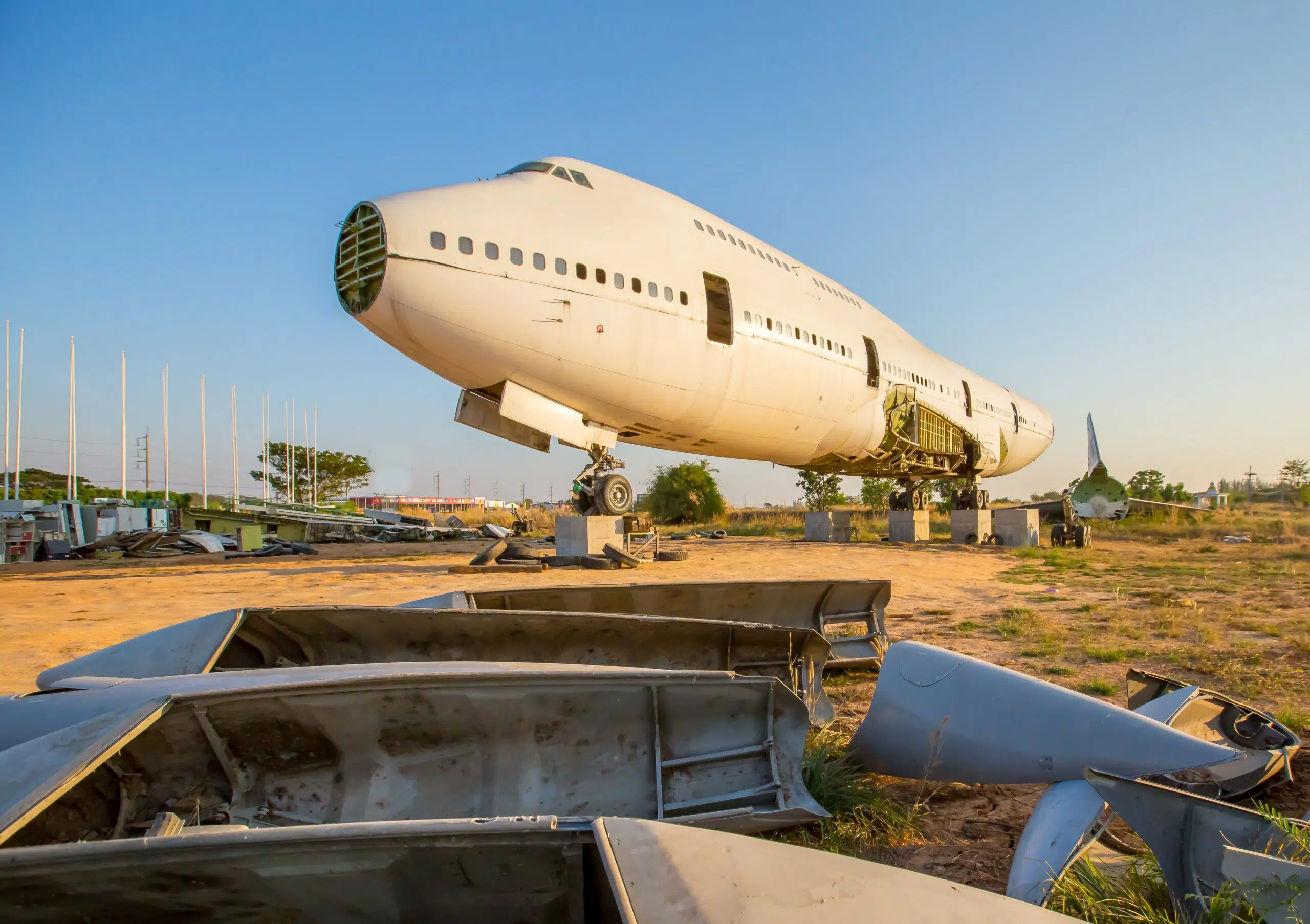
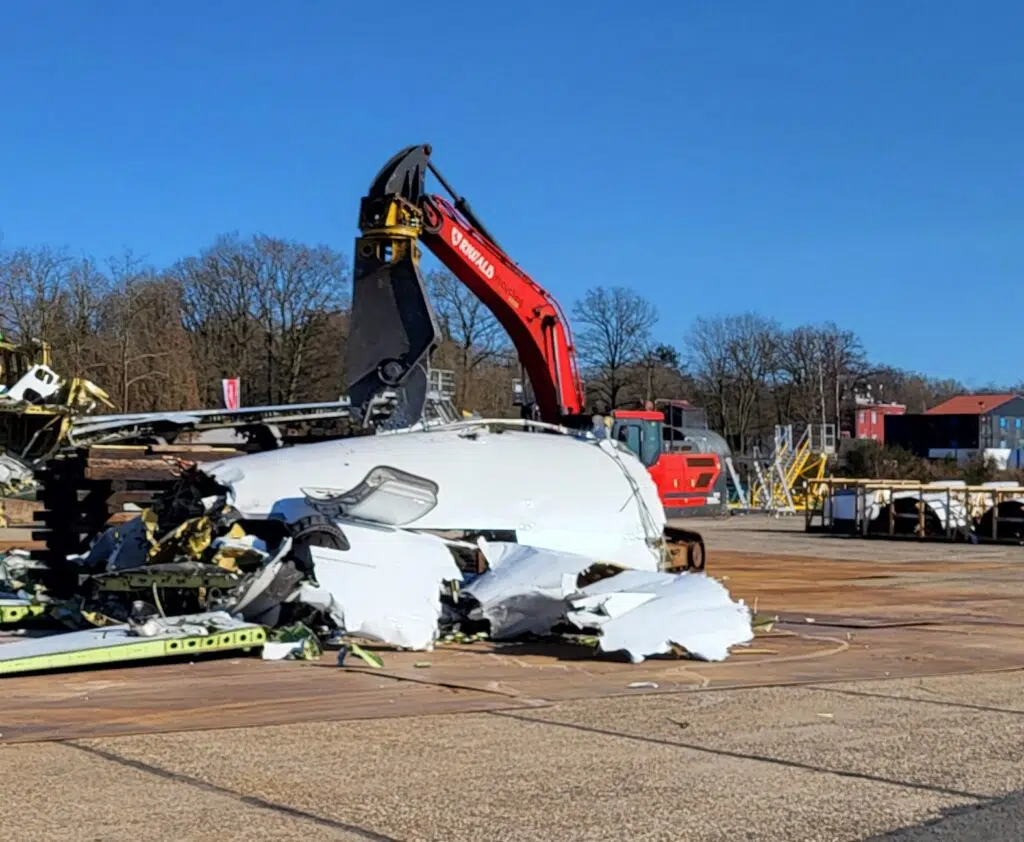
Aluminium is considered a Critical Raw Material (CRM) in aerospace because of its unique properties. Project PANTHER is a collaboration between Royal NLR, SEEF BV, Aethos, and industrial partner AELS aimed at enabling safer handling of painted metal scrap from End-of-Life (EoL) aircraft fuselage parts to facilitate aluminium recycling.
The challenge
Hexavalent chromium (Cr(VI)) in painted aluminium from EoL-aircraft poses environmental and health risks, limiting safe handling and transportation of scrap due to technical and legislative constraints. This also blocks the value chain, preventing aluminium reuse for circular economy benefits. PANTHER addresses this by:
- pinpointing and resolving chromated scrap processing constraints.
- analysing Cr(VI) content in dust, waste water, and airborne particles.
- studying Cr(VI) release and reduction mechanisms.
- identifying gaps in REACH and Dutch legislation.
The solution
Expected results will include detailed process maps, analysis reports, and recommendations to minimise emissions and ensure best practices for operational safety and environmental protection. By developing innovative solutions that eliminate the need for paint removal before recycling, PANTHER will deliver significant safety, waste-management and cost benefits for chromated scrap recycling. In the long run, increased reuse of secondary aluminium will support the EU supply, reduce greenhouse gasses from primary production and establish a compliance framework for a more stable aluminium value chain. These outcomes will benefit the aerospace, defence and construction sectors.
What we are doing
The consortium will undertake the following research activities:
- Creating a detailed process map of the entire scrap handling process, from collection to melting, to determine the Cr(VI) exposure risk at each stage.
- Analysing Cr(VI)’s content in airborne particles, dust and waste water sources to identify high-risk processes.
- Studying Cr(VI)’s release mechanism to establish the required leaching time for Cr(VI) formation and defining the downtime required for safe material handling.
- Investigating Cr(VI) reduction methods, including the efficacy of neutraliser kits and the time required for full conversion.
- Evaluating current Dutch and REACH regulations for any gaps or discrepancies.
Project partners:
Royal NLR (project coordinator), AELS, Aethos, SEEF
Project timeline:
2025-2027

The PANTHER project (25PPS008) is funded by TKI HTSM/Holland High Tech (TKI-HTSM/25.0184).