
Newsroom
Filter
Stay up to date with the latest developments
Welcome to our Newsroom. Here you can find the latest news, articles, and blogs from NLR. We also showcase a range of videos and publications here. For more video content, please visit our YouTube channel, NLRmedia. The NLR Repository provides access to our public library of NLR reports.
26 October 2026
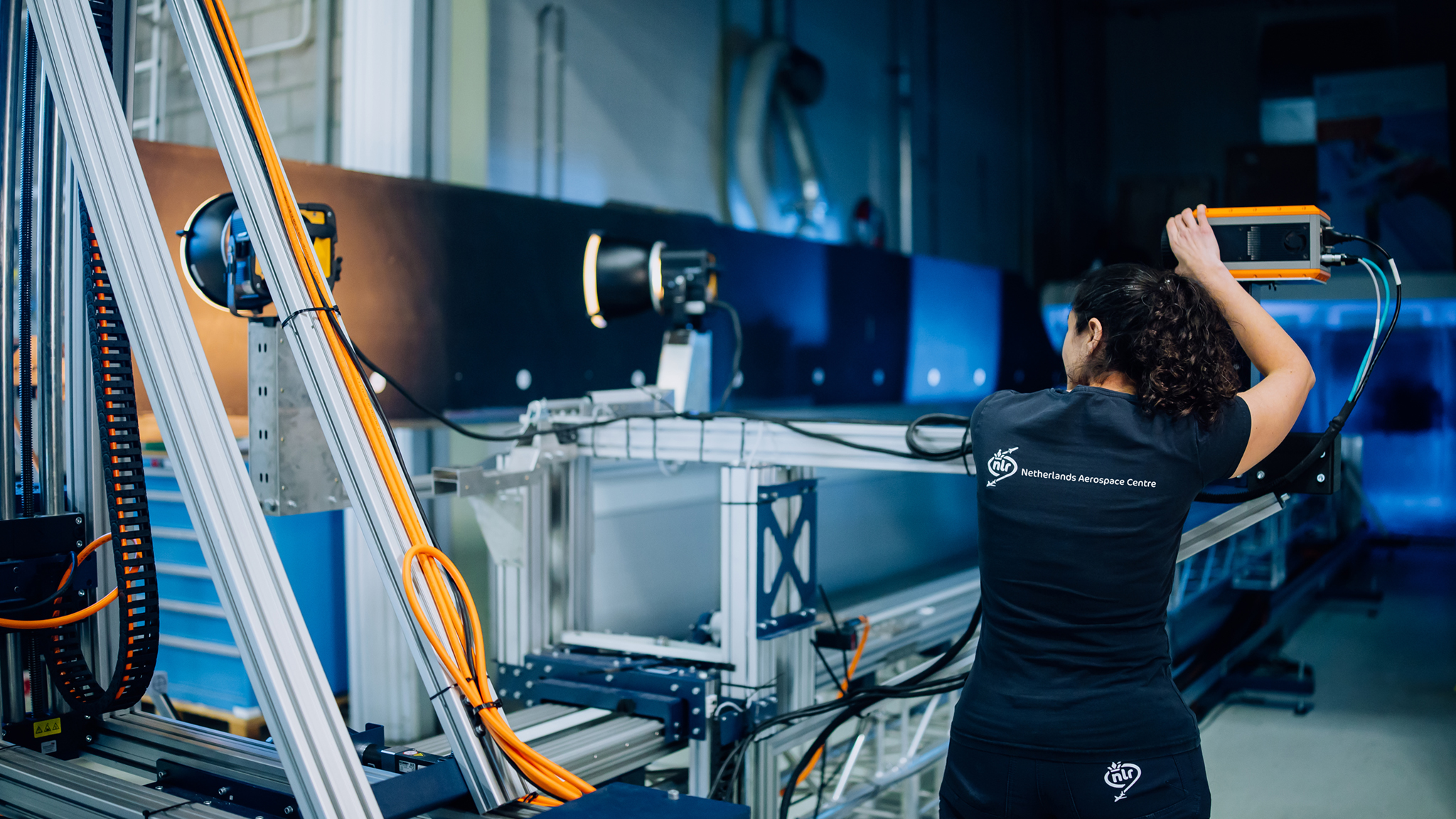
Booklet: Applying innovation in MRO
Whether your focus lies with aircraft maintenance or you are seeking innovative maintenance technologies to enhance availability or reduce costs, NLR can provide support. Alternatively, if you’re looking to future-proof your aircraft MRO operations, we are here to help you every step of the way.
18 September 2026
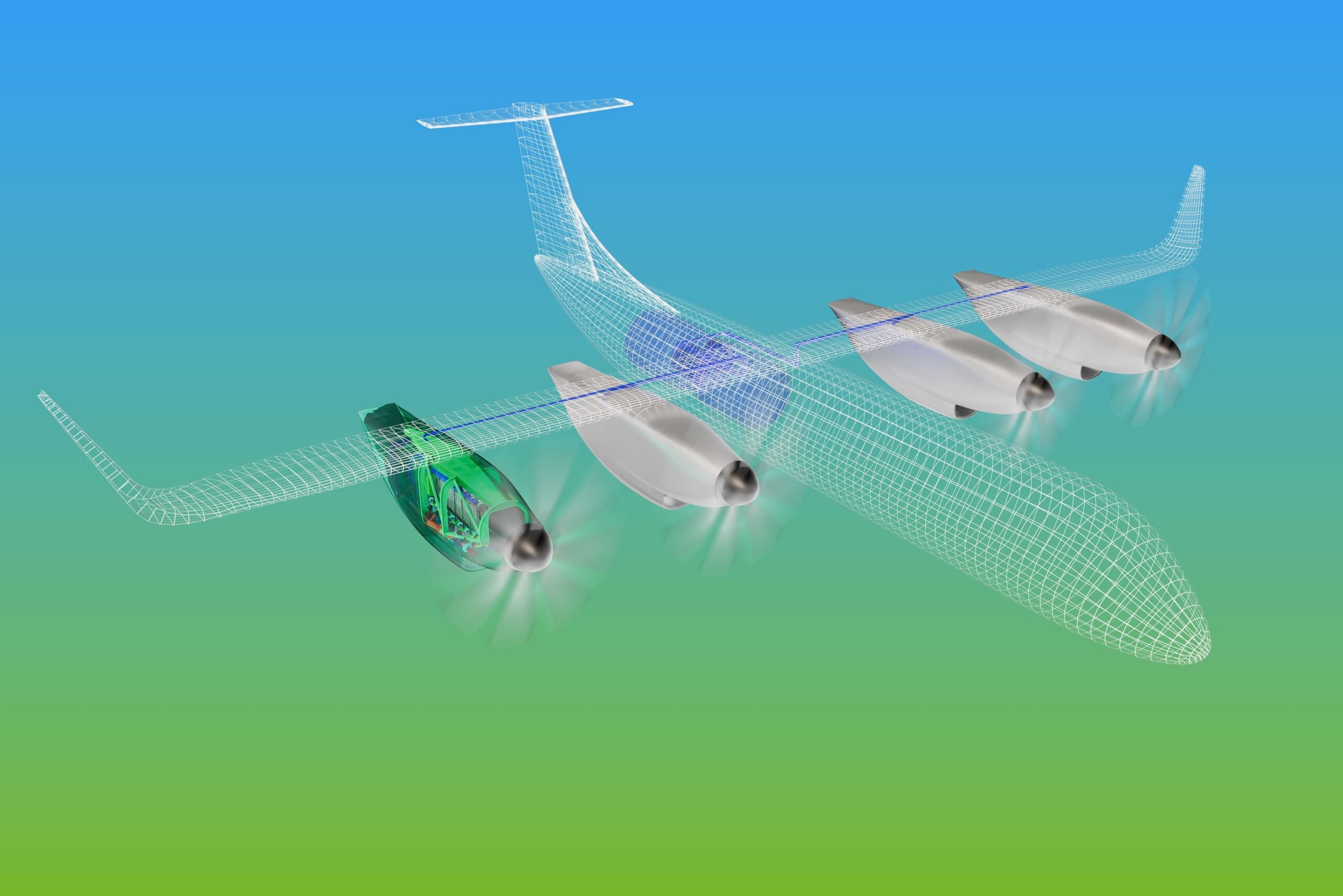
Booklet: R&D More electric and hydrogen-electric powered aerospace
Hydrogen as a fuel is considered to be an important route towards future sustainable aviation. For aviation
applications, hydrogen presents several key advantages: it allows for the elimination of carbon emissions in
flight and along the entire life cycle. Its usage in fuel cells allows eliminating NOx and particles. When burnt
in a turbine engine, very low particle emissions can be expected, as well as reduced NOx emissions, provided that the combustion system is optimised. However, water vapour emissions need to be carefully managed.
18 September 2026
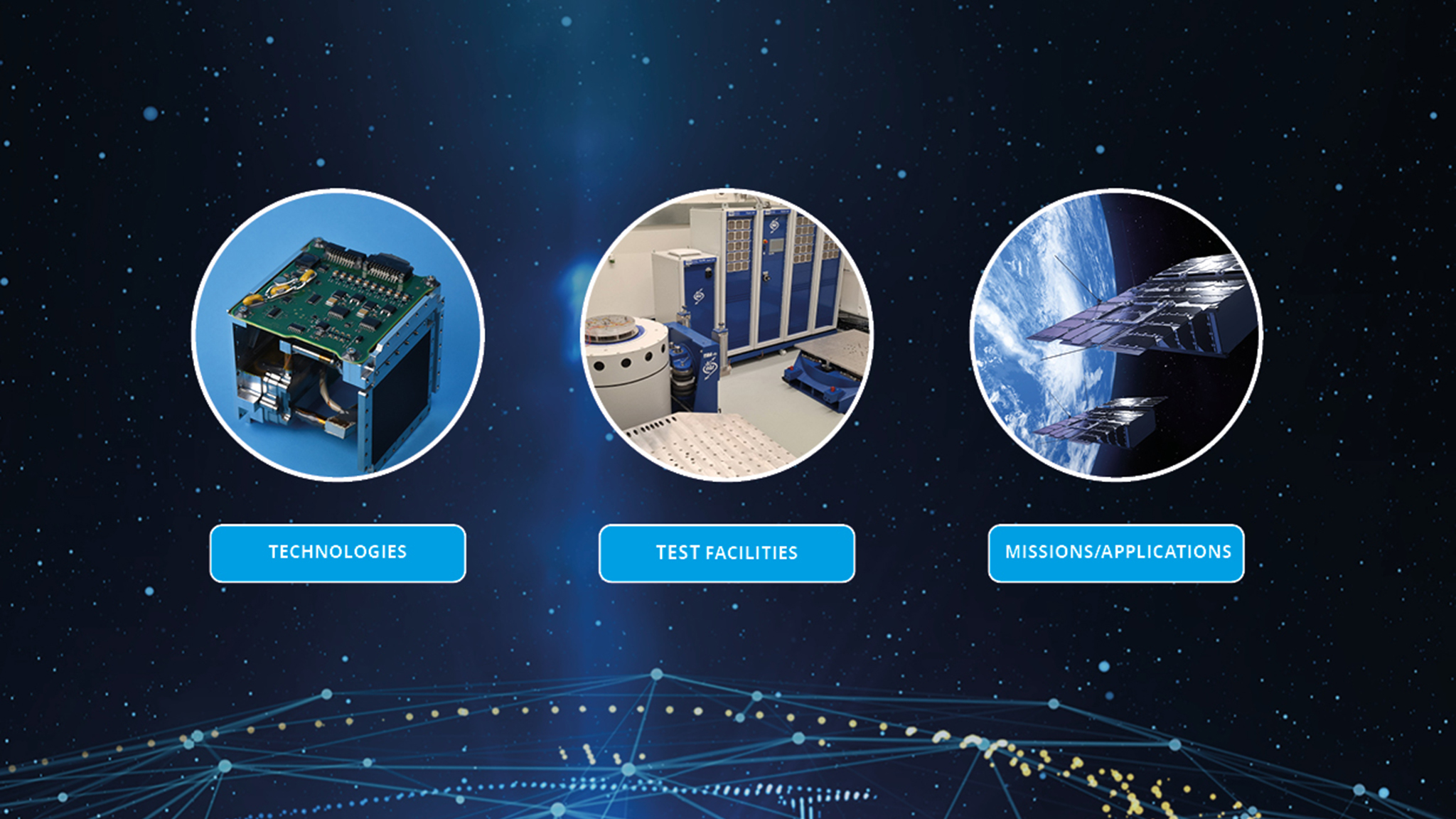
Booklet: Overview space capabilities
Royal NLR works closely with industry and government to design satellites, payloads and launchers systems, as well as subsystems, such as thermal control systems, electronics and antennas. We also invest in state-of-the-art facilities to accelerate our research and develop new space capabilities by leveraging our expertise in aerospace-qualified lightweight composite structures, multi-metal additive manufacturing, and the effective use of Earth observation and satellite navigation data for both civil and military applications.
25 June 2026
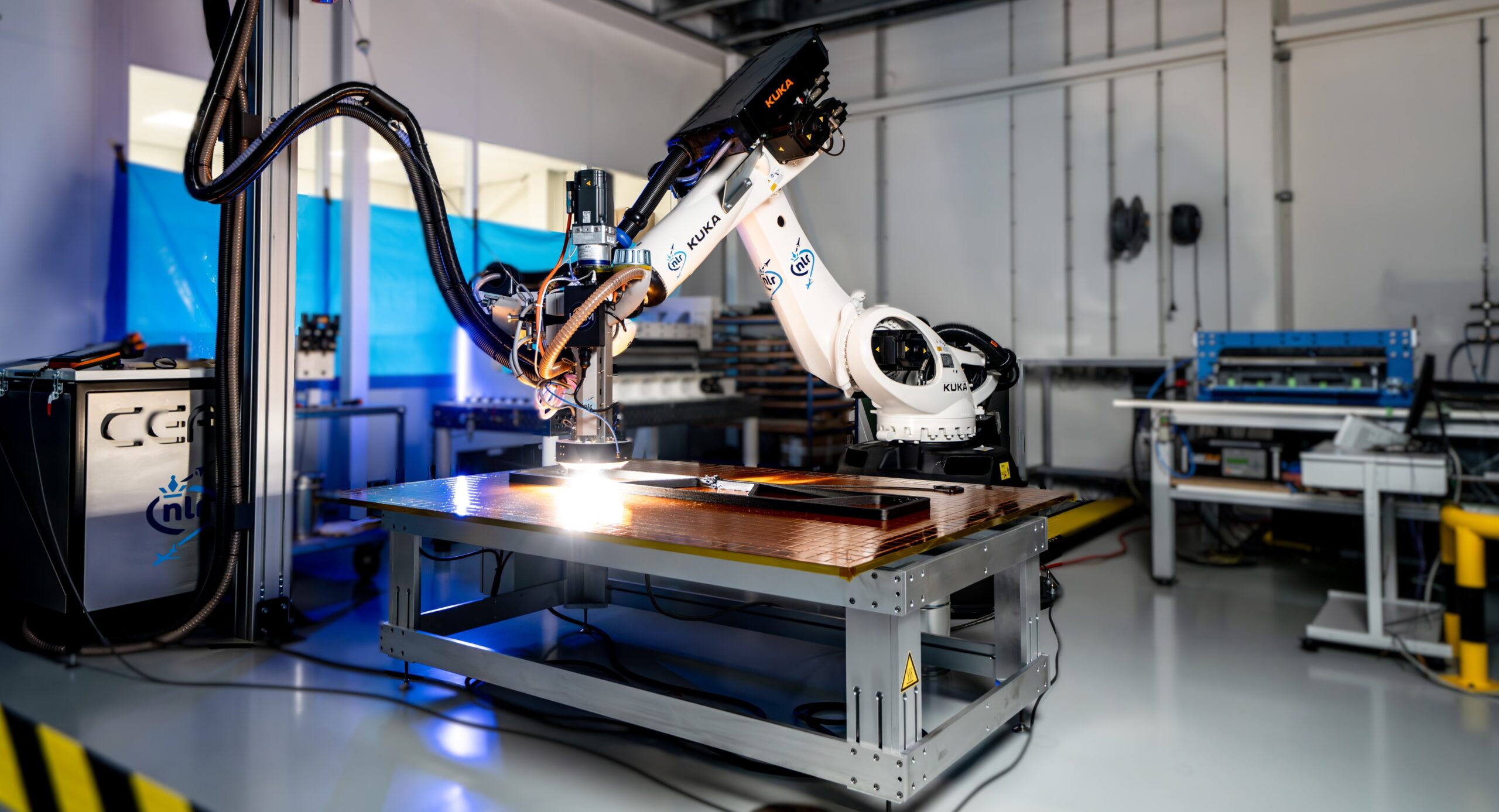
Three NLR projects with SME partners receive funding from Holland High Tech
NLR is set to conduct research into radiation-resistant chips for use in space (with the company Spherical Systems); the production of rocket engines using additive manufacturing (with Ignarion); and the 3D printing of boat hulls (IMPACD Boats and Tectonic-3D). All three projects will be carried out in collaboration with Dutch high-tech companies. The projects will receive financial support from Holland High Tech as part of the SME Defence Call 2025.

20 April 2026
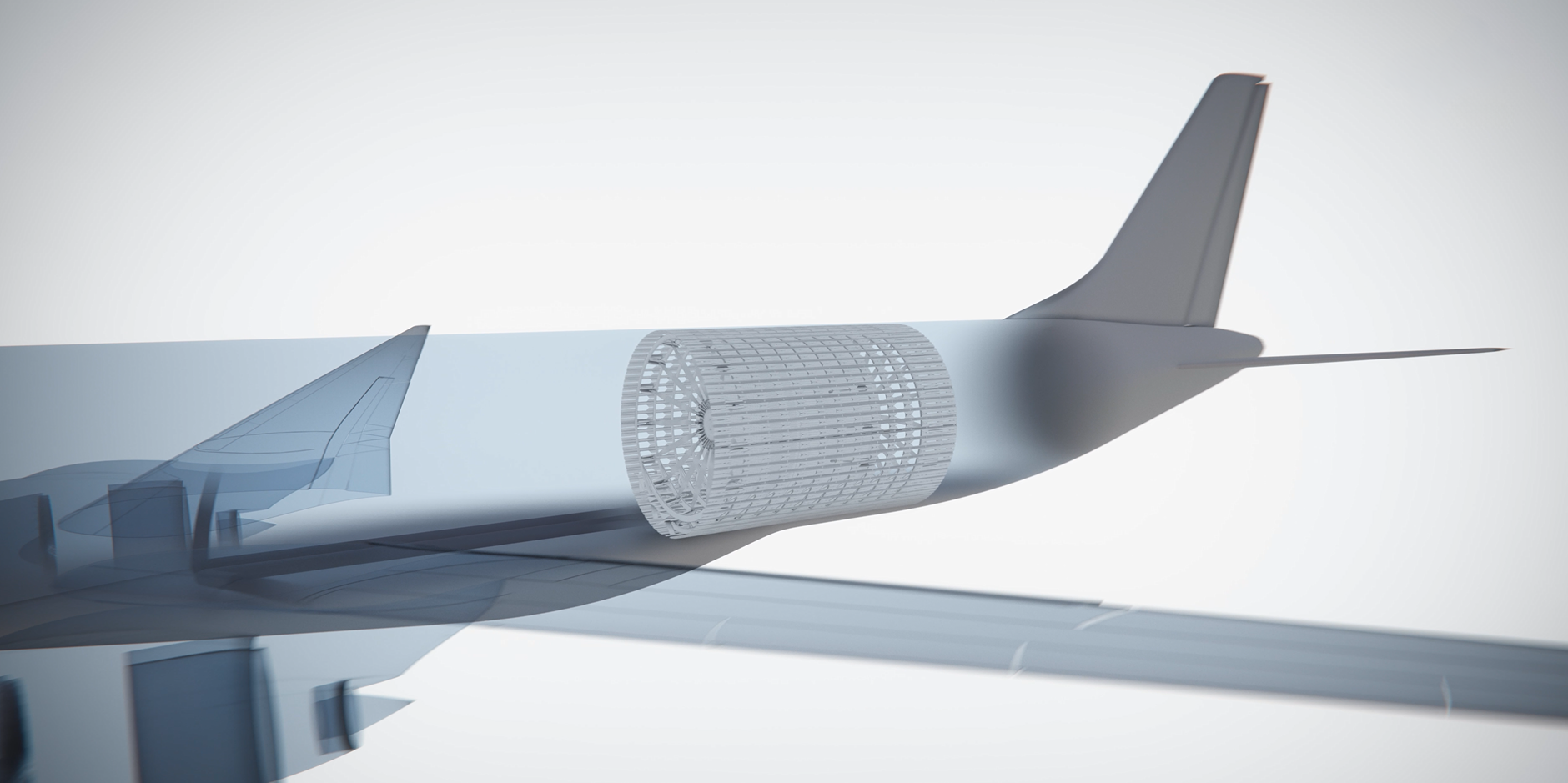
R&D case: Next-gen fuselage and tail designs for hydrogen-powered aircraft
Project: FASTER-H2 (Fuselage, Rear Fuselage and Empennage with Cabin and Cargo Architecture Solution validation and Technologies for H2 integration)
03 March 2026
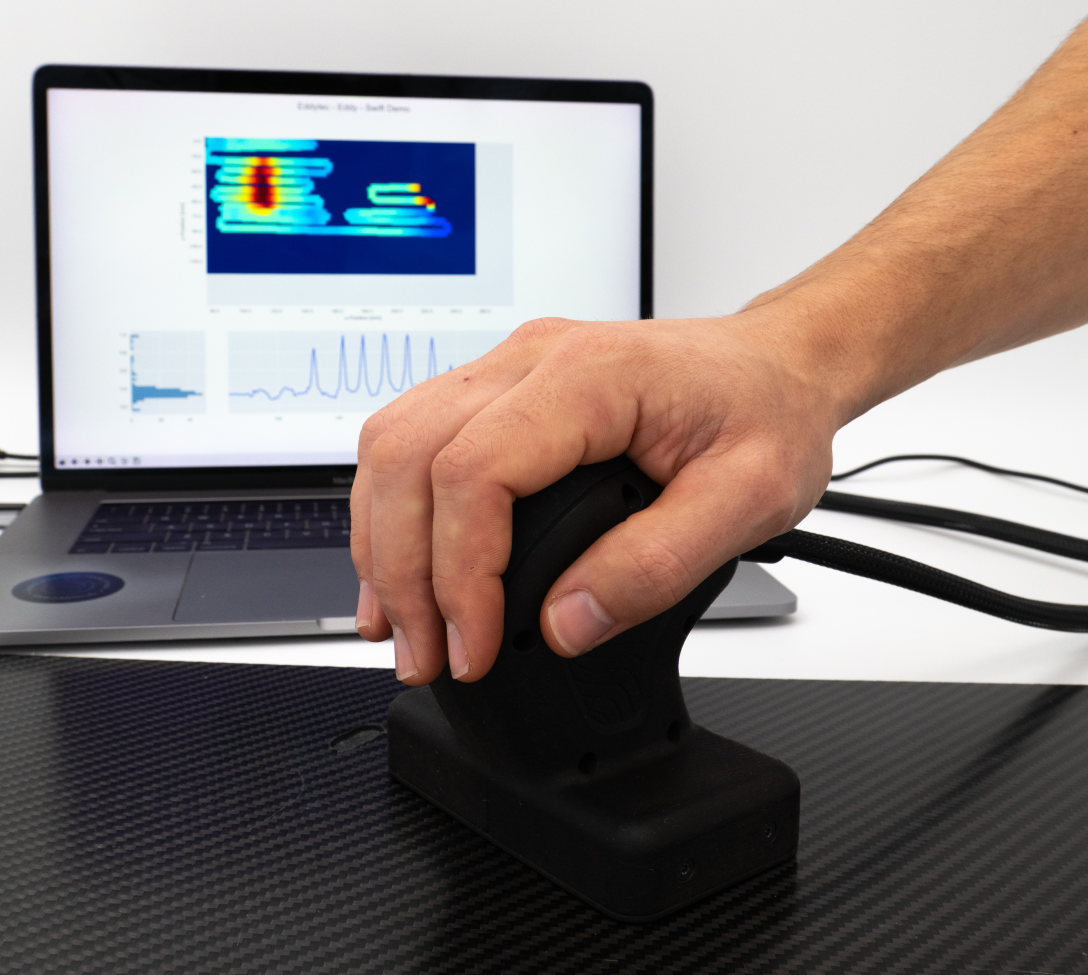
Enabling technology for lightweight structures and materials: the story of Eddytec
Eddytec is an innovative startup tackling a persistent issue in the manufacturing industry. Testing carbon composite materials is often time-consuming, complex, and costly. The company uses their technology to make this process faster, more efficient, and better integrated. With support from NLR, the startup is taking important steps towards technical validation and market application. We spoke to CEO and founder dr. Alina Chanaewa about how Eddytec grew from idea to impact.
16 February 2026
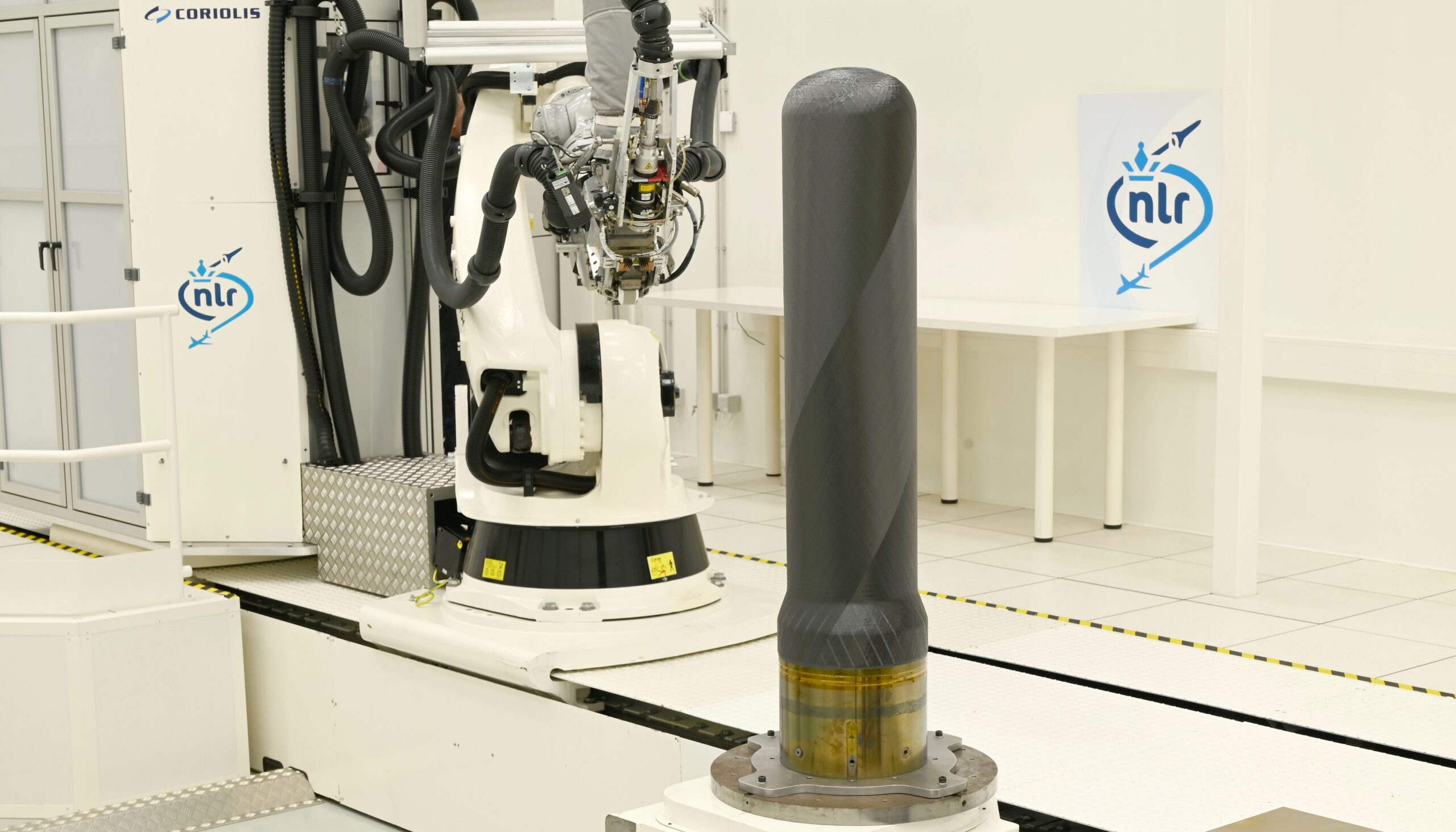
R&D case: Liquid hydrogen composite tanks for civil aviation
Hydrogen has been identified as a key priority to achieve the European Green Deal for a sustainable economy. By converting the construction of the hydrogen tank from existing metallic solutions to composites, the liquid hydrogen (LH2) composite tank will achieve weight savings that enable the advancement of liquid hydrogen as a sustainable fuel source for civil aviation. This will lower the carbon footprint of air travel and extend the flight range of aircraft by reducing construction weight and cost.
Sign up for the NLR newsletter to receive our latest news, recent developments, new insights, reports and whitepapers, as well as our calendar of upcoming trade fairs and events.