Booklet: Applied research for aerospace industry, space and defence

Royal NLR operates as a non-profit, objective and independent research centre, working with its partners towards a better world tomorrow. As part of that, NLR offers innovative solutions and technical expertise, with the aim of making aerospace more sustainable, safer, more efficient and effective. We are the connection between scientific research, policy-based support and industrial development. Our knowledge and technology are at a world-class level. We use our state-of-the-art research infrastructure to experimentally assess the effects of new technology and check the feasibility of new concepts.

This booklet gives an overview of the broad spectrum of NLR’s knowledge, capabilities and research infrastructure.
Latest Downloads

Construction and Manufacturing

18 September 2026

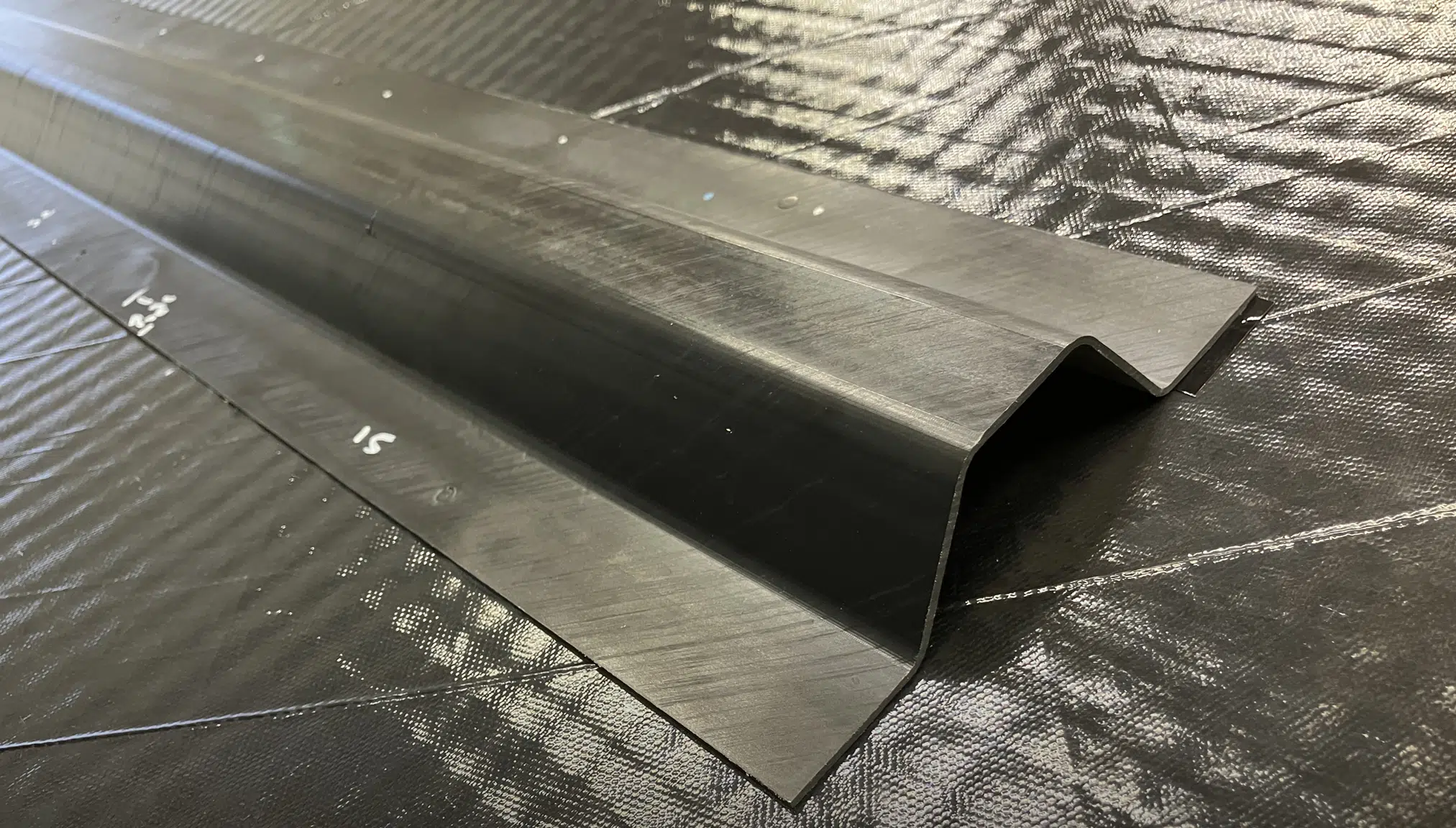
Booklet: Composites Research and Development

A key objective for more efficient and sustainable aircraft is to make lightweight, durable and affordable parts which are designed for ease of maintenance. To be allowed to use parts made of new materials like composite and metal additive printed components in an industry like aviation, all of the materials must be accompanied by the right certification. NLR takes care of the entire process, from calculation and design all the way through to manufacturing, repair and certification. NLR assesses material properties, develops structural concepts and manufacturing technologies, designs components and builds parts up to the level of full scale prototypes. Spanning the entire spectrum of product development is what makes NLR unique.

Sustainability and Environment

18 September 2026

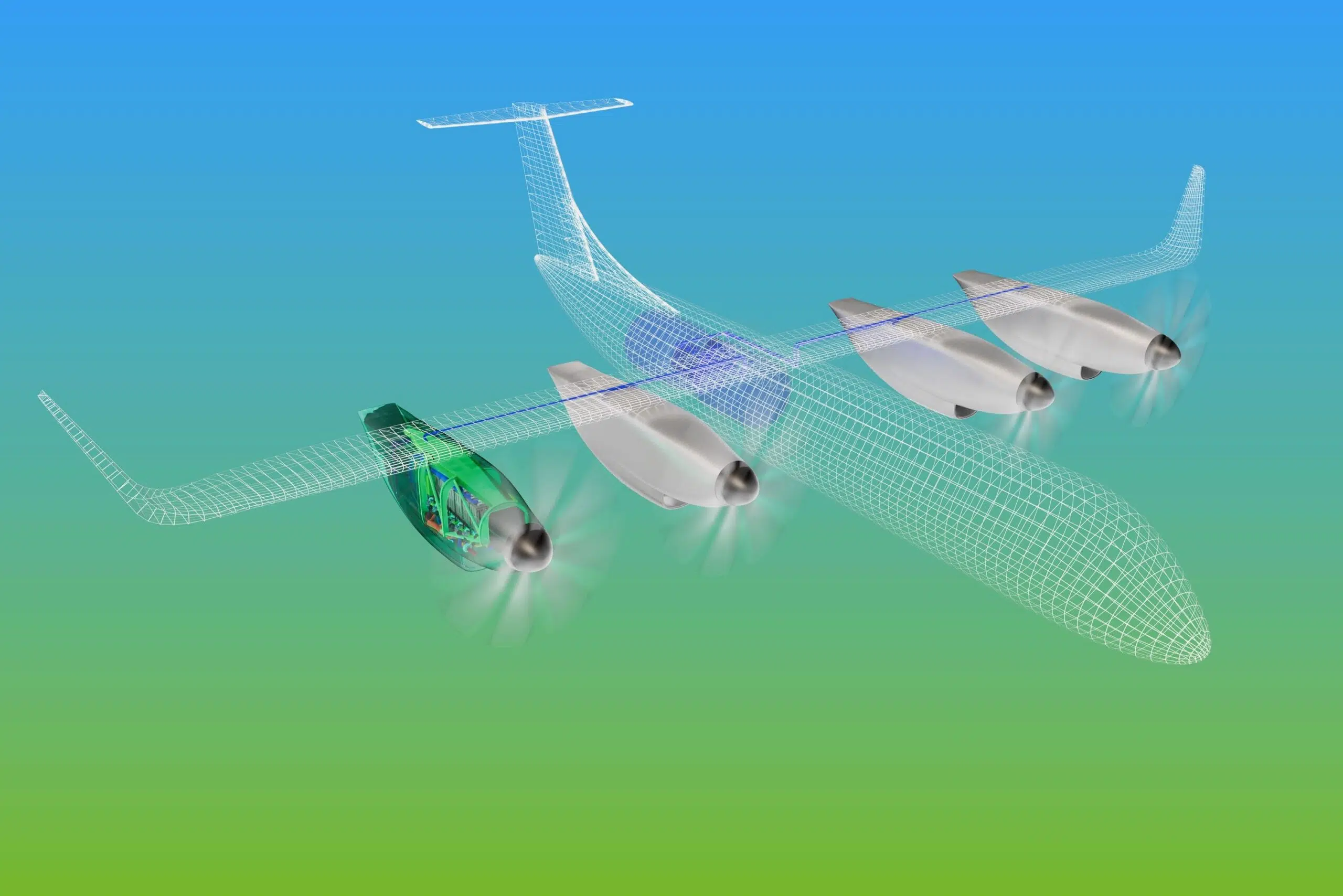
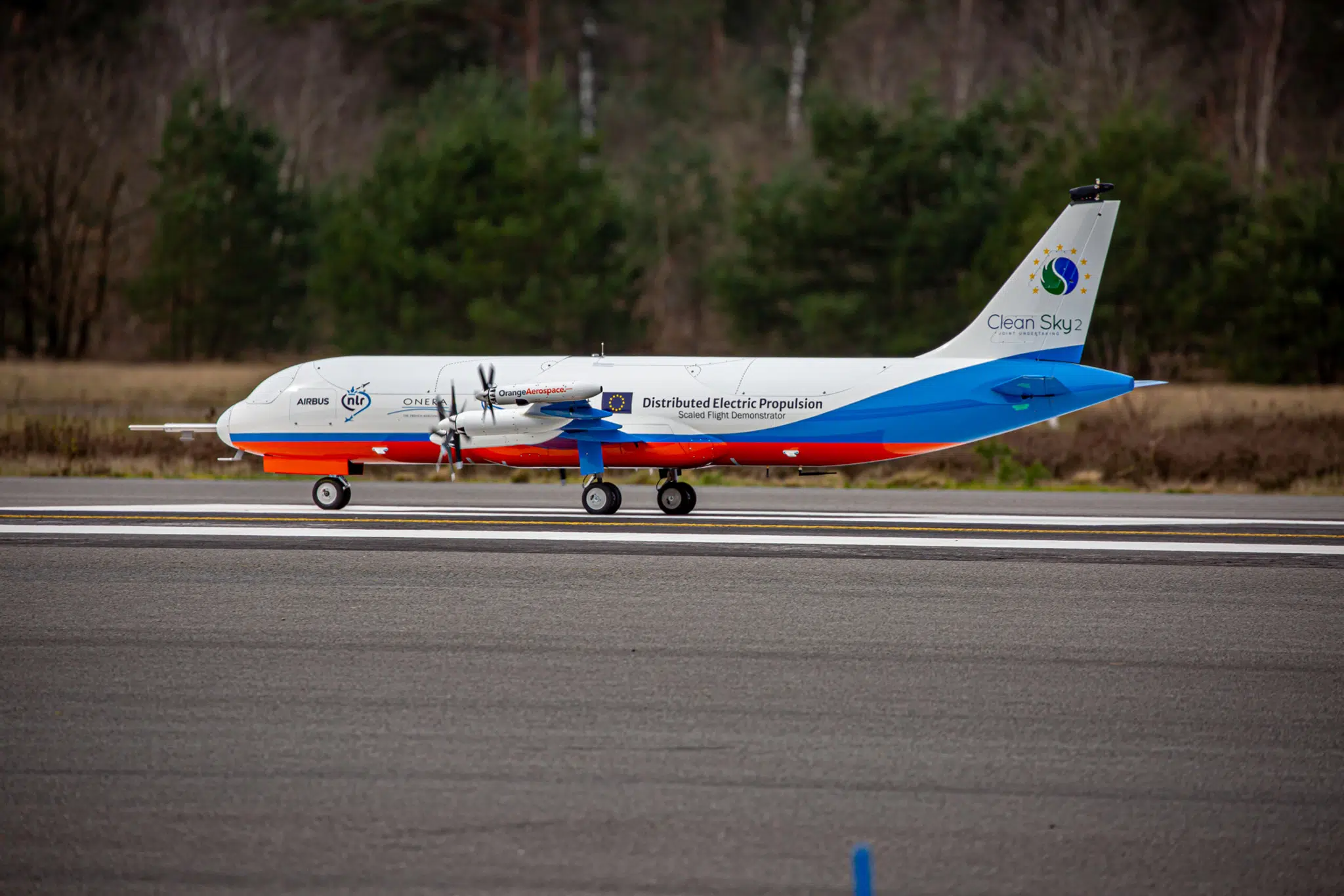
Booklet: R&D More electric and hydrogen-electric powered aerospace

Hydrogen as a fuel is considered to be an important route towards future sustainable aviation. For aviation
applications, hydrogen presents several key advantages: it allows for the elimination of carbon emissions in
flight and along the entire life cycle. Its usage in fuel cells allows eliminating NOx and particles. When burnt
in a turbine engine, very low particle emissions can be expected, as well as reduced NOx emissions, provided that the combustion system is optimised. However, water vapour emissions need to be carefully managed.

Space Technology

18 September 2026

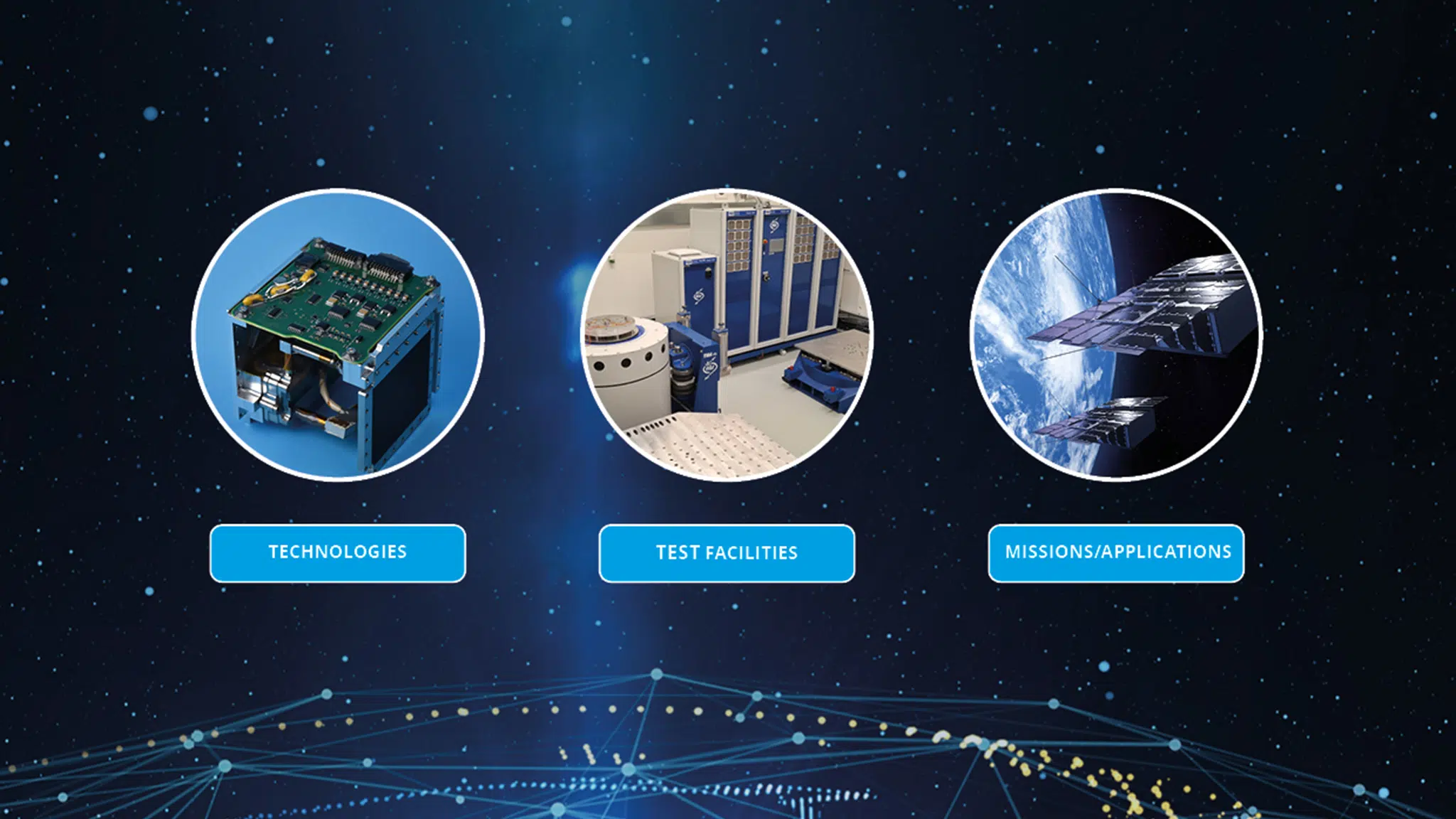
Booklet: Overview space capabilities

Royal NLR works closely with industry and government to design satellites, payloads and launchers systems, as well as subsystems, such as thermal control systems, electronics and antennas. We also invest in state-of-the-art facilities to accelerate our research and develop new space capabilities by leveraging our expertise in aerospace-qualified lightweight composite structures, multi-metal additive manufacturing, and the effective use of Earth observation and satellite navigation data for both civil and military applications.