Project: FASTER-H2 (Fuselage, Rear Fuselage and Empennage with Cabin and Cargo Architecture Solution validation and Technologies for H2 integration)
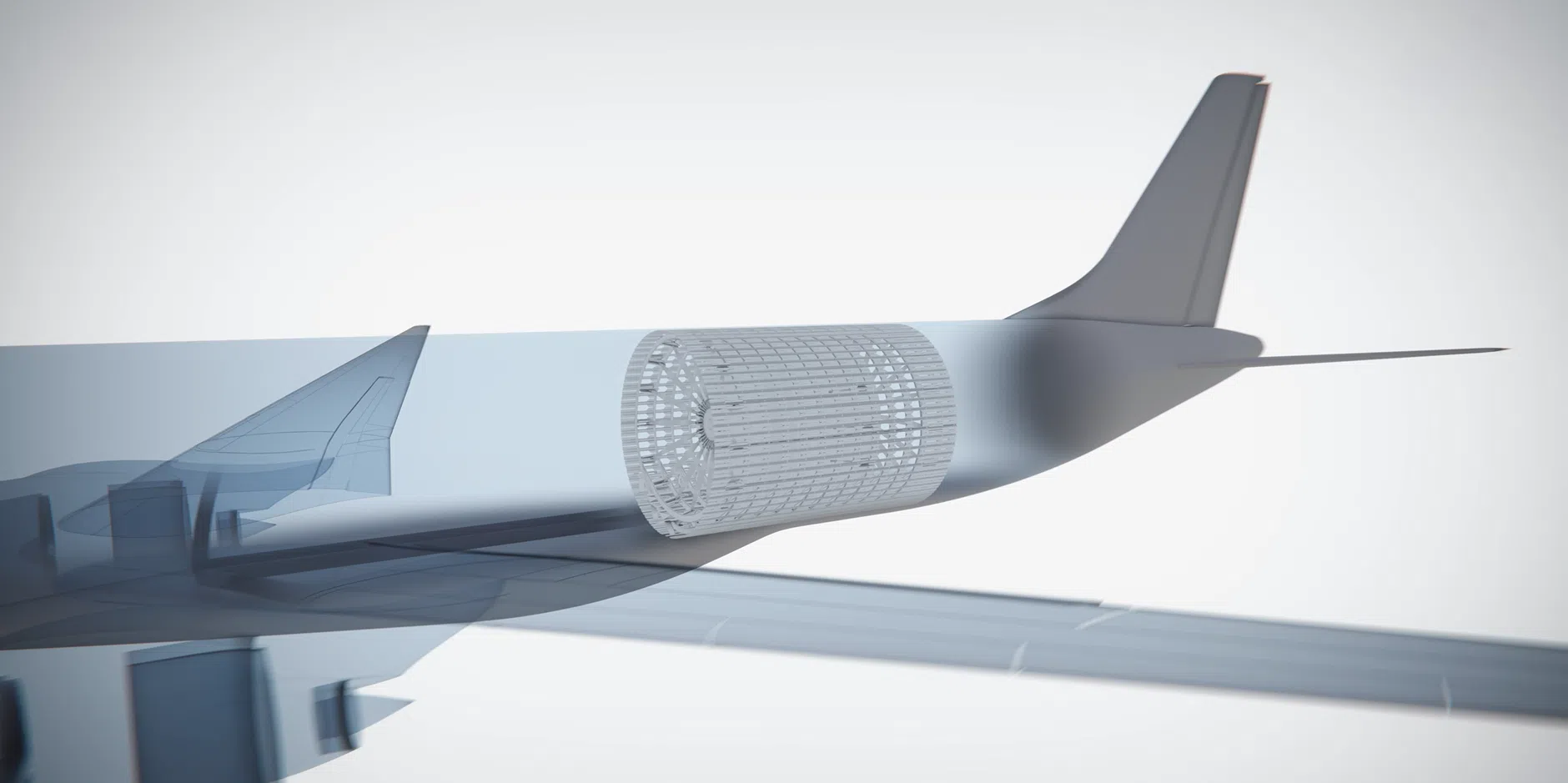
Hydrogen has the potential to reduce the aviation sector’s carbon footprint, bringing the industry closer to achieving net-zero emissions. However, transitioning to hydrogen (H2) will require significant changes in aircraft design to ensure the safe storage and distribution of this highly combustible gas. To address this challenge, The FASTER-H2 project explored cutting-edge technologies for the development of integrated fuselage and tail configurations for the next-generation short to mid-range hydrogen-powered aircraft.
The challenge
NLR explored four key technologies. These included detecting the onset of micro-cracks in composite liquid hydrogen tanks at temperatures as low as 20 Kelvin. Additionally, NLR investigated improving fuel efficiency with double-hinged rudder (DHR) designs, which also needed to provide aeroelastic stability. Furthermore, NLR worked on composite materials: researchers looked into applying induction welding to thick composites for hydrogen-powered aircraft and into developing faster non-destructive inspection methods for these materials.
The solution
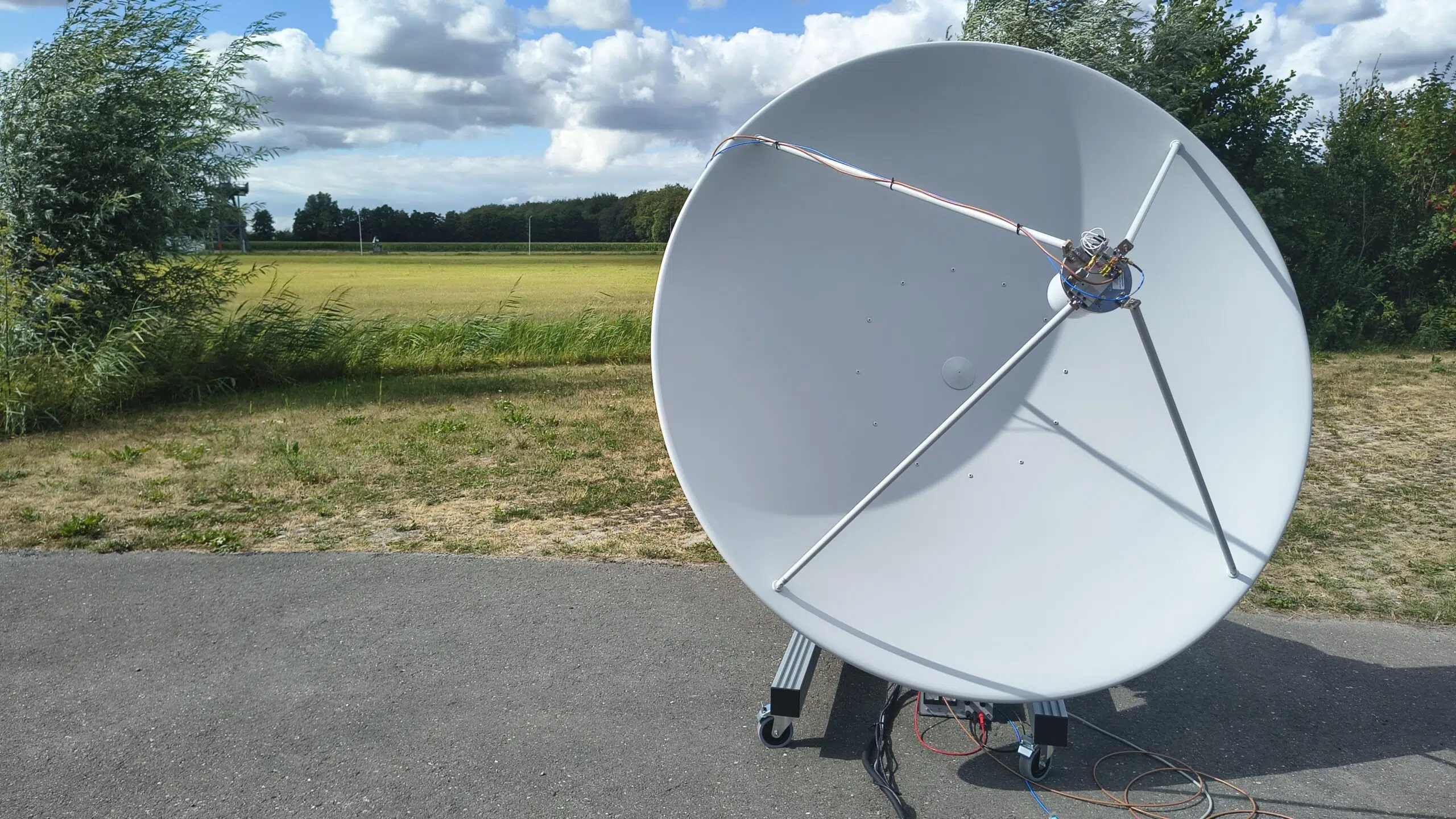
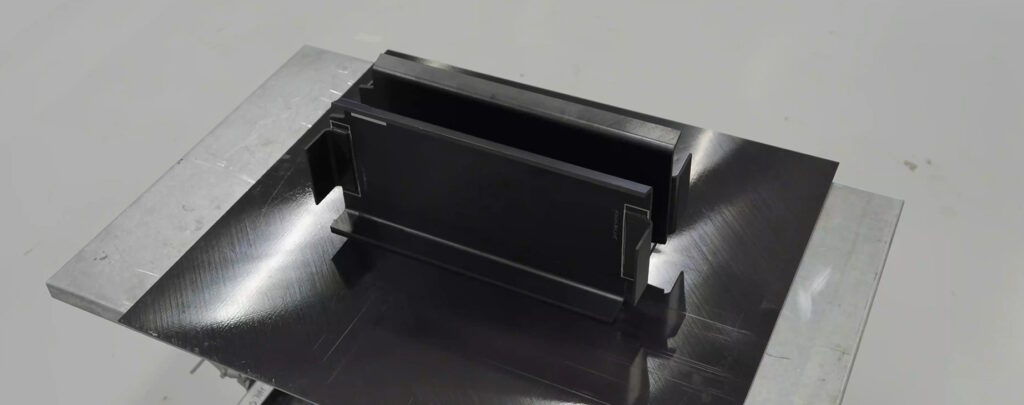
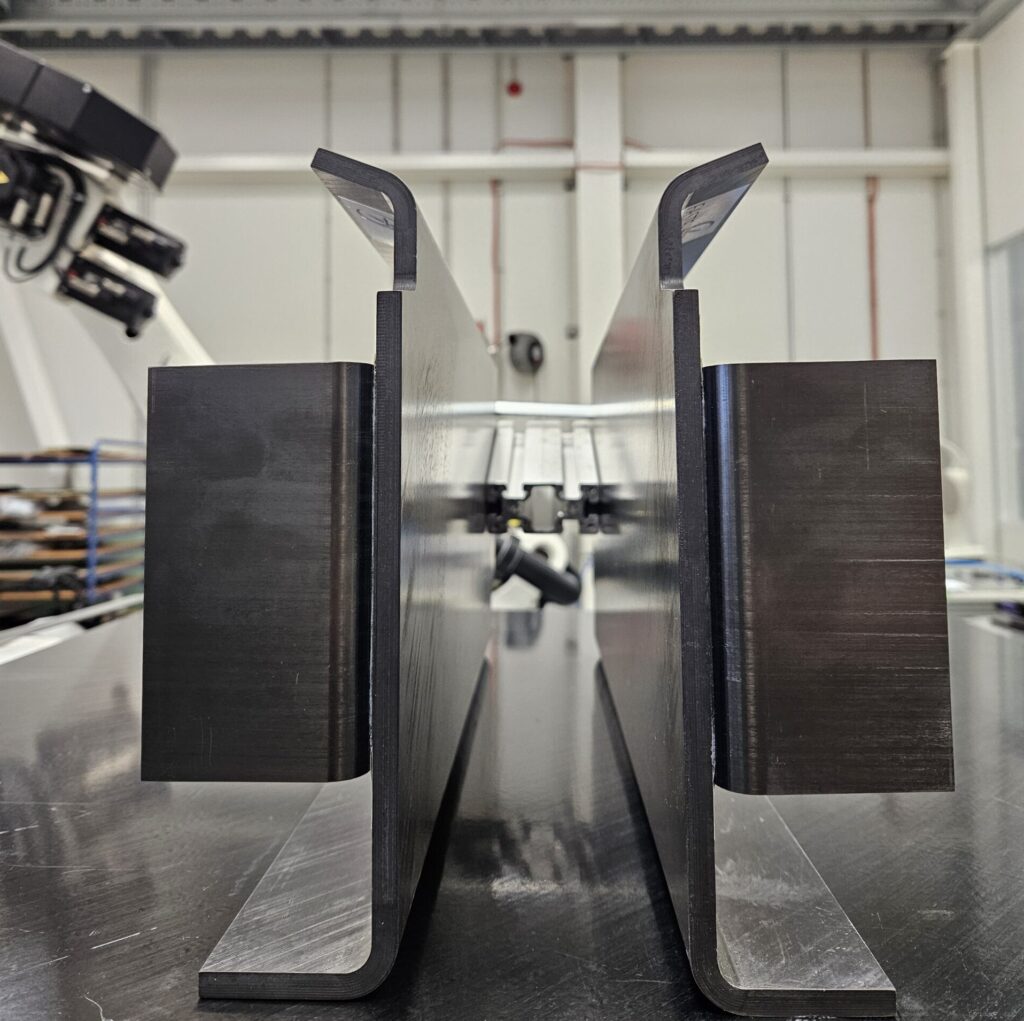
The results of the four technologies demonstrate the effectiveness of fibre optic Acoustic Emission (AE) sensors in detecting micro-crack formation, even at 20K. The DHR concept was found to maintain aeroelastic stability through an external mechanism and spanwise splits, enhancing its effectiveness. What is more, 7.4 mm thick thermoplastic intercostals were successfully joined to a skin using induction welding, achieving high strength at the coupon level and validating model predictions. Lastly, infrared thermography proved effective in detecting defects in large-scale thermoplastic carbon fibre reinforced polymer fuselage skins up to 4.5 mm deep, achieving technology readiness level 4.
What we did
The NLR team developed criteria to reliably identify microcrack signals amidst background noise via combined room temperature and cryogenic mechanical tests, as well as microscopic observation. Moreover, DHR concepts were modelled and analysed, focusing on aerodynamics and aeroelastics. The concepts featuring external mechanisms and spanwise splits were further refined through detailed analysis.
NLR also advanced manufacturing technologies and modelling, and performed coupon testing. The hydrogen tank attachment with induction-welded intercostals was successfully tested by a partner. The project culminated in a large-scale infrared thermography demonstration at the Multi-Functional Fuselage Demonstrator at Airbus ZAL, supported by small-scale tests at NLR.
Watch the full video of the hydrogen tank attachment here.
Project partners:
Project coordinator: Airbus
Click here for all partners in the consortium
Project timeline:
2023-2026


This project has received funding from the European Union under GA no. 101101978, and is supported by the Clean Aviation Joint Undertaking and its members.
The text only reflects the author’s view. The European Union and Clean Aviation JU are not responsible for any use that may be made of the information it contains.