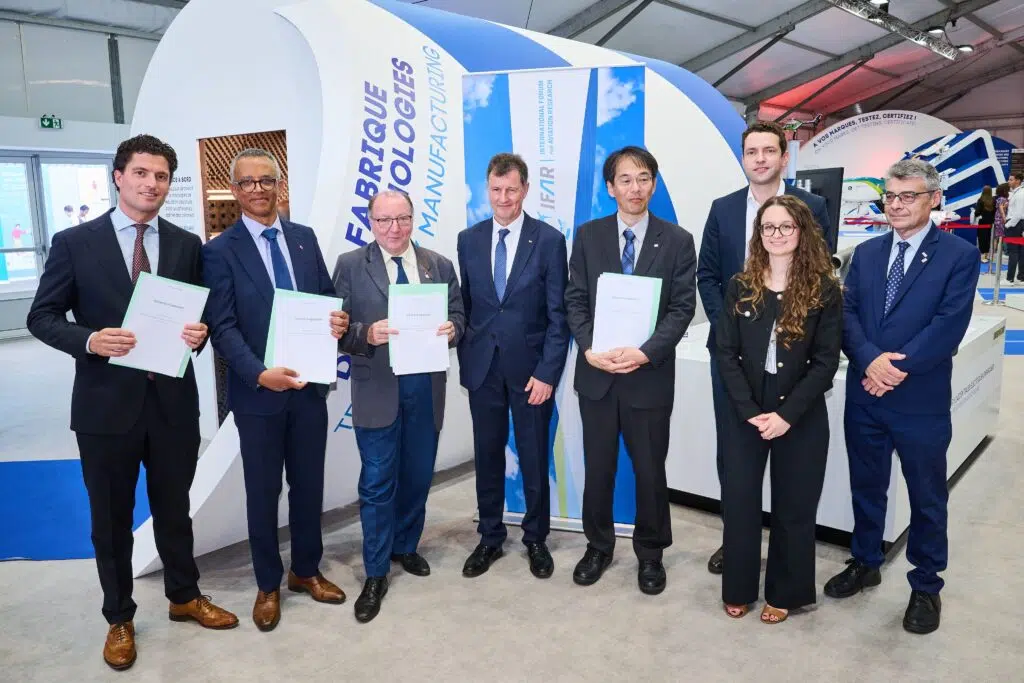
On the occasion of the IFAR (International Forum for Aviation Research) Working Group Workshop, in Toulouse on June 12, an IFAR collaborative research project called ELECTRI-FLY is officially launched under the coordination of the French aerospace lab ONERA. This project, conducted in partnership with four major aeronautical research institutes – NRC (Canada), NLR (Netherlands), NASA (United States), and JAXA (Japan) – is part of the collaborative research activities of the IFAR network.
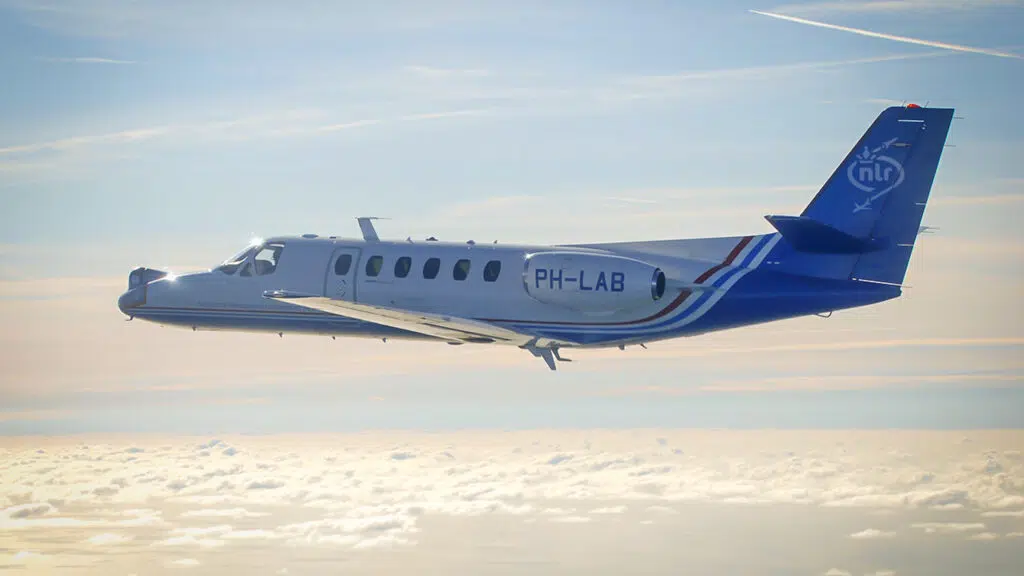
Over a period of four years, this ambitious scientific project ELECTRI-FLY (an acronym for ‘atmospheric ELEctricity Characterization ThRough InFLight measurements’) aims to deepen the understanding of atmospheric electrical phenomena, particularly the mechanisms of electrical charging and the formation of storm clouds. Through flight measurement campaigns, two research aircraft equipped with next-generation onboard sensors will characterize the electrical and microphysical properties of clouds with unprecedented precision. One of the aircraft in question is the PH-LAB, which is owned and operated by NLR in collaboration with Delft University of Technology. This modified Cessna Citation serves as a versatile airborne research platform.
The collected data will undergo a process of post-processing and in-depth analysis to create a reference atmospheric database. This information will contribute to improving fundamental knowledge about cloud electrification and lightning initiation, while enhancing atmospheric simulation models used for aviation safety, trajectory optimization, and flight planning. This project also aims to better understand adverse weather conditions and improve flight safety.