Capability

Construction and Manufacturing

25 February 2025

Coupon testing – materials testing

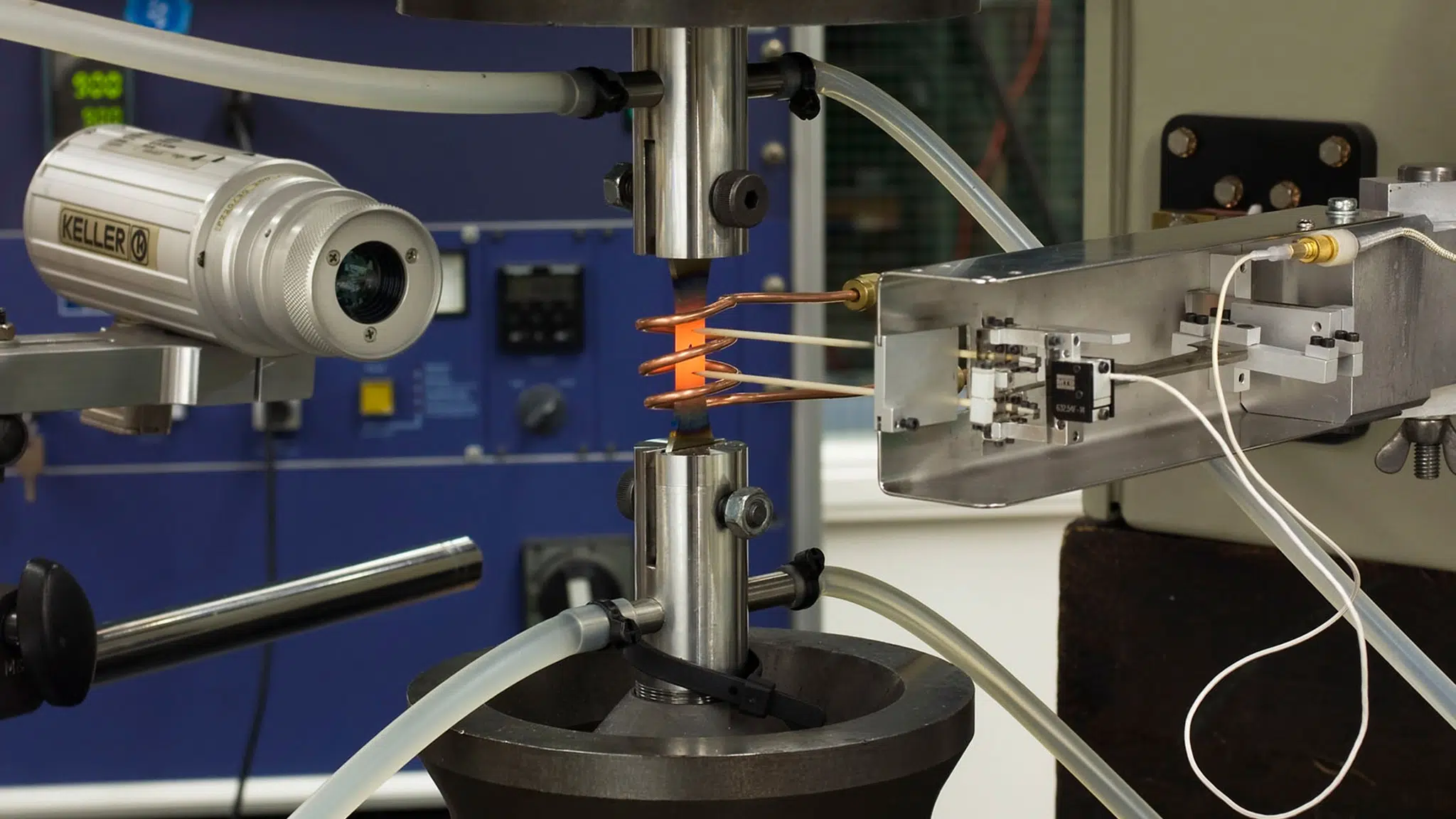
The NLR research infrastructure encompass a wide variety of coupon and materials testing, including inspection and calibration systems, ranging from creep and quasi-static to dynamic and high-frequency testing. We mimic aerospace, space and off-shore environments, civil and military, in order to conduct realistic testing. Our testing services include static, fatigue, and damage tolerance testing, all of which are performed in accordance with international standards or tailored to meet specific client requirements. Additionally, we execute material evaluation and qualification programmes.
We can accommodate a wide range of environmental conditions to meet your specific testing needs, including ambient, low (-55°C), cryogenic (-180°C), elevated (80°C), and high-temperature (1250°C) environments, as well as controlled humidity, corrosion, and saturation conditions.

Platform Technology

25 February 2025

Acoustic fatigue analysis

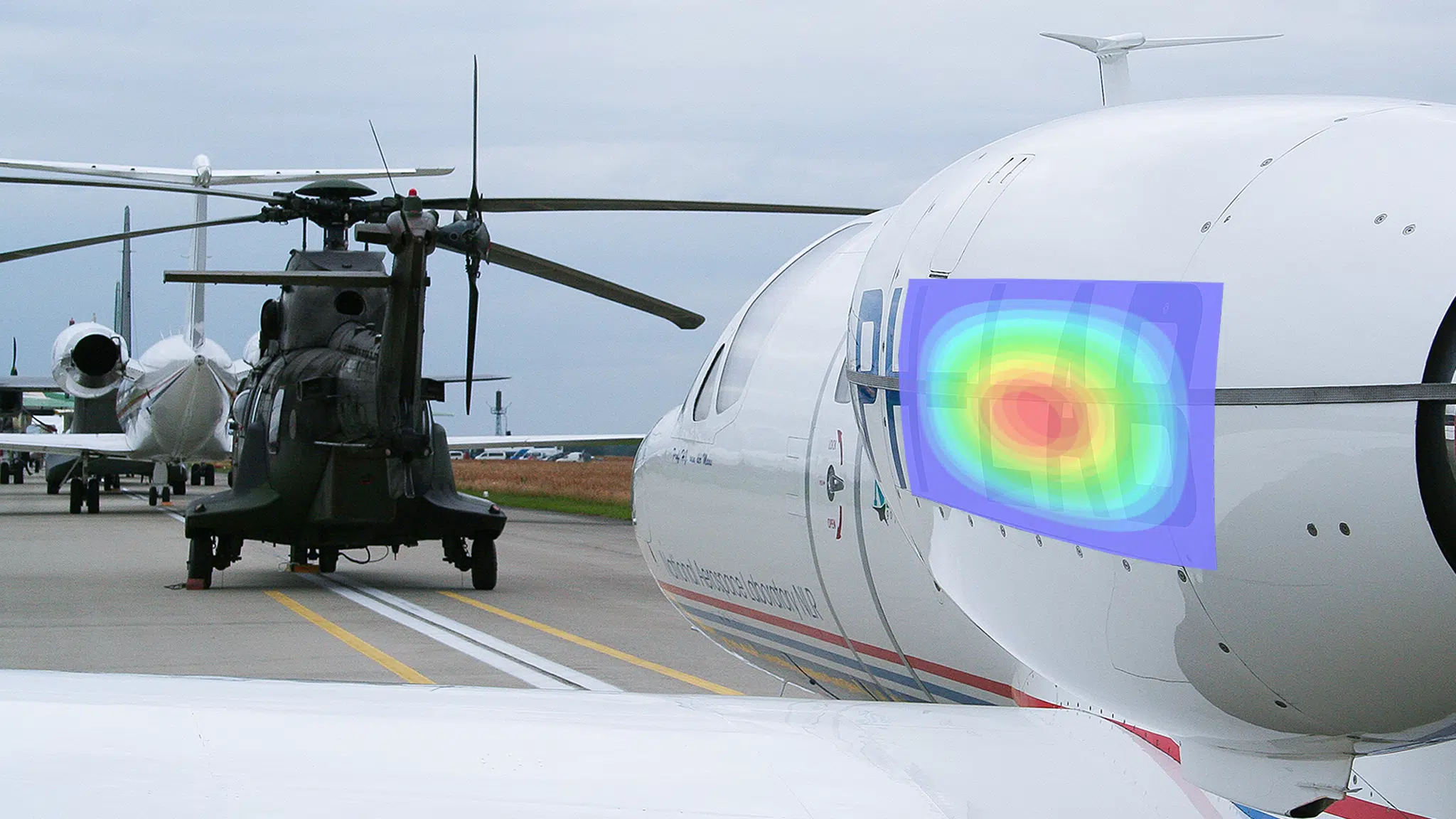
NLR offers a comprehensive range of capabilities to support the analysis and testing of structural elements and structures subjected to acoustic loads. Our expertise includes fast analytical and accurate numerical methods to predict resonant frequencies, as well as methods to determine the acoustic load on your structure. We also have the capability to manufacture steel or composite structural elements and structures and to instrument them with strain gauges for endurance tests on a shaker.

Data Science and Engineering

25 February 2025

Big data

Data are available in ever increasing volume, variety and velocity. To optimise your processes and operations, and to access up-to-date information, it is essential to collect, integrate and analyse these data. NLR is the one-stop shop to support the entire data ‘chain’, from data-acquisition and advanced analysis to information visualisation and decision support. Our expertise in (big) data and aerospace enables you to turn data into intelligence and deliver practical solutions for your needs.

Flight Operations and Certification

25 February 2025

Flight test support

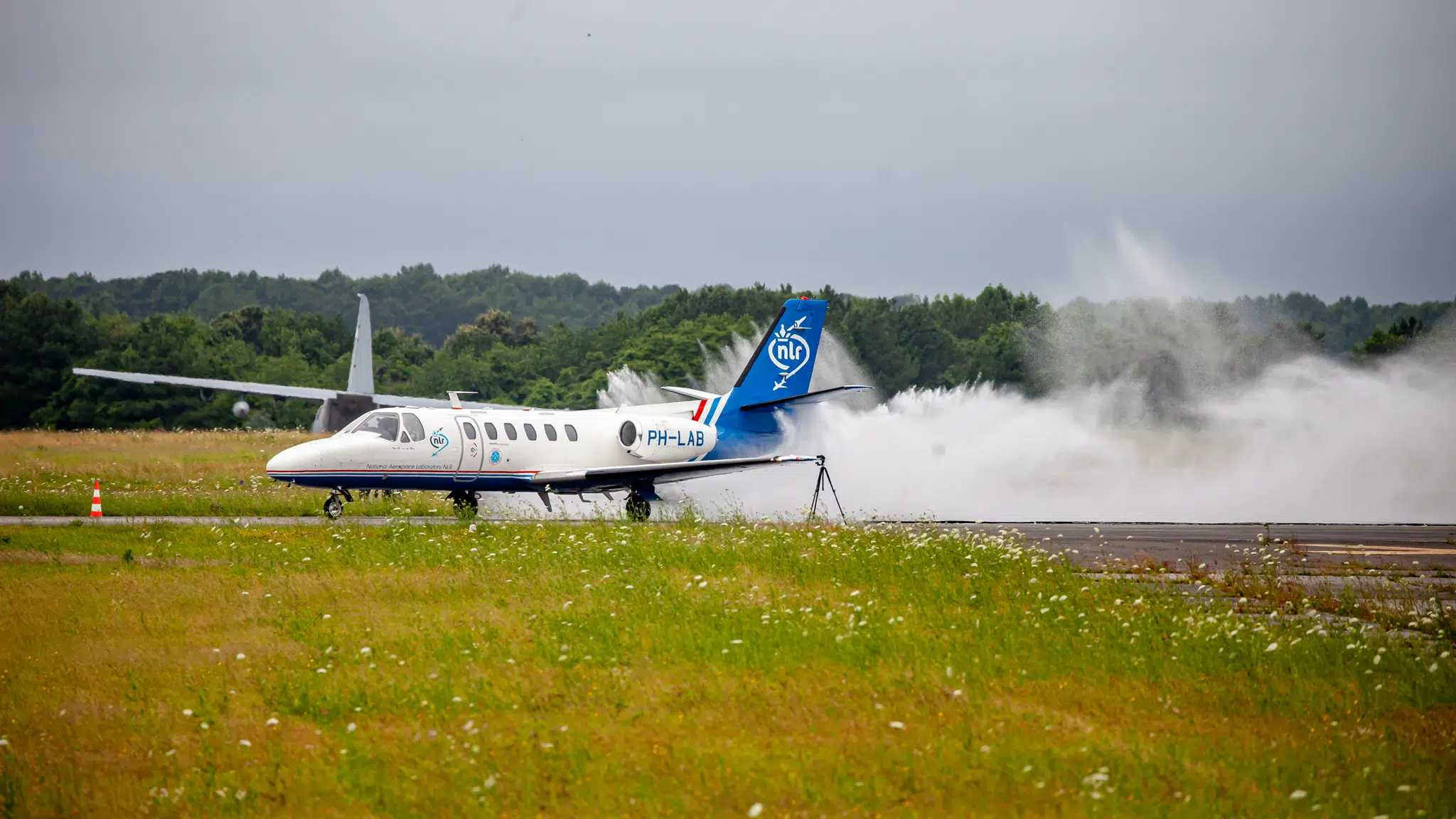
Flight testing is a means to collect (evidence/research) data. All processes related to flight testing are covered within Flight test support: from defining requirements to preparing flight test plans, realisation of instrumentation suites and provisions and finally support of test flight execution and data analysis.

Flight Operations and Certification

25 February 2025

Dynamically scaled aircraft

Dynamically scaled models are used for the validation of an aircraft design or aircraft technology, after it has been analysed and improved with numerical methods. Commonly known are the (static) wind tunnel tests on scale. The scaled testing reduce cost and risk of full-scale tests. Self-powered, free-flying dynamically scaled models can be used to discover the dynamic “realm”. For example, control, stability and upset conditions (like spin recovery, high angle of attack, stall). This is not possible with static test, and in most cases very risky when using a full-scale prototype.

Safety and Human performance

25 February 2025

Accident and incident investigation

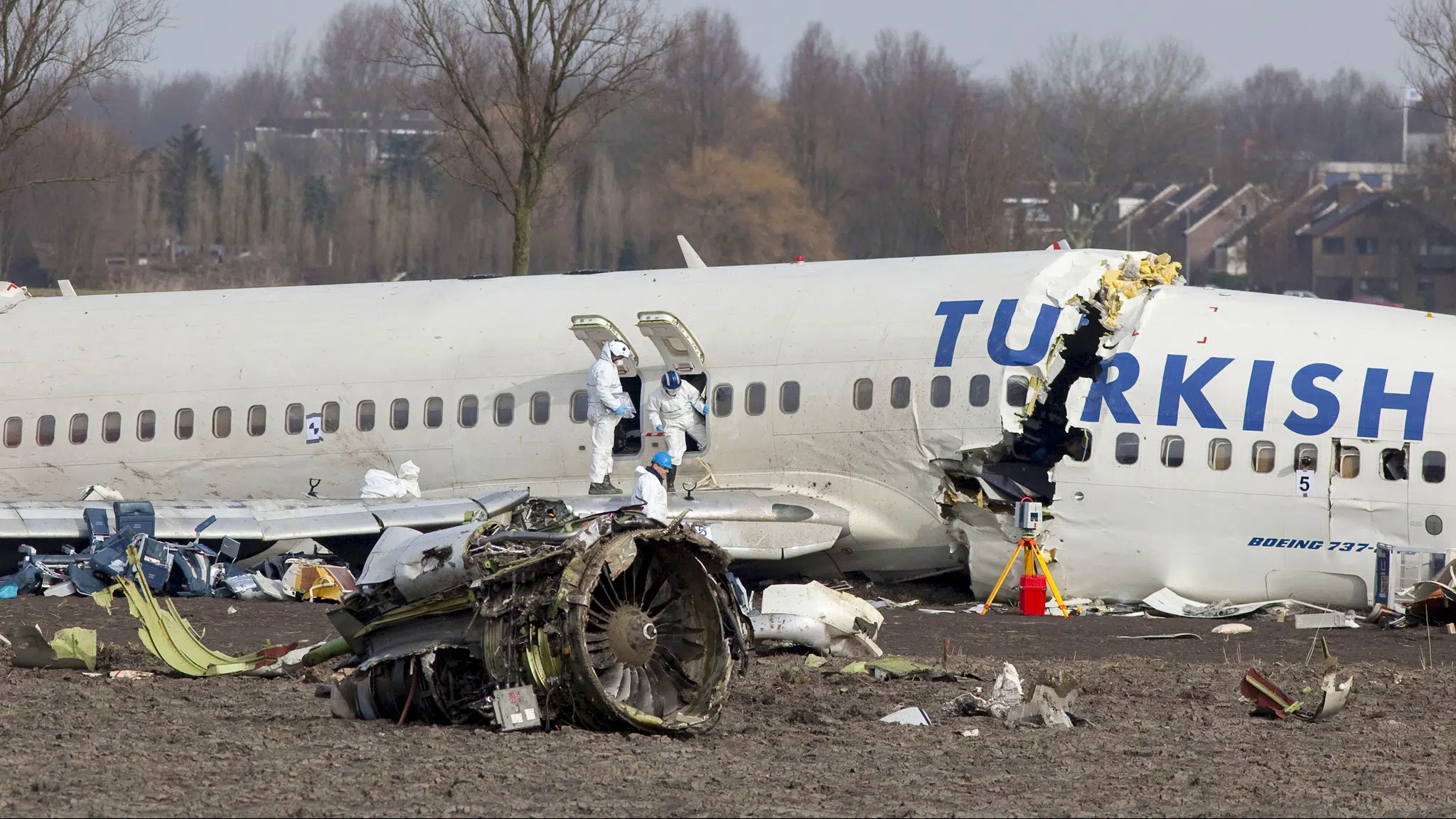
NLR can provide expert support during accident or incident investigations, offering specialist advice and analysis of critical data such as flight or radar records. Our team can also delve into the details of flight performance and dynamics, as well as investigate systems, components, materials, or structures through testing and analysis. This helps to uncover the root causes of incidents and inform safety improvements.

Safety and Human performance

25 February 2025

Safety performance indicators

Safety performance indicators are used to assess operational safety performance through monitoring. A safety performance indicator is defined in the ICAO Safety Management Manual as a measure (or metric) used to express the level of safety performance achieved in a system. They are generally expressed in terms of the frequency of occurrences of some event causing harm, e.g., the number of fatal aircraft accidents per year or serious incidents per 10,000 flight hours. A set of indicators should also include leading indicators. These indicators do not require a safety event to take place and are metrics that provide information on the current situation that may affect future performance.

Platform Technology

25 February 2025

Ship-helicopter operational limitations

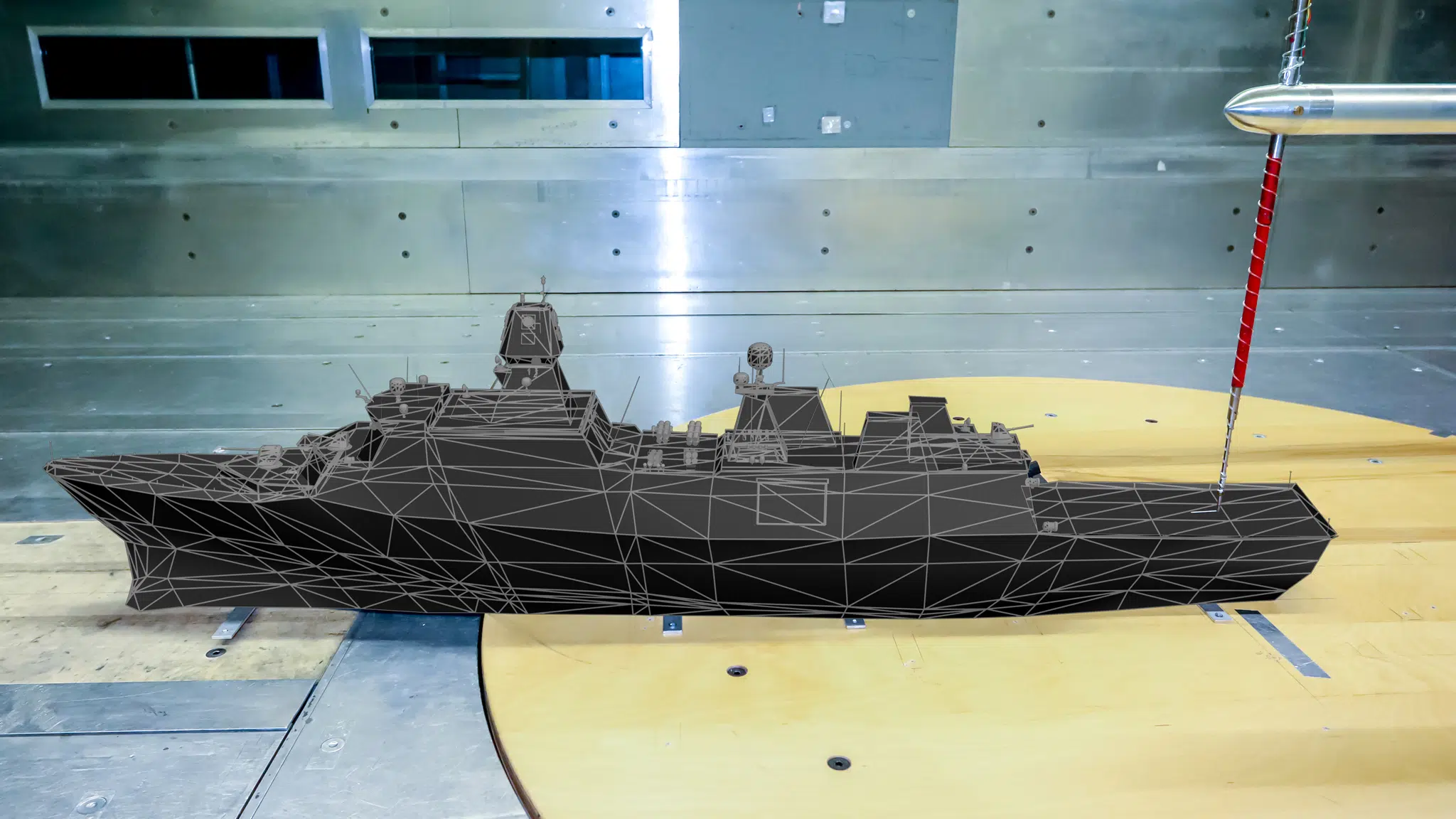
NLR can help optimise the aerodynamics of a ship's superstructure to reduce exhaust gas nuisance above the flight deck, ensuring a safer and more efficient operating environment. We can also support the integration of air operations early in the ship design phase, ensuring optimal operational capabilities on small vessels or frigates, while prioritising flight safety. Additionally, our expertise enables us to determine Ship-Helicopter Operational Limits (SHOL), providing valuable insights to maximise safety and performance.

Platform Technology

25 February 2025

Airborne wind energy

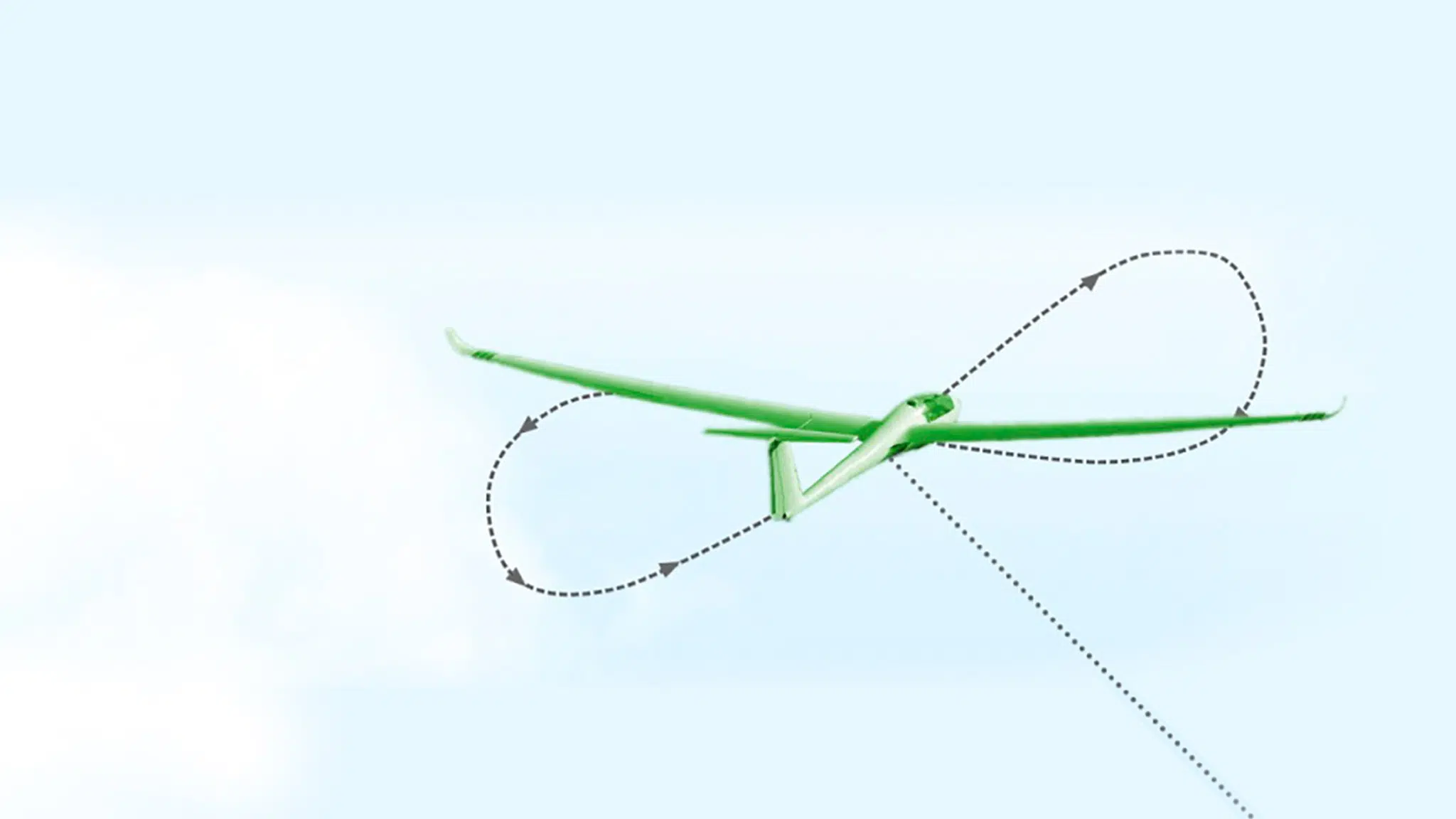
NLR can support the development of innovative Airborne Wind Energy (AWE) concepts through design and product development, as well as advanced analysis and optimisation of wind energy system behaviour. We also offer expertise in structural design of lightweight components, material selection for high-load long-endurance components, and evaluation of wind energy systems under off-design conditions. Additionally, we provide strength, endurance and quality testing of components for wind energy systems, helping to ensure the reliability and performance of your wind energy solutions.