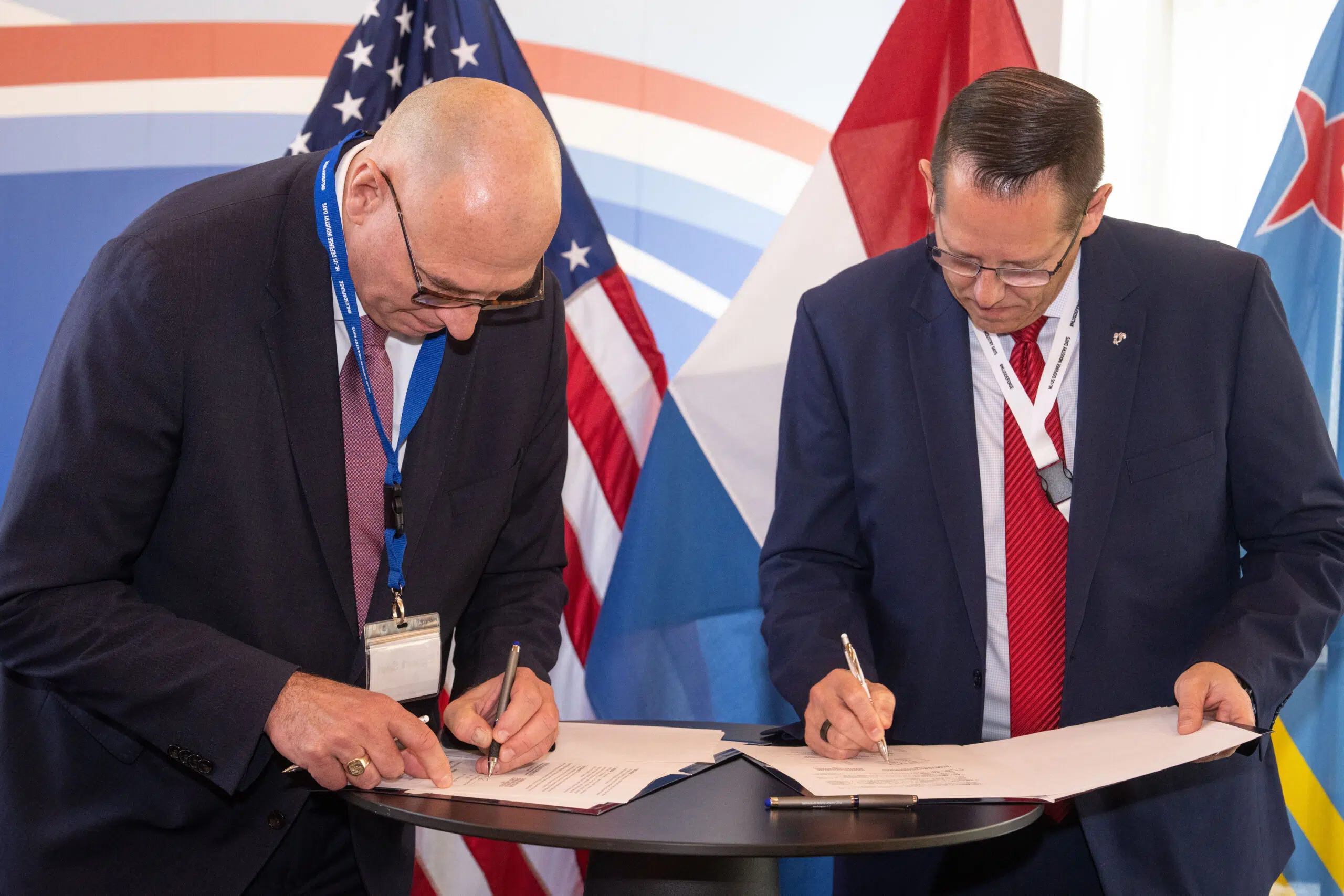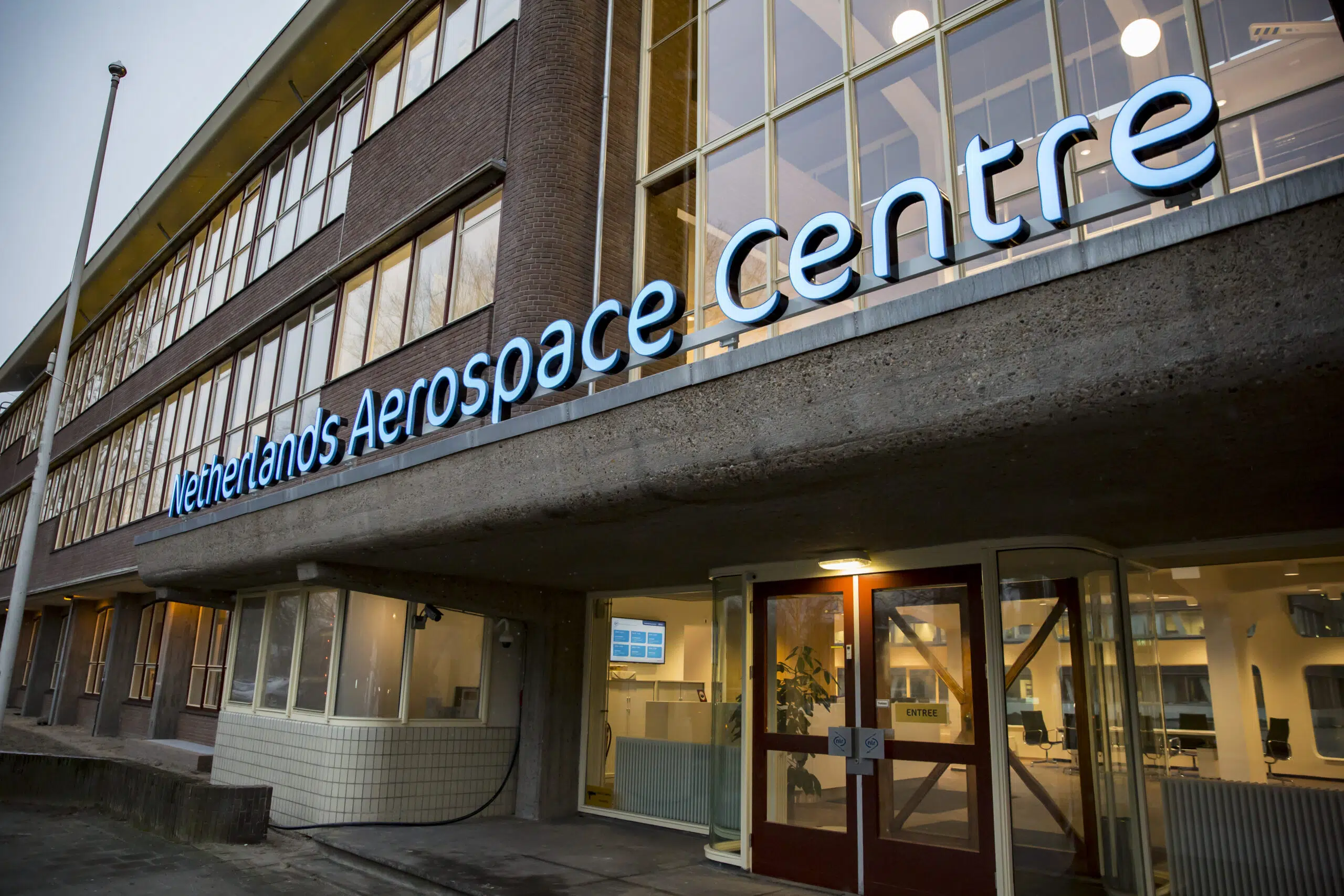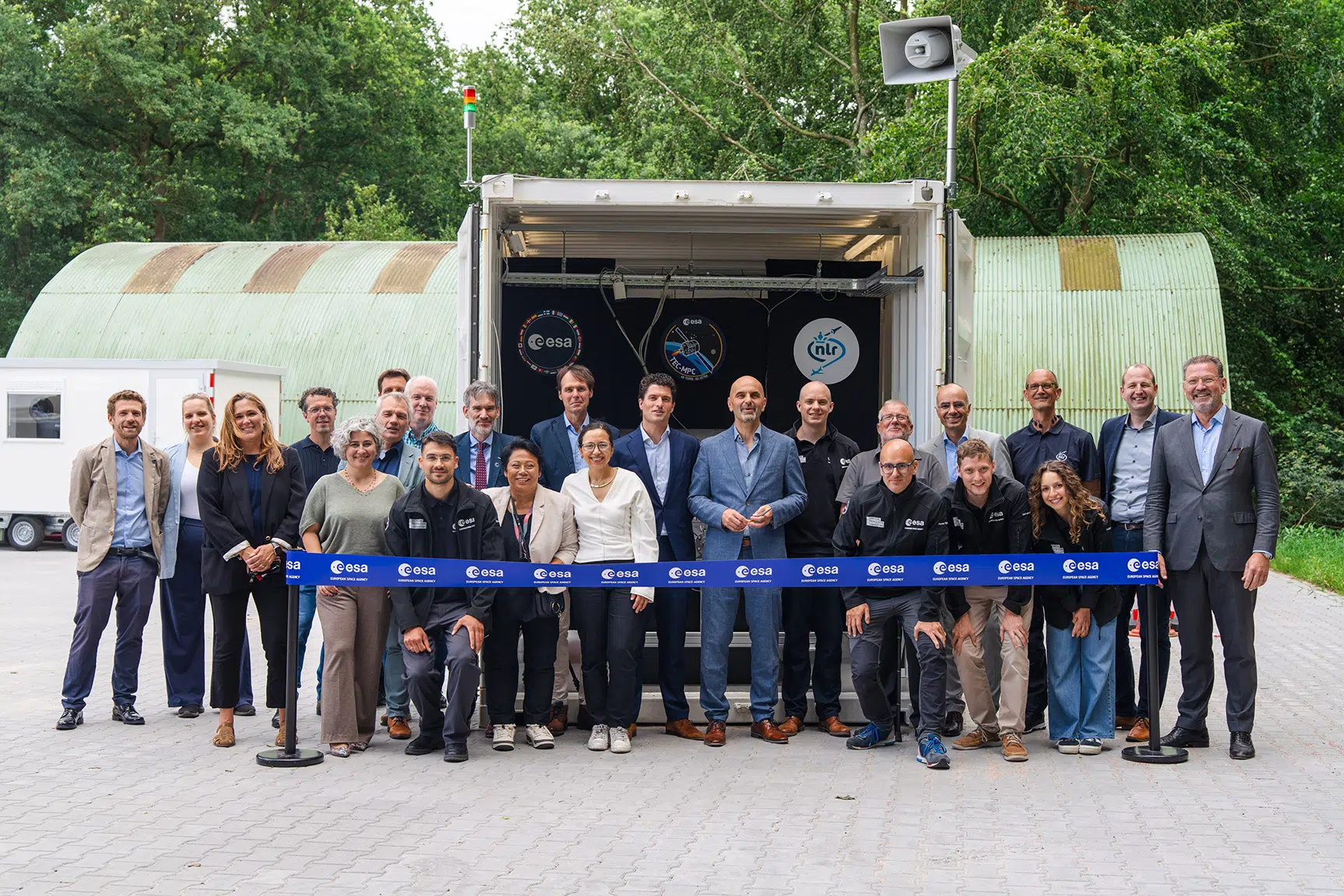
The German-Dutch Wind Tunnels (DNW) was established as a foundation in 1976, just two years after the first contacts between the two parent organisations, the Royal Netherlands Aerospace Centre (NLR) and its German counterpart, the DLR. Over the years, DNW has proven to be a model of successful European cooperation.
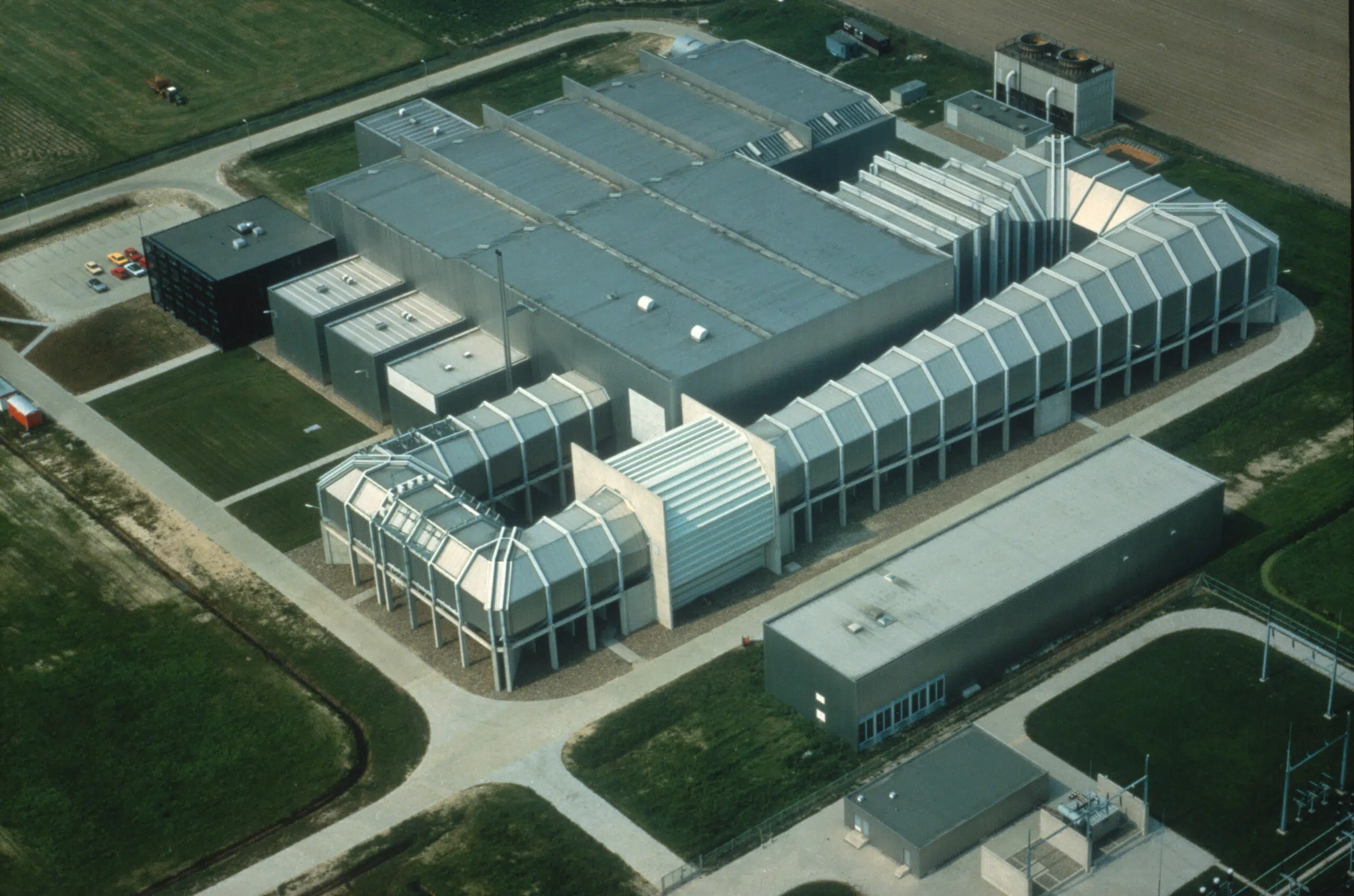
The main attraction in Marknesse, the Netherlands, is the LLF (Large Low-speed Facility), Europe’s largest wind tunnel, which was commissioned in 1981 as DNW’s first wind tunnel. The Large Low-speed Facility is still used extensively by the aviation industry today.
Foundation and development
DNW has been providing advanced experimental services to the aerospace and automotive industries for many years. Universities, research institutes and research consortia also turn to DNW. Following the construction and subsequent commissioning of the Large Low-speed Facility (LLF) in 1981, the foundation has grown and now operates several wind tunnels spread across four locations. The range extends from low speeds (Mach number 0.1) to supersonic speeds (Mach number 4, four times the speed of sound). The high-quality and efficient testing carried out at the DNW facilities has contributed to the commercial success of various programmes, including Airbus aircraft (A320, A330, A340, A380, A400M), the Embraer E-jet/E-jets E2 family, the Eurofighter and F-35 fighter aircraft (JSF), and the NH90 helicopter programmes.
More than aircraft
Although DNW is best known for aviation, it also tests cars and lorries, amongst other things. In 2024, DNW opened a unique Automotive Test Section (ATS); the world’s first facility capable of testing large vehicles in accordance with WLTP (Worldwide Harmonised Light Vehicles Test Procedure) regulations in a configurable wind tunnel. This facility won an international innovation award in 2025.
DNW currently has seven facilities, five of which are in the Netherlands (Marknesse and Amsterdam) and two in Germany.
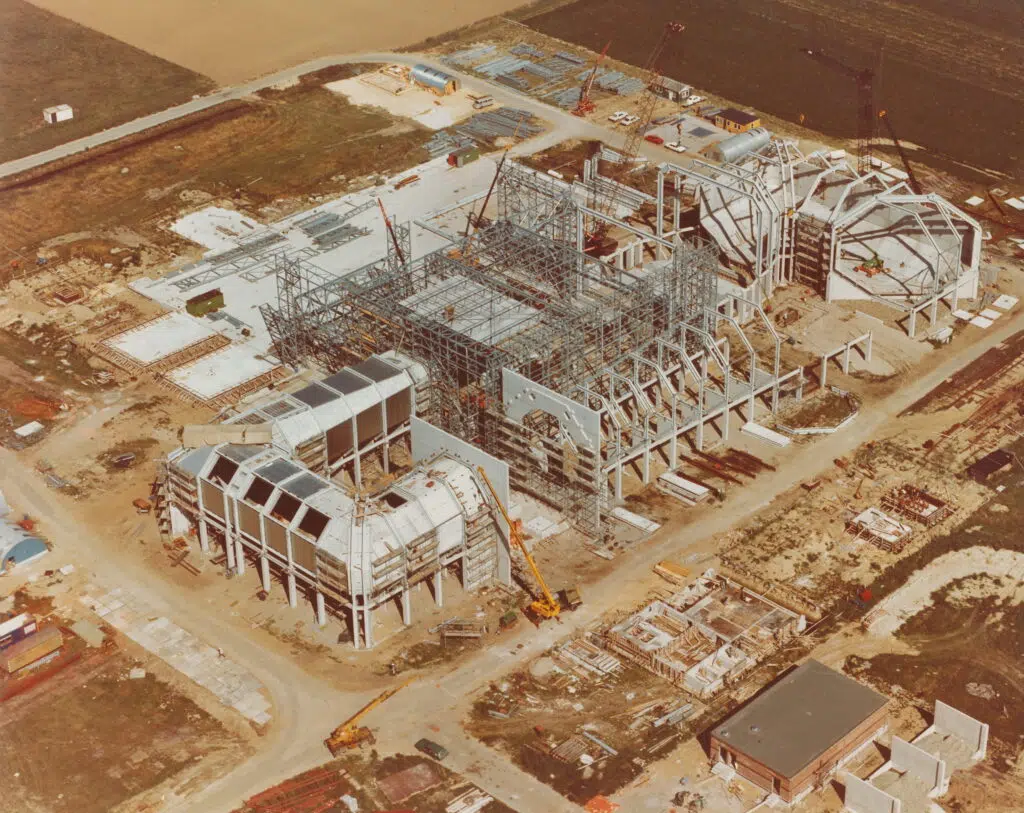
The building of DNW’s LLF Wind Tunnel.