Project: NXTGEN Hightech Factory 2030
Digitalising aircraft maintenance processes is crucial for the future of the aerospace industry. As part of the NXTGEN HighTech project HT Factory 2030, NLR collaborated with SPECTO Aerospace, a company specialised in advanced technological repairs, to develop a data-driven approach that utilises image recognition and smart algorithms to automatically record aircraft damage.
The challenge
Aircraft damage from hailstorms, bird collisions, lightning strikes, and minor incidents is common. However, the current inspection process is mostly manual and therefore labour-intensive. Experts inspect the surface, mark damaged areas, and create a repair plan, which is then used to prepare a quote for estimated repair costs. Digitalisation of this process will enable the aviation maintenance industry to save time and money, and make recurring issues more apparent.
The solution
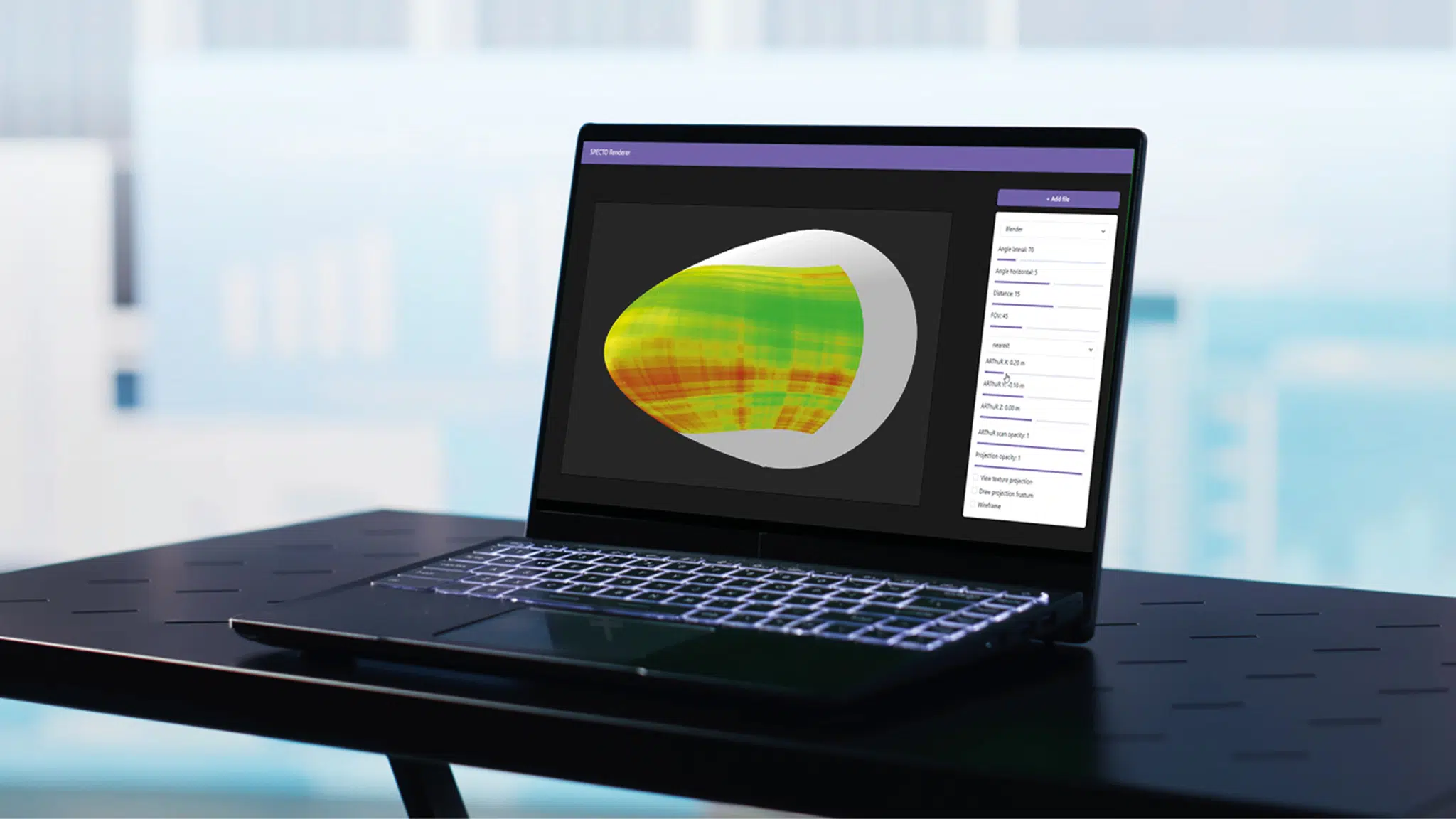
Digital technologies were used to create a 3D representation of the damage inspection process. By using cameras and smart algorithms, images of damaged aircraft components can be captured and analysed to automatically assess the extent of the damage. This information is then presented in a web portal, allowing customers to view details, such as repair data, maintenance data, material consumption, and work hours.
What we did
NLR worked with SPECTO Aerospace to explore various techniques for digitalising their repair processes efficiently and effectively. The team developed conceptual ideas, including automatic damage detection, and tested the feasibility of creating 3D models of damaged aircraft components using standard smartphones. The project demonstrated that these applications are technically feasible, and SPECTO has begun integrating the new techniques and methods into its repair processes.
Project partners:
Royal NLR, SPECTO Aerospace
Project timeline:
2022 – 2025

This project has received funding from the National Growth Fund programme NXTGEN HIGHTECH.
The text reflects only the author’s view. The granting authorities are not responsible for any usage of the information it contains.