Sustainability and Environment

Sustainability and Environment

04 June 2026

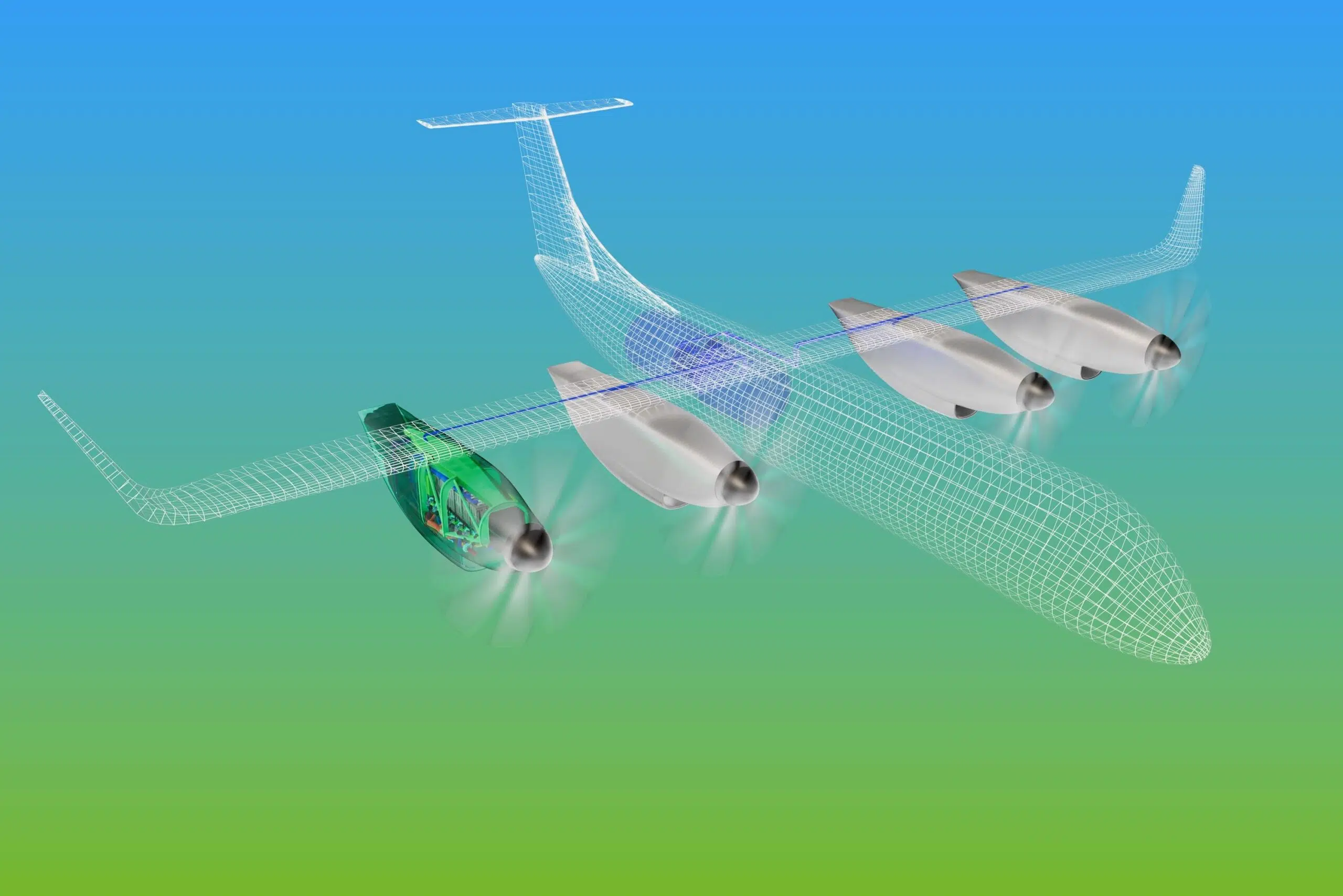
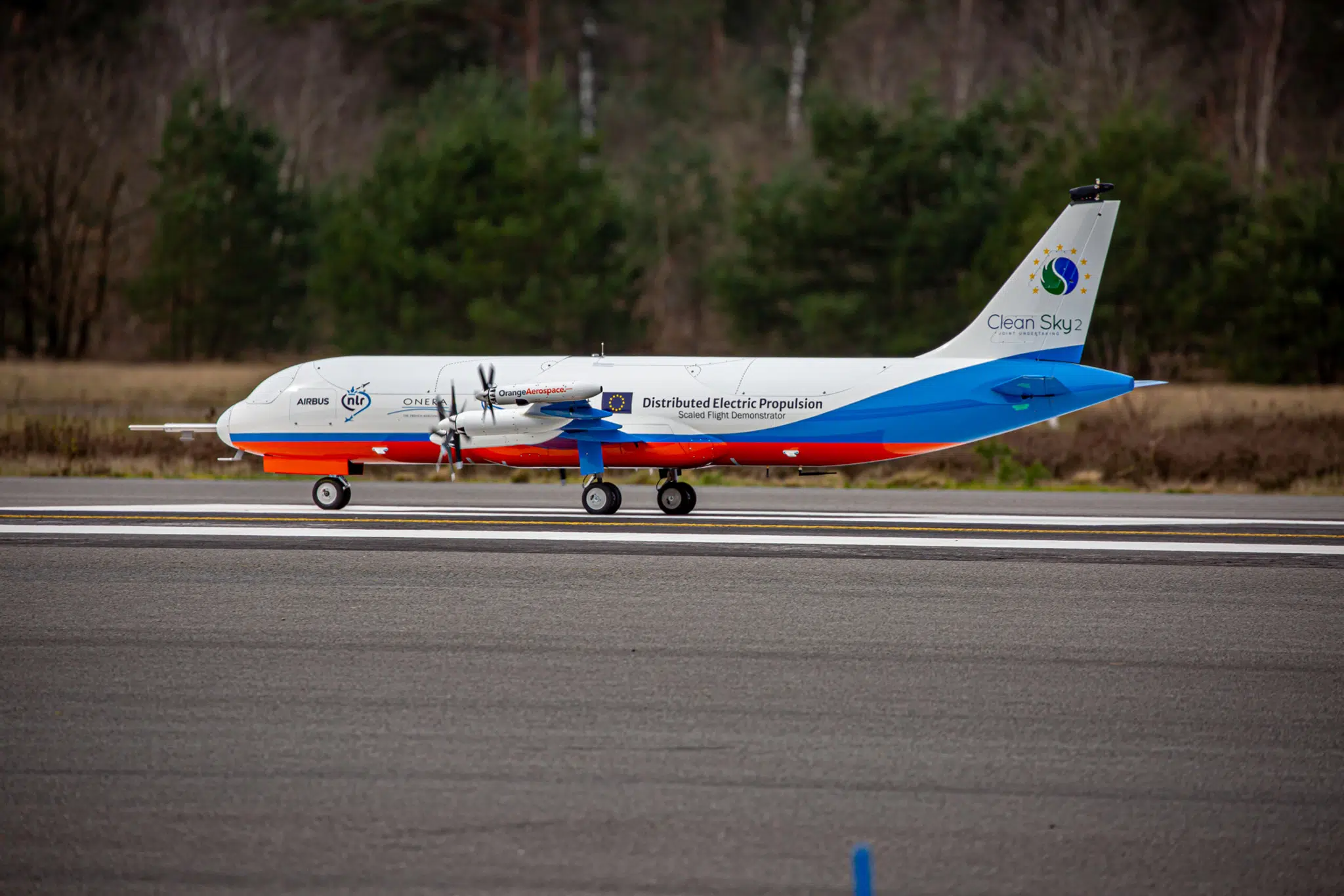
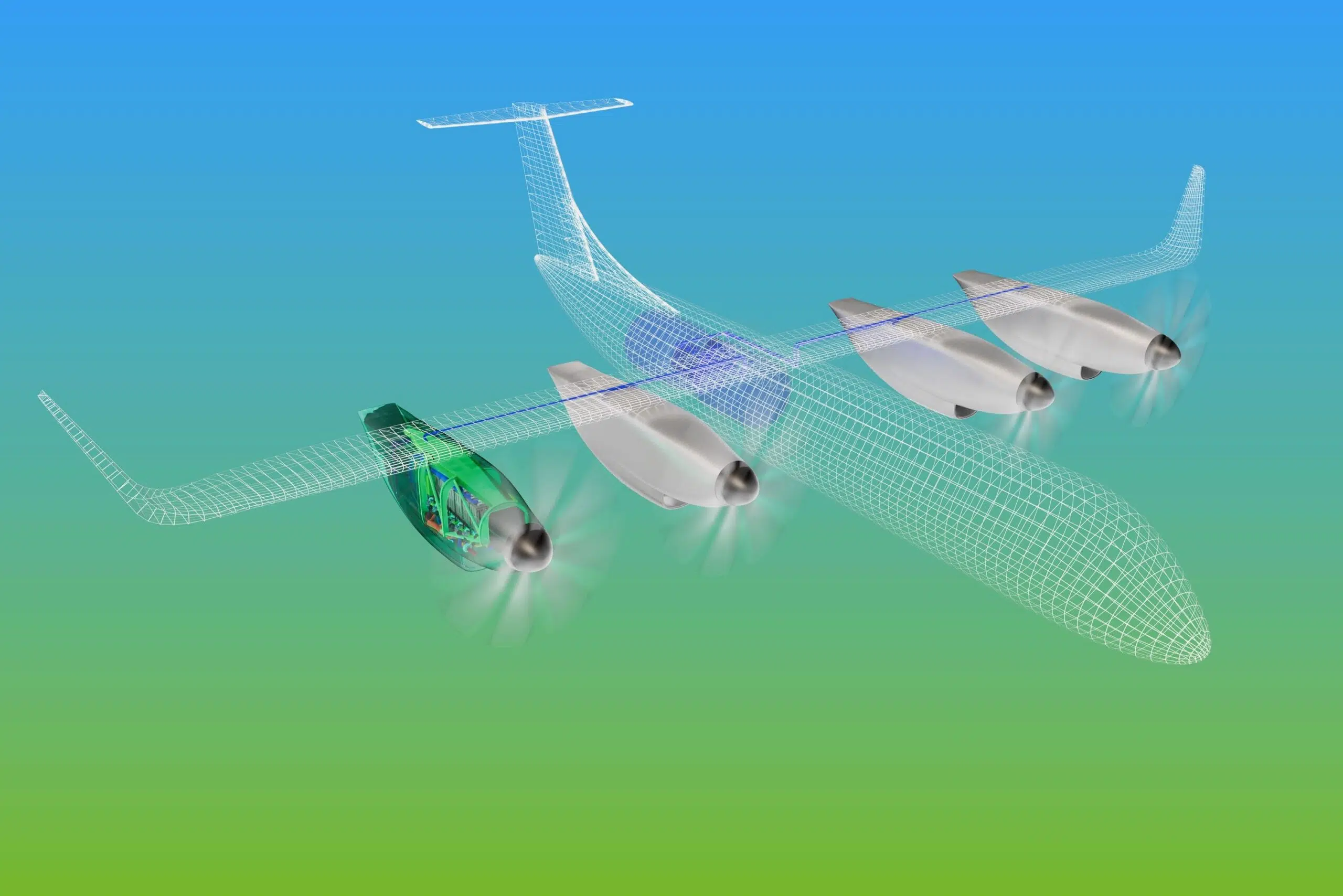
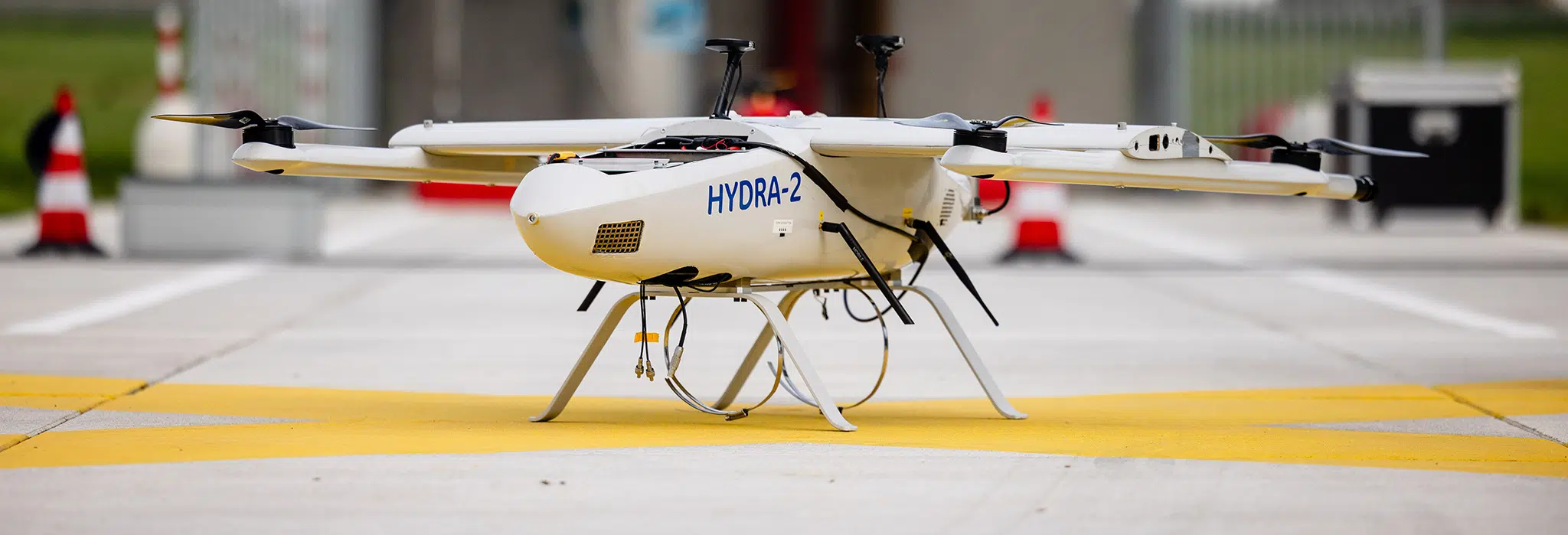
Booklet: R&D More electric and hydrogen-electric powered aerospace

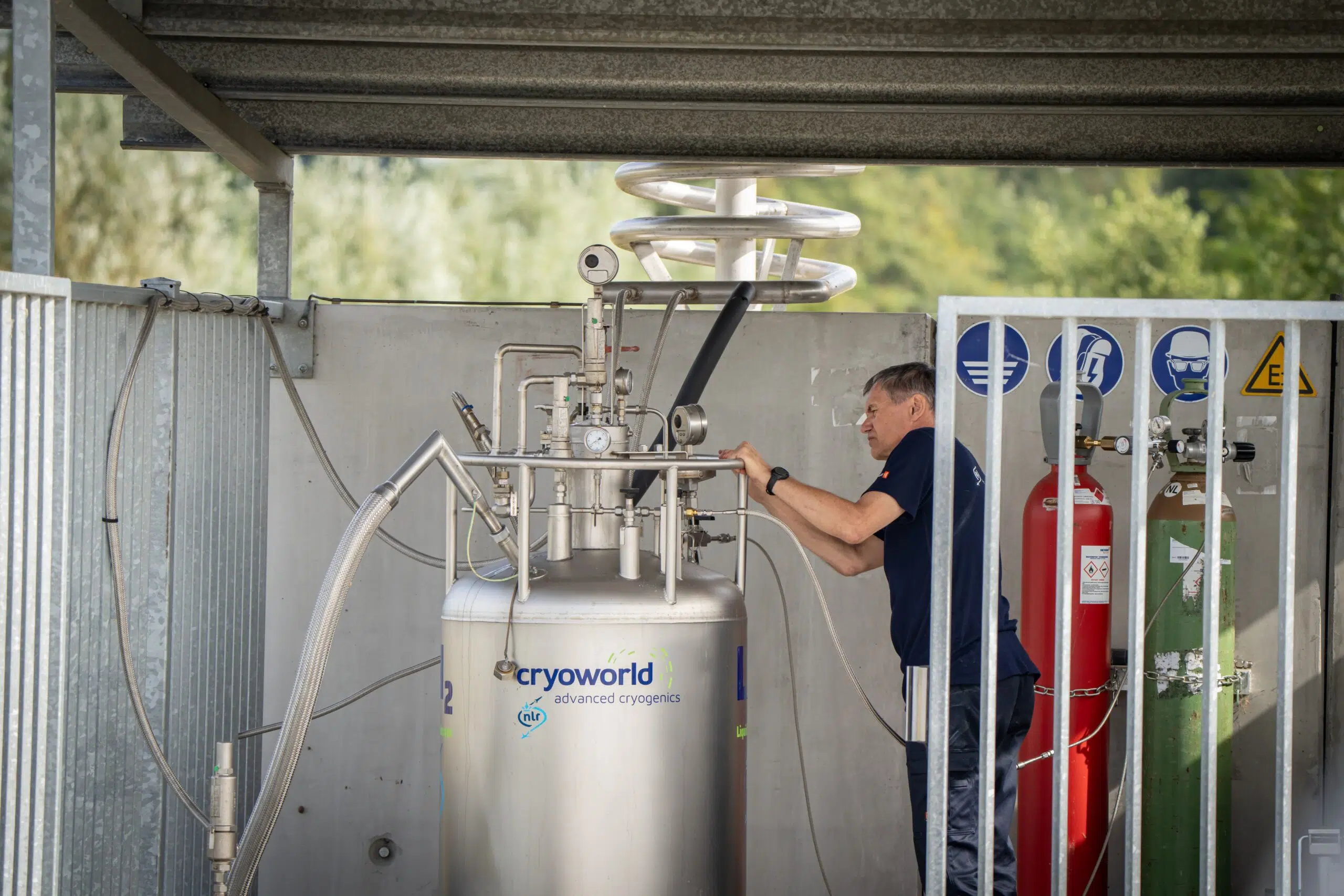
Hydrogen as a fuel is considered to be an important route towards future sustainable aviation. For aviation
applications, hydrogen presents several key advantages: it allows for the elimination of carbon emissions in
flight and along the entire life cycle. Its usage in fuel cells allows eliminating NOx and particles. When burnt
in a turbine engine, very low particle emissions can be expected, as well as reduced NOx emissions, provided that the combustion system is optimised. However, water vapour emissions need to be carefully managed.
Sustainability and Environment

03 June 2026

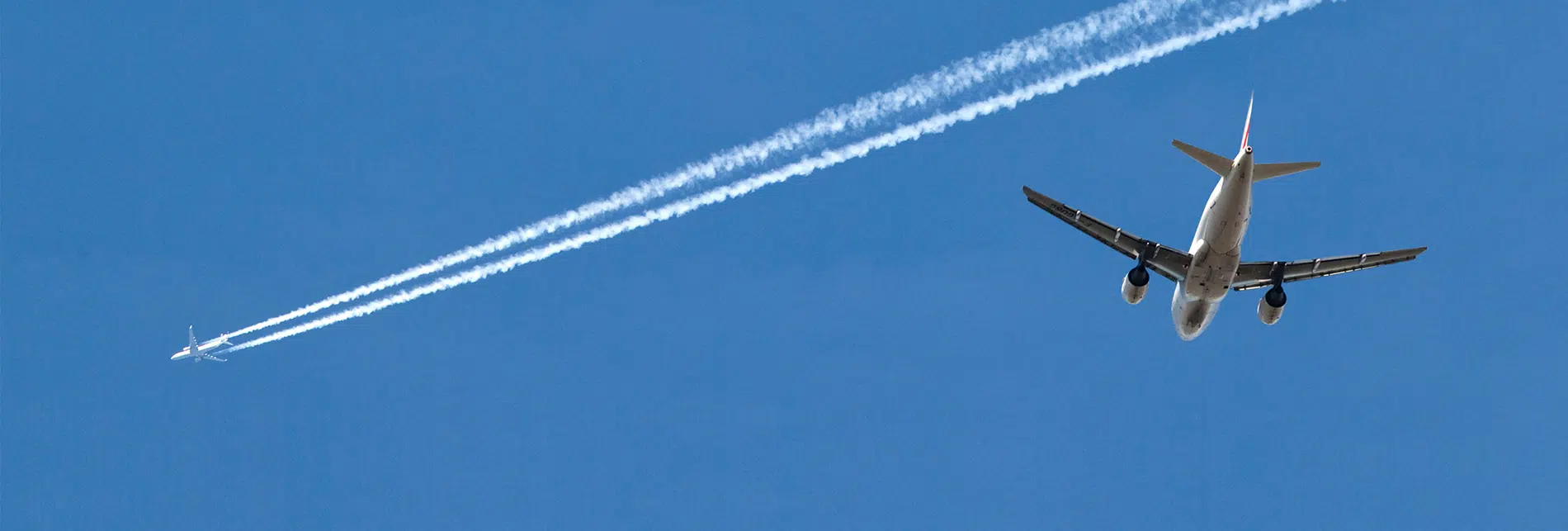
NLR and TU Delft link simulation models in new lab focused on climate-neutral aviation

How do you make an entire aviation system more sustainable, rather than just a single flight or a single aircraft? That is what Royal NLR – Netherlands Aerospace Centre – and TU Delft are investigating in the newly established Dutch Aviation Systems Analysis Lab. Last week, the organisations demonstrated connecting their simulation models for the first time. An important step towards being able to find the answers to tomorrow’s questions.

Sustainability and Environment

04 March 2026

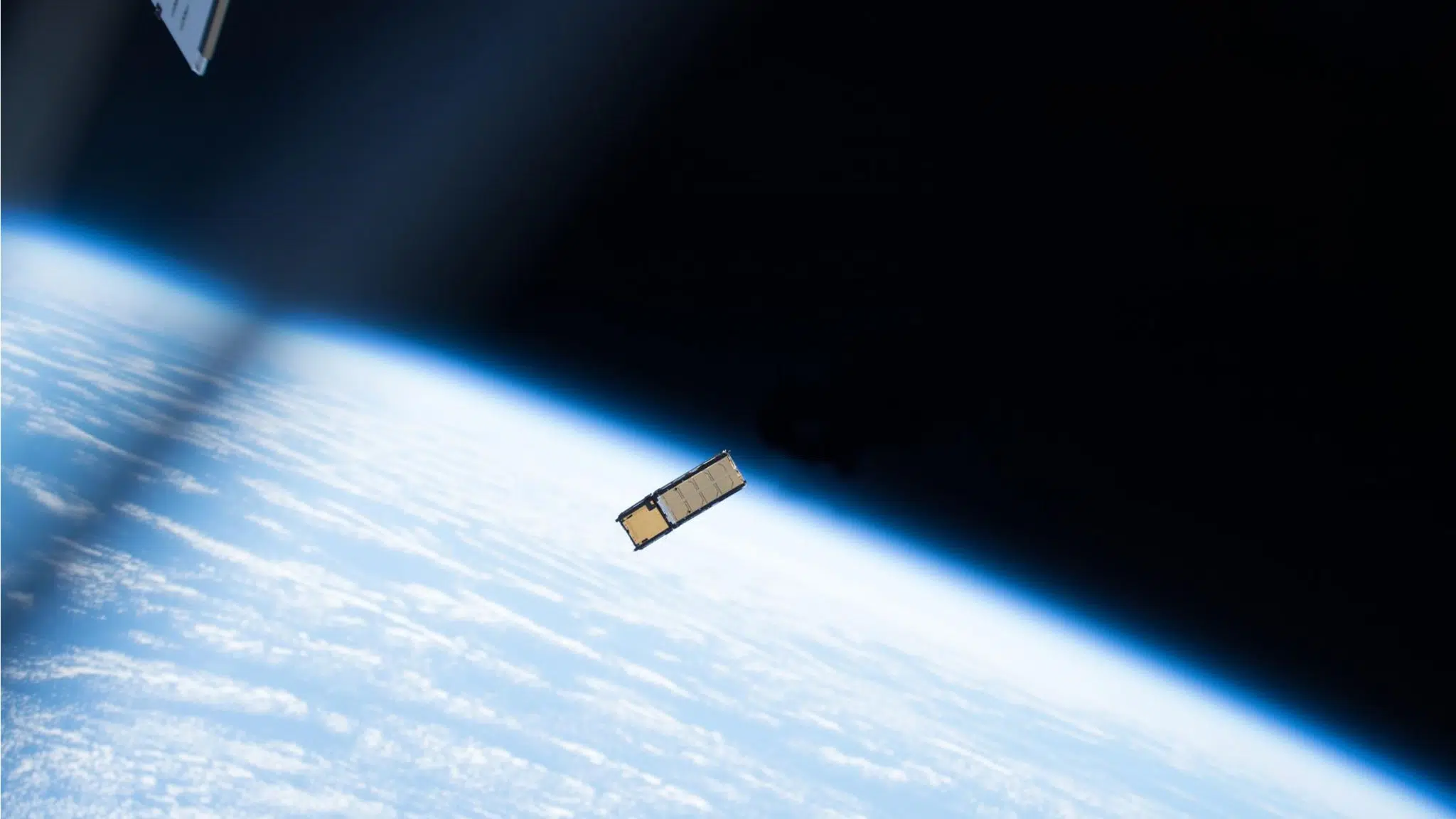
Clearing the skies: why space debris demands action now

As the number of satellites in orbit grows, so does the challenge of keeping space safe and sustainable. What was once a vast and largely empty domain is rapidly becoming congested with hazardous debris. Without coordinated action, the very infrastructure that underpins modern society is at risk. The growing debris problem requires collective efforts — including the Zero Debris Charter — aimed at securing the future of space.

Sustainability and Environment

16 February 2026

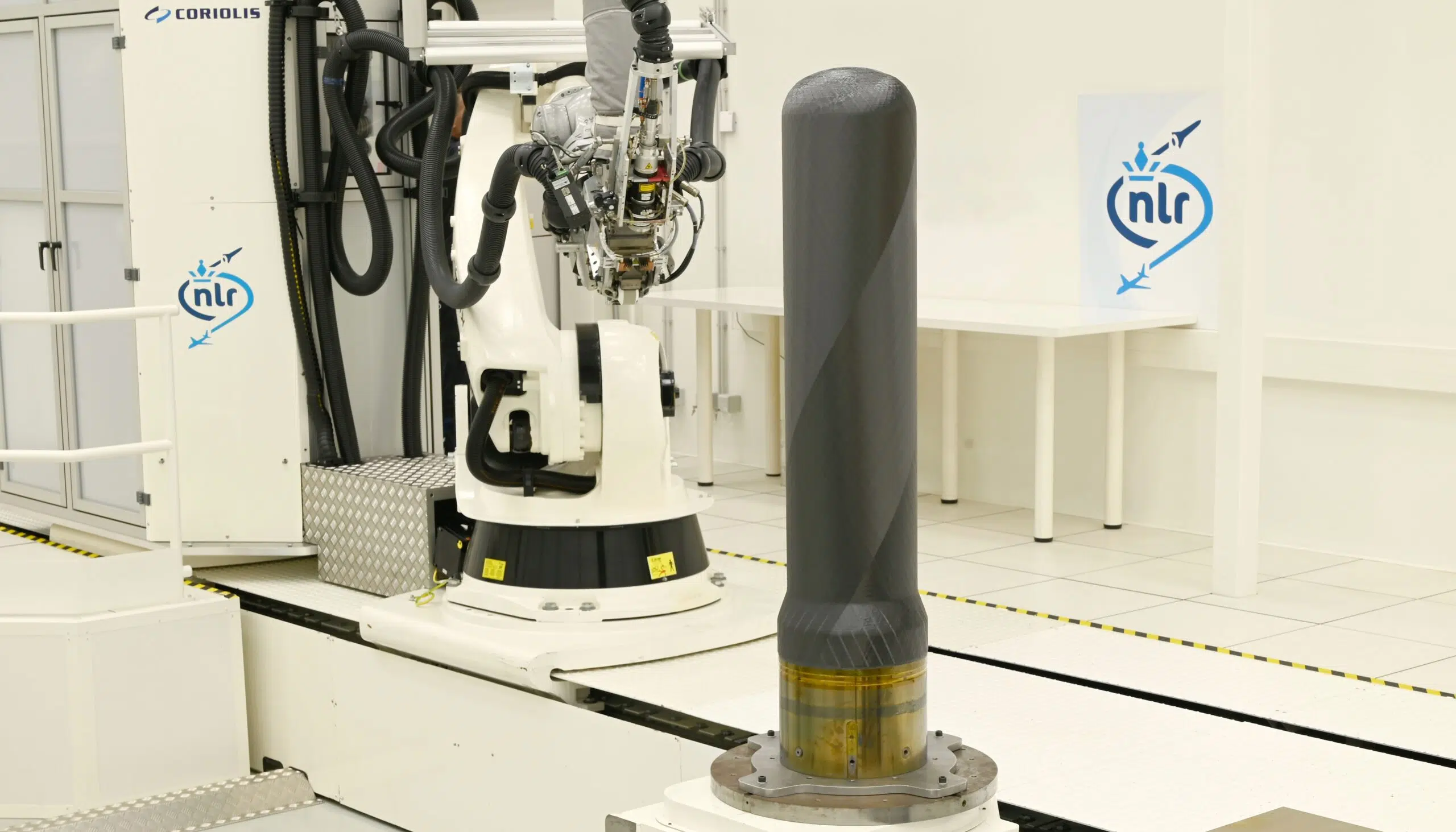
R&D case: Liquid hydrogen composite tanks for civil aviation

Hydrogen has been identified as a key priority to achieve the European Green Deal for a sustainable economy. By converting the construction of the hydrogen tank from existing metallic solutions to composites, the liquid hydrogen (LH2) composite tank will achieve weight savings that enable the advancement of liquid hydrogen as a sustainable fuel source for civil aviation. This will lower the carbon footprint of air travel and extend the flight range of aircraft by reducing construction weight and cost.

18 November 2025

NLR People: Kylie Knepper, Right at the forefront of innovations in aviation

In the series ‘NLR People’, we show you who the experts at the Royal Netherlands Aerospace Centre are, what drives them, and what they are working on behind the scenes. In this episode: Kylie Knepper, R&D Engineer Aeroacoustics at the Vertical Flight and Aeroacoustics department.