
Training and Simulation
24 August 2022
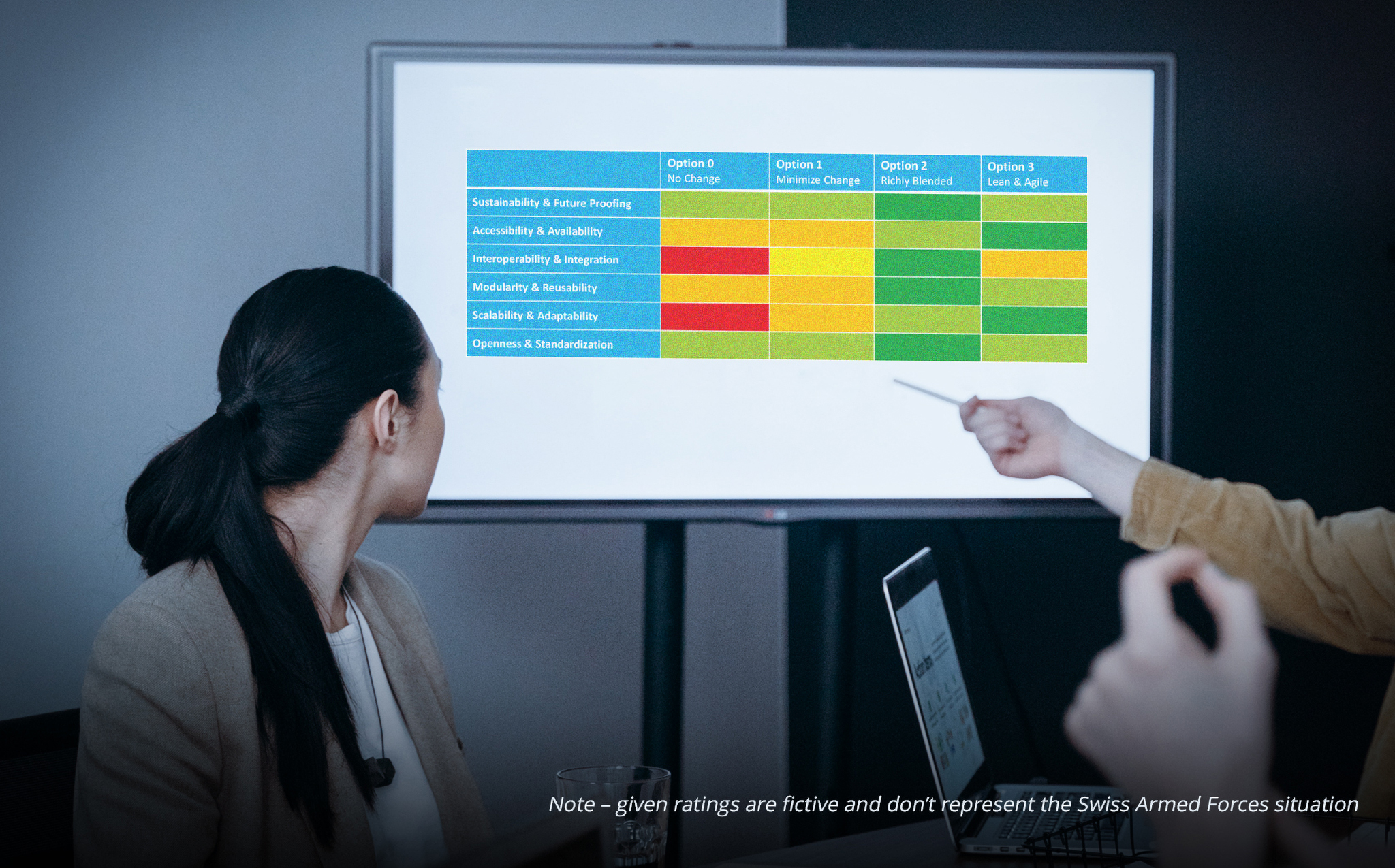
R&D case: Swiss Armed Forces simulator portfolio rationalisation
Formulation of training and simulation vision including a roadmap for implementation
24 August 2022
Formulation of training and simulation vision including a roadmap for implementation
14 June 2022
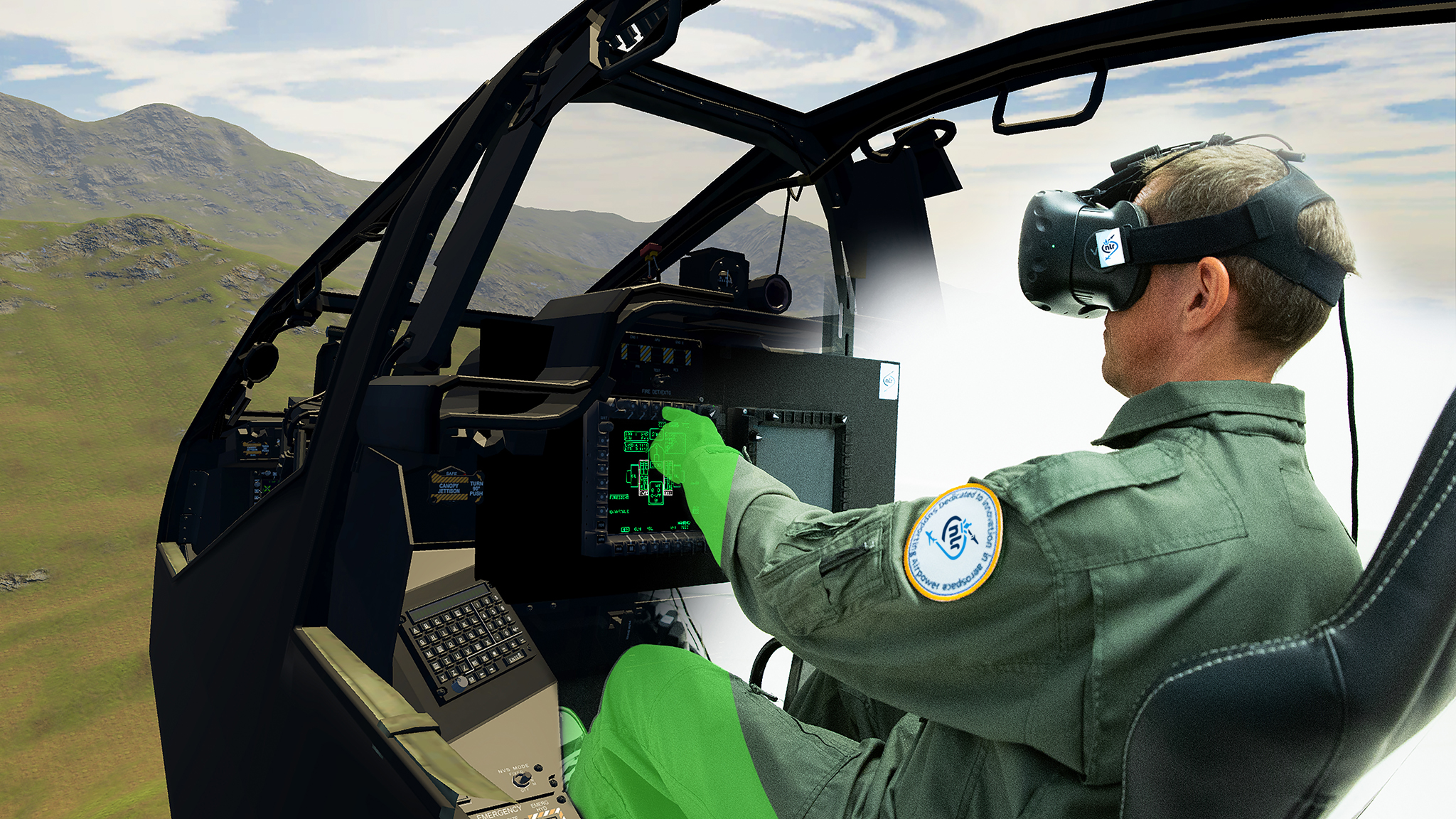
Training devices that fit your training needs often require large investments and are usually type -specific. There are currently no training devices that allow highly realistic interaction between the pilot and cockpit instruments, without the disadvantages associated with expensive high-end devices. The Virtual Cockpit bridges this gap by providing the technology to do just that: low-cost and high-fidelity training technology.
11 April 2022
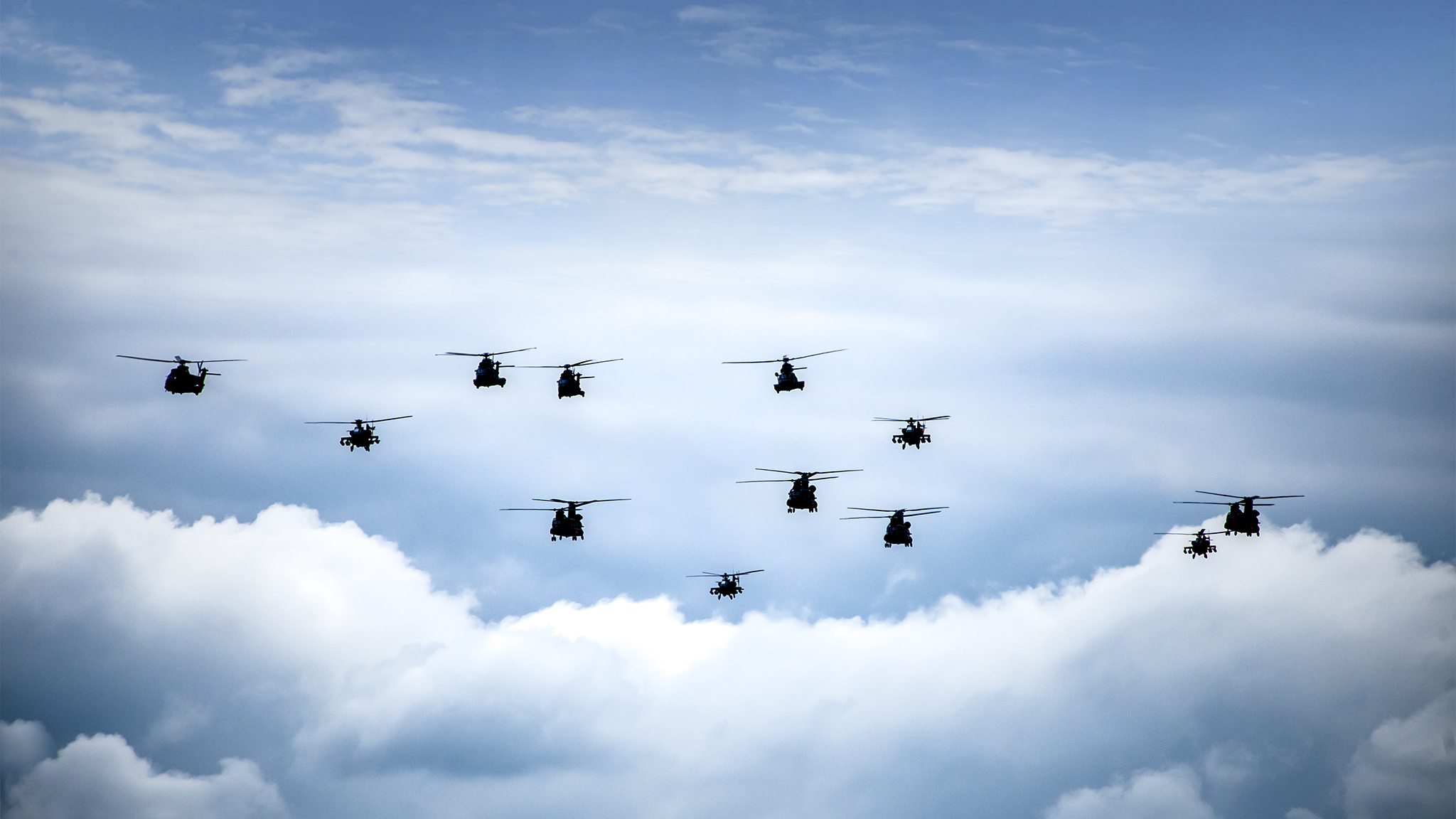
Acquisition and Deployment Support.
05 April 2022
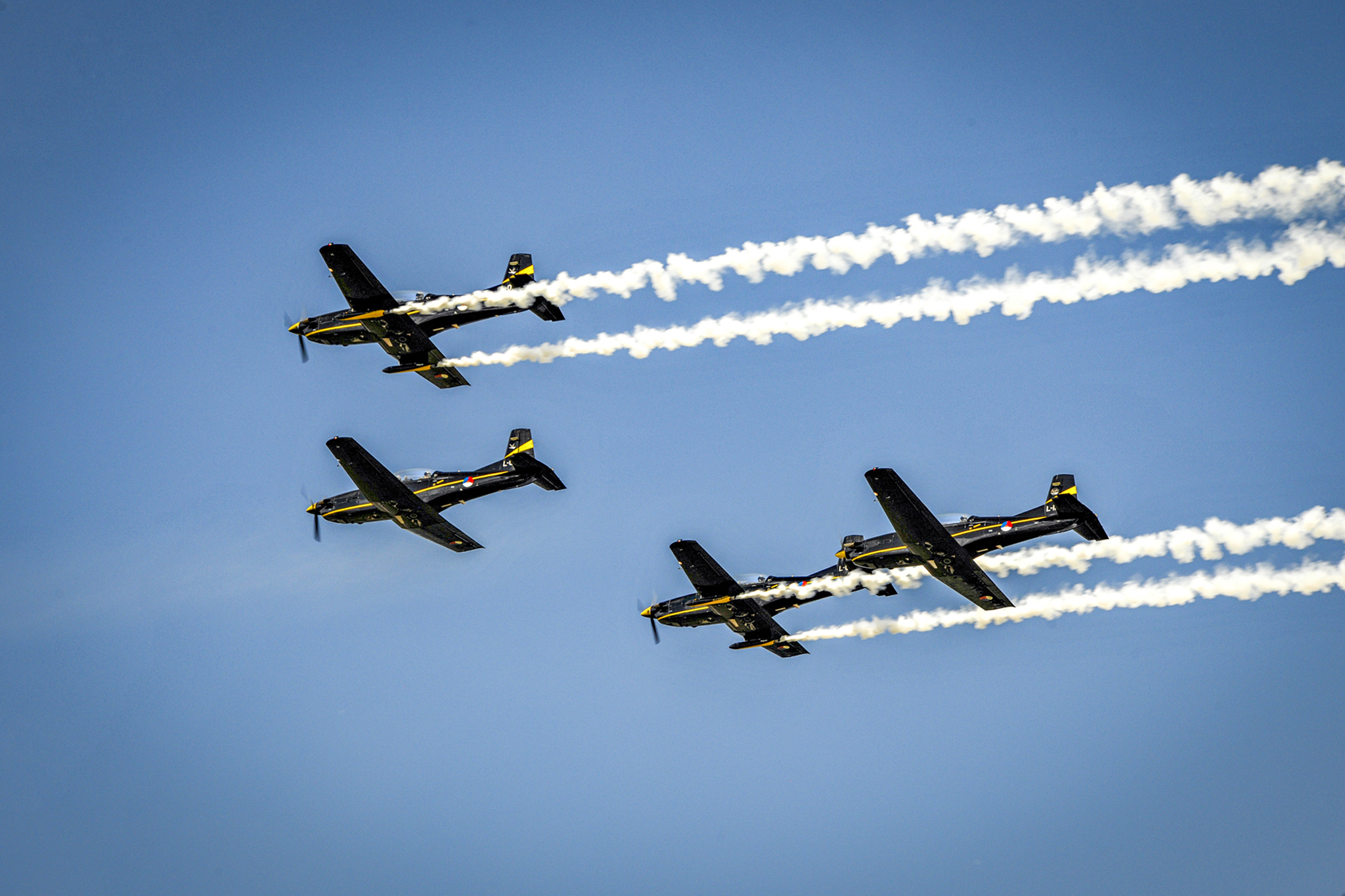
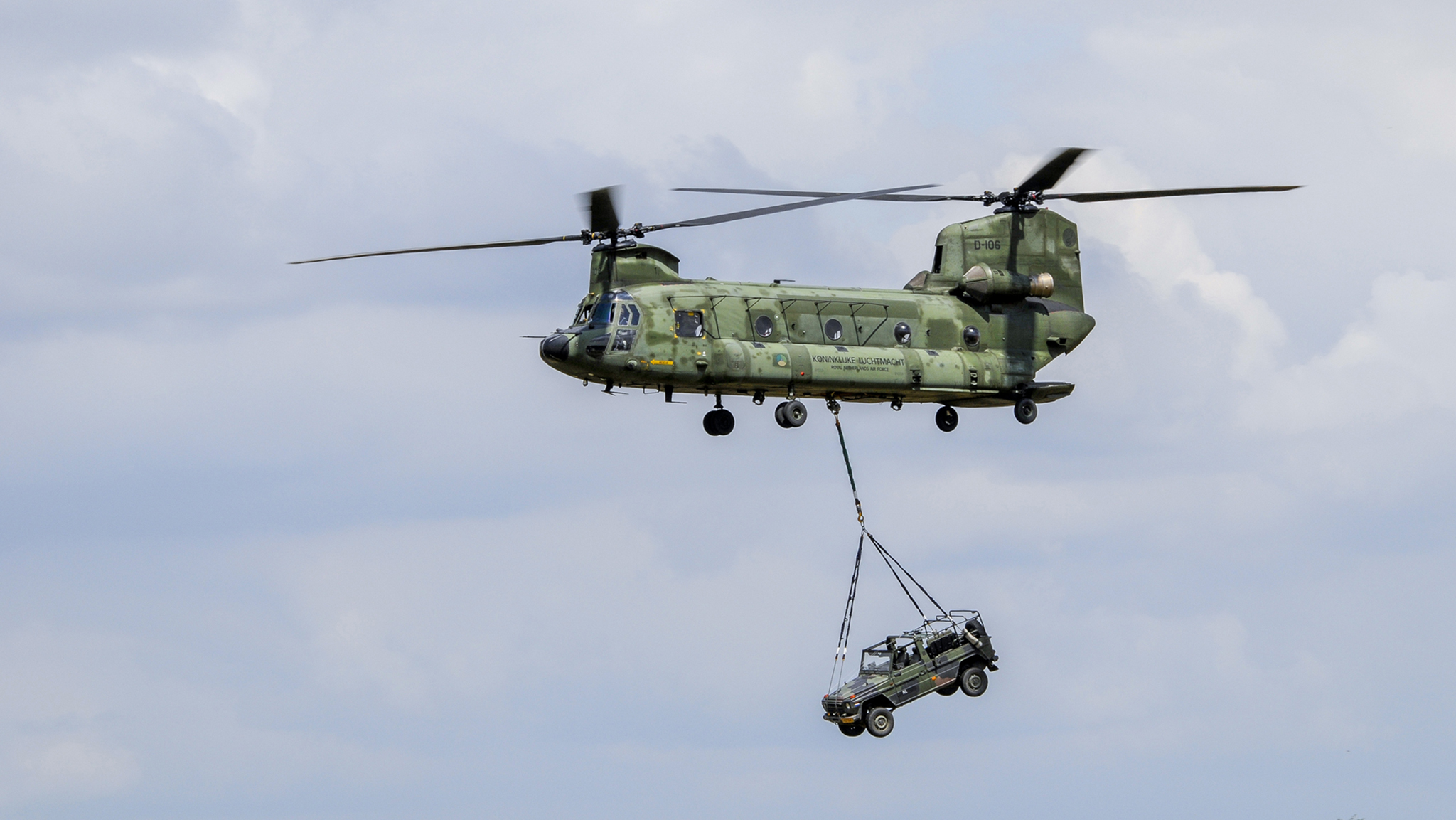
The PC-7 training aircraft of the Royal Netherlands Air Force (RNLAF) needs to be replaced. A Training Needs Analysis (TNA) and Training Media Analysis (TMA) were therefore done, aiming to provide a solution for the replacement of the entire initial training capacity. This training capacity needs to be flexible and scalable to meet the changing training needs in the future. As a result, the following questions should be answered clearly:
12 January 2022
A common, modernised approach for platform qualification training
14 December 2021
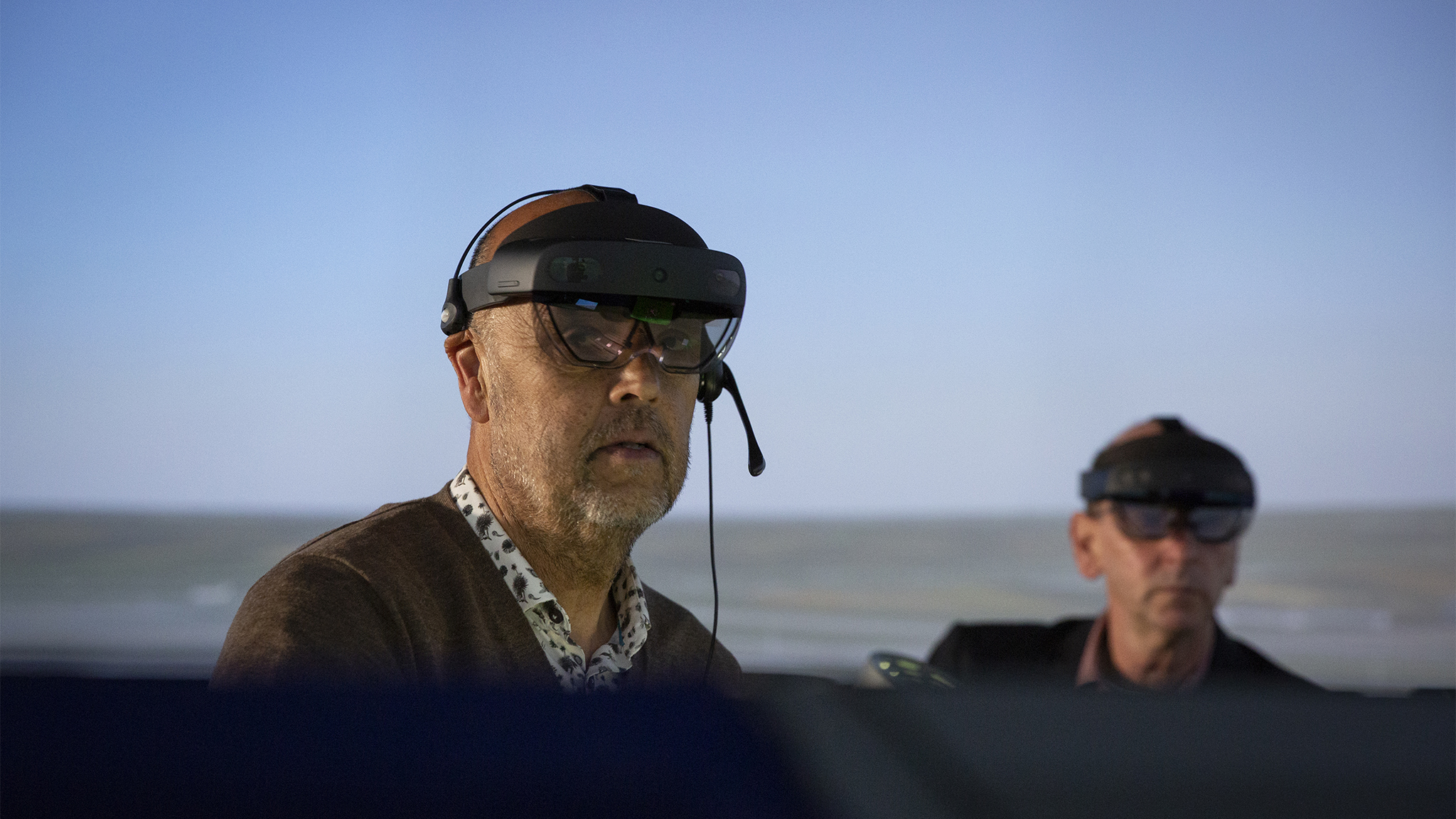
In recent years, Augmented Reality has become one of the major focus points of user interface development. With a rapid increase in computing power and developments in software and hardware applications, it has moved from theoretical approaches towards industry-wide application and mass production.
27 June 2019
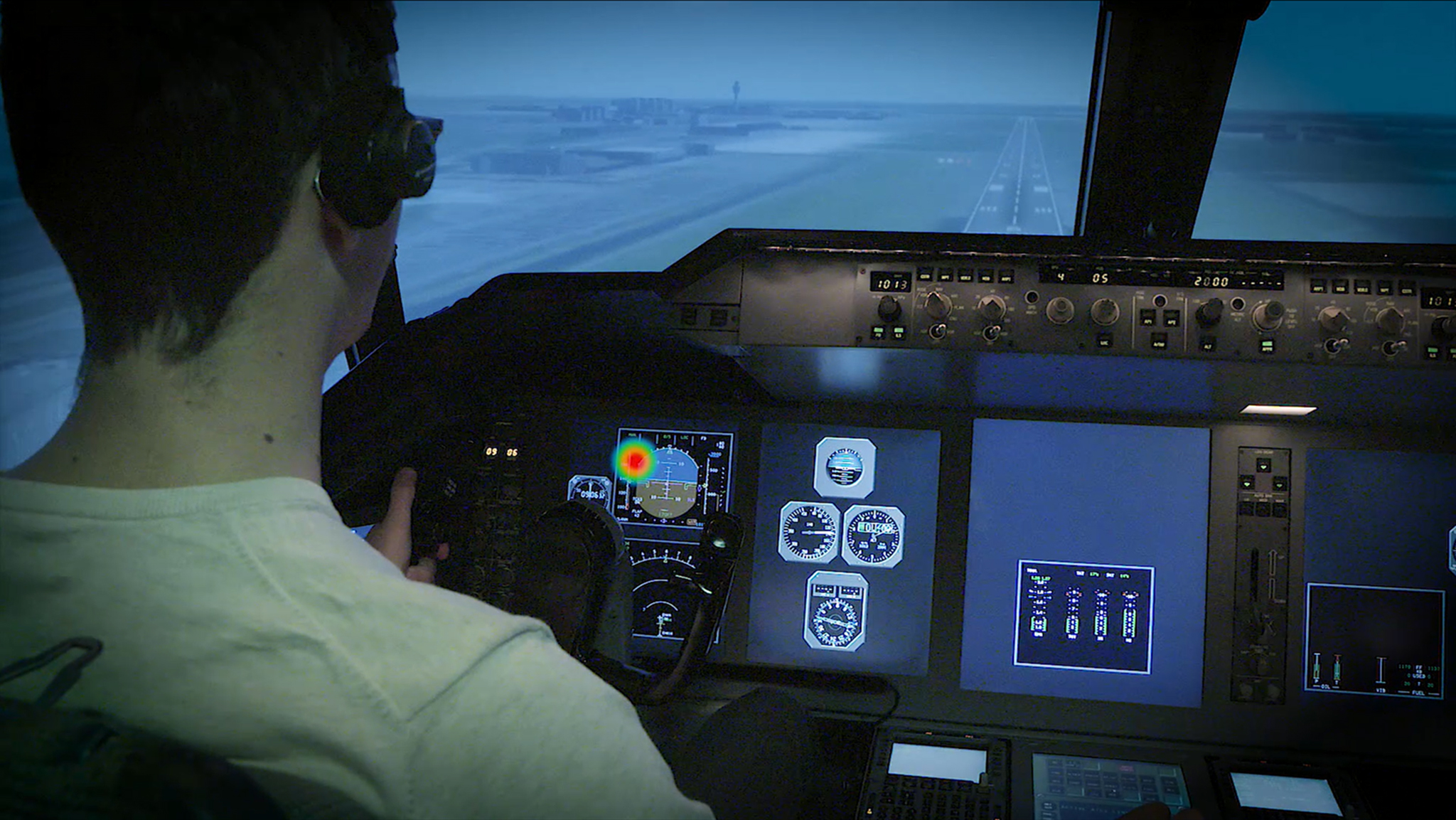
Do you remember the first time you were driving on the highway and had to pass a slow-driving truck? You probably didn’t master the skill of driving very well yet, which made you a bit anxious and extra alert on the specific procedures, such as checking your mirrors to see if the left lane is clear. Meanwhile, the instructor wanted you to move your head exaggeratedly, in order to know if you did or did not check these mirrors.
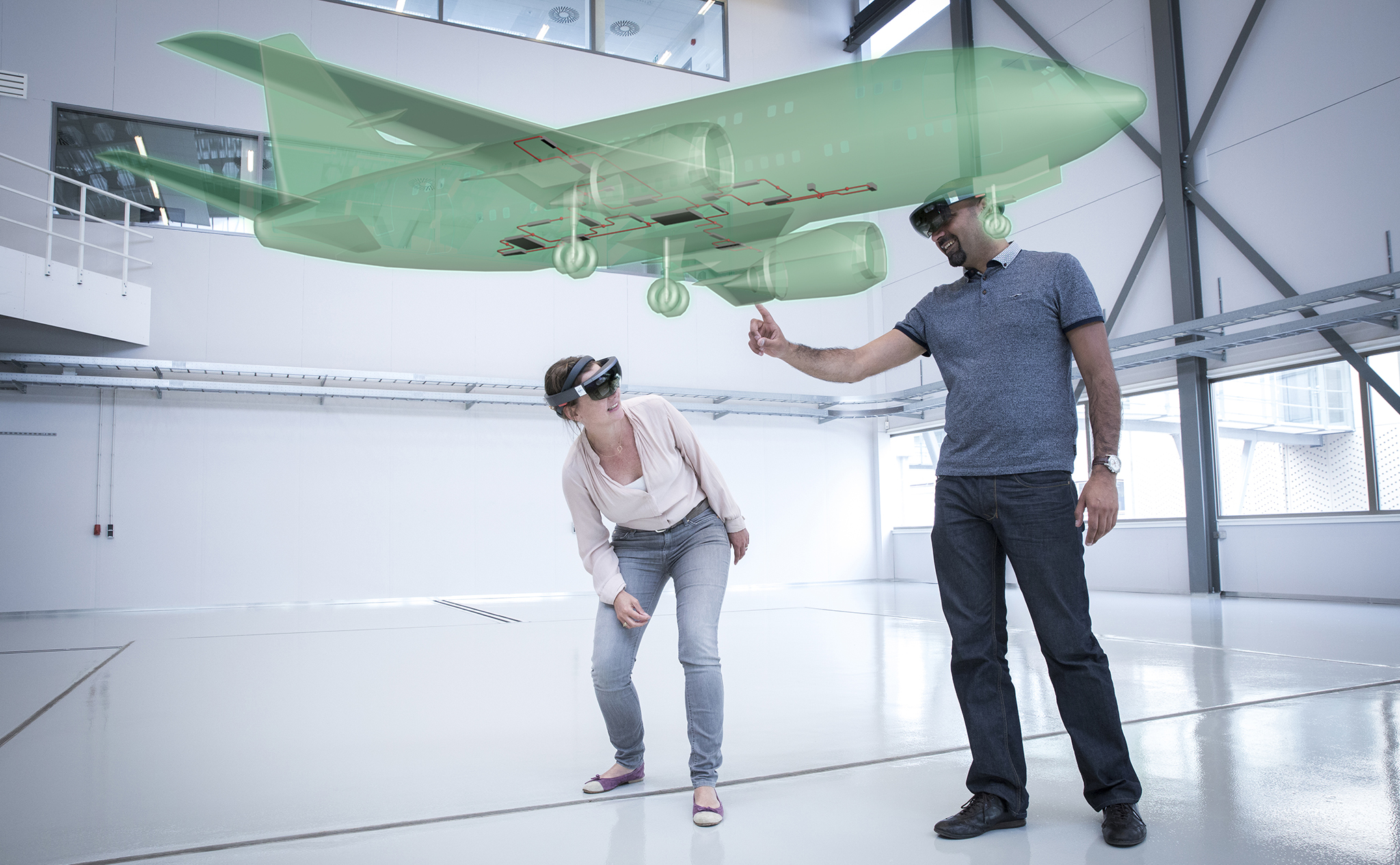
20 June 2019
19 June 2019, Amsterdam – KLM Engineering & Maintenance and Royal Netherlands Aerospace Centre (NLR) have launched a joint venture, NUVEON, for the development of new Augmented Reality (AR) products for MRO (maintenance, repair & overhaul). NUVEON will integrate AR throughout the MRO chain to improve everyday performance in maintenance. The new partnership was signed at the Paris Airshow by Olaf Hoftijzer, Director Training E&M KLM, and Marja Eijkman, Division Manager Aerospace Operations, Royal NLR.