29 May 2026
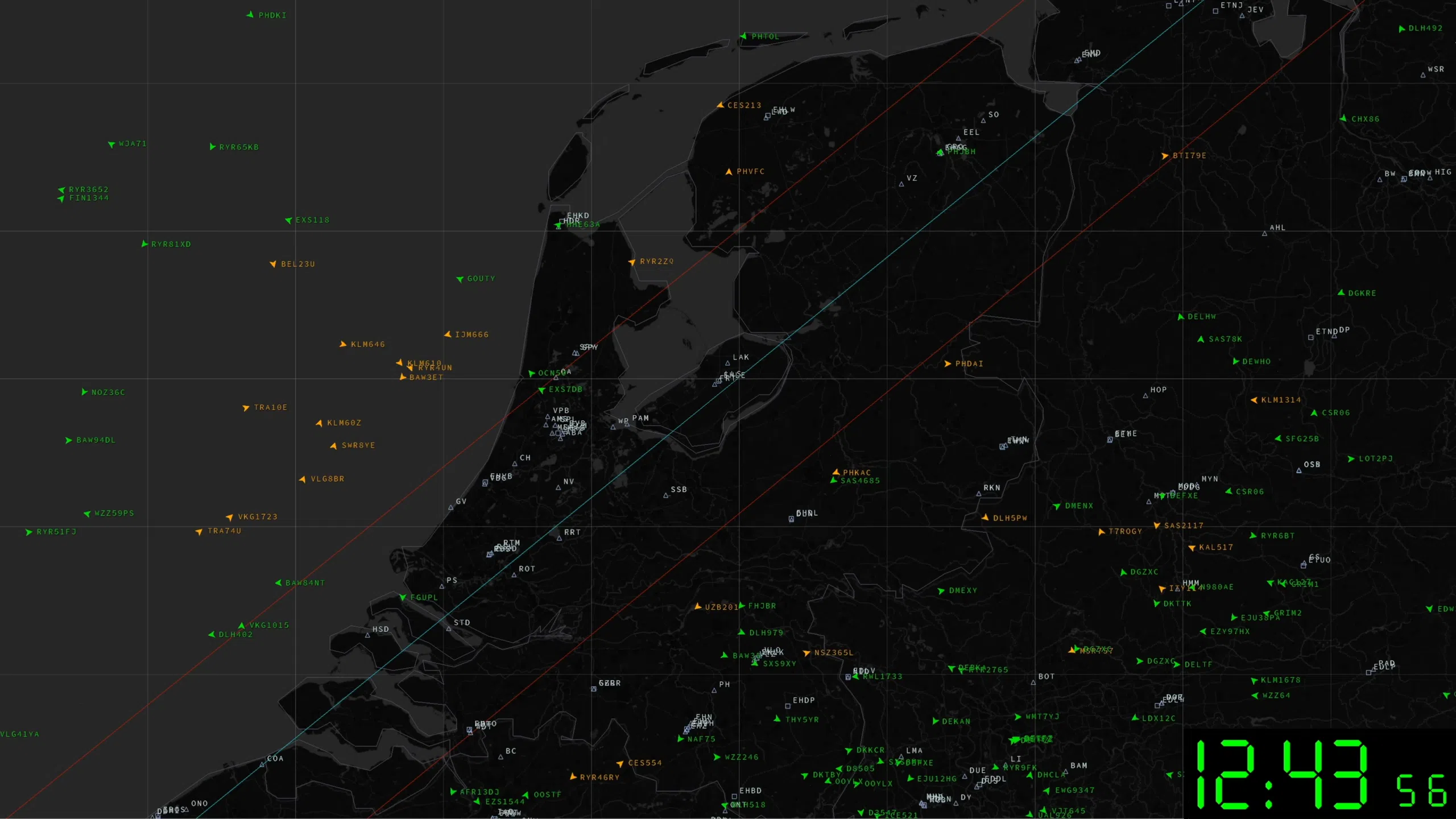
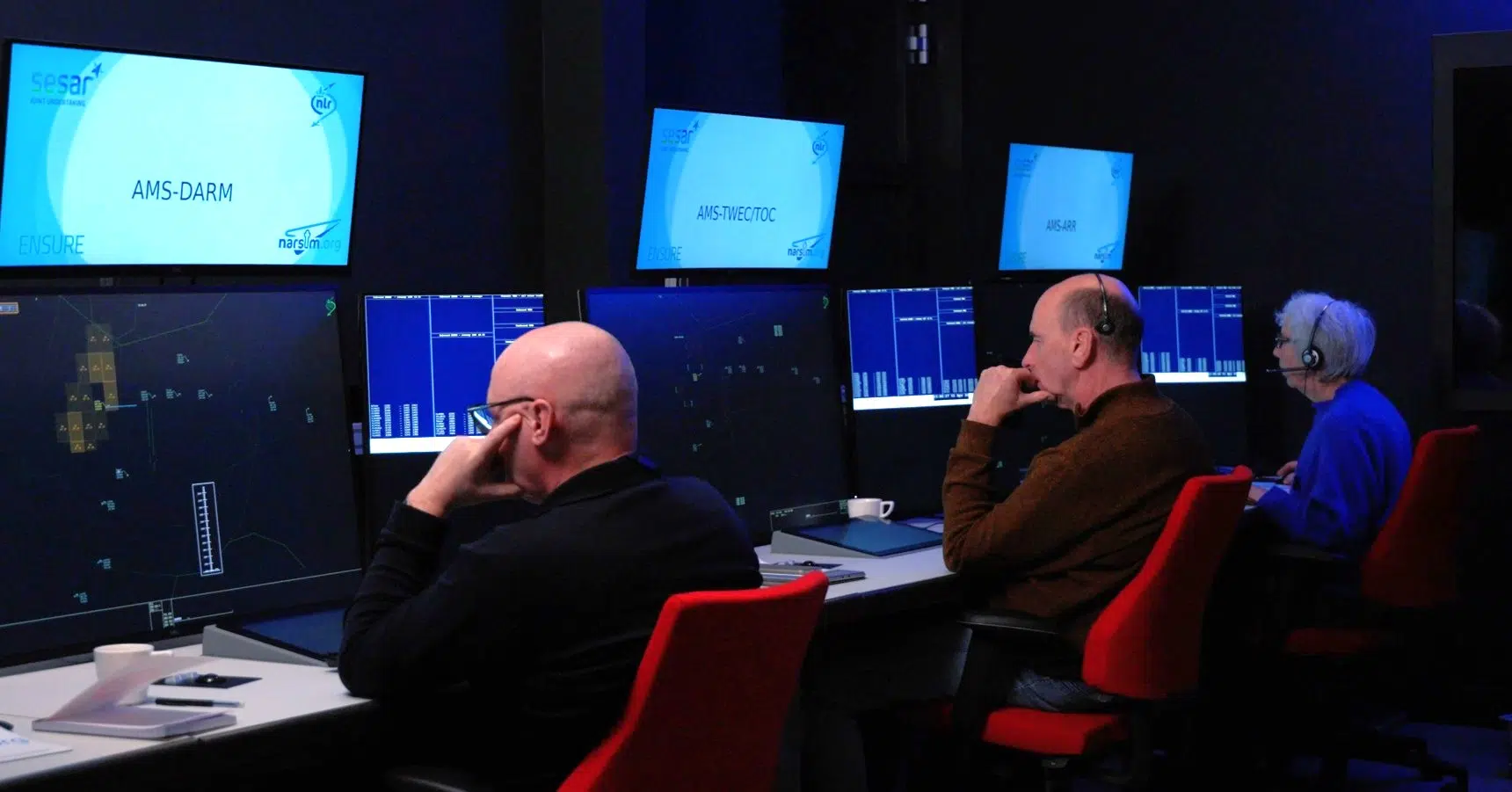
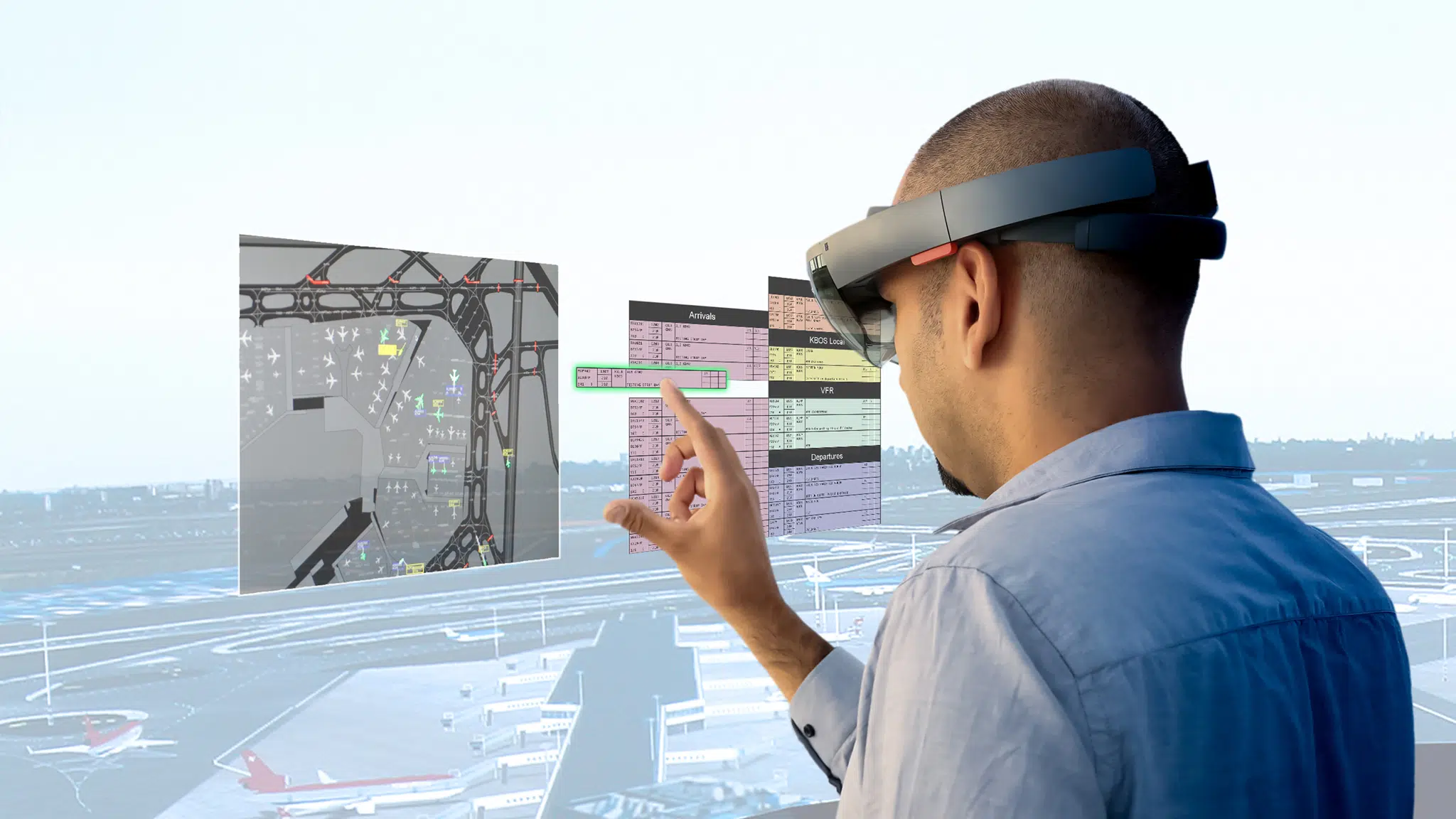
R&D case: Integrated interface solution for ATM and U-space systems
Project: ENSURE (ATM-Uspace Interface and Airspace Reconfiguration Service)
29 May 2026
Project: ENSURE (ATM-Uspace Interface and Airspace Reconfiguration Service)
29 May 2026
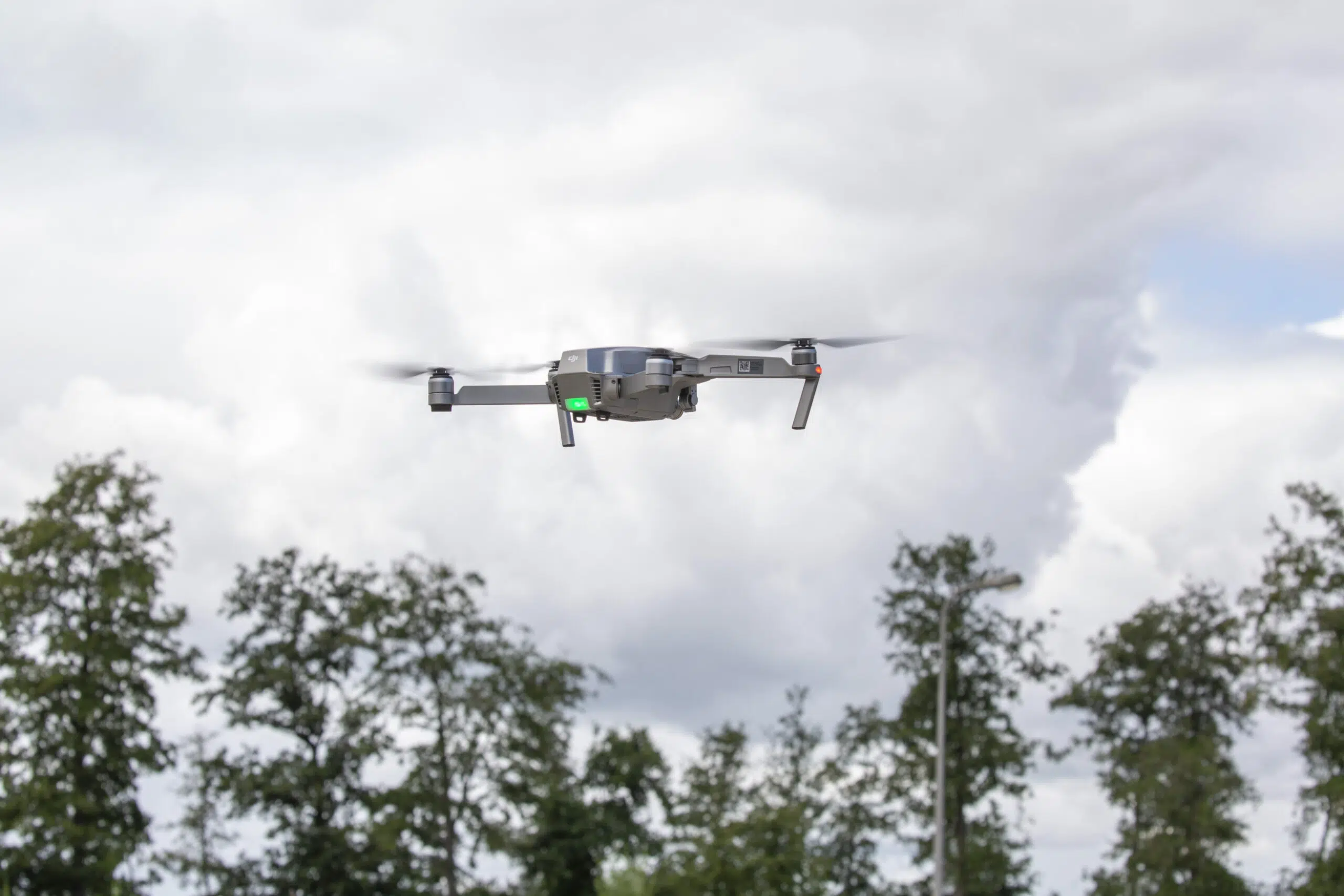
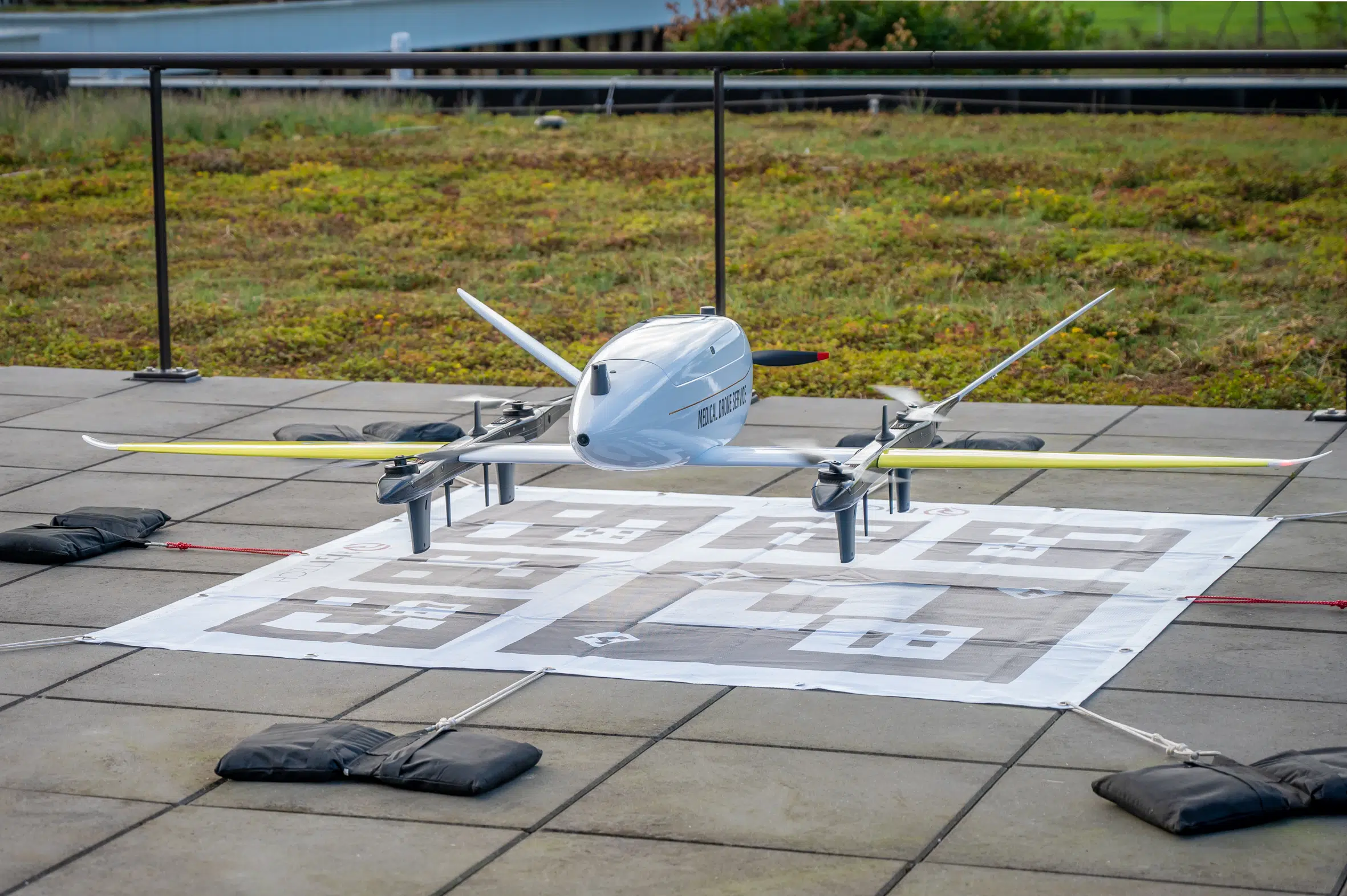
Drone pilots can receive assistance when operating drones through a so-called detect-and-avoid system. This automated system advises the pilot how to manoeuvre in order to maintain sufficient distance from other drones. However, such systems do not always support the effective passing of another aircraft. Researchers at the Royal Netherlands Aerospace Centre (NLR) developed a system that performs this task more effectively, as part of a European project.
17 April 2025
The challenge for civil aviation operators is to achieve competitive and sustainable aviation. The growing demand to increase efficiency, sustainability, safety and security, enhance resilience and reduce costs requires innovative solutions.
27 February 2025
Changes in airport or airspace layout are almost inevitably associated with new operational concepts. Such new concepts of operation need to be analysed and evaluated extensively in order to evolve from several initial ideas to a single, mature operational concept ready for implementation.
27 February 2025
With over two decades of experience in accident investigation, safety management, safety regulation, and safety risk modelling, NLR possesses a unique blend of expertise to support the development and implementation of safe and effective unmanned aircraft systems (UAS) operations. Our team has served as policy and technical advisors to key international UAS working groups, including the ICAO RPAS Panel, JARUS, EUROCAE WG UAS, and the UAS WG of the Network of Analysts, providing us with a deep understanding of the global regulatory landscape.
26 February 2025
NLR has developed a comprehensive runway allocation suite that provides airports with a tailored solution for optimising runway selection and allocation. This suite includes advanced tools for forecasting runway usage up to 30 hours in advance, as well as reporting mechanisms for monitoring runway allocation deviation and noise distribution. By leveraging this technology, airports can make more informed decisions about runway usage, reduce noise pollution, and improve overall efficiency. The suite is designed to be flexible and adaptable to the specific needs of each airport, with a user-friendly interface that visualises key decision-making parameters and motivations.
26 February 2025
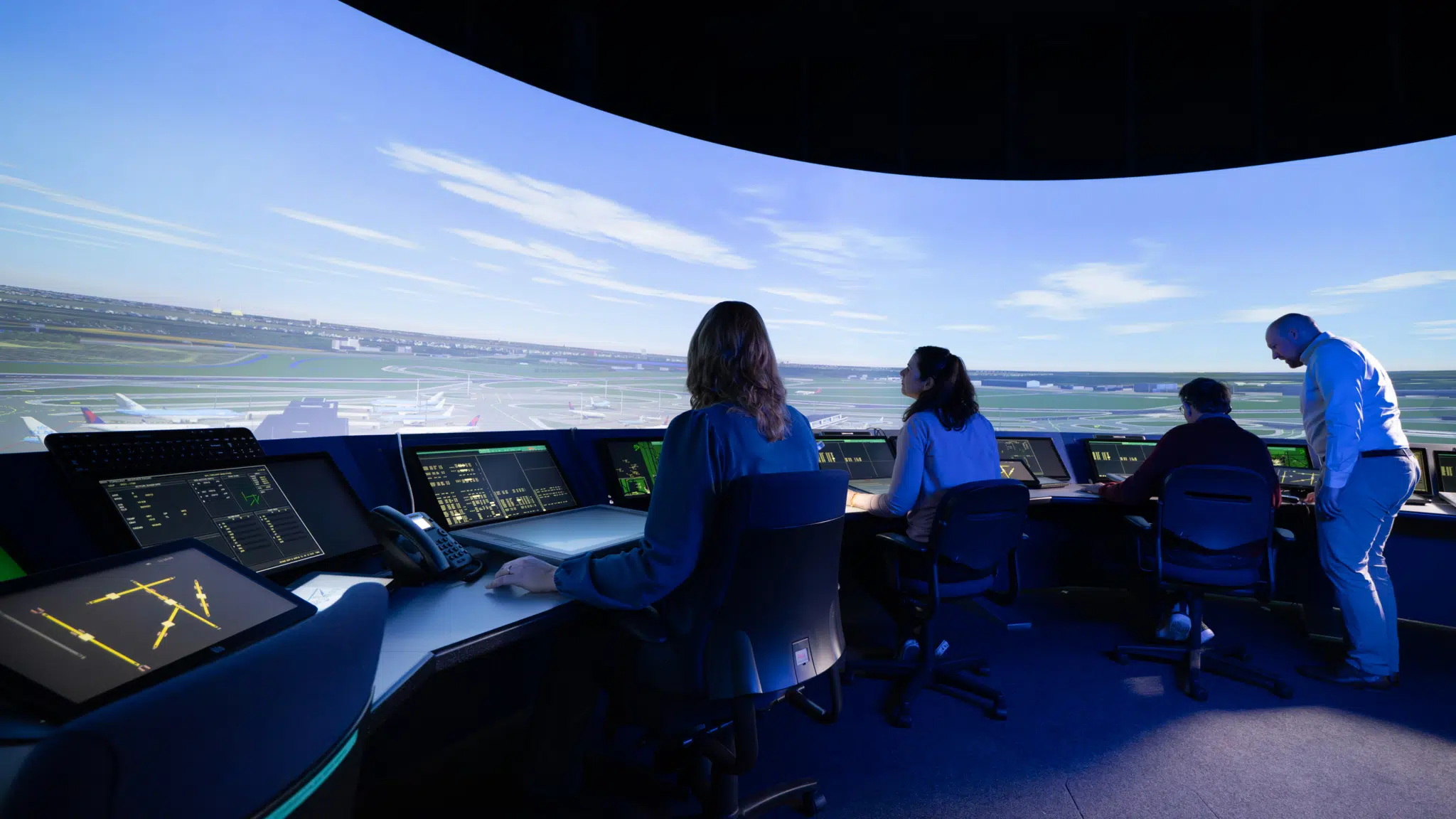
NLR provides innovative solutions and consultancy services to address Air Traffic Management (ATM) and airport operational problems. We have unique facilities that enable us to create highly realistic simulations of operational environments for area control, approach control, and tower control. Our facilities also include tools for analysing traffic flows and their impact on the environment, as well as plug-in capabilities for integrating customer hardware and software into our simulation environments. Additionally, we offer training facilities for ATM and airport staff that can be tailored to specific customer needs. Our team of experts includes multidisciplinary professionals with expertise in operations, system development, simulation, verification, and validation. We also have the capability to execute test flights to evaluate the quality of service and coverage of CPDLC VDL mode 2 in customer airspace, as well as evaluate issues related to round trip message transfer and handoffs between ground stations to maintain stable connectivity.
25 February 2025
NLR has the knowledge, experience and simulation capabilities to develop and assess concepts for air traffic management (ATM) systems. Our expertise enables us to evaluate the feasibility of these concepts from multiple perspectives, including benefits, human performance, cost, safety, and regulatory compliance. Our experienced aviation researchers and engineers can advise and support you during the implementation of such concepts in your ATM system. Additionally, we have two research aircraft that can fly with all available types of aircraft equipment to test systems and procedures. Our knowledge about the performance and availability of current and expected future aircraft equipment of many airspace users can be translated into realistic and feasible requirements for ATC manufacturers. These requirements ensure seamless co-operation between ground and airborne equipment.